uPVC Window Manufacturing Plant Setup and Cost Guide for India

A uPVC window manufacturing plant is planned in four steps: decide your daily output, choose the machines, plan the space and power, and set the budget. This guide explains each step and gives indicative budget ranges, so you can plan before asking for a quotation.
Step 1: Decide your daily output
Your output decides everything else. A small workshop making 5 to 15 windows a day can run on manual machines. A plant making many windows a day needs pneumatic machines, because air-powered clamping and punching is faster and less tiring for the operator.
Step 2: Choose the machines
A plant needs machines for cutting, routing, end milling, drilling, welding, corner cleaning and glazing bead cutting. The full list, in order of work, is in our complete uPVC window manufacturing machinery list.
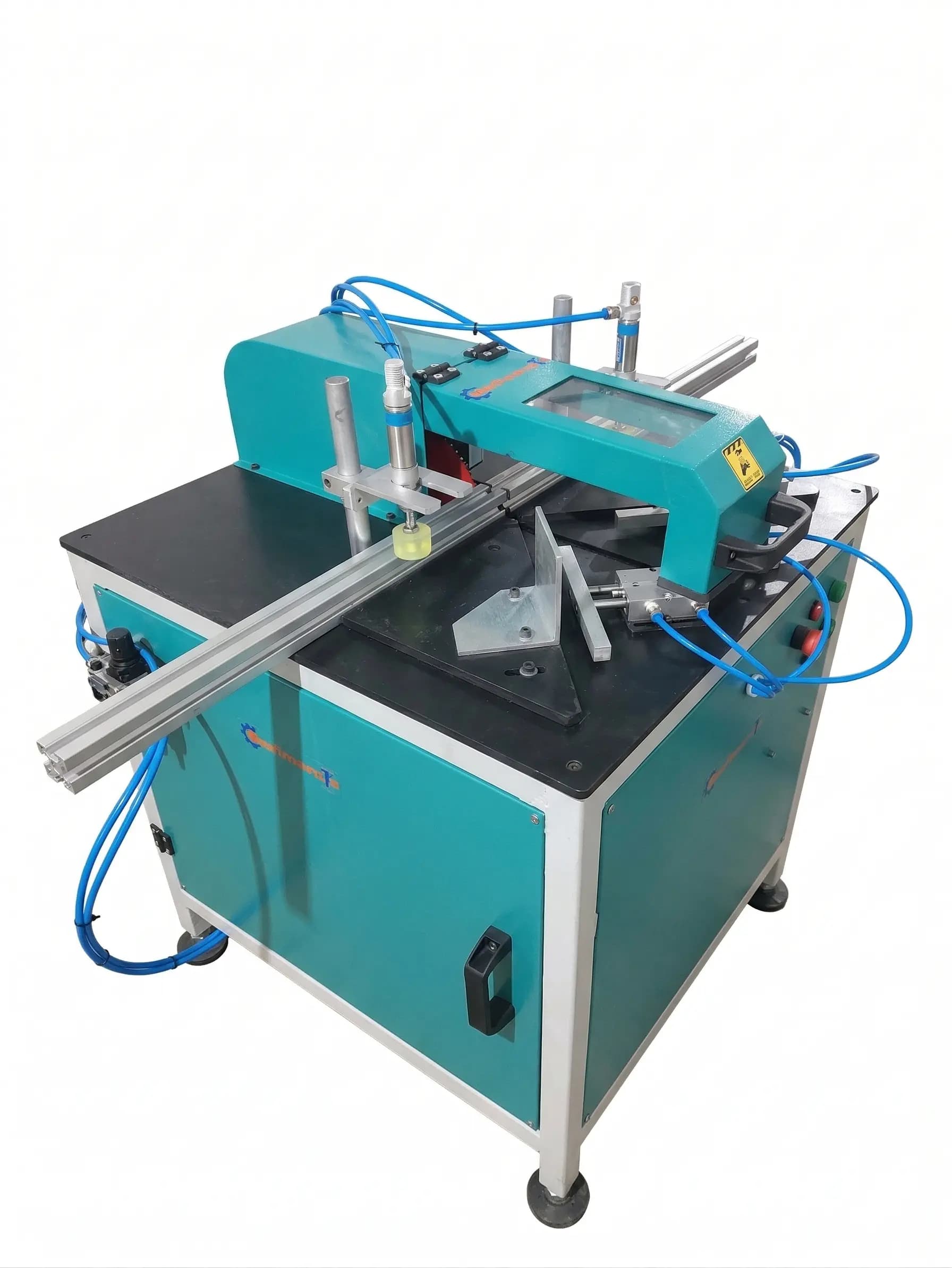
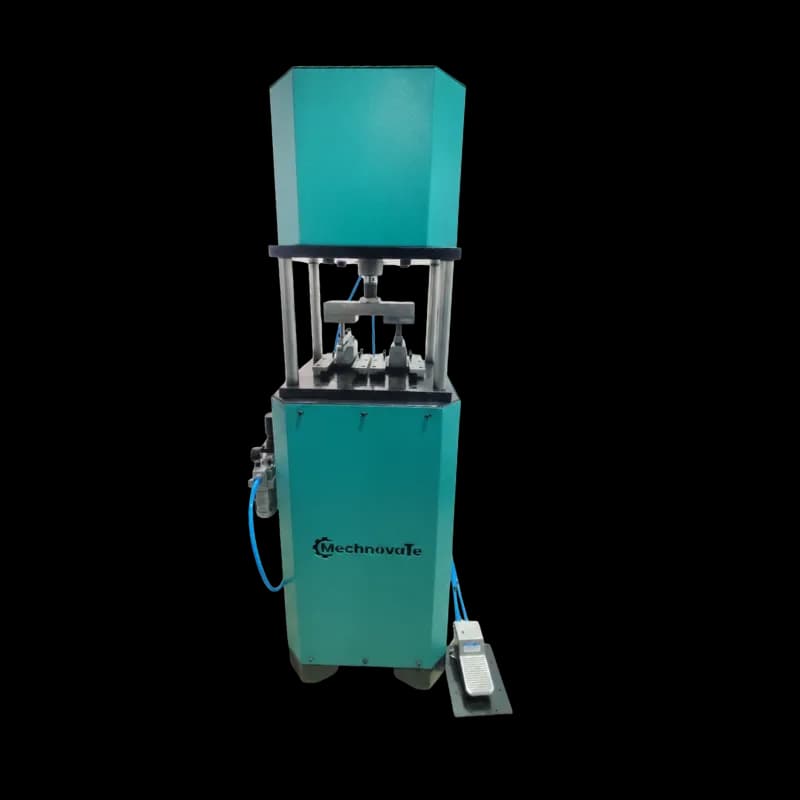
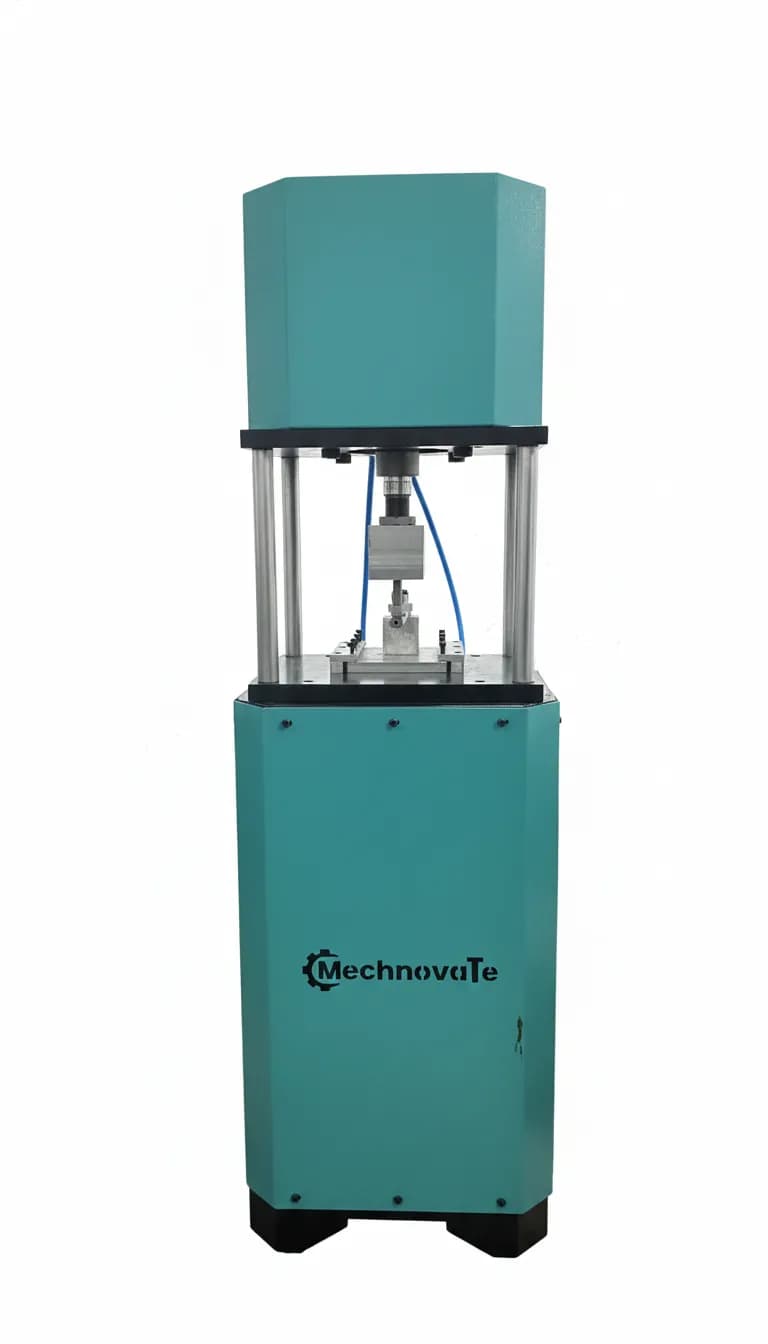
Mechnovate manufactures the cutting machine, the copy router for lock holes and water drainage slots, and the end milling machine. We supply the pillar drill and the air compressor. We do not manufacture the welding machine, the corner cleaning machine or the glazing bead saw, so budget for those separately from other manufacturers.
Step 3: Plan the space and power
- Keep the cutting machine where long profiles can be loaded and unloaded on both sides.
- Place the copy router, end milling machine and pillar drill close together, because each frame member moves between them.
- The cutting and end milling machines are available for single-phase or three-phase power, so a single-phase supply is enough to start.
- Pneumatic machines need a compressor delivering 6 to 8 bar. Tell us the machines you plan to buy and we recommend a compressor that suits them.
Step 4: Set the budget
These are indicative ranges for a window workshop setup. Your exact figure depends on the machines you pick, manual or pneumatic models, the router motor and the options.
| Setup | Indicative budget | What it suits |
|---|---|---|
| Entry level, manual machines | ₹3 to 5 lakhs | Start-ups and small workshops |
| Medium production, pneumatic machines | ₹6 to 10 lakhs | Workshops growing their daily output |
| Full production line | ₹12 to 20 lakhs | Plants with high daily output |
Budget extra for the machines we do not manufacture, such as the welding machine, corner cleaning machine and glazing bead saw, and for the workshop space, electricity and working capital for profiles and hardware.
What changes the cost
- Manual or pneumatic machines. Pneumatic models cost more and need a compressor.
- Number of machines. A copy router and a cutting machine are enough to start; add milling, drilling and punching as you grow.
- Router motor choice. The copy router is available with several router motor ratings.
- Aluminium as well as uPVC. The same cutting machine and copy router work for both materials, so adding aluminium windows needs few extra machines. See our aluminium window fabrication machine setup guide.
How to get an exact figure
Send us the profile systems you will use, your daily output target, manual or pneumatic preference, and whether you want us to supply the pillar drill and compressor. Use the quotation form or call +91-9265699061 and we reply with a written quotation. You can also read our workshop setup guide for layout planning.
Frequently asked questions
How much does it cost to set up a uPVC window manufacturing plant? As an indicative range, an entry-level setup with manual machines is ₹3 to 5 lakhs, a medium pneumatic setup is ₹6 to 10 lakhs and a full production line is ₹12 to 20 lakhs. The exact figure comes from a written quotation based on the machines you choose.
What is the minimum I need to start? A cutting machine and a copy router are enough to start a small workshop, then you add an end milling machine, a pillar drill and the other machines as orders grow.
Do I need a compressor? Only for pneumatic machines. Manual machines need no compressor. We supply compressors if you choose pneumatic models.
Can I make aluminium windows in the same plant? Yes. The cutting machine and copy router work for both uPVC and aluminium, so you add a punching machine and a few tools to start aluminium work.
Get more articles like this
Follow Mechnovate on Google to see our guides in Google Discover & News