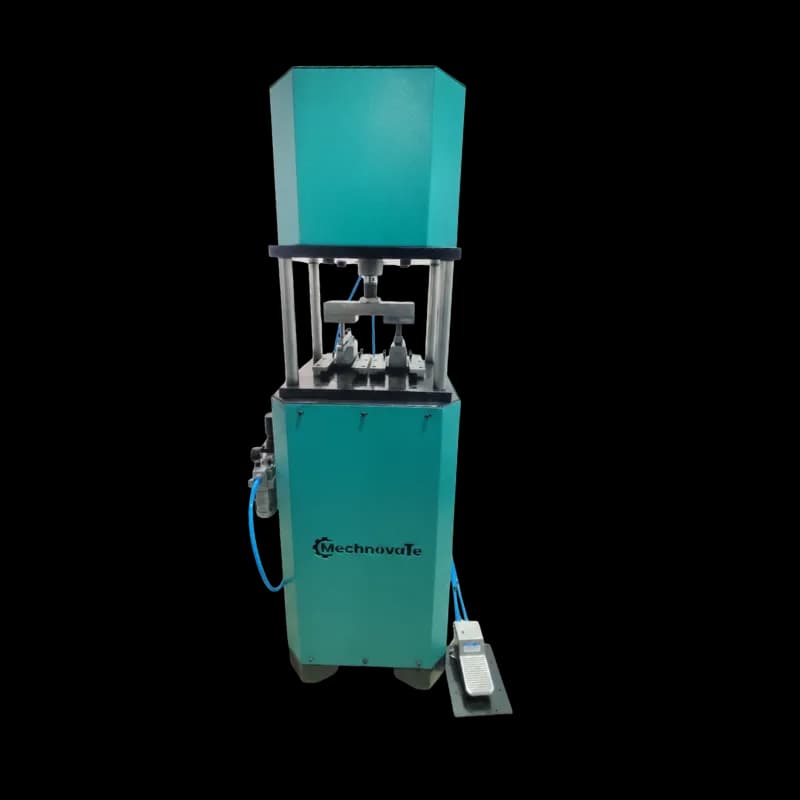
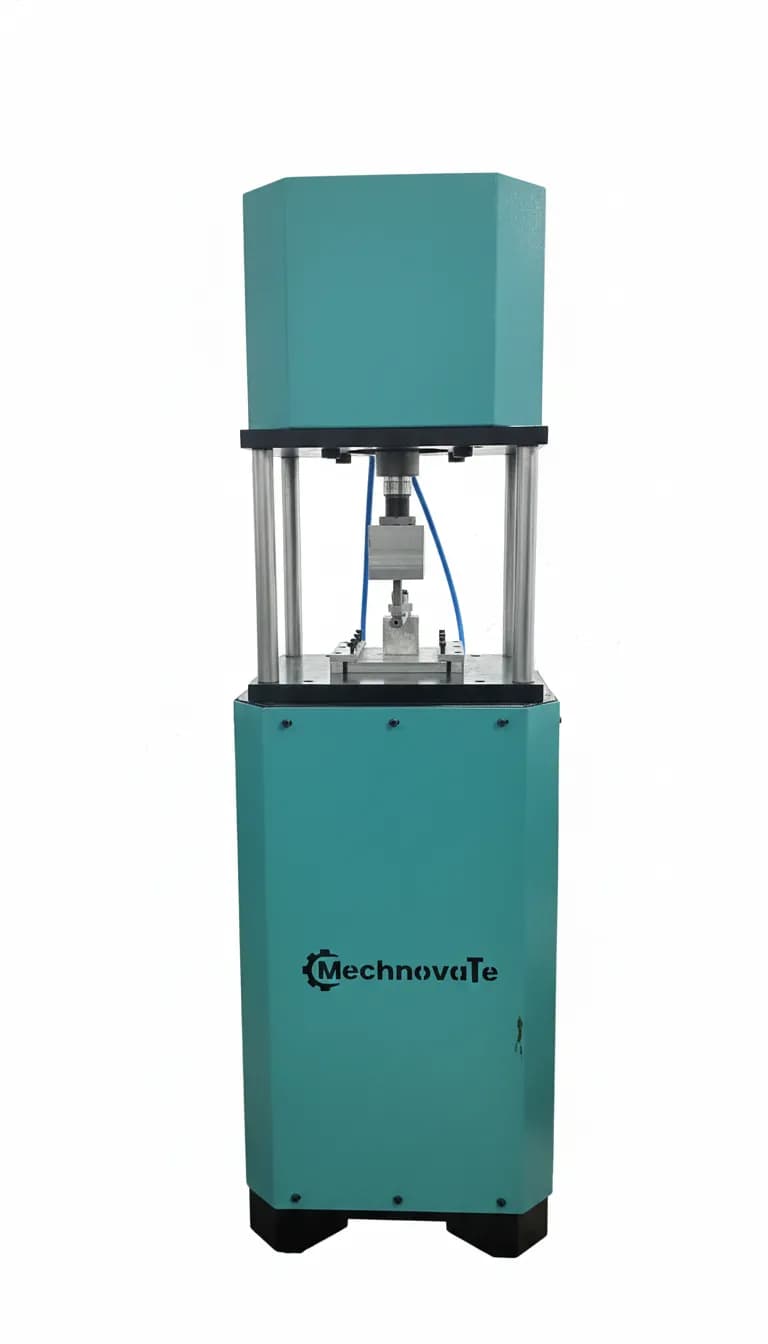
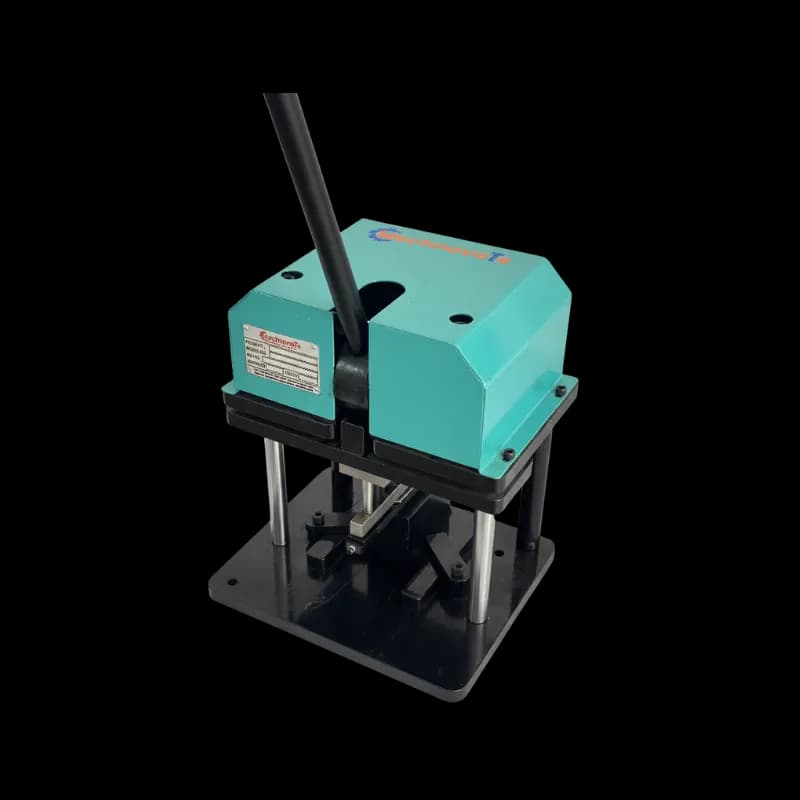
Essential Safety Protocols for Aluminum Punching Machines

Essential Safety Protocols for Aluminum Punching Machines: Protecting Your Most Valuable Assets
Safety is paramount in any industrial environment, but it takes on a heightened level of importance when operating high-force equipment like pneumatic or hydraulic aluminum punching machines. These machines are designed to exert tons of force to shear through metal, and without strict safety protocols, they can pose significant risks to operators.
1. Comprehensive Operator Training
Every operator must understand how the machine works, including the source of its power, the function of each control, and the potential danger zones. Training should include a thorough review of the manufacturer manual and hands-on supervision by a senior technician before an operator is allowed to work independently.
Operators must also be intimately familiar with the location and operation of all emergency stop buttons. Regular safety drills can help keep these procedures fresh in their minds.
2. Personal Protective Equipment (PPE)
PPE is the last line of defense when other safety measures fail. It is non-negotiable in a Mechnovate-equipped workshop.
Impact-resistant safety glasses or a full-face shield must be worn at all times when the machine is in operation. Aluminum punching produces small, sharp metal shards that can fly out at high speeds.
While gloves can protect against sharp edges of the aluminum profiles, they must be chosen carefully. Avoid loose-fitting gloves that could get caught in moving parts. Many fabricators prefer tight-fitting, cut-resistant gloves.
The sudden crack of a pneumatic punch can reach high decibel levels, especially in a busy workshop. Over time, this can lead to permanent hearing loss. Provide high-quality earplugs or earmuffs to all operators and those working in the immediate vicinity.
3. Machine Guarding and Interlocks
Modern punching machines should have physical barriers that prevent the operator from reaching into the point of operation. Ensure that all guards are in place and properly adjusted for the specific profile being punched.
One of the most effective safety features on a punching machine is a two-hand start system. This requires the operator to use both hands to activate the punch, ensuring that their hands are far away from the danger zone during the stroke. Never attempt to bypass or tie down one of these buttons.
4. Pre-Operational Inspection
A few minutes of inspection before starting work can prevent hours of downtime or a serious injury. Inspect the die set and the punch for any signs of looseness or misalignment. Check the air or oil lines for leaks, cracks, or bulges. Ensure that the pressure gauges are reading within the correct range.
5. Safe Material Handling
Mechnovate machines often feature Easy Guiding Systems. Use these to position the profile accurately without having to put your fingers near the punch. Never use your hands to clear aluminum scrap from the die area while the machine is powered. Use a brush or a specialized tool.
6. Maintenance and Lockout/Tagout (LOTO)
Whenever the machine is being serviced, cleaned, or adjusted, it must be completely disconnected from its power source. Use a physical lock on the air valve or electrical switch and attach a tag with the name of the person performing the work. This prevents someone else from accidentally turning the machine on while a technician hands are inside.
7. Conclusion: Safety is a Shared Responsibility
At Mechnovate, we build safety into every machine we manufacture. However, the ultimate responsibility for safety lies with the management and the operators in the workshop. By implementing these protocols and fostering a culture where safety is valued above speed, you protect your most valuable assets: your people.
Get more articles like this
Follow Mechnovate on Google to see our guides in Google Discover & News