Upgrading to CNC: Pune’s Path to 0.1mm Window Precision
To achieve a repeatable 0.1mm tolerance in aluminium window fabrication, Pune-based fabricators are rapidly moving away from manual pull-down saws toward precision-engineered CNC systems. While a standard aluminium cutting machine 12 inch is suitable for basic residential work, the structural demands of high-rise projects in areas like Hinjewadi and Baner require a level of accuracy that only synchronized servo-motors and rigid machine beds can provide. As a senior engineer with 15 years of workshop experience, I have seen that the difference between a leaky window and a high-performance system often comes down to the thermal expansion compensation and cutting head stability of the machinery used.
Achieving 0.1mm Precision with Aluminium Window Fabrication Machine Suppliers Pune
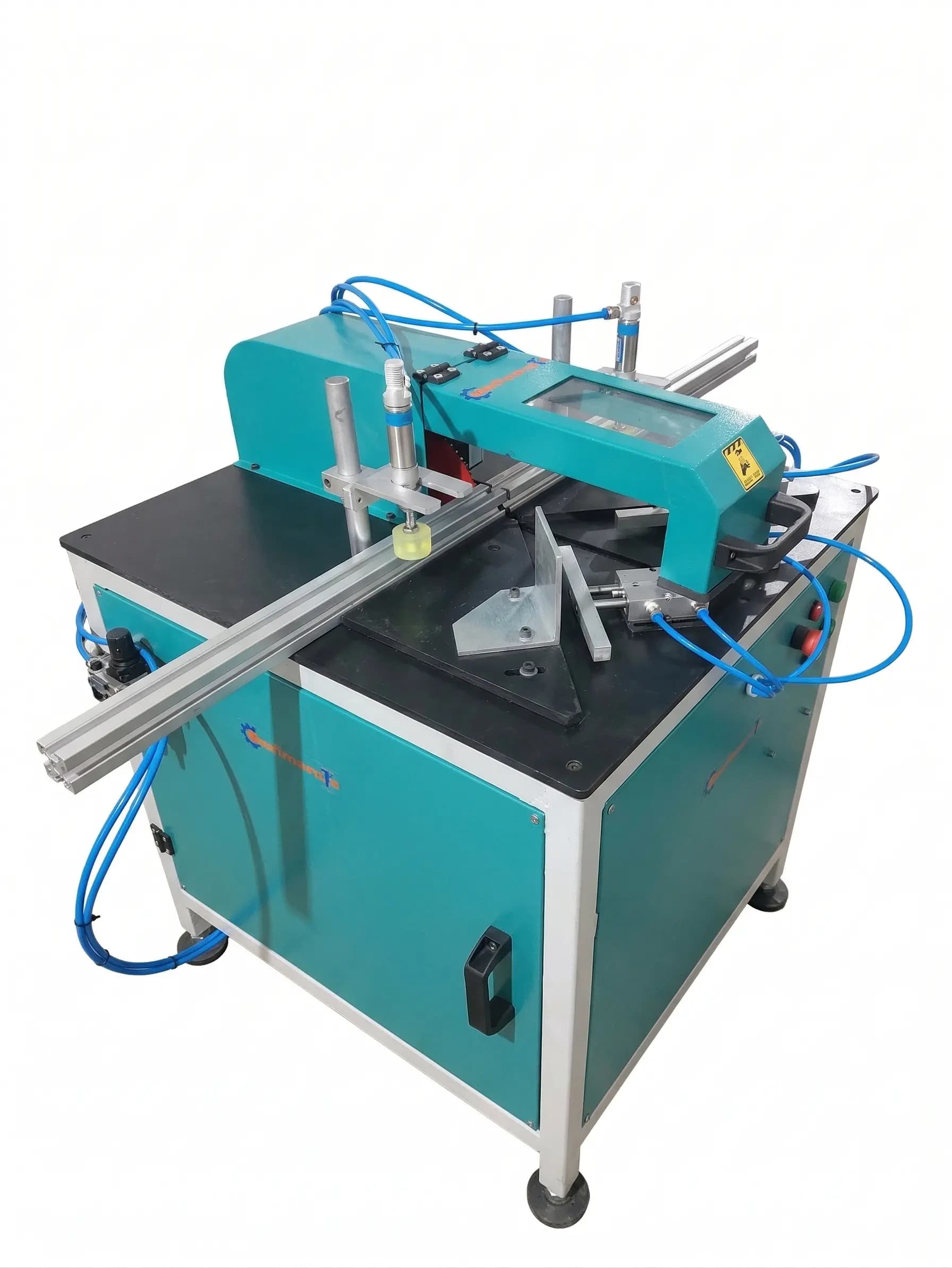
Transitioning to high-precision output requires more than just a new machine; it requires an understanding of structural rigidity. In our recent evaluation at a Chakan-based facility, we replaced traditional manual saws with an Automatic Double Head Cutting Machine to solve a chronic 1.5mm variance issue. We found that the primary cause of tolerance drift wasn't the operator, but the lack of pneumatic clamping force and blade run-out on the older aluminium cutter machine. By upgrading to a system with a heavy-duty cast-iron base and linear guideways, the facility successfully maintained a 0.1mm tolerance across 400 frames per shift.
To reach this level of precision, your setup must address three technical variables:
- Spindle Run-out: Ensure your aluminium profile cutting machine has a spindle run-out of less than 0.01mm to prevent jagged edges.
- Blade Geometry: Using a 500mm carbide-tipped blade with a negative rake angle is essential for clean cuts on architectural-grade profiles.
- Clamping Pressure: Variable pneumatic pressure (6-8 bar) prevents profile deformation while ensuring the workpiece remains stationary during the high-speed feed.
Engineering Case Study: From 1.2mm Variance to 0.1mm Precision
In 2023, we worked with a major fabricator in Pune who was struggling with a 12% waste rate due to improper miter joints. Using a standard aluminum cutting machine, their joints showed visible gaps that failed water penetration tests. We implemented a 6-week trial using an Aluminium Corner Crimping Machine alongside a 45 degree double head cutting machine. The results were immediate: waste dropped to 2.5%, and the output increased by 45 frames per day.
Our step-by-step optimization process included:
- Calibration of Digital Readouts (DRO): We synced the DROs with the CNC controller to ensure the length accuracy remained within ±0.1mm over a 6-meter profile.
- Lubrication Tuning: We switched to a micro-mist cooling system, which reduced blade heat and prevented the 'welding' of aluminium chips to the tooth tip.
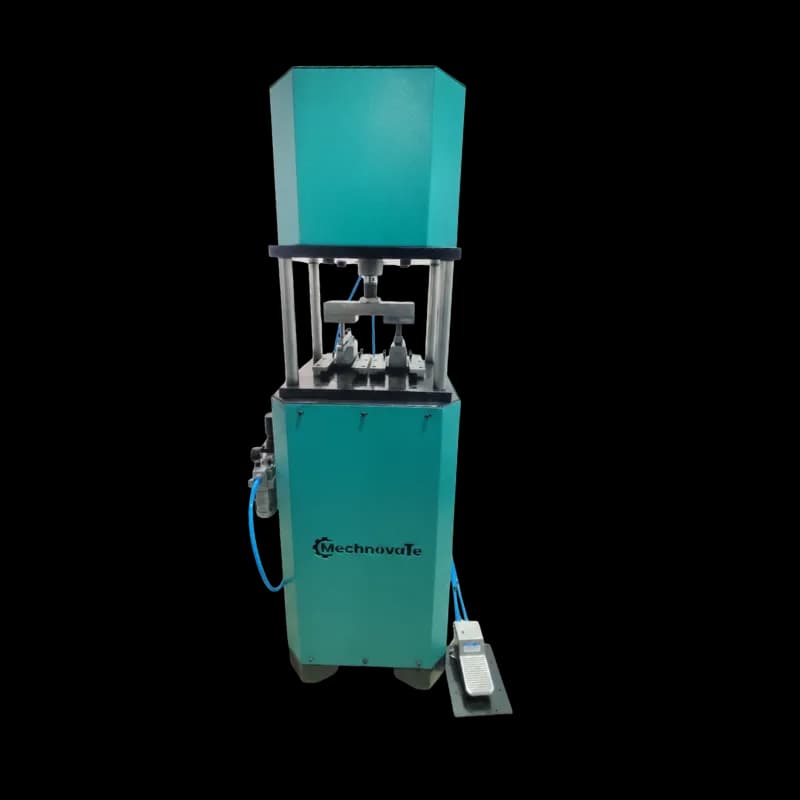
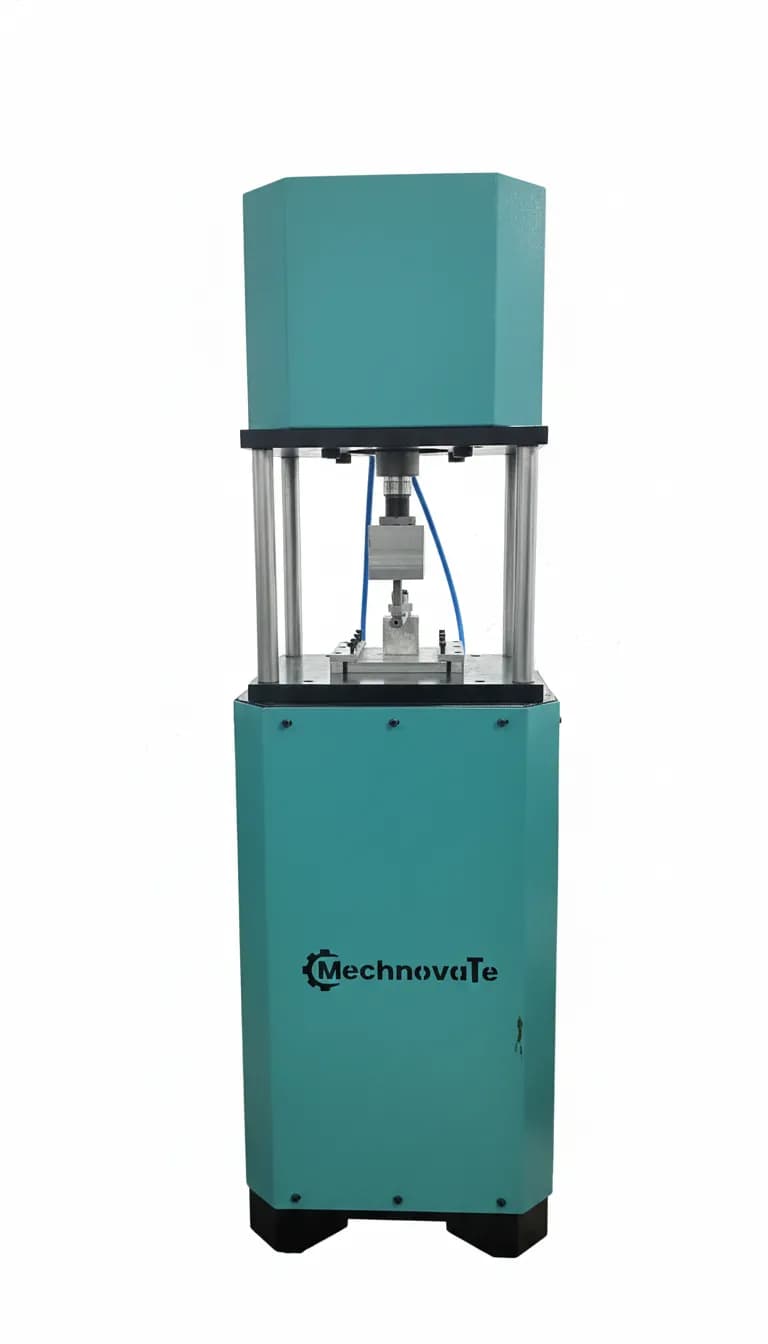
- Corner Strength Testing: By switching from manual screwing to a hydraulic aluminium punching machine and corner crimper, the joint strength increased from 2.5kN to 6.8kN.
Technical Specifications: Beyond the Basic Aluminium Cutter
When sourcing from aluminium window fabrication machine suppliers Pune, look for compliance with Industrial profile cutting safety standards ISO standards and BS EN 12020. A high-quality aluminium profile cutting machine should feature a motor power of at least 3.0kW per head to handle heavy-duty architectural sections. If you are also processing uPVC, ensuring your upvc windows making machine has a seamless welding capability is critical for aesthetics.
Key technical metrics for a professional-grade shop include:
- Feed Speed: Adjustable up to 5 meters/minute for high-volume production.
- Cutting Angle Accuracy: Precision within ±2 arc minutes for a degree cutting machine.
- Profile Capacity: Ability to handle 150mm x 100mm sections for curtain walling applications.
- Safety Features: Two-hand safety start and automatic hood interlocks to meet OSHA and ISO safety requirements.
Common Mistakes When Upgrading Fabrication Lines
One of the most frequent errors I see is fabricators choosing a upvc window machine or aluminium cutter machine price solely based on the lowest quote. A cheap upvc machine price list often indicates lower-grade linear bearings and thinner steel frames, which will vibrate and lose calibration within six months. In Pune’s humid monsoon climate, sub-par electronics in a upvc welding machine are also prone to failure if not housed in IP54-rated cabinets.
Another mistake is neglecting the Copy Router Machine. A high-speed copy router for aluminium windows must operate at 12,000 RPM or higher to ensure the hardware slots are clean and burr-free. Using a low-speed manual punching machine for complex locks often leads to profile cracking, which compromises the 0.1mm tolerance you worked so hard to achieve at the cutting station.
Optimizing the Production Floor for High-Speed Output
To maximize your investment in an automatic aluminium window production line price, the floor layout must follow a lean manufacturing flow. Material should move from the aluminium cutting machine to the End Milling Machine without backtracking. For those also handling uPVC, integrating a CNC uPVC window corner cleaning machine can save up to 4 minutes of manual labor per window.
- Station 1 (Cutting): Use a head cutting machine with automatic length positioning.
- Station 2 (Processing): Use a high speed copy router for lock holes and water drainage slots.
- Station 3 (Joining): Use an automatic aluminium corner crimping machine for structural integrity.
- Station 4 (Finishing): Final assembly and glazing checks using laser-leveling tools.
FAQ: Critical Questions for Pune Fabricators
Q: Can I use a uPVC cutting machine for aluminium profiles? No. While both use circular blades, an aluminium cutter requires significantly higher torque and specialized mist-cooling systems. Using a upvc windows machine for aluminium will lead to motor burnout and dangerous blade shatter due to the difference in material density.
Q: What is the ROI on an automatic double head cutting saw for aluminium profiles? In a typical Pune workshop producing 50 windows daily, the ROI is usually achieved within 14-18 months. This is driven by a 15% reduction in material waste and the elimination of two manual measuring assistants.
Q: How do I maintain 0.1mm accuracy over long shifts? Accuracy drift is usually thermal. Ensure your aluminium profile cutting machine is in a ventilated area and check the tension of the drive belts weekly. Regularly calibrate the magnetic scale sensors to ensure the CNC controller is receiving accurate positional feedback.
Get more articles like this
Follow Mechnovate on Google to see our guides in Google Discover & News