sales@mechnovate.co.in
+91-9265699061
Back to Blog
7/17/2026

Troubleshooting Weak Corner Joints: uPVC Welding Machine Guide

Troubleshooting Weak Corner Joints: uPVC Welding Machine Guide

Solving the Weak Corner Joint Crisis in Indian Workshops

Weak corner joints are the single biggest cause of structural failure and customer complaints in the Indian window fabrication industry. Based on my 15 years of engineering experience at Mechnovate, these failures are rarely due to the profile itself; they are almost always the result of poor uPVC welding machine maintenance or incorrect parameter settings. To achieve a weld that exceeds IS 1285 standards, you must focus on the ‘Golden Triangle’ of welding: Temperature, Pressure, and Time. If any of these variables fluctuate by even 5%, your corner strength can drop by as much as 40%, leading to brittle joints that crack during site installation.

Technical Specifications for a Perfect Weld

Precision engineering demands strict adherence to specific tolerances. For most Indian tropical-grade profiles, your uPVC window manufacturing machinery should be calibrated to the following specifications:

  1. Heating Temperature: 240°C to 260°C (depending on the ambient workshop temperature).
  2. Melting Pressure: 3.5 to 5 bar (0.35 to 0.5 MPa).
  3. Heating Time: 25 to 40 seconds.
  4. Joining/Cooling Time: 30 to 45 seconds.
  5. Profile Cutting Tolerance: Within +/- 0.2mm to ensure flush contact with the heater plate. Using a double head seamless welding machine can significantly reduce the risk of joint failure by automating these variables, but even the best machine requires a weekly calibration check using an external digital pyrometer to verify that the onboard PLC temperature reading matches the actual plate temperature.

The Mechnovate Case Study: Optimization in our Pune Facility

In our Pune testing facility, we conducted a 6-week intensive study on a production line experiencing high rejection rates. The workshop was using a standard uPVC windows machine and suffering from a 12% waste rate due to brittle corners. By implementing a strict maintenance protocol, we achieved the following results:

  • Reduced cutting and welding waste from 12% to 3%.
  • Increased output by 40 frames per day by optimizing the heating cycle.
  • Eliminated site breakages entirely over the subsequent three-month period. We discovered that the primary culprit was Teflon cloth degradation and carbon buildup on the heater plates, which caused uneven heat distribution across the profile face. By switching to a high-grade 0.13mm Teflon tape and cleaning the plates daily, the weld consistency stabilized immediately.

Critical Maintenance Checklist for uPVC Window Manufacturing Machines

To maintain peak performance and extend the life of your upvc machinery, follow this engineering-grade checklist:

  1. Daily Heater Plate Cleaning: Use only a wooden spatula or a soft cotton cloth to remove PVC residue; never use metal scrapers which damage the heating element.
  2. Weekly Pneumatic Drain: Drain the water from your air compressor and FRL (Filter-Regulator-Lubricator) unit to prevent moisture from entering the pneumatic cylinders.
  3. Monthly Sensor Alignment: Check the proximity sensors and limit switches. If a sensor is loose, the machine might start the melting phase before the profile is fully clamped, leading to a weak 'cold weld.'
  4. Quarterly Electrical Audit: Check for loose connections in the control panel. In India’s humid climate, oxidation on contactors can cause micro-fluctuations in power, leading to inconsistent heating.

Common Mistakes and What to Watch Out For

Many fabricators try to speed up production by reducing the cooling time. This is a critical error. Moving a frame before the plastic has fully recrystallized (typically 30 seconds) creates internal stresses that lead to hair-line fractures. Another common mistake is ignoring the upvc cutting machine accuracy. If your 45-degree cut is even slightly off, the heater plate will not make 100% contact with the profile surface, resulting in a joint that looks fine on the outside but is hollow on the inside. Always ensure your automatic double head cutting machine price India investment includes a high-precision miter scale to avoid these downstream welding issues.

FAQ: Real Questions from Indian Fabricators

Q: How often should I change the Teflon cloth on my welder? A: In a standard 8-hour shift, Teflon should be replaced every 40 to 60 operating hours. If you see yellowing or black carbon deposits, change it immediately to prevent heat transfer issues.

Q: Why is one side of my corner weld thicker than the other? A: This usually indicates a clamping pressure imbalance. Check if your pneumatic cylinders are delivering equal pressure or if there is a mechanical obstruction in the sliding carriage of your upvc window manufacturing machine.

Q: Does the ambient temperature in my workshop affect the weld? A: Absolutely. In North India, where temperatures swing from 5°C in winter to 45°C in summer, you must adjust your heater plate temperature by 5-10 degrees to compensate for the profile's base temperature.

Q: What is the cost of setting up a uPVC window manufacturing unit in India with quality machines? A: A basic setup with reliable upvc windows manufacturing machine options starts at approximately 8-12 Lakhs, while a fully automatic CNC line can exceed 40 Lakhs depending on the output capacity and automation level.

Troubleshooting Weak Corner Joints: uPVC Welding Machine Guide

Solving the Weak Corner Joint Crisis in Indian Workshops Weak corner joints are the single biggest cause of structural failure and customer complaints in the Indian window fabrication industry. Based on my 15 years of engineering experience at Mechnovate, these failures are rarely due to the profile itself; they are almost always the result of poor uPVC welding machine maintenance or incorrect parameter settings. To achieve a weld that exceeds IS 1285 standards, you must focus on the ‘Golden Triangle’ of welding: Temperature, Pressure, and Time. If any of these variables fluctuate by even 5%, your corner strength can drop by as much as 40%, leading to brittle joints that crack during site installation.

Technical Specifications for a Perfect Weld Precision engineering demands strict adherence to specific tolerances. For most Indian tropical-grade profiles, your uPVC window manufacturing machinery should be calibrated to the following specifications: Heating Temperature: 240°C to 260°C (depending on the ambient workshop temperature). Melting Pressure: 3.5 to 5 bar (0.35 to 0.5 MPa). Heating Time: 25 to 40 seconds. Joining/Cooling Time: 30 to 45 seconds. Profile Cutting Tolerance: Within +/- 0.2mm to ensure flush contact with the heater plate. Using a double head seamless welding machine can significantly reduce the risk of joint failure by automating these variables, but even the best machine requires a weekly calibration check using an external digital pyrometer to verify that the onboard PLC temperature reading matches the actual plate temperature.

The Mechnovate Case Study: Optimization in our Pune Facility In our Pune testing facility, we conducted a 6-week intensive study on a production line experiencing high rejection rates. The workshop was using a standard uPVC windows machine and suffering from a 12% waste rate due to brittle corners. By implementing a strict maintenance protocol, we achieved the following results: Reduced cutting and welding waste from 12% to 3%. Increased output by 40 frames per day by optimizing the heating cycle. Eliminated site breakages entirely over the subsequent three-month period. We discovered that the primary culprit was Teflon cloth degradation and carbon buildup on the heater plates, which caused uneven heat distribution across the profile face. By switching to a high-grade 0.13mm Teflon tape and cleaning the plates daily, the weld consistency stabilized immediately.

Critical Maintenance Checklist for uPVC Window Manufacturing Machines To maintain peak performance and extend the life of your upvc machinery, follow this engineering-grade checklist: Daily Heater Plate Cleaning: Use only a wooden spatula or a soft cotton cloth to remove PVC residue; never use metal scrapers which damage the heating element. Weekly Pneumatic Drain: Drain the water from your air compressor and FRL (Filter-Regulator-Lubricator) unit to prevent moisture from entering the pneumatic cylinders. Monthly Sensor Alignment: Check the proximity sensors and limit switches. If a sensor is loose, the machine might start the melting phase before the profile is fully clamped, leading to a weak 'cold weld.' Quarterly Electrical Audit: Check for loose connections in the control panel. In India’s humid climate, oxidation on contactors can cause micro-fluctuations in power, leading to inconsistent heating.

Common Mistakes and What to Watch Out For Many fabricators try to speed up production by reducing the cooling time. This is a critical error. Moving a frame before the plastic has fully recrystallized (typically 30 seconds) creates internal stresses that lead to hair-line fractures. Another common mistake is ignoring the upvc cutting machine accuracy. If your 45-degree cut is even slightly off, the heater plate will not make 100% contact with the profile surface, resulting in a joint that looks fine on the outside but is hollow on the inside. Always ensure your automatic double head cutting machine price India investment includes a high-precision miter scale to avoid these downstream welding issues.

FAQ: Real Questions from Indian Fabricators Q: How often should I change the Teflon cloth on my welder? A: In a standard 8-hour shift, Teflon should be replaced every 40 to 60 operating hours. If you see yellowing or black carbon deposits, change it immediately to prevent heat transfer issues.

Q: Why is one side of my corner weld thicker than the other? A: This usually indicates a clamping pressure imbalance. Check if your pneumatic cylinders are delivering equal pressure or if there is a mechanical obstruction in the sliding carriage of your upvc window manufacturing machine.

Q: Does the ambient temperature in my workshop affect the weld? A: Absolutely. In North India, where temperatures swing from 5°C in winter to 45°C in summer, you must adjust your heater plate temperature by 5-10 degrees to compensate for the profile's base temperature.

Q: What is the cost of setting up a uPVC window manufacturing unit in India with quality machines? A: A basic setup with reliable upvc windows manufacturing machine options starts at approximately 8-12 Lakhs, while a fully automatic CNC line can exceed 40 Lakhs depending on the output capacity and automation level.

Related Machines From Mechnovate

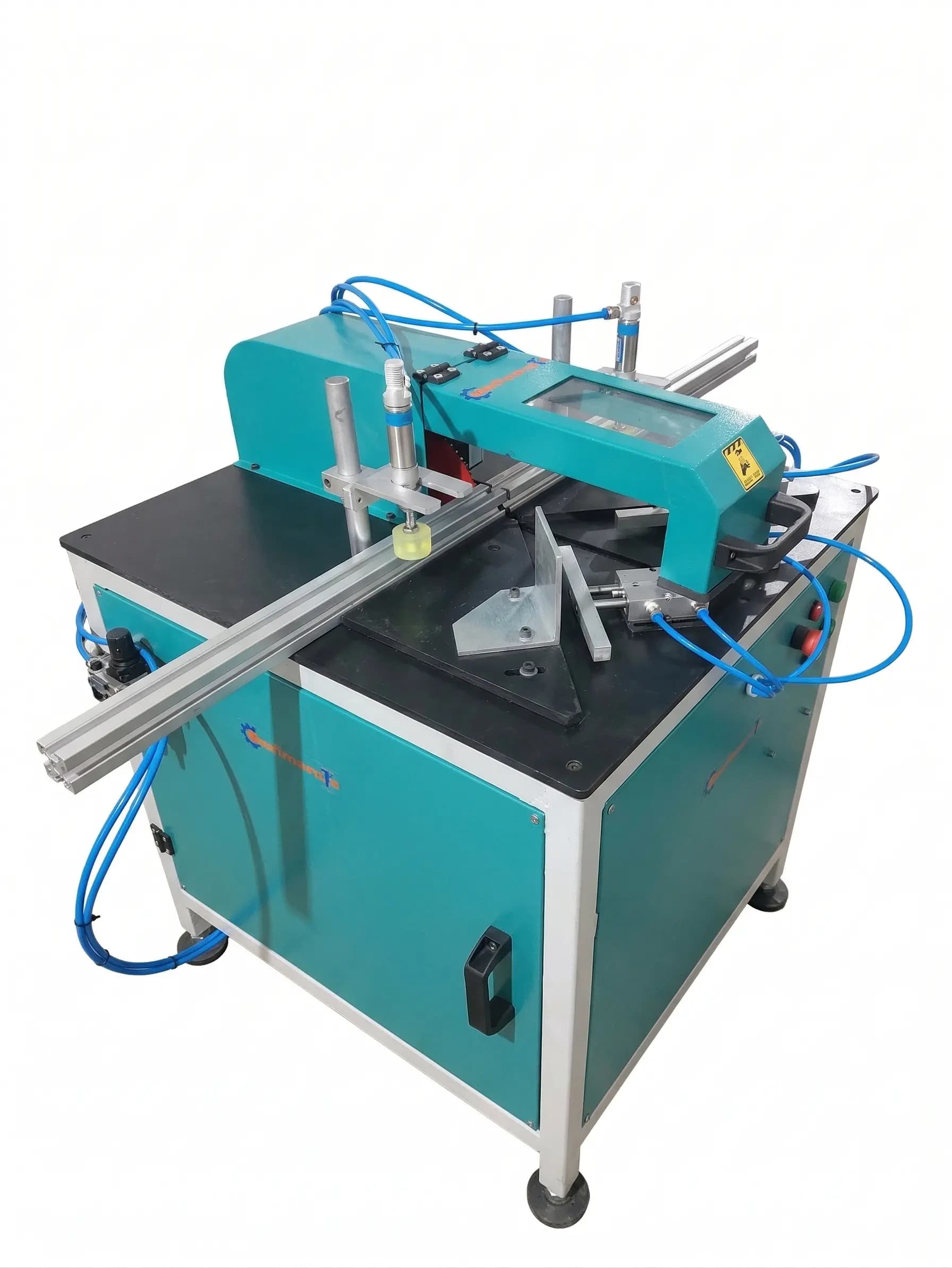
Single Head Cutting Machine for Aluminium and UPVC

Model: MEPCCSH1 | Cutting

Dual-angle versatility with rapid adjustment for Aluminium/uPVC.

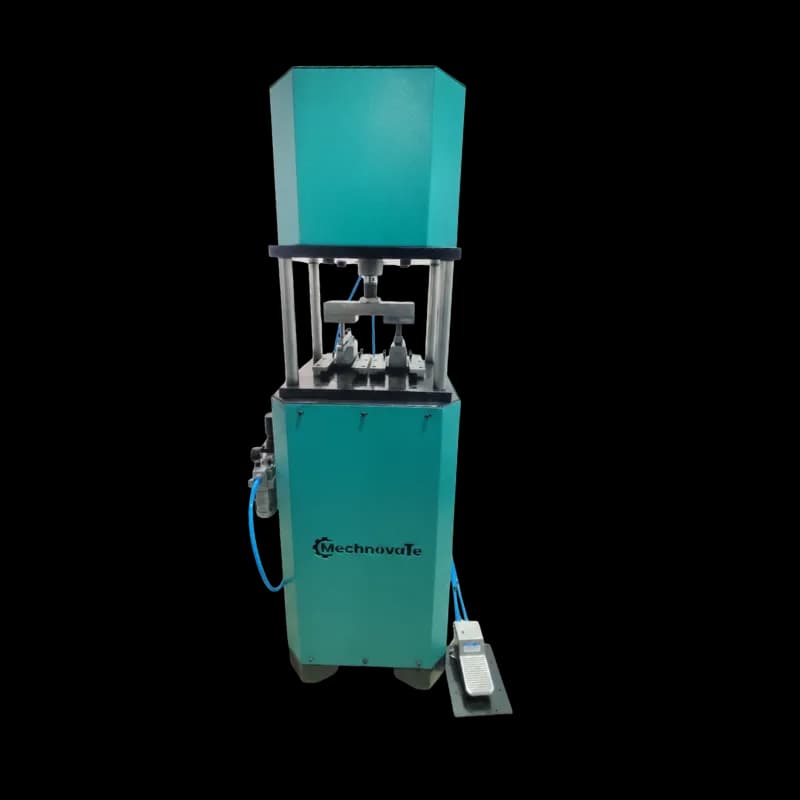
2 Station Pneumatic Aluminium Punching Machine

Model: MEPPPST2 | Punching

Multi-tool setup with adjustable cutting depth.

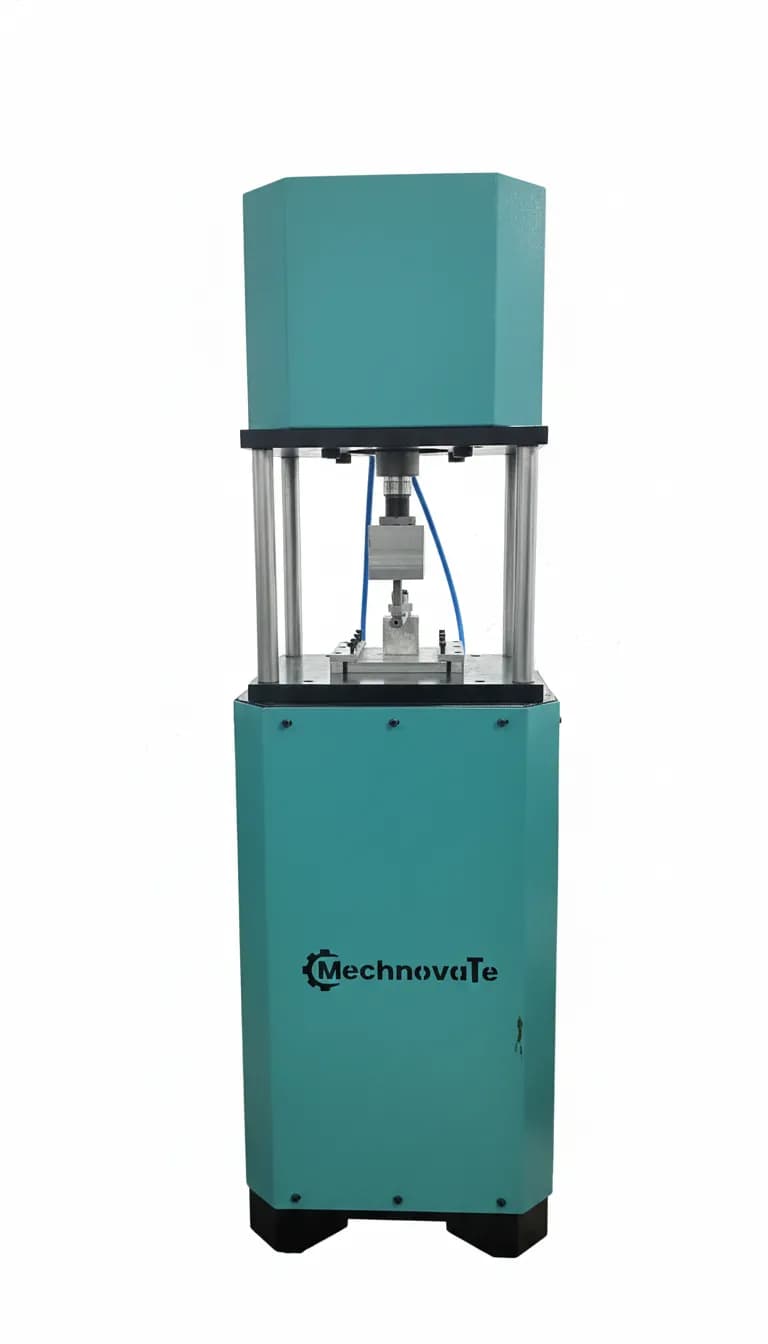
1 Station Pneumatic Aluminium Punching Machine

Model: MEPPPST1 | Punching

Precision alignment with Easy Guiding System for Aluminium.

Pneumatic Copy Router Machine for Aluminium and UPVC

Model: MEPCR Series | Router

High-speed routing with secure pneumatic clamping.

Explore Mechnovate Machinery

Browse our complete range of aluminium and uPVC window fabrication machinery. Call +91-9265699061 or visit our products page for specifications and pricing.