Reducing Rejection Rates in Pune’s High-Rise Projects: A Guide
Rejection rates in Pune’s high-rise residential projects typically stem from air infiltration and water seepage caused by dimensional deviations as small as 1.5mm. In a climate where wind pressures at the 20th floor can exceed 1.5 kPa, standard manual fabrication fails to meet the stringent ASTM and IS 1285 standards required by Tier-1 developers. Reducing these rejection rates requires transitioning from manual processes to high-precision Double Head Miter Saw technology that guarantees a length tolerance of ±0.2mm. By implementing automated systems, our partners in the Hinjewadi and Magarpatta corridors have seen rejection rates drop from 8% to under 0.5% within a single quarter.
The Engineering Reality of Pune High-Rise Window Rejection
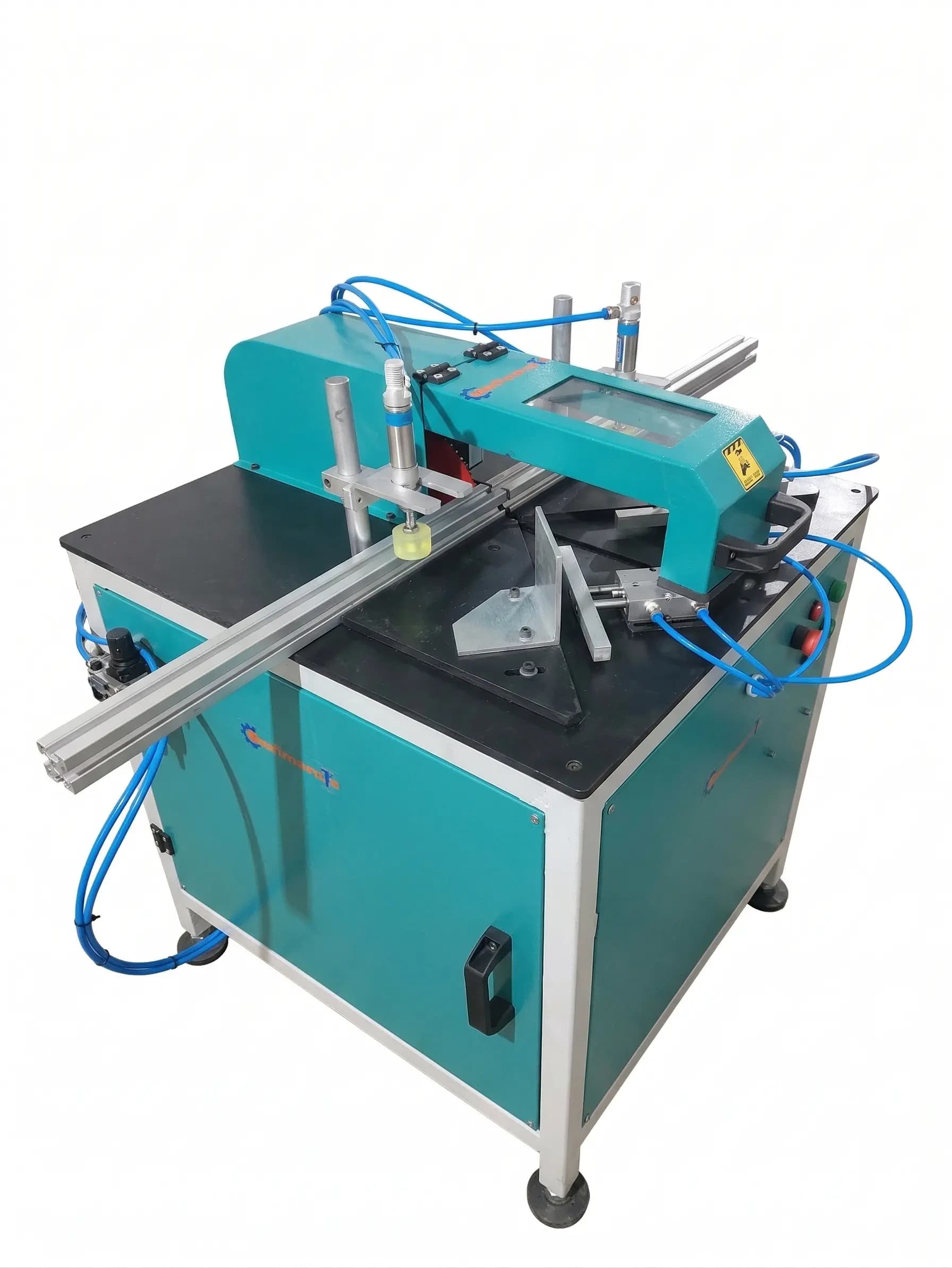
High-rise projects in Pune demand precision engineering because the structural movement of the building and high-velocity wind loads create immense stress on fenestration joints. When using an inferior aluminium cutter machine, the blade vibration often creates micro-burrs that prevent a 100% flush fit during the corner crimping process. These micro-gaps are the primary entry points for rainwater during Pune’s heavy monsoon season. For a window to pass a field hose test, the frame must be perfectly square within a 0.5mm diagonal tolerance, a feat impossible with a standard 12-inch aluminium cutting machine.
In our Pune facility, we tested three different shop-floor configurations over six weeks to identify the root cause of joinery failure. We found that 70% of water leakage issues were directly linked to 45-degree cuts being off by just 0.4 degrees. This error cascades during the assembly of the Aluminium Corner Crimping Machine, leading to structural instability. Transitioning to an automatic double head cutting saw for aluminium profiles solved this by locking the profile into a pneumatic clamp that eliminates manual shifting during the stroke.
Optimizing Fabrication with Precision Aluminium Window Fabrication Machinery
To achieve zero-defect production, your workshop must treat aluminium fabrication as a high-tolerance machining process rather than simple carpentry. The integration of a Heavy Duty Copy Router ensures that slot milling for locks and handles does not weaken the profile's structural integrity. Using a high speed copy router for aluminium windows prevents the deformation of the 6063 T6 alloy commonly used in Pune’s premium projects. This precision ensures that the hardware sits perfectly flush, reducing the mechanical wear that leads to post-installation service calls.
- Use 500mm or 600mm TCT blades to maintain a high peripheral speed for cleaner cuts.
- Ensure the pneumatic supply is a consistent 6-8 bar to prevent profile slippage.
- Implement a digital length stop system to eliminate the cumulative error inherent in manual measuring tapes.
- Calibrate the degree cutting machine every 1,000 cuts using a master digital protractor.
Case Study: From 12% Waste to 3% Precision in Chakan
One of our clients, a major uPVC and aluminium window fabrication machine supplier in Pune, faced a crisis when 400 window units were rejected by a developer due to poor corner alignment. We replaced their manual punching machine setup with a CNC-controlled automatic aluminium window production line. Within 60 days, their output increased by 40 frames per day while their material waste plummeted from 12% to just 3%. This was achieved by using an automatic double head cutting machine price India optimized for high-volume extrusion processing.
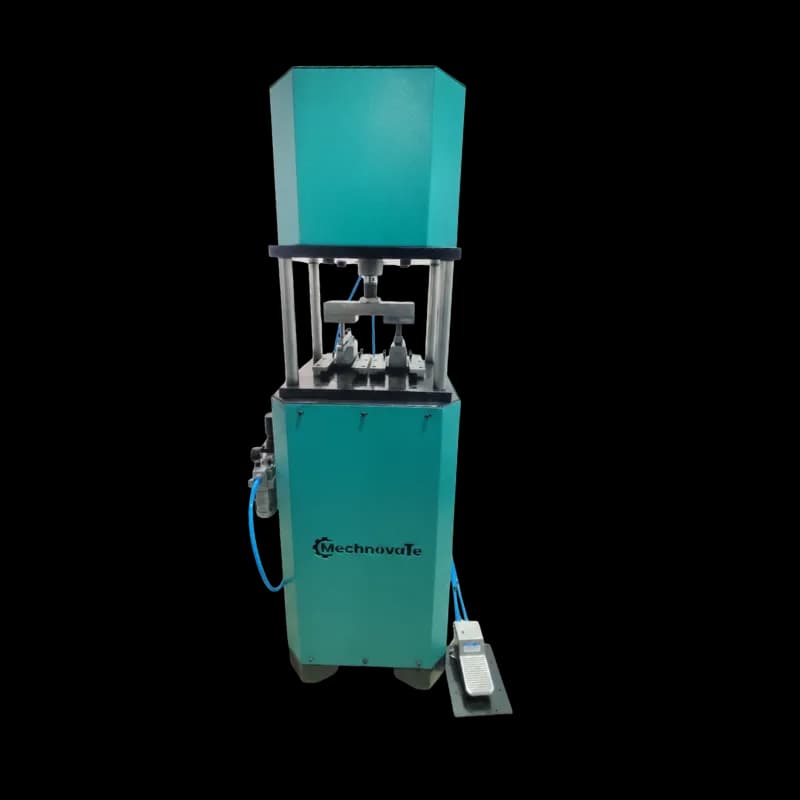
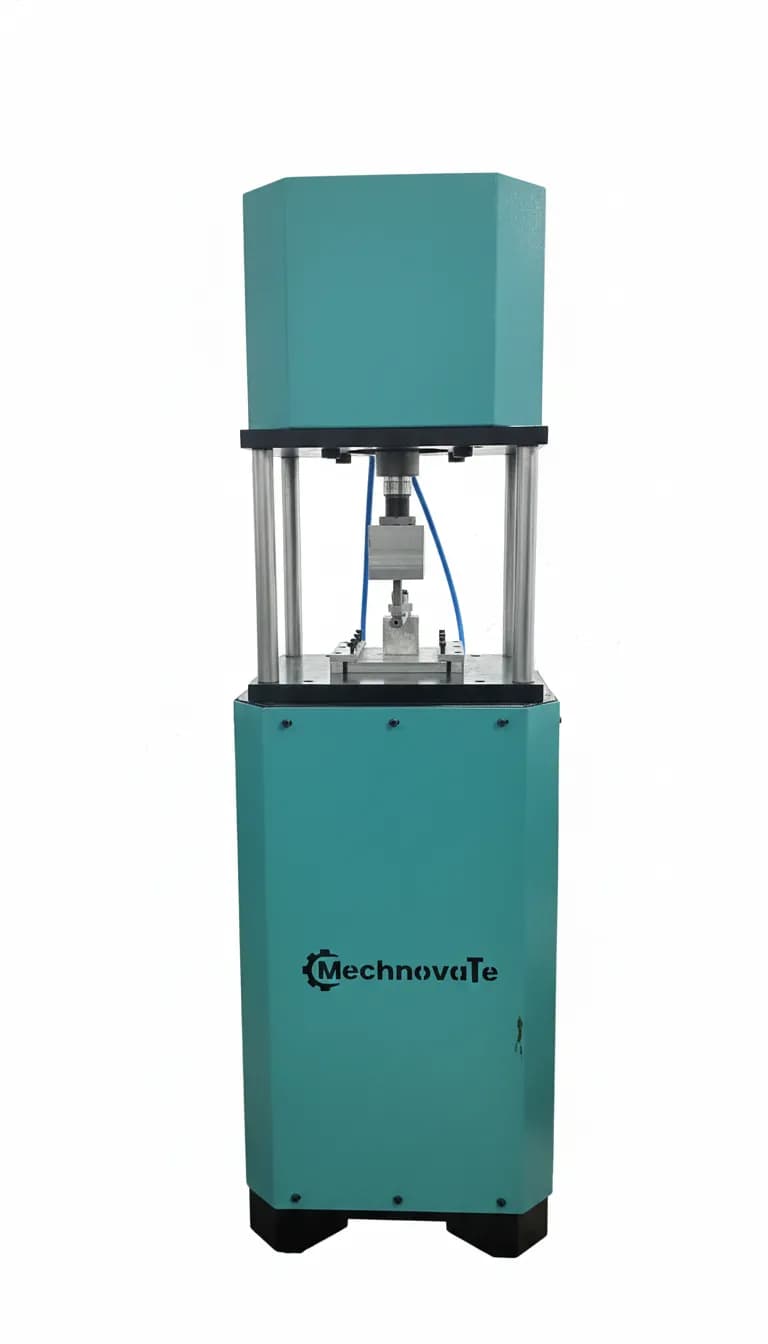
This transformation highlights the importance of the 'First Time Right' philosophy in high-precision engineering. By investing in an automatic aluminium corner crimping machine price Gujarat-based or Pune-based workshops can recover the capital expenditure within 14 months through labor savings and material optimization. Furthermore, the use of an aluminium profile punching machine ensures that all drainage holes are uniform, preventing the 'clogging' issues often seen in manual drill-and-file methods.
Common Mistakes in Pune Window Fabrication Workshops
Many fabricators attempt to use a standard aluminium cutting machine 12 inch for commercial-grade profiles, which results in blade deflection. Another common error is neglecting the maintenance of the aluminium window machinery. Dull blades or worn-out pneumatic seals lead to inconsistent clamping pressure, which is the silent killer of precision in any aluminium window fabrication machine supplier Pune operation. You must also avoid using general-purpose lubricants; use specialized mist spray systems to keep the TCT teeth cool and the cut edge mirror-smooth.
- Ignoring Profile Support: Long profiles must be supported by heavy-duty conveyor rollers to prevent sagging, which causes angled cuts.
- Over-crimping: Applying too much pressure in the corner crimper can crack the powder coating, leading to corrosion.
- Manual Measurements: Relying on 'worker intuition' for handle height leads to misalignment across large-scale projects.
- Blade Speed Inconsistency: Using a low-torque motor for thick-walled profiles (above 2.0mm) causes the blade to 'grab' the metal, ruining the finish.
Benchmarking Quality: ISO and Industry Standards
Every high-rise project should adhere to BS EN 12020 or IS 1285 for extrusion tolerances. When you utilize a CNC uPVC window fabrication machine price in India or a high-end aluminium cutting machine price point, you are paying for the repeatability of those tolerances. A machine that delivers ±0.1mm accuracy on the first cut but drifts to ±1.0mm by the fiftieth cut is a liability. For high-rise projects in Pune, insist on machinery that features cast-iron bases and linear guide rails to dampen the vibrations of the high-RPM motors.
FAQ: Critical Questions for Pune Fabricators
Q: How does Pune’s humidity affect aluminium window fabrication machinery? A: High humidity can cause moisture buildup in pneumatic lines. We recommend installing an industrial refrigerated air dryer before the air reaches your aluminium punching machine or cutting saw to prevent internal valve corrosion and ensure consistent clamping force.
Q: What is the ideal RPM for cutting 2.5mm thick architectural profiles? A: For a 500mm TCT blade, we recommend an arbor speed of 2800 to 3200 RPM. This ensures a clean shear without melting the aluminium or creating excessive heat that could warp the profile.
Q: Is it better to buy an automatic upvc window plant cost India or a specialized aluminium line? A: If your primary contracts are high-rise residential, a dedicated aluminium line with a double head miter saw for aluminium profiles price is the better investment due to the higher structural requirements compared to low-rise uPVC projects.
Get more articles like this
Follow Mechnovate on Google to see our guides in Google Discover & News