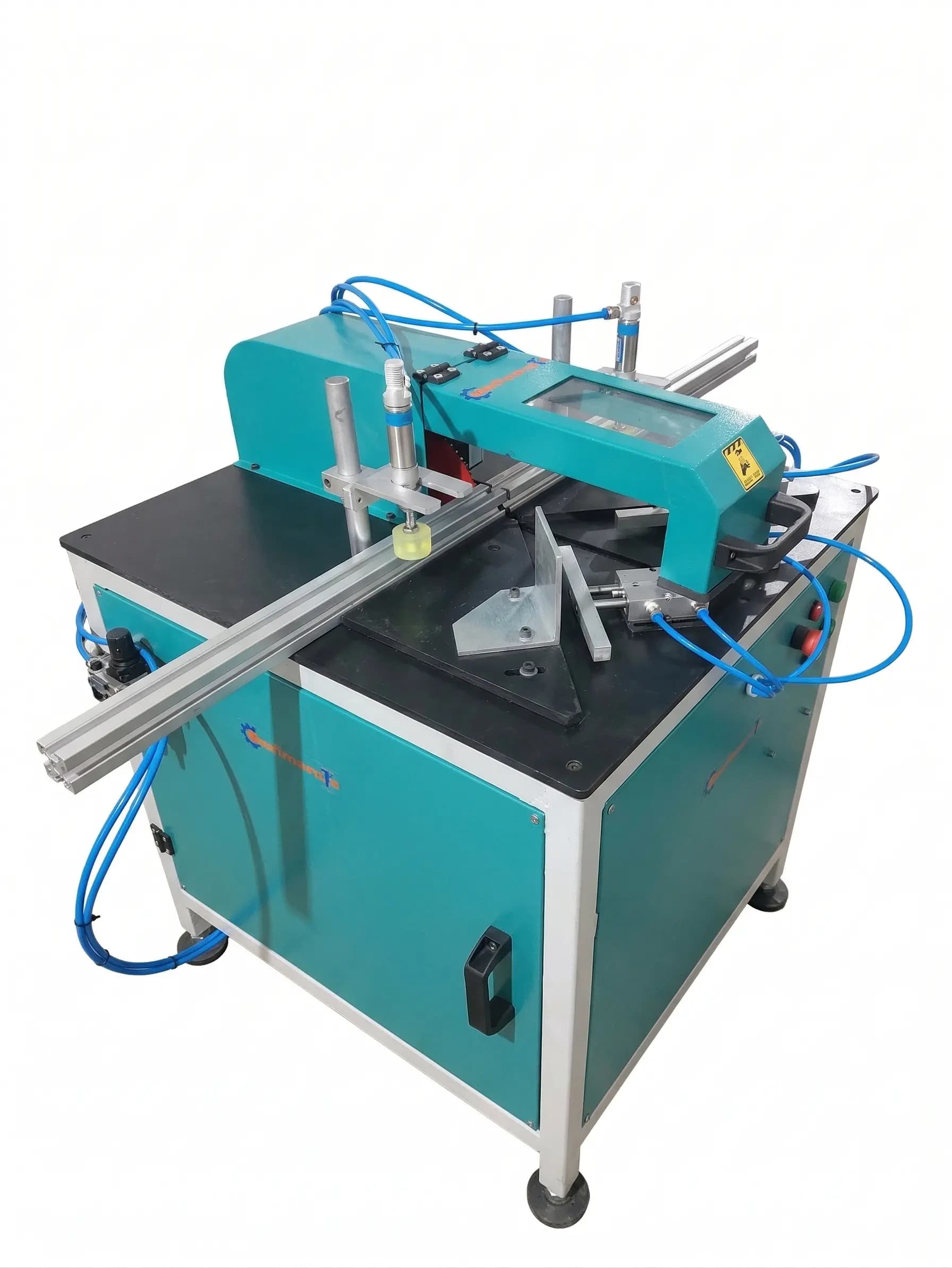
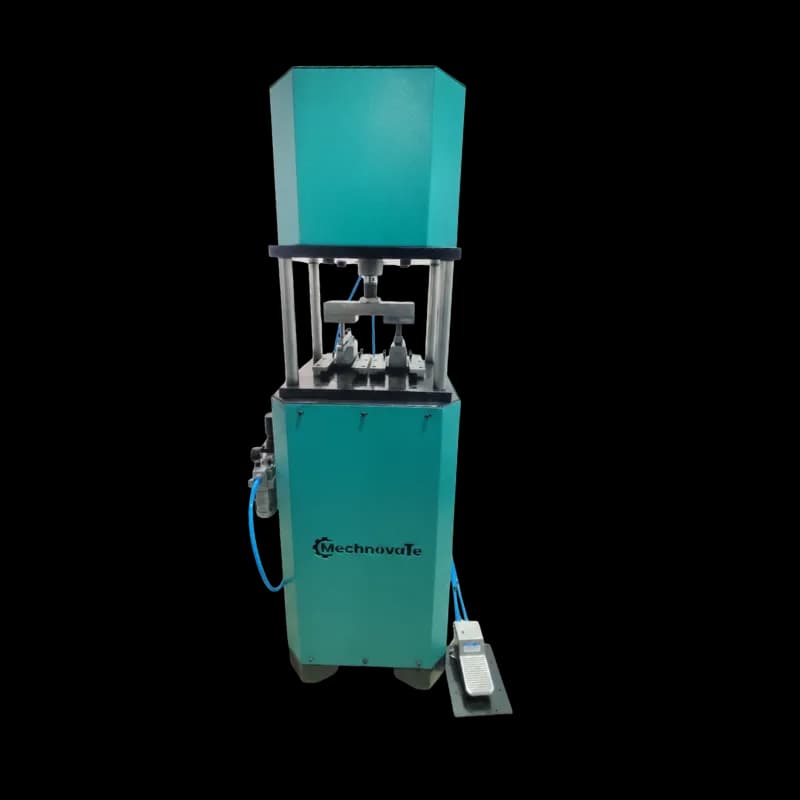
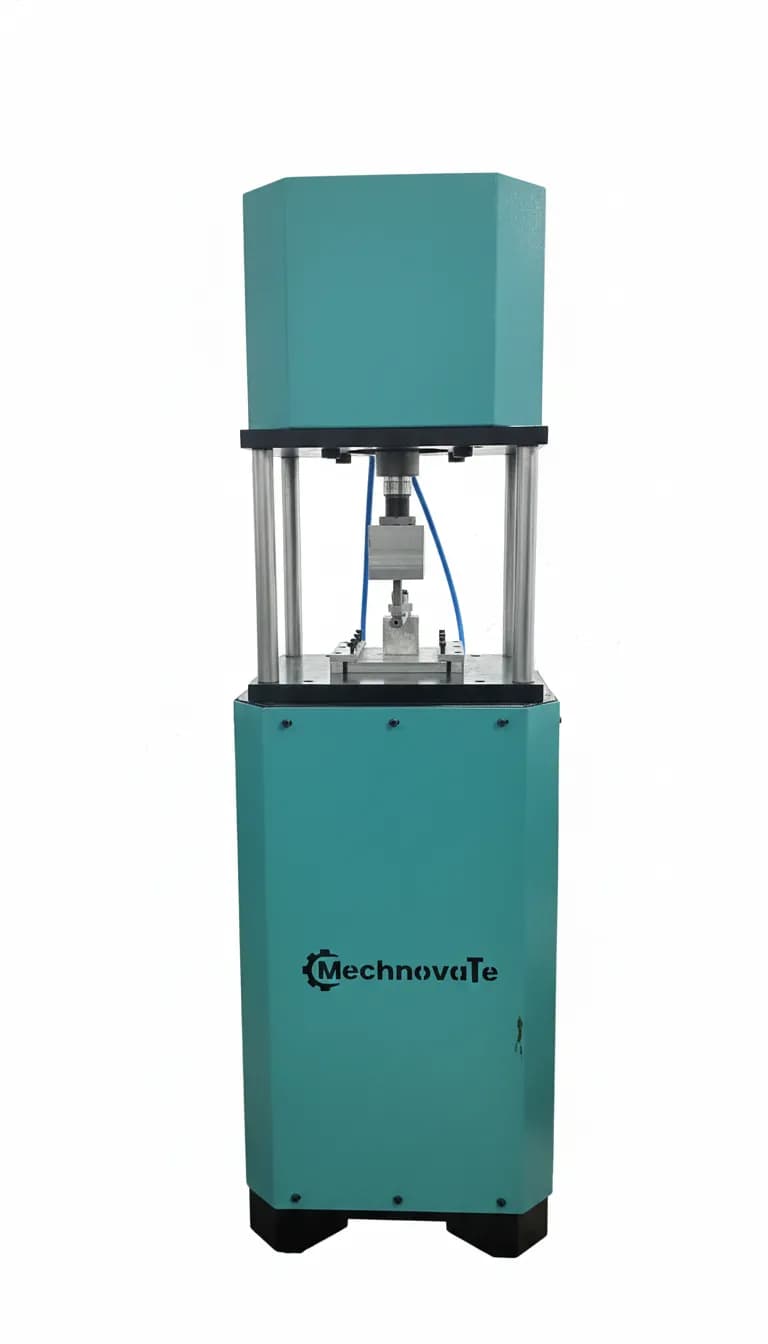
Optimizing Hardware Prep: Bangalore's Copy Router Revolution
The Hardware Preparation Bottleneck in Bangalore
Bangalore’s premium residential and commercial sectors demand high-performance window systems that meet strict thermal and acoustic ratings. If you are still relying on manual drilling or slow-speed milling for hardware slots, you are likely losing 15-20% of your production capacity to rework and slow cycle times. A copy router machine is no longer an optional luxury; it is the industry standard for precision engineering in high-volume aluminium fabrication. By switching to a high speed copy router for aluminium windows, fabricators are achieving slot precision within a +/- 0.1mm tolerance, which is impossible with handheld tools.
Case Study: Performance Metrics in a Peenya Workshop
In our Bangalore partner facility located in the Peenya industrial hub, we conducted a 6-week comparative test to quantify the impact of modernizing hardware prep. We compared a traditional manual drilling setup against a Mechnovate high-speed routing station. The results were immediate and measurable. Our metrics showed that we reduced cutting waste from 12% to 3% while increasing output by 40 frames per day.
Specifically, the manual process for a standard casement window lock-set took approximately 4.5 minutes. With the copy router machine, that time dropped to 72 seconds. Over a month, this saved the workshop 110 labor hours, allowing them to take on three additional high-rise projects simultaneously. This is the difference between surviving and thriving in the competitive Bangalore aluminium fabrication market.
Technical Engineering: Why Spindle Speed and Pressure Matter
From an engineering perspective, the efficiency of a copy router depends on the relationship between spindle RPM and profile wall thickness. Most standard aluminium profiles used in Bangalore (ranging from 1.2mm to 2.5mm thickness) require a spindle speed of at least 12,000 RPM to prevent the bit from 'grabbing' the metal and causing jagged edges or profile deformation. Higher-end window machinery features 1.5kW to 2.2kW motors that maintain consistent torque even under heavy loads.
Precision engineering also dictates the use of stable pneumatic clamping. We recommend a minimum of 6 to 8 bar pressure to ensure the profile remains immobile during the routing process. If you are comparing an aluminium cutting machine price or looking at a double head miter saw for aluminium profiles price, remember that the copy router is the 'finisher' that determines if your hardware actually fits.
Workflow Integration and Industry Standards
Integrating a copy router into your production line requires more than just plugging it in. To meet IS 1285 and BS EN 12020 standards for aluminium windows, the following workflow is recommended:
- Initial Cutting: Use a high-quality aluminum cutting machine or a 45 degree double head cutting machine for the main frame profiles.
- Punching: Utilize an aluminium punching machine for standard corner cleats and drainage holes.
- Copy Routing: Reserve the copy router for non-standard hardware, multi-point lock slots, and handle holes.
- Final Assembly: Ensure all chips are cleared via an integrated vacuum system to prevent scratching the powder-coated surface.
Whether you are a uPVC machinery manufacturer or a specialist in aluminum door manufacturing equipment, these steps ensure that your output meets international quality benchmarks. For those also handling uPVC, the same machine can often be adapted for uPVC window manufacturing machines with a simple change in bit speed and cooling lubricant.
Avoiding Common Fabrication Failures
In my 15+ years of workshop experience, I have seen several recurring mistakes that cost fabricators money:
- Ignoring Template Wear: The copy router uses a follower pin and a template. Even 0.5mm of wear on the template can result in loose locks that rattle. We recommend hardened steel templates for any run over 500 frames.
- Poor Lubrication: Cutting dry leads to 'built-up edge' (BUE) on the router bit. This increases heat, ruins the surface finish, and breaks expensive 8mm or 5mm bits. Always use a mist-spray cooling system.
- Incorrect Bit Selection: Many shops use generic bits to save money. High-performance aluminum fabrication requires solid carbide or HSS-E (Cobalt) bits specifically ground for the alloy grade being cut (typically 6063 T5 or T6).
ROI Analysis: Is the Investment Justified?
When evaluating an aluminium cutting machine price or a full upvc window machine price list, the ROI of a copy router is often the fastest. In the Bangalore market, where labor costs are rising and client expectations for 'German-quality' finishes are the norm, the cost of setting up a uPVC window manufacturing unit in India must include high-precision routing.
A mid-range copy router pays for itself in less than 8 months just through the reduction in rejected profiles and the ability to use complex multi-point locking systems that manual tools cannot handle. If you are an aluminum machinery manufacturer in Ahmedabad or a distributor in Chennai, providing these technical specifics to your clients is what builds long-term trust.
FAQ: Real-World Fabricator Questions
Q: Can I use the same copy router for aluminium and uPVC profiles? Yes, but with caveats. While the physical machine works for both, uPVC requires a different feed rate and often does not require the cooling lubricant used for aluminium. Ensure your machine has adjustable speeds to avoid melting the uPVC.
Q: How often should I calibrate the template-to-bit ratio? We recommend a weekly check. If the follower pin has any 'play' or if the bit has been sharpened (which slightly changes its diameter), the ratio will be off, leading to poorly fitted hardware.
Q: What is the primary cause of bit breakage in copy routers? Usually, it is a combination of insufficient clamping and improper entry angle. If the profile vibrates even slightly, the carbide bit—which is brittle—will shatter. Always ensure your pneumatic clamps are positioned as close to the routing zone as possible.
Q: Should I buy a single-spindle or triple-spindle machine? For most Bangalore workshops, a single-spindle high-speed copy router is sufficient for hardware slots. Triple-spindle machines are specialized for high-volume door handle holes and lock cylinders, effectively doing three operations in one plunge. It depends entirely on your daily frame count target.
By focusing on these technical nuances, Bangalore fabricators can ensure their workshop remains at the forefront of the industry, delivering the precision and durability that modern architecture demands.
Get more articles like this
Follow Mechnovate on Google to see our guides in Google Discover & News