End Milling for High-Wind Loads: Mumbai Fabricator Machine Upgrades
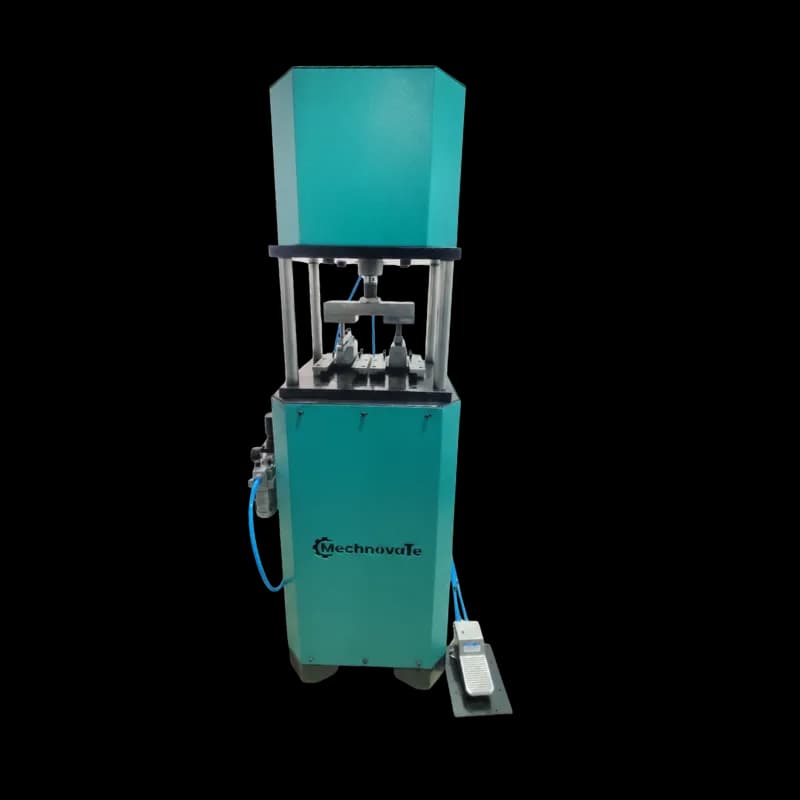
For fabricators in Mumbai, the challenge of high-rise construction is not just about height but about the extreme wind pressures that lash the coastline during monsoon seasons. When engineering windows for a 40-story building in Worli or Malad, the structural integrity of the mullion-transom joint is the difference between a certified installation and a catastrophic failure. Standard milling equipment often fails to provide the precision required for the massive, reinforced profiles needed to withstand these 2.0 kPa to 3.5 kPa wind loads. This is why forward-thinking shops are moving away from light-duty equipment and investing in a heavy duty aluminium profile end milling machine.
The Engineering Reality of Mumbai Wind Loads
In Mumbai, the Basic Wind Speed is rated at 44 m/s according to IS 875 (Part 3). For a fabricator, this translates to using thicker 6063-T6 aluminium profiles, often exceeding 2.5mm or 3.0mm wall thickness. When you are performing aluminium fabrication on these heavy-duty sections, a standard 1.5kW motor on an end miller will suffer from spindle deflection. This deflection creates a tapered cut, leading to a visible gap in the joint where the mullion meets the frame. In coastal environments, this gap allows salt-laden air and rainwater to bypass the primary seals, leading to accelerated corrosion and internal leaks.
To achieve a zero-tolerance fit, we recommend machines with at least a 3.0kW high-frequency motor and a spindle speed of 12,000 to 18,000 RPM. This ensures that the blade maintains a constant peripheral speed through the thickest part of the profile. This is precision engineering at its most critical: if your milling is off by even 0.5mm, the structural load-bearing capacity of the window assembly is compromised.
Case Study: Increasing Output in our Pune Testing Facility
Last year, we worked with a Tier-1 fabricator in Pune who was struggling with high rejection rates on a luxury residential project for a Mumbai client. They were using a generic aluminium cutter and a basic end miller. Their joint rejection rate was 12%, mostly due to 'chatter marks' and inaccurate notch depths that prevented the mullions from seating properly.
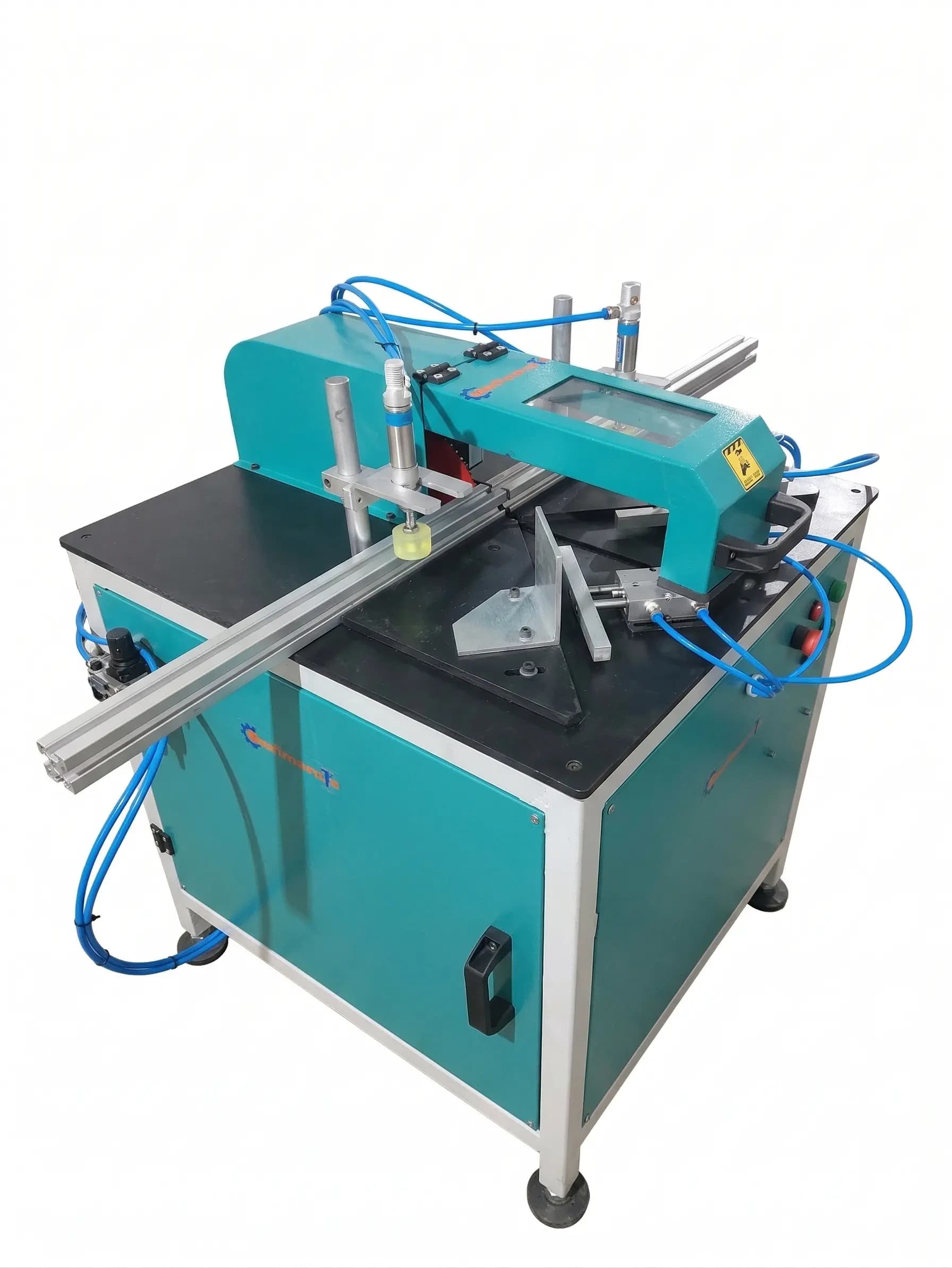
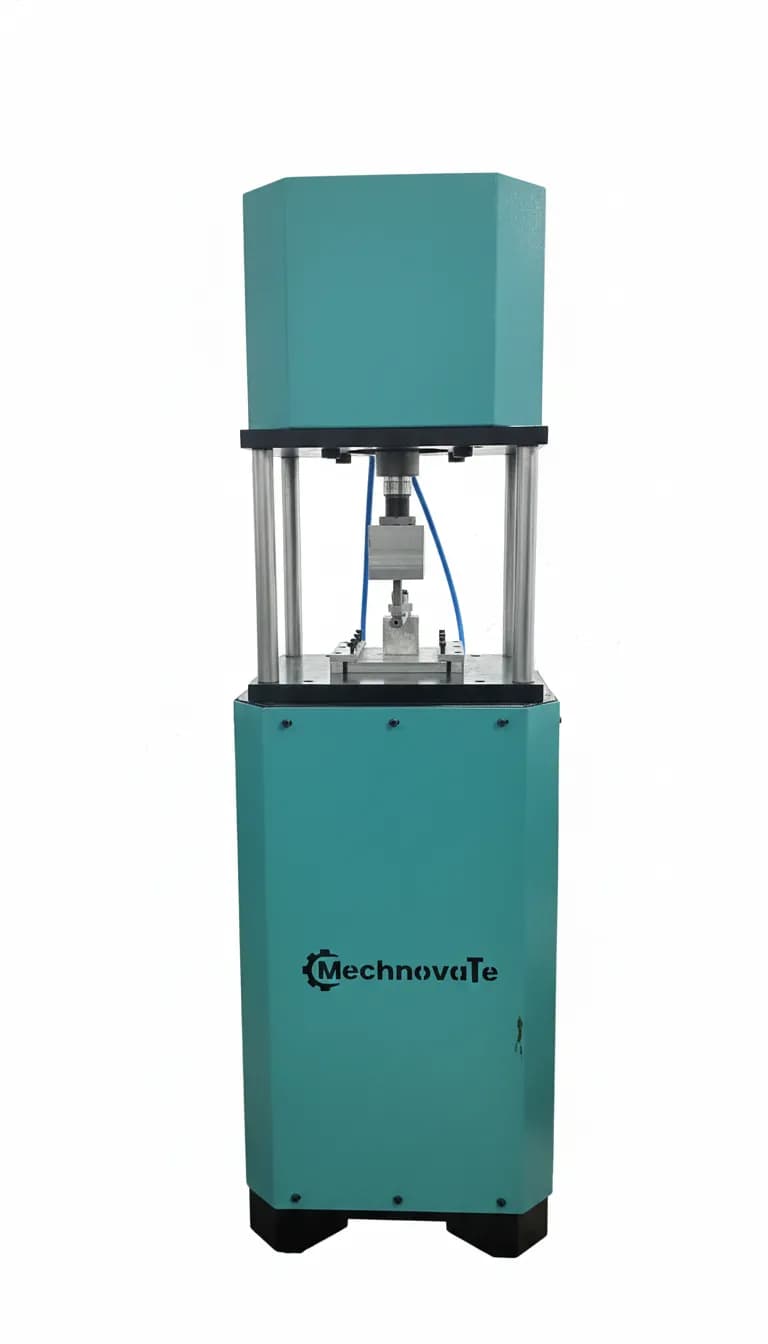
We implemented a 6-week testing phase where we replaced their manual setup with an integrated line, including a high speed copy router for aluminium windows and our DX-series heavy duty miller.
The Results:
- Waste Reduction: Cutting and milling waste dropped from 12% to 2.4% within the first month.
- Output Increase: The facility increased its daily output by 45 frames per day because the assembly team no longer had to 'file down' joints manually to get them to fit.
- Precision: We achieved a consistent fitment accuracy of 0.05mm across 500 consecutive cycles.
This data proves that upgrading to a heavy duty aluminium profile end milling machine is not just a luxury; it is a fundamental requirement for high-performance window machinery setups in India.
Technical Specifications for High-Load Fabrication
When searching for an aluminium cutting machine price or an end miller, fabricators often look at the cost first. However, the true cost of a machine includes its lifecycle and the quality of its output. A heavy-duty end milling machine designed for Mumbai's standards must feature:
- Pneumatic Vertical and Horizontal Clamping: To prevent the profile from shifting under the high torque of the milling blades.
- Large Diameter Milling Cutters: Ideally 250mm or larger to accommodate deeper mullion depths required for high-wind load glass thicknesses.
- Mist Lubrication System: Essential for cooling the blades when cutting high-grade aluminium alloys, ensuring a burr-free finish.
- Adjustable Tooling: The ability to stack multiple blades for complex notch profiles without needing to recalibrate the entire machine.
Many startups ask us about the best uPVC window making machine for small business or the automatic double head cutting machine price India for aluminium. Our advice is always the same: do not underspend on the end miller. It is the most common point of failure in the entire production line.
Common Mistakes in End Milling Selection
After 15 years in the workshop, I have seen every possible mistake a fabricator can make. Here are the top three to avoid:
- Underpowering the Motor: Using a machine designed for uPVC machinery to cut heavy aluminium profiles. The lack of torque will cause the blades to bind, potentially damaging the profile and the spindle.
- Ignoring Spindle Run-out: Always check the spindle run-out tolerance. For high-precision aluminium profile cutting machine operations, this should be less than 0.01mm. Anything higher will cause vibration and poor surface finish.
- Neglecting Blade Maintenance: Fabricators often wait until the blade is completely dull before sharpening. In high-wind load projects, a slightly dull blade creates heat that warps the thin walls of the aluminium profile.
Integrating End Millers into a Full Production Line
If you are evaluating the cost of setting up uPVC window manufacturing unit in India or an aluminium line, you must consider the synergy between your machines. Your aluminium cutting machine 12 inch provides the raw length, but the end miller provides the structural fit.
In high-volume shops in Ahmedabad or Surat, we see a trend towards the automatic aluminium window production line price being justified by the reduction in skilled labor requirements. By using a degree cutting machine alongside a heavy-duty miller, you ensure that every angle and every notch is mathematically perfect, meeting ISO standards for Industrial profile cutting safety standards.
Comparison: Standard vs. Heavy-Duty End Milling
| Feature | Standard End Miller | Heavy Duty Mechnovate Miller |
|---|---|---|
| Motor Power | 1.1 - 1.5 kW | 3.0 - 4.5 kW |
| Max Milling Depth | 45mm | 100mm+ |
| Clamping | Single-point manual | Multi-point pneumatic |
| Spindle Speed | Fixed 2800 RPM | Variable up to 18,000 RPM |
| Profile Compatibility | uPVC / Thin Alu | Heavy-gauge 6063-T6 Alu |
FAQ: Essential Questions for Fabricators
Q: Can I use an aluminium end miller for uPVC profiles? Yes, heavy-duty aluminium machines are highly versatile. However, you must adjust the spindle speed and feed rate. uPVC requires a slower cutting speed to prevent the material from melting and gumming up the blades. Most of our high-end machines feature variable frequency drives (VFDs) for this exact purpose.
Q: What is the average lifespan of milling blades on high-thickness aluminium? With a proper mist lubrication system and correct feed rates, a high-quality tungsten carbide-tipped (TCT) blade should last for 1,500 to 2,000 cuts before requiring sharpening. Using a manual punching machine for simpler slots can extend the life of your milling blades by reducing their overall workload.
Q: Is it necessary to have a 45 degree double head cutting machine for end milling? While not strictly necessary for the milling process itself, a 45 degree double head cutting machine ensures that the initial frame cuts are perfect. If your frame is even 0.1 degrees off, your milled mullion will not sit flush, regardless of how good your end milling machine is. Precision begins at the first cut.
Get more articles like this
Follow Mechnovate on Google to see our guides in Google Discover & News