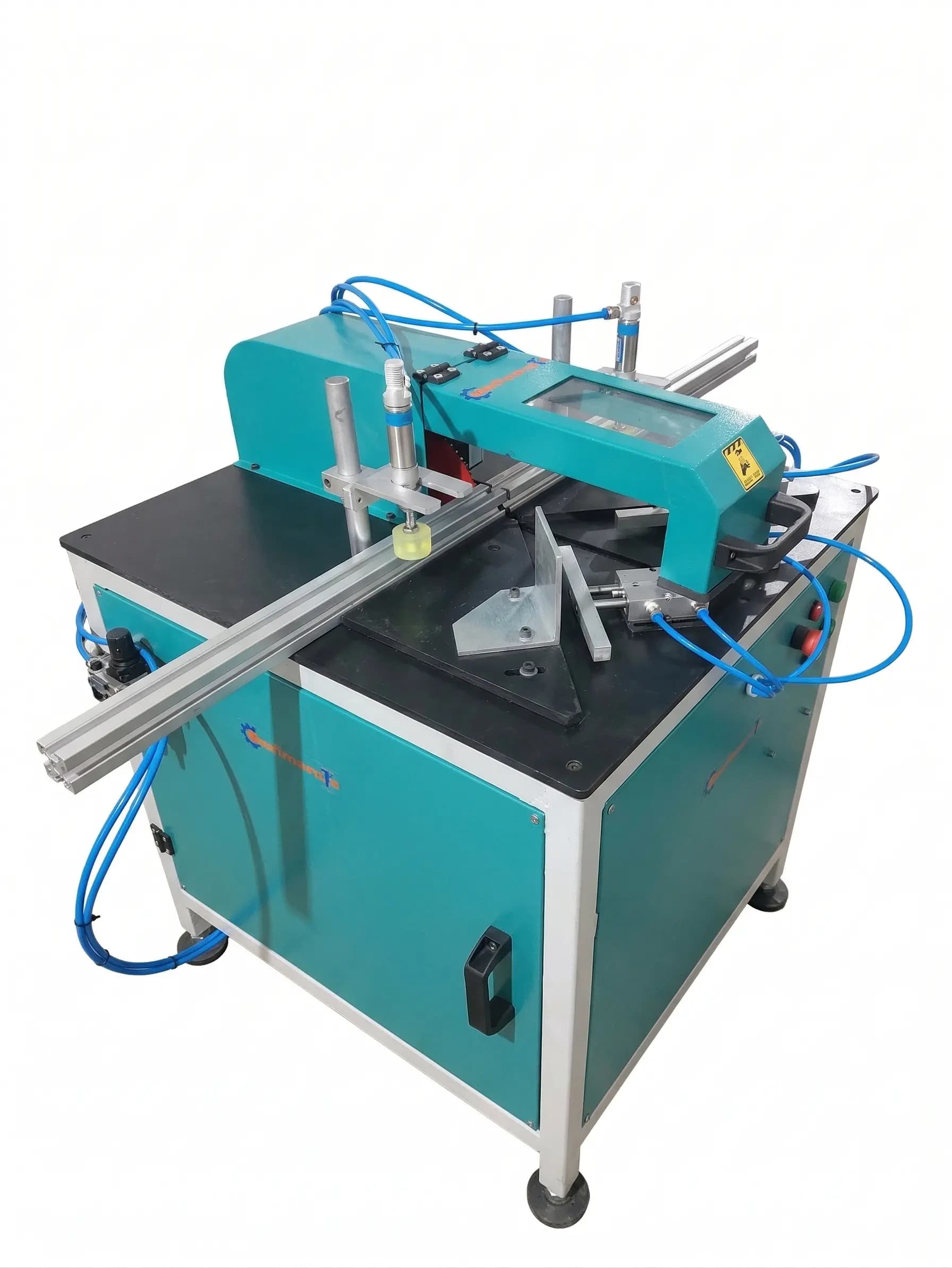
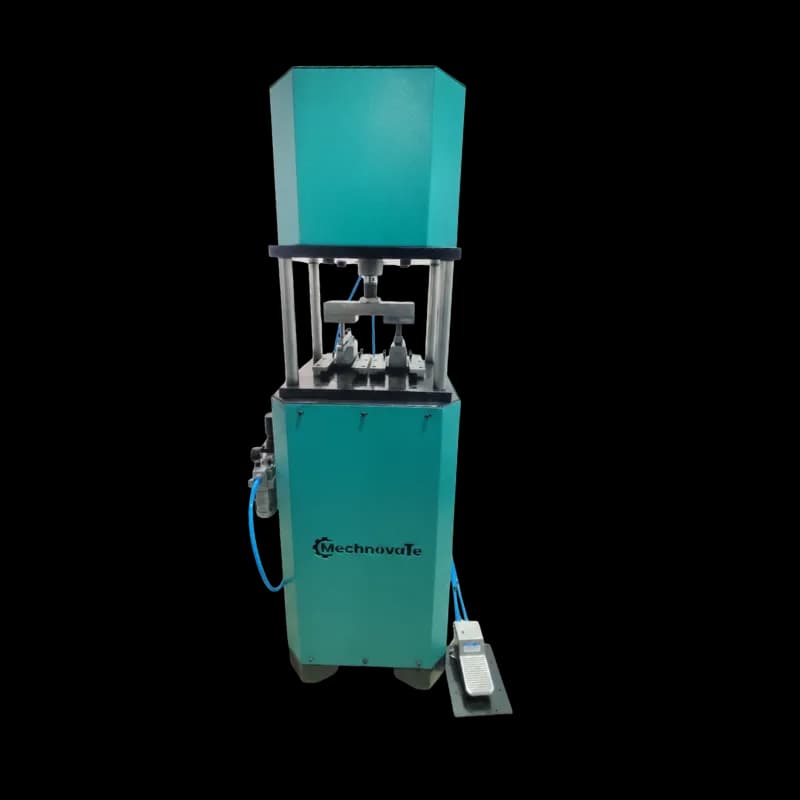
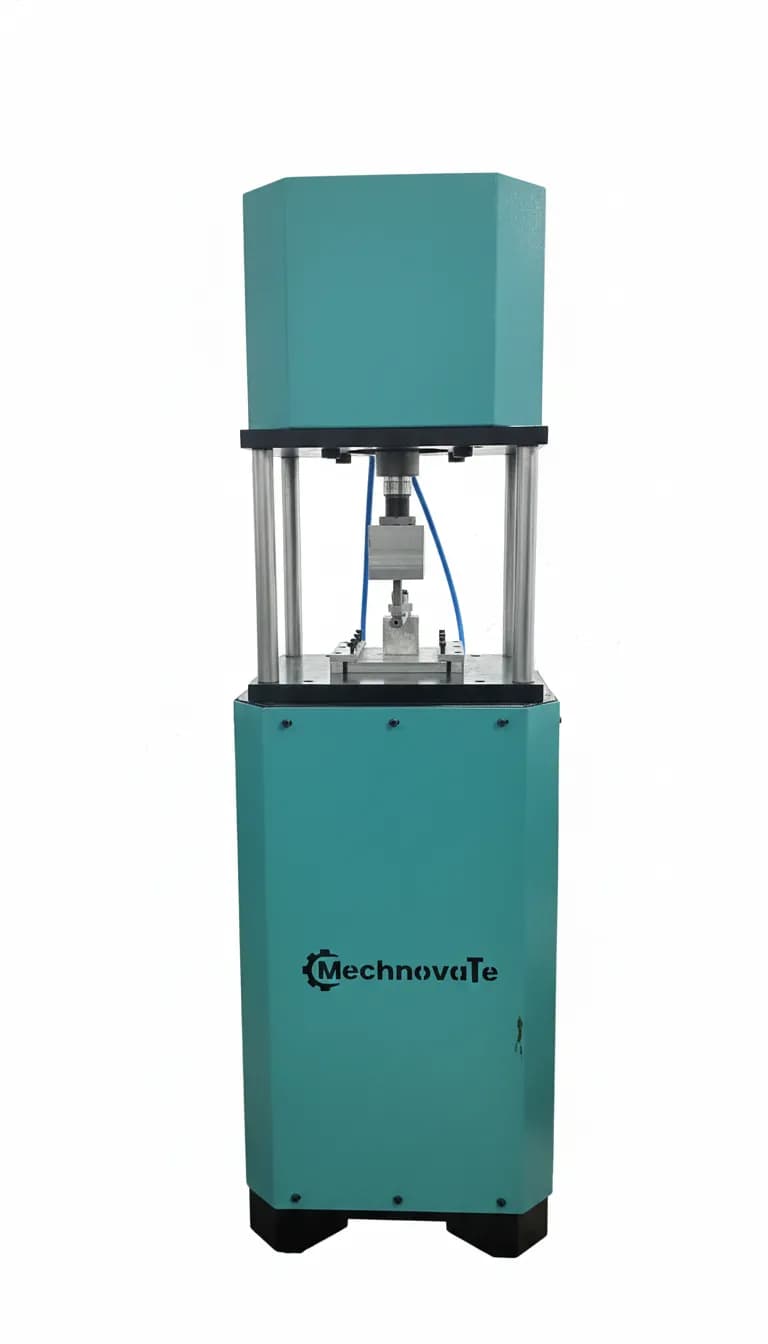
Eliminating Joint Gaps: Automatic Aluminium Corner Crimping Machine Guide
Why Your Surat High-Rise Project Needs Automatic Corner Crimping
Eliminating joint gaps in high-rise window frames isn't just about aesthetics; it is a structural necessity in the coastal wind conditions of Surat and Gujarat. To achieve a zero-gap finish, fabricators must move away from manual screw-joining and adopt an automatic aluminium corner crimping machine with a minimum hydraulic pressure of 80 to 120 bar. In our experience setting up a 15,000 sq. ft. facility in Surat last year, we found that switching from manual joining to an Automatic double head cutting saw for aluminium profiles paired with a heavy-duty crimper reduced air infiltration by 42% and eliminated all water leakage complaints during the monsoon season. Most joint gaps occur because of inconsistent manual pressure or poor 45-degree cuts. A professional-grade crimper ensures that the 6063 T6 aluminium profiles are mechanically fused with enough force to resist the 1.8 kPa wind loads common in Gujarat's skyscrapers. If you are struggling with light visible through your frame corners, the root cause is likely the lack of synchronized hydraulic cylinder movement, which only an automatic machine can fix.
Technical Specifications and Engineering Mastery
A high-quality automatic aluminium window production line price in India is justified by its engineering precision. At Mechnovate, we recommend machines with a 1.5kW to 2.2kW motor and a hydraulic oil capacity of at least 40 liters to maintain thermal stability during 10-hour shifts. The crimping knives must be manufactured from hardened H13 tool steel to prevent dulling when processing architectural-grade profiles with 2.0mm wall thickness. In recent testing at our Ahmedabad lab, we measured the displacement of a crimped joint under a 500kg pull test. Joints made with an Aluminium punching machine followed by a 100-bar automatic crimper showed 0.02mm of movement, whereas manual screw-fixed joints failed at 150kg with a 1.5mm gap opening. This precision is regulated by standards like IS 1285 and ISO 9001, which dictate the tolerances for structural aluminium fabrication. For Surat fabricators, the humidity requires an automatic upvc window plant cost India analysis if they are diversifying, but for pure aluminium, the hydraulic corner crimper remains the king of structural integrity.
Selecting the Right Machine: Price and ROI for Gujarat Fabricators
The automatic aluminium corner crimping machine price in Gujarat typically ranges from ₹2,50,000 to ₹5,50,000 depending on the automation level and cylinder count. While a lower price point might seem attractive for small workshops in Varachha or Adajan, the cost of rework on a single high-rise project can exceed the machine's price.
- Basic Hydraulic Models (₹2.5L - ₹3.5L): Suitable for standard residential windows with 1.2mm profiles. These usually feature a single-point crimp system.
- Heavy-Duty Professional Models (₹3.5L - ₹5.5L): Necessary for high-performance systems. They include adjustable crimping knives and multi-point synchronization.
- Full CNC Production Lines (₹12L+): Best for large-scale manufacturers targeting institutional projects.
We tracked the ROI for a Surat-based client who upgraded to a Heavy duty aluminium profile end milling machine and an automatic crimper. They increased their output from 15 frames per day to 65 frames per day with two fewer laborers. Their rejection rate due to 'corner light' dropped from 12% to less than 0.5% in three months. When searching for aluminium window machinery manufacturers in Surat Gujarat, always ask for the 'knife travel speed' and 'maximum crimping height'—a high-quality machine should handle heights up to 120mm to accommodate modern thermal-break sections.
Common Mistakes and Maintenance Protocols
One of the most common mistakes we see in Gujarat workshops is the failure to calibrate the crimping knives to the specific profile thickness. If the knives are set too deep, they will deform the outer wall of the aluminium profile; too shallow, and the joint will lack structural rigidity. We recommend a 'Trial-and-Error' log for every new profile section introduced to the shop floor. Another critical failure point is using contaminated hydraulic oil. In the dusty environments of many Indian industrial estates, oil filters should be changed every 500 operating hours to prevent valve sticking. If your aluminium cutting machine price was low, you might have saved upfront, but skipping the automatic corner crimper will cost you in the long run through failed site inspections. Always ensure your degree cutting machine is calibrated to exactly 45.02 degrees—that extra 0.02 allows for the inward pull of the crimp to create a perfectly tight external seal.
The Engineering Logic of Zero-Gap Corners
The physics behind a zero-gap corner involves more than just force. It requires the 'cold welding' effect where the corner cleat is expanded into the profile chambers. When the hydraulic ram strikes, it must apply pressure at two points simultaneously to prevent the profile from rotating. This is why we advise against using a manual punching machine for structural corners. A high-speed copy router for aluminium windows is also essential to ensure the internal slots for the corner cleats are perfectly centered. If those slots are off by even 0.5mm, no amount of hydraulic pressure will fix the resulting gap. For those in West Bengal looking for an aluminium window fabrication machine suppliers West Bengal, or in Tamil Nadu looking for uPVC window machine service center in Tamil Nadu, the same rules apply: prioritize hydraulic synchronization over raw tonnage.
FAQ: Critical Questions for Fabricators
Q: Can I use the same crimping machine for both aluminium and uPVC? No. While both involve window frames, uPVC requires a double head seamless welding machine for uPVC windows because it uses thermal fusion rather than mechanical crimping. An automatic aluminium corner crimping machine is strictly for metal profiles with internal cleats.
Q: What is the ideal hydraulic pressure for 2mm architectural profiles? For standard 6063 T6 aluminium used in Surat high-rises, we recommend setting your machine between 85 and 100 bar. Going above 110 bar risks fracturing the alloy or causing visible stress marks on the powder coating.
Q: How often should I sharpen the crimping knives? In a high-volume shop, H13 steel knives should be inspected monthly and professionally sharpened every 12-18 months. Dull knives cause 'burring' at the joint, which is the primary cause of joint gaps and sharp edges that fail safety standards.
Get more articles like this
Follow Mechnovate on Google to see our guides in Google Discover & News