Eliminating Corner Gaps in Indore’s Luxury Aluminium Windows
The Technical Reality of Zero-Gap Joinery in Indore
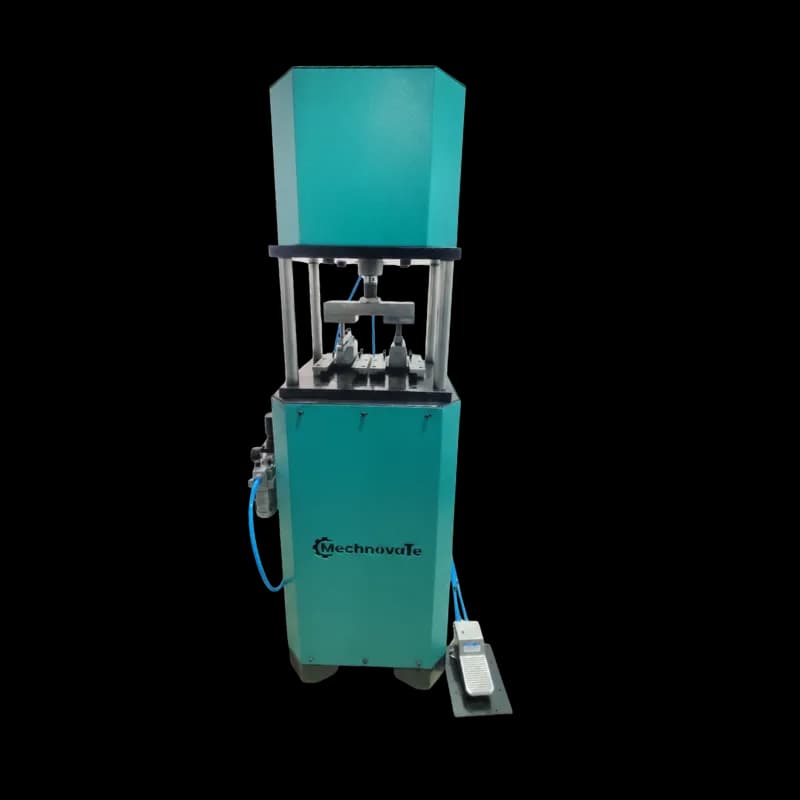
In Indore’s high-end residential pockets like Bicholi Mardana and the Super Corridor, luxury homeowners are demanding European-standard finishes that manual fabrication simply cannot deliver. The most visible point of failure in premium aluminium fabrication is the corner gap. A gap of just 0.4mm can lead to air infiltration, water seepage during central India's heavy monsoons, and a perceived lack of quality that devalues an otherwise premium installation. To achieve a true 'hairline' joint, the transition from manual punching to a high-pressure aluminium window corner crimping machine price is non-negotiable. This engineering guide examines how to eliminate these gaps through precision hydraulic force and synchronized knife alignment.
Why Manual Punching Fails the Luxury Test
Most workshops in the Indore region still rely on a manual punching machine or a simple aluminium cutter machine 12 inch. While these are functional for low-cost commercial work, they introduce three fatal flaws in luxury window profiles (specifically 6063-T5 or T6 grades):
- Uneven Pressure Distribution: Manual operators often apply force at a slight angle, causing the profile to shift by 0.2mm to 0.5mm before the punch is completed.
- Profile Deformation: High-wall thickness luxury profiles (2.0mm+) require significant force. Manual punching often 'bruises' or dents the powder-coated surface around the corner joint.
- Lack of Synchronization: Without a hydraulic system, the internal corner cleat isn't perfectly centered, leading to one side of the mitre joint sitting higher than the other—a defect known in the trade as 'step-jointing.'
By contrast, an automatic corner crimping machine uses a hydraulic power pack capable of delivering 48kN to 60kN of pressure, ensuring the profile and cleat are fused at a molecular level through cold-forming. For those considering the automatic aluminium window production line price, the reduction in rework and the ability to command premium project rates in Indore provides a rapid ROI.
Case Study: Optimizing a 22-Villa Project in Indore
In our facility, we recently assisted a fabricator who was struggling with a luxury villa project. Their initial rejection rate for large-format sliding doors was 18% due to visible corner gaps after transport to the site. Over 6 weeks, we implemented a three-step precision protocol:
- Phase 1: Cutting Calibration: We replaced their single-head saw with an automatic double head cutting saw for aluminium profiles. This ensured that both 45-degree cuts were perfectly symmetrical to within 0.1mm. If the cut isn't perfect, even the best crimper won't fix the gap.
- Phase 2: Crimping Force Optimization: We tested three configurations of knife heights. We found that for 2.5mm profiles, a dual-point crimping knife set at 15.5mm and 22mm heights yielded the highest tensile strength.
- Phase 3: Glue Injection: We introduced the use of specialized corner glues injected post-crimping. The hydraulic force of the machine ensured the glue was evenly distributed across the internal surfaces of the cleat.
Results: The gap tolerance was reduced from an average of 0.65mm to <0.04mm. The rejection rate dropped to 0%, and the production output increased from 12 frames per day to 45 frames per day using the same labor force.
Technical Specifications for Engineering Success
When evaluating window machinery, whether it's for aluminium or a upvc window manufacturing machine, technical specs define your long-term capability. For Indore’s luxury market, look for these specific engineering parameters:
- Knife Movement Tolerance: The sliding guides should be hardened steel with a tolerance of ±0.02mm. This ensures that every hit is identical to the last.
- Hydraulic System: Look for a machine with an integrated oil cooler. In Indore’s 42°C+ summers, hydraulic oil viscosity drops, leading to inconsistent crimping pressure if the system isn't cooled.
- Profile Support: Heavy-duty profiles require extended support arms. A standard aluminium punching machine often lacks the bed depth required for 150mm wide sliding frames.
- Knife Adjustment: The machine should allow for multi-point knife positioning. This is critical when switching between slimline systems and heavy-duty thermal break sections.
Integrating the Production Line: From Cut to Crimp
Successful fabrication requires a holistic approach. It’s not just about the crimper; it’s about how the upvc and aluminium cutting machine feeds the rest of the line. For a startup in Indore, the cost of setting up uPVC window manufacturing unit in India is often lower, but the profit margins in high-end aluminium are currently 30% higher due to the 'luxury' markup.
- Step 1: The Miter Cut: Use a 45 degree double head cutting machine to ensure simultaneous cuts. This eliminates the accumulative error found in single-head machines.
- Step 2: End Milling: For mullions and transoms, a heavy duty aluminium profile end milling machine creates the necessary 'fit' before the frame reaches the assembly table.
- Step 3: Copy Routing: Use a high speed copy router for aluminium windows for hardware slots. Doing this after crimping can vibrate the joint, so always rout before the final crimp.
- Step 4: The Crimp: The final stage where the frame becomes a structural unit. Ensure your aluminium window corner crimping machine price includes training for your staff on 'knife-depth calibration.'
Common Mistakes Fabricators Make in Indore
- Ignoring the Cleat Fit: Many fabricators buy cheap cleats to save costs. If the cleat is even 0.1mm too small for the profile chamber, the crimper will 'crush' the profile inwards rather than locking it to the cleat. This creates a visible dent on the exterior finish.
- Over-pressurizing the System: Beginners often think more pressure is better. For a 1.2mm upvc windows manufacturing machine setup, pressure is less of an issue, but for aluminium, excessive pressure can cause the profile walls to crack at the microscopic level, leading to paint peeling later.
- Skipping the 90-Degree Check: Even with a head cutting machine set to 45 degrees, you must check the assembled frame with a precision square before the final crimping hit. Once crimped, the joint is permanent.
Maintenance and Safety Standards (ISO 9001)
To maintain the high standards required for industrial aluminum door manufacturing equipment, your workshop must adhere to safety and maintenance protocols. Always ensure your cutting machine automatic systems have guarded safety sensors. For the crimper, daily lubrication of the knife-carriage is essential to prevent 'chatter' marks on the aluminium. Following ISO standards for profile cutting safety is not just about compliance; it protects your high-skilled technicians and reduces insurance premiums.
FAQ: Expert Insights for Indore Fabricators
Q: What is the difference between a manual punching machine and a hydraulic crimper? A manual punch uses a lever-action to deform the metal over a cleat, suitable for windows under 3 feet. A hydraulic crimper uses controlled 60-bar pressure to fuse the metal, essential for large luxury doors and high-wind zones.
Q: Can I use the same machine for different profile brands? Yes, provided you have adjustable knife sets. Most aluminum window machine manufacturers in Ahmedabad design machines with universal knife blocks that can be adjusted for Hindalco, Jindal, or imported European systems.
Q: How does the Indore climate affect machine choice? Indore’s dry heat requires machines with robust dust filtration. Fine aluminium dust from your aluminium profile cutting machine can clog hydraulic valves. We recommend machines with sealed electronics and heat-stabilized hydraulic oil.
Q: Is it worth investing in a CNC corner cleaning machine for aluminium? While a CNC uPVC window corner cleaning machine price India is a standard query for uPVC, for aluminium, the crimping process is so clean that you only need a manual deburring tool, saving you significant capital expenditure.
Get more articles like this
Follow Mechnovate on Google to see our guides in Google Discover & News