CNC uPVC Corner Cleaning Machine Price & ROI: Delhi Guide
Achieving Zero-Defect Finishing in the Delhi NCR Luxury Window Market
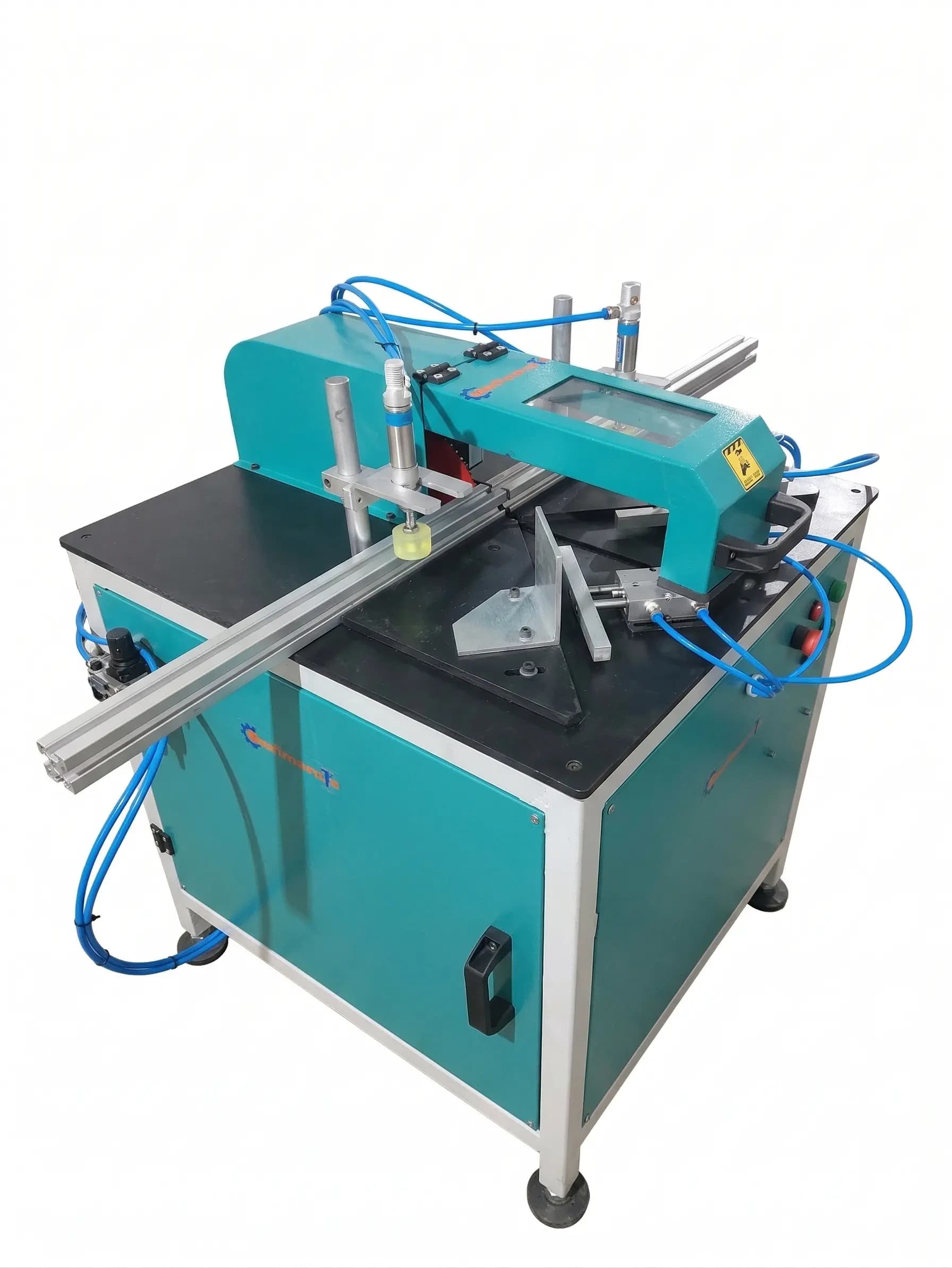
In Delhi’s high-stakes luxury real estate market, from Vasant Vihar to DLF Phase 5, the margin for error in window fabrication is non-existent. Architects and HNIs no longer accept the visible burrs or manual scraping marks common with entry-level fabrication. To compete, a CNC uPVC window corner cleaning machine is no longer a luxury—it is a baseline requirement. A standard 2-axis CNC corner cleaning machine typically ranges from ₹4,50,000 to ₹7,50,000, while high-speed 4-axis configurations for high-volume plants can exceed ₹14,00,000.
For a fabricator processing 40 to 60 frames per shift, the ROI is generally achieved within 14 months. This is driven by a 70% reduction in post-welding finishing time and the total elimination of rework due to profile surface damage. When you integrate a precision CNC uPVC Window Corner Cleaning Machine, you are not just buying a tool; you are automating the most critical aesthetic touchpoint of the product. This article breaks down the technical specifics, real-world ROI data from our Delhi-based installations, and the engineering pitfalls to avoid.
The Okhla Case Study: Transitioning from Manual to CNC Automation
Last year, we worked with a Tier-2 fabricator in Okhla Phase III who was struggling with a 12% rejection rate on their white and wood-grain laminated profiles. Their manual cleaning process involved chisels and handheld buffers, which frequently gouged the foil or left uneven grooves. Over a 6-week implementation period, we swapped their manual line for an integrated setup including a uPVC Window Welding Machine and a 2-axis CNC cleaner.
The Measurable Results:
- Cycle Time Reduction: Manual cleaning took 4-5 minutes per frame; the CNC reduced this to 25-35 seconds per corner.
- Labor Savings: Reassigned two skilled finishers to the glass-fitting station, increasing overall throughput by 35%.
- Accuracy: Achieved a consistent 0.2mm cleaning depth tolerance, essential for the tight seals required in Delhi’s dust-heavy environment.
- Waste Mitigation: Scrapped profile costs dropped from ₹45,000/month to nearly zero within the first 30 days.
Technical Mastery: Specifications That Determine the Machine Price
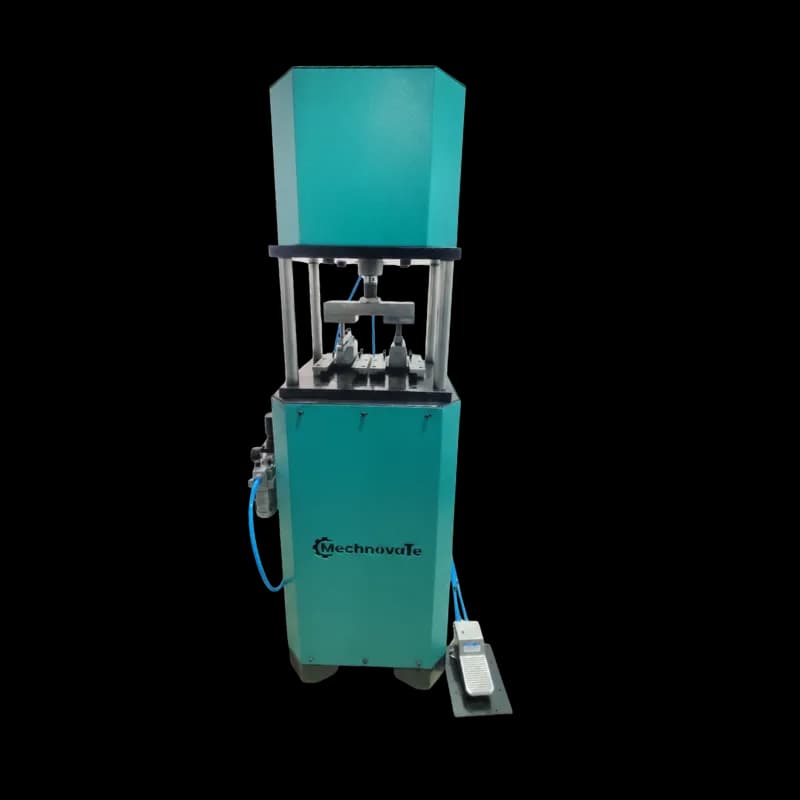
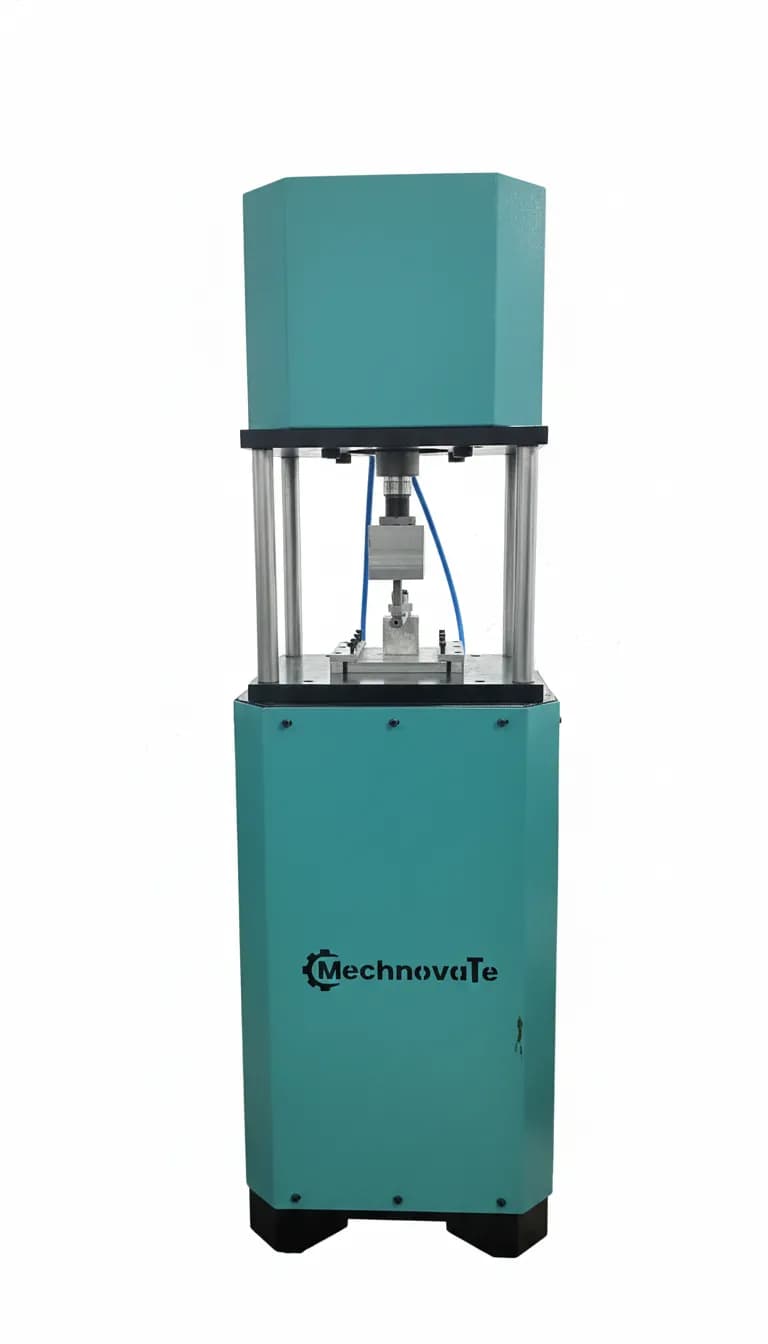
When evaluating the CNC uPVC window corner cleaning machine price India market, you must look beyond the sticker price and analyze the engineering components. Cheap machines often use underpowered stepper motors and generic PLC controllers that lose calibration within months. For professional-grade uPVC window manufacturing machines, look for these minimum specifications:
- Control System: High-speed industrial PLC (Programmable Logic Controller) with an HMI touchscreen for profile program storage.
- Servo Drive Precision: 2-axis or 3-axis systems using high-torque servomotors. This ensures the cleaning knives follow the exact contour of the weld bead without skipping.
- Blade & Tooling: 3 to 5 distinct cleaning tools (vertical cutter, horizontal cutter, and specialized knives for top/bottom surfaces).
- Operating Pressure: Consistent 6 to 8 bar air pressure with an integrated FRL (Filter-Regulator-Lubricator) unit to protect pneumatic valves from Delhi’s ambient humidity.
- Spindle Speed: High-frequency spindles operating at 2,800 to 3,200 RPM for clean, burr-free cuts on multi-chambered profiles.
Calculating the ROI: Cost of Setting Up a uPVC Window Manufacturing Unit in India
Many startups ask about the cost of setting up uPVC window manufacturing unit in India. While a basic manual setup might start at ₹8-10 lakhs, a semi-automatic line capable of serving the luxury market—inclusive of an Automatic Double Head Cutting Saw and CNC cleaning—starts closer to ₹18-25 lakhs.
- Labor Cost Savings: In Delhi, a skilled fabricator costs roughly ₹22,000–₹28,000/month. A CNC machine replaces the output of three manual cleaners.
- Material Optimization: Precision engineering ensures that expensive laminated foils (Golden Oak, Walnut) are never damaged during the cleaning process. This saves approximately ₹15,000–₹20,000 per month in material loss for a medium-scale unit.
- Market Premium: Fabricators using CNC finishing can command a 15-20% price premium per square foot by marketing "European Standard Finish" to architects.
Common Engineering Mistakes and What to Watch Out For
As a senior engineer, I often see fabricators make the mistake of buying a machine with a generic program that doesn't account for the specific profile geometries of brands like Veka, Rehau, or Deceuninck. If the machine's software isn't flexible, you will end up with "over-cleaning" (cutting into the profile) or "under-cleaning" (leaving weld residue).
- Inadequate Air Supply: Never run a CNC cleaner on a shared, undersized compressor. Pressure drops during a cycle cause the servo to stutter, ruining the corner. Use a dedicated 5HP or 7.5HP compressor for the CNC station.
- Ignoring the Knife Sharpening Cycle: Standard HSS (High-Speed Steel) knives require sharpening every 5,000–8,000 cycles. Dull knives cause "plastic melting" rather than clean cutting.
- Ignoring Safety Standards: Ensure the machine adheres to Industrial profile cutting safety standards ISO standards. Emergency stop buttons and enclosed cabinets are non-negotiable for operator safety.
FAQ: Questions Delhi Fabricators Ask Us
Q1: Can one CNC machine handle both white and laminated profiles? Yes. However, the program parameters must be adjusted. Laminated profiles require a shallower cleaning depth to avoid exposing the white base material beneath the foil. Our machines come with pre-set modes for both.
Q2: Is a 4-axis machine worth the extra price over a 2-axis model? A 4-axis machine is only necessary if you are running a fully automated line with over 100 windows per day. For most mid-sized uPVC windows manufacturing machine setups in Delhi/NCR, a high-quality 2-axis machine offers the best balance of cost and precision.
Q3: What is the maintenance schedule for a CNC corner cleaner? Daily: Clean dust from the guide rails. Weekly: Check the FRL oil levels and pneumatic connections. Monthly: Recalibrate the servo home positions to ensure continued 0.2mm accuracy. Most uPVC window machine service centers in India can provide an annual AMC for these tasks.
Get more articles like this
Follow Mechnovate on Google to see our guides in Google Discover & News