sales@mechnovate.co.in
+91-9265699061
Back to Blog
6/30/2026

Top Benefits of Aluminium Cutting Machines
Top Benefits of Aluminium Cutting Machines

Aluminium has rapidly become one of the most sought-after materials in modern manufacturing, construction, and bespoke fabrication. Prized for its lightweight nature, impressive strength-to-weight ratio, and resistance to corrosion, it is used in everything from sleek architectural window frames to aerospace components. However, working with this versatile metal requires finesse and the right tooling. If you are setting up a workshop or upgrading your current fabrication line, you might be weighing up the advantages of investing in a dedicated aluminium cutting machine against the initial aluminium cutter price. While a general-purpose metal cutting machine might seem like a versatile choice, specialised aluminium cutters offer unparalleled benefits that can dramatically elevate the quality of your output. In this comprehensive guide, we will explore the core advantages of using dedicated aluminium cutting equipment, what drives the costs, and how to choose the perfect machine for your specific needs.

Why Choose a Dedicated Aluminium Cutting Machine? Aluminium is a non-ferrous metal. Unlike steel or iron, it is relatively soft and has a lower melting point. This means that if you cut it using the wrong speed or blade, the metal can become "gummy," melting and adhering to the saw teeth. A purpose-built aluminium cutter is engineered specifically to tackle these unique properties.

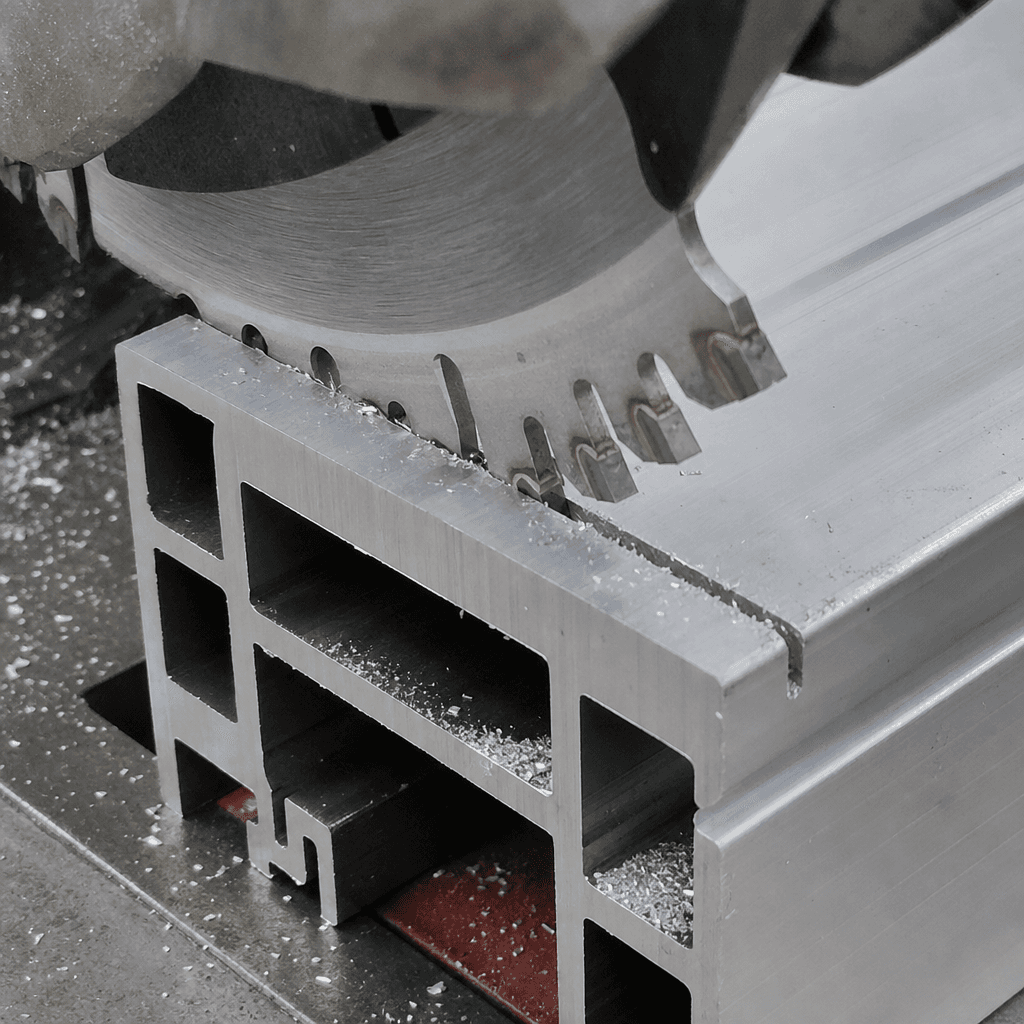
  1. Superior Precision and Flawless Finishes When manufacturing products like window frames, doors, or structural extrusions, accuracy is paramount. A high-quality profile cutting machine ensures that every cut is exact. By pairing these machines with carbide-tipped blades for burr-free finishes, fabricators can eliminate the need for time-consuming secondary operations like deburring or filing. Furthermore, for high-end construction projects, precision mitering for architectural aluminium is non-negotiable. Dedicated machines feature rigid bases and exact angle adjustments, ensuring that corner joints meet seamlessly without any unsightly gaps.
  2. Exceptional Versatility Across Materials One of the greatest advantages of an aluminium cutting setup is its crossover utility. Many workshops discover that their aluminium saws double exceptionally well as a upvc machine. Because both aluminium and unplasticised polyvinyl chloride (UPVC) require high-speed, clean cuts, a single profile cutting machine can often handle both materials. When you factor this dual functionality into your budget, the upvc machine price is effectively absorbed into your aluminium cutter investment, offering an exceptional return on investment for window and door fabricators.
  3. Increased Throughput and Efficiency Time is money in any fabrication environment. For industrial settings handling large volumes of material, heavy-duty pneumatic aluminium cutters are a game-changer. These machines utilise compressed air to automate the clamping and sometimes the feeding of the material, keeping the operator safe whilst drastically speeding up the cutting cycle. Understanding the Aluminium Cutter Price For many business owners and hobbyists alike, the aluminium cutter price is the ultimate deciding factor. But what exactly are you paying for? The cost of high-precision aluminium saws varies wildly, from a few hundred pounds for basic models to tens of thousands for fully automated, multi-axis CNC setups. To make an informed purchasing decision, it is helpful to understand the factors affecting metal fabrication equipment expenses: Build Quality and Rigidity: Heavier machines with cast-iron bases absorb vibration better than lightweight models, leading to cleaner cuts. Motor Specifications: Selecting the right motor power for metal cutting is vital. A robust 3-phase motor will maintain consistent RPMs under heavy loads without stalling, whereas a cheaper motor might struggle with thicker extrusions. Automation Levels: Manual pull-down saws are vastly cheaper than semi-automatic or fully automatic pneumatic machines. Cooling Systems: Heat is the enemy of aluminium fabrication. Machines equipped with integrated cooling systems for heavy-duty saws naturally command a higher premium but will save you money by extending blade life and preventing material damage.

Finding the Right Fit: From Beginners to Professionals Whether you are a weekend warrior or a factory manager, categorising your needs will help you avoid overspending or under-equipping your workshop. Budget-Friendly Options for Start-Ups If you are just starting out, there is no need to mortgage your house for equipment. There are plenty of budget-friendly aluminium cutting tools for beginners available on the market. These are typically manual mitre saws equipped with aluminium-specific blades. While they may lack pneumatic clamping, they provide an excellent entry point into non-ferrous metal fabrication. On-Site Flexibility For contractors who install shopfronts or architectural glazing, taking the material back to the workshop for every adjustment is highly inefficient. Here, portable aluminium profile cutting machines shine. These compact, relatively lightweight units can be transported in the back of a van, allowing for precise adjustments directly on the job site. Evaluating Entry-Level vs Professional Models When comparing entry-level vs professional grade metal saws, the differences lie in duty cycles and longevity. Entry-level saws are perfect for intermittent use. However, if your machine needs to run for eight hours a day, investing in a professional-grade saw with heavy-duty bearings, advanced safety guards, and robust motor housing is essential to prevent premature breakdowns. Selecting the Right Saw and Blade A common query amongst fabricators—frequently searched as "circular saw vs miter saw for non-ferrous metals"—highlights the importance of choosing the correct tool geometry. Circular Saws: Best suited for cutting flat aluminium sheets or plates. They provide long, straight cuts but can be difficult to use for precise angles on extrusions. Mitre Saws (Chop Saws): The absolute best choice for aluminium profiles, tubes, and extrusions. They allow for rapid, repeatable angle cuts. The Importance of Tooling Even the most expensive machine will perform poorly with the wrong blade. Many novices wonder about the average lifespan of high-speed steel blades (HSS). While HSS blades are affordable, their lifespan is notably short when cutting aluminium, as the teeth dull quickly and are prone to heat build-up. Instead, industry experts strongly recommend TCT saw blades for industrial use. Tungsten Carbide Tipped (TCT) blades with a negative rake angle prevent the saw from aggressively grabbing the soft aluminium. This results in a safer cutting experience and a flawlessly smooth finish.

Maximising Performance: Maintenance and Care To ensure your machine continues to provide exceptional cuts and to protect your financial investment, proper upkeep is non-negotiable. Following a stringent maintenance guide for metal cutting saws will extend the life of your equipment by years. Here are a few actionable maintenance tips for your aluminium cutting machine: Master Lubrication: Knowing how to prevent blade overheating when cutting metal is perhaps the single most important skill in aluminium fabrication. Always use a misting system, cutting wax, or specialised cutting fluid. This prevents the aluminium from melting and sticking to the blade (a phenomenon known as galling). Clear the Swarf: Aluminium chips (swarf) can easily find their way into the moving parts, pivot points, and pneumatic clamps of your machine. Vacuum or blow down the machine at the end of every working day. Check Blade Alignment: Over time, the rigours of continuous cutting can cause slight misalignments. Use a machinist’s square weekly to verify that your blade is sitting at a perfect 90-degree angle to the fence. Inspect the Clamps: If you are using heavy-duty pneumatic clamps, check the air lines for moisture and leaks. Moisture in pneumatic lines can cause internal rusting and premature failure of the clamping cylinders. Conclusion Investing in a dedicated aluminium cutting machine offers a multitude of advantages that go far beyond basic metal parting. From achieving precision mitering for architectural aluminium to enjoying the dual benefits of a UPVC machine, the right equipment fundamentally transforms the speed, safety, and quality of your fabrication work. While the aluminium cutter price is undoubtedly a significant consideration, it should be viewed as a long-term investment. By carefully evaluating the factors affecting metal fabrication equipment expenses—such as motor power, cooling systems, and automation—you can select a machine that perfectly aligns with your production needs. Pair your new machine with high-quality carbide-tipped blades, implement a rigorous maintenance routine, and you will ensure your workshop operates at peak efficiency, delivering flawless, burr-free results for years to come.

Top Benefits of Aluminium Cutting Machines

Aluminium has rapidly become one of the most sought-after materials in modern manufacturing, construction, and bespoke fabrication. Prized for its lightweight nature, impressive strength-to-weight ratio, and resistance to corrosion, it is used in everything from sleek architectural window frames to aerospace components. However, working with this versatile metal requires finesse and the right tooling. If you are setting up a workshop or upgrading your current fabrication line, you might be weighing up the advantages of investing in a dedicated aluminium cutting machine against the initial aluminium cutter price. While a general-purpose metal cutting machine might seem like a versatile choice, specialised aluminium cutters offer unparalleled benefits that can dramatically elevate the quality of your output. In this comprehensive guide, we will explore the core advantages of using dedicated aluminium cutting equipment, what drives the costs, and how to choose the perfect machine for your specific needs.

Why Choose a Dedicated Aluminium Cutting Machine? Aluminium is a non-ferrous metal. Unlike steel or iron, it is relatively soft and has a lower melting point. This means that if you cut it using the wrong speed or blade, the metal can become "gummy," melting and adhering to the saw teeth. A purpose-built aluminium cutter is engineered specifically to tackle these unique properties. Superior Precision and Flawless Finishes When manufacturing products like window frames, doors, or structural extrusions, accuracy is paramount. A high-quality profile cutting machine ensures that every cut is exact. By pairing these machines with carbide-tipped blades for burr-free finishes, fabricators can eliminate the need for time-consuming secondary operations like deburring or filing. Furthermore, for high-end construction projects, precision mitering for architectural aluminium is non-negotiable. Dedicated machines feature rigid bases and exact angle adjustments, ensuring that corner joints meet seamlessly without any unsightly gaps. Exceptional Versatility Across Materials One of the greatest advantages of an aluminium cutting setup is its crossover utility. Many workshops discover that their aluminium saws double exceptionally well as a upvc machine. Because both aluminium and unplasticised polyvinyl chloride (UPVC) require high-speed, clean cuts, a single profile cutting machine can often handle both materials. When you factor this dual functionality into your budget, the upvc machine price is effectively absorbed into your aluminium cutter investment, offering an exceptional return on investment for window and door fabricators. Increased Throughput and Efficiency Time is money in any fabrication environment. For industrial settings handling large volumes of material, heavy-duty pneumatic aluminium cutters are a game-changer. These machines utilise compressed air to automate the clamping and sometimes the feeding of the material, keeping the operator safe whilst drastically speeding up the cutting cycle. Understanding the Aluminium Cutter Price For many business owners and hobbyists alike, the aluminium cutter price is the ultimate deciding factor. But what exactly are you paying for? The cost of high-precision aluminium saws varies wildly, from a few hundred pounds for basic models to tens of thousands for fully automated, multi-axis CNC setups. To make an informed purchasing decision, it is helpful to understand the factors affecting metal fabrication equipment expenses: Build Quality and Rigidity: Heavier machines with cast-iron bases absorb vibration better than lightweight models, leading to cleaner cuts. Motor Specifications: Selecting the right motor power for metal cutting is vital. A robust 3-phase motor will maintain consistent RPMs under heavy loads without stalling, whereas a cheaper motor might struggle with thicker extrusions. Automation Levels: Manual pull-down saws are vastly cheaper than semi-automatic or fully automatic pneumatic machines. Cooling Systems: Heat is the enemy of aluminium fabrication. Machines equipped with integrated cooling systems for heavy-duty saws naturally command a higher premium but will save you money by extending blade life and preventing material damage.

Finding the Right Fit: From Beginners to Professionals Whether you are a weekend warrior or a factory manager, categorising your needs will help you avoid overspending or under-equipping your workshop. Budget-Friendly Options for Start-Ups If you are just starting out, there is no need to mortgage your house for equipment. There are plenty of budget-friendly aluminium cutting tools for beginners available on the market. These are typically manual mitre saws equipped with aluminium-specific blades. While they may lack pneumatic clamping, they provide an excellent entry point into non-ferrous metal fabrication. On-Site Flexibility For contractors who install shopfronts or architectural glazing, taking the material back to the workshop for every adjustment is highly inefficient. Here, portable aluminium profile cutting machines shine. These compact, relatively lightweight units can be transported in the back of a van, allowing for precise adjustments directly on the job site. Evaluating Entry-Level vs Professional Models When comparing entry-level vs professional grade metal saws, the differences lie in duty cycles and longevity. Entry-level saws are perfect for intermittent use. However, if your machine needs to run for eight hours a day, investing in a professional-grade saw with heavy-duty bearings, advanced safety guards, and robust motor housing is essential to prevent premature breakdowns. Selecting the Right Saw and Blade A common query amongst fabricators—frequently searched as "circular saw vs miter saw for non-ferrous metals"—highlights the importance of choosing the correct tool geometry. Circular Saws: Best suited for cutting flat aluminium sheets or plates. They provide long, straight cuts but can be difficult to use for precise angles on extrusions. Mitre Saws (Chop Saws): The absolute best choice for aluminium profiles, tubes, and extrusions. They allow for rapid, repeatable angle cuts. The Importance of Tooling Even the most expensive machine will perform poorly with the wrong blade. Many novices wonder about the average lifespan of high-speed steel blades (HSS). While HSS blades are affordable, their lifespan is notably short when cutting aluminium, as the teeth dull quickly and are prone to heat build-up. Instead, industry experts strongly recommend TCT saw blades for industrial use. Tungsten Carbide Tipped (TCT) blades with a negative rake angle prevent the saw from aggressively grabbing the soft aluminium. This results in a safer cutting experience and a flawlessly smooth finish.

Maximising Performance: Maintenance and Care To ensure your machine continues to provide exceptional cuts and to protect your financial investment, proper upkeep is non-negotiable. Following a stringent maintenance guide for metal cutting saws will extend the life of your equipment by years. Here are a few actionable maintenance tips for your aluminium cutting machine: Master Lubrication: Knowing how to prevent blade overheating when cutting metal is perhaps the single most important skill in aluminium fabrication. Always use a misting system, cutting wax, or specialised cutting fluid. This prevents the aluminium from melting and sticking to the blade (a phenomenon known as galling). Clear the Swarf: Aluminium chips (swarf) can easily find their way into the moving parts, pivot points, and pneumatic clamps of your machine. Vacuum or blow down the machine at the end of every working day. Check Blade Alignment: Over time, the rigours of continuous cutting can cause slight misalignments. Use a machinist’s square weekly to verify that your blade is sitting at a perfect 90-degree angle to the fence. Inspect the Clamps: If you are using heavy-duty pneumatic clamps, check the air lines for moisture and leaks. Moisture in pneumatic lines can cause internal rusting and premature failure of the clamping cylinders. Conclusion Investing in a dedicated aluminium cutting machine offers a multitude of advantages that go far beyond basic metal parting. From achieving precision mitering for architectural aluminium to enjoying the dual benefits of a UPVC machine, the right equipment fundamentally transforms the speed, safety, and quality of your fabrication work. While the aluminium cutter price is undoubtedly a significant consideration, it should be viewed as a long-term investment. By carefully evaluating the factors affecting metal fabrication equipment expenses—such as motor power, cooling systems, and automation—you can select a machine that perfectly aligns with your production needs. Pair your new machine with high-quality carbide-tipped blades, implement a rigorous maintenance routine, and you will ensure your workshop operates at peak efficiency, delivering flawless, burr-free results for years to come.

Related Machines From Mechnovate

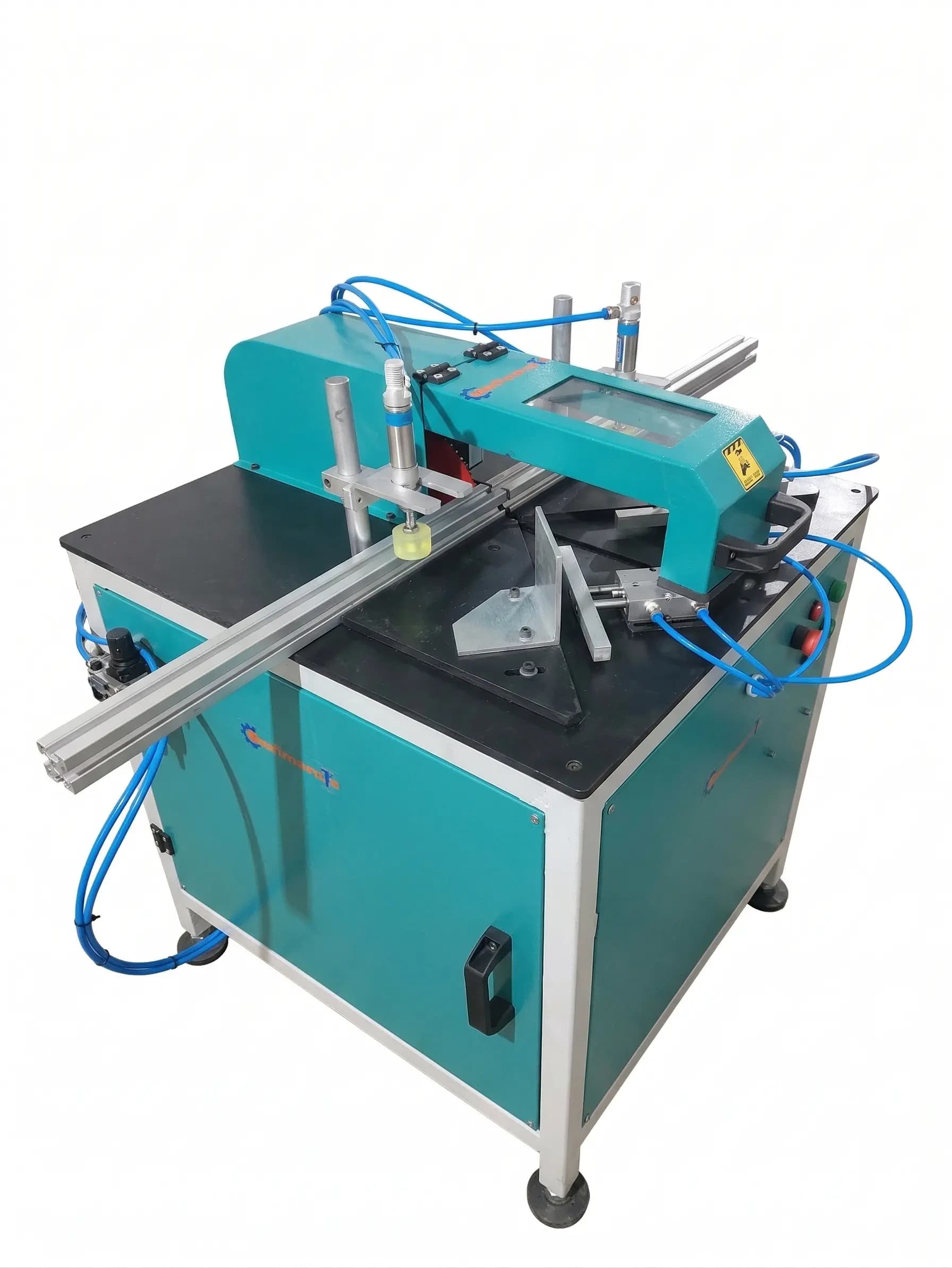
Single Head Cutting Machine for Aluminium and UPVC

Model: MEPCCSH1 | Cutting

Dual-angle versatility with rapid adjustment for Aluminium/uPVC.

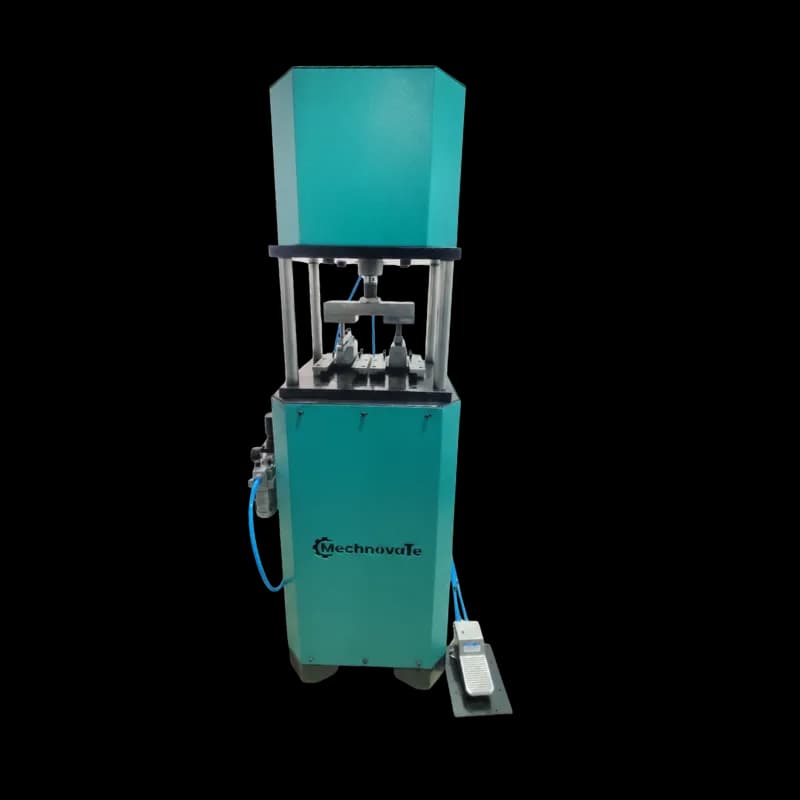
2 Station Pneumatic Aluminium Punching Machine

Model: MEPPPST2 | Punching

Multi-tool setup with adjustable cutting depth.

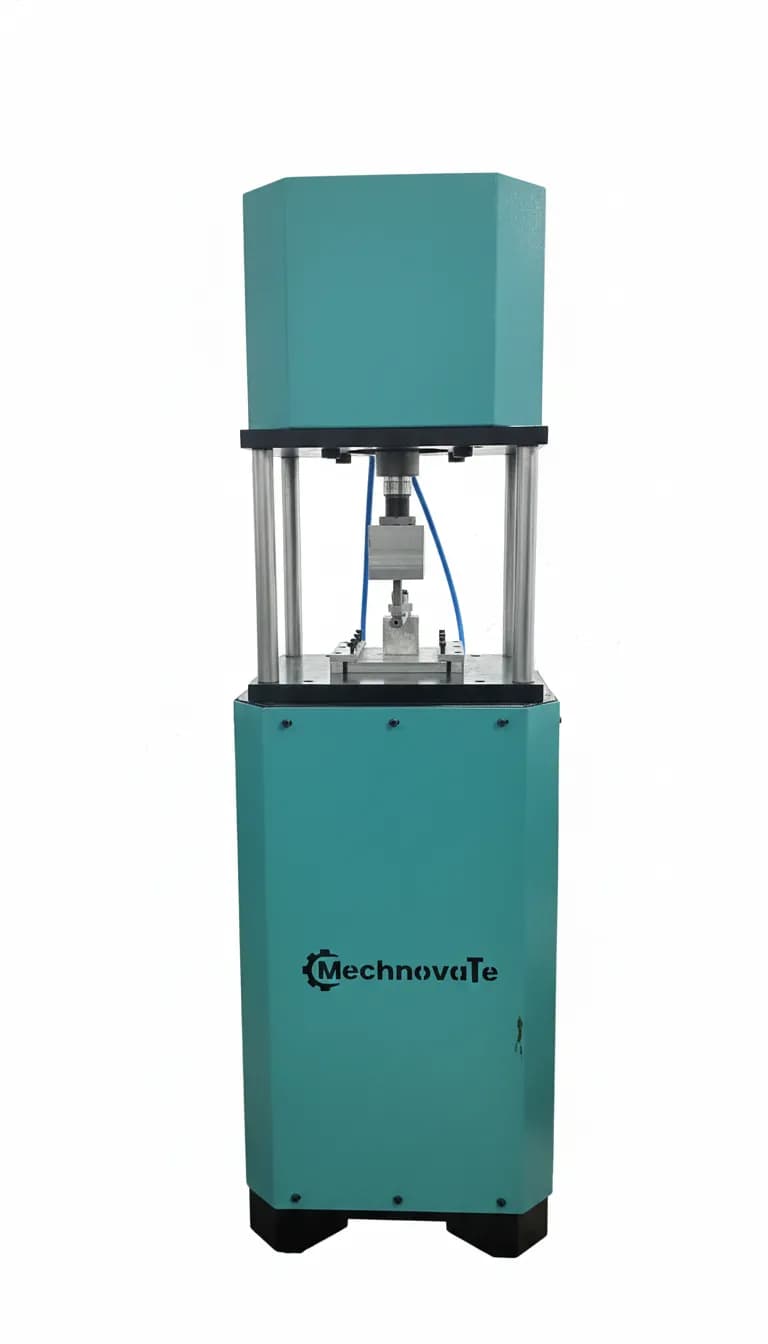
1 Station Pneumatic Aluminium Punching Machine

Model: MEPPPST1 | Punching

Precision alignment with Easy Guiding System for Aluminium.

Pneumatic Copy Router Machine for Aluminium and UPVC

Model: MEPCR Series | Router

High-speed routing with secure pneumatic clamping.

Explore Mechnovate Machinery

Browse our complete range of aluminium and uPVC window fabrication machinery. Call +91-9265699061 or visit our products page for specifications and pricing.