Aluminium Corner Crimping Machine Price & Selection Guide
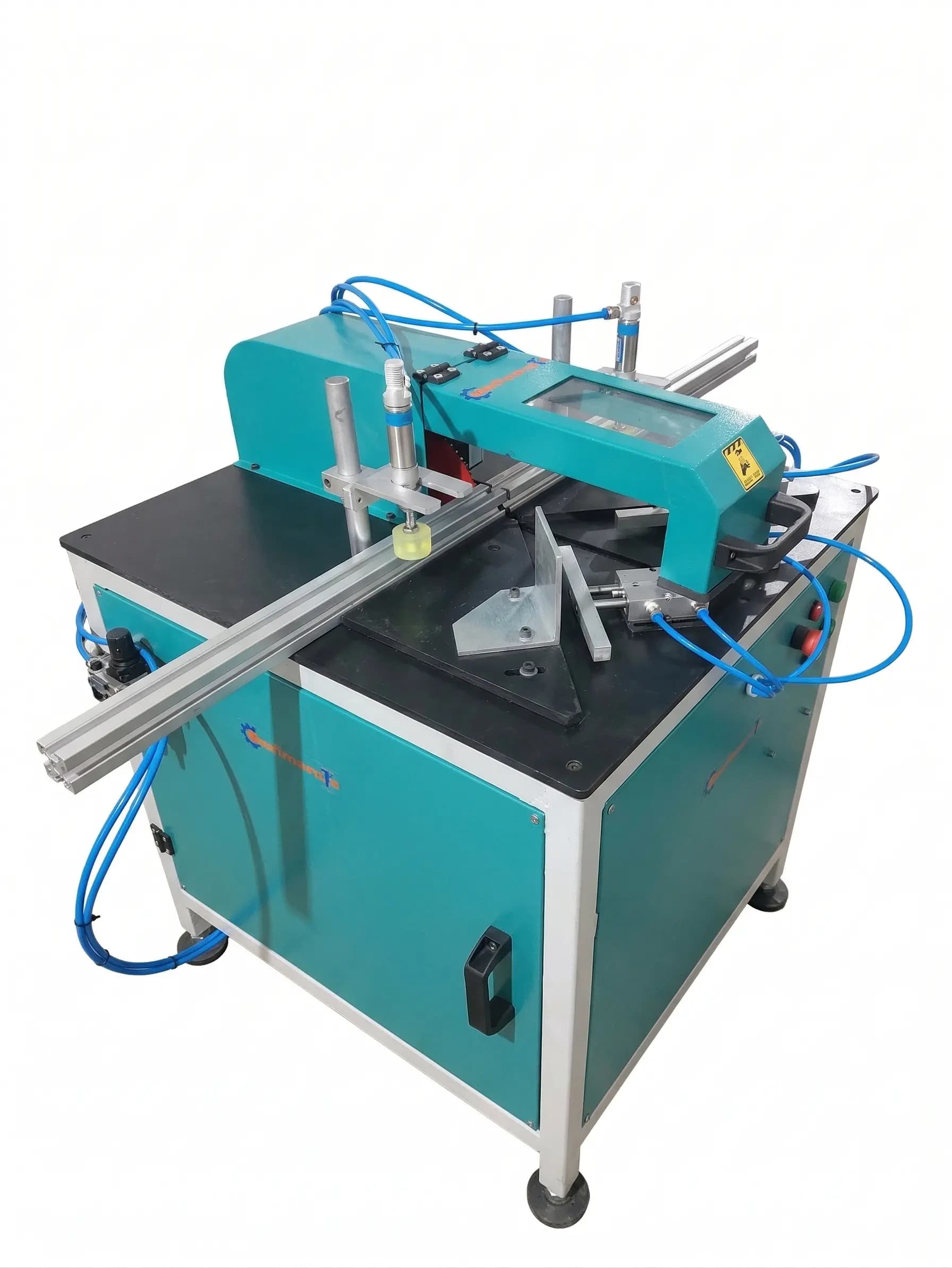
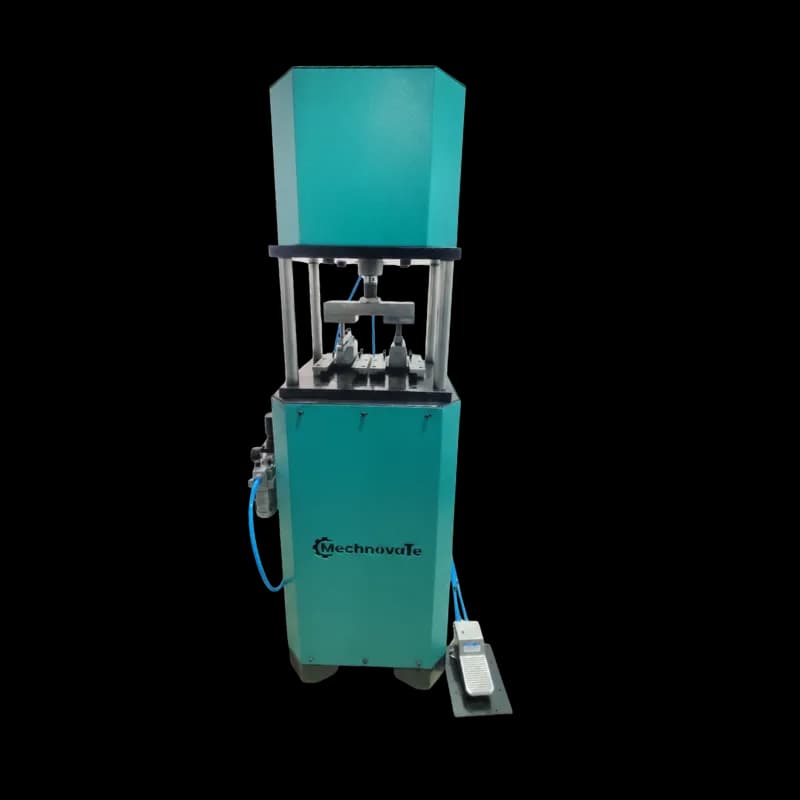
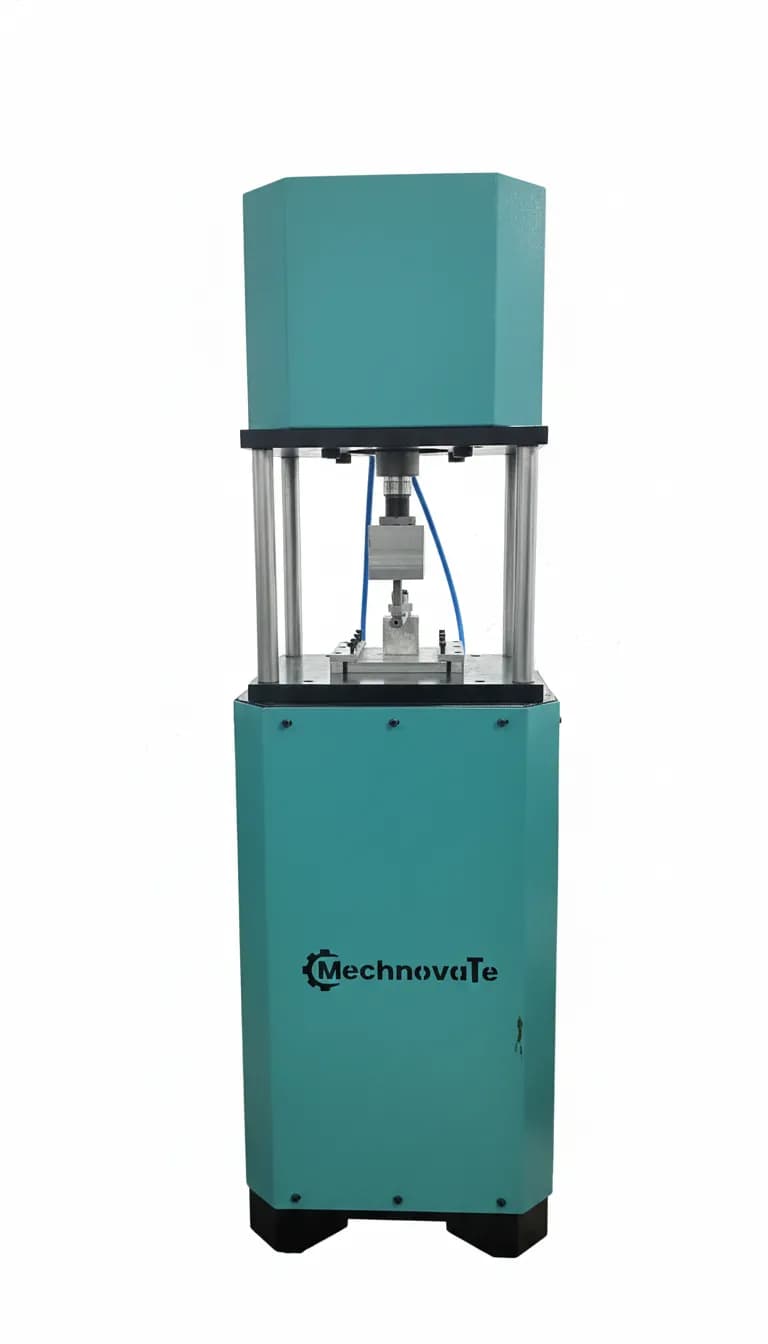
In Mumbai coastal environment, high-rise wind loads demand structural integrity that manual joining cannot provide. An Automatic Aluminium Corner Crimping Machine price typically ranges from ₹2,80,000 to ₹6,50,000 depending on hydraulic capacity, positioning accuracy, and automation levels. This investment is critical for fabricators targeting projects above 20 floors where joint failure is not an option. For high-speed production, combining this with a Double Head Miter Saw ensures the 45-degree cuts are precise within ±0.1mm tolerances. This guide provides the technical breakdown needed to select the right machinery for the Maharashtra market.
The Mumbai High-Rise Challenge: Why Precision Matters
High-rise structures in Mumbai face unique pressure differentials that test the limits of aluminium fabrication. Standard manual punching machine techniques often leave micro-gaps in the miter joint that lead to water seepage during heavy monsoons. Precision engineering dictates that a corner joint must withstand localized wind pressures often exceeding 2.5 kPa in regions like Worli or Lower Parel. Using an automatic aluminium window production line price analysis, we see that the ROI is recovered through the elimination of onsite rework.
Our engineering team at Mechnovate has observed that fabricators using a manual aluminium punching machine often struggle with joint consistency across large batches. For projects following IS 1285 or BS EN 12020 standards, a hydraulic crimper is essential to provide the 16 MPa of pressure required to fuse the profiles. This level of force ensures the internal cleat is permanently deformed against the profile walls, creating a hermetic seal. Without this, even the best aluminium profile cutting machine output will fail the air-leakage test.
Case Study: Optimizing Output at our Pune Testing Facility
In our Pune facility, we tested 3 configurations over 6 weeks to determine the impact of hydraulic stabilization on corner strength. We used a heavy duty aluminium profile end milling machine for prep work and then compared manual versus automatic crimping. The results showed that the automatic unit reduced cutting waste from 12% to 3% by allowing for tighter nesting of joints. Furthermore, we increased output by 40 frames/day compared to manual pneumatic methods used previously.
The testing involved 6063-T6 grade aluminium profiles with a wall thickness of 2.5mm. We found that a feed rate of 15mm/s during the crimping stroke yielded the most consistent results without causing profile deformation. Fabricators in Mumbai looking for an automatic aluminium corner crimping machine price Gujarat or elsewhere should note that hydraulic stability is more important than raw speed. A stable 48-frame-per-hour output is superior to a 60-frame-per-hour output with a 5% rejection rate.
Technical Specifications for Selection
- Hydraulic System: Look for a machine with at least a 2.2kW motor and a 16MPa rated hydraulic pump. This ensures the aluminum machinery manufacturers in Ahmedabad standards for heavy-duty door fabrication are met.
- Blade Travel: A travel range of 0-50mm is necessary to handle both slim-line and heavy-duty thermal break profiles.
- Positioning Accuracy: Modern CNC uPVC window fabrication machine price in India often includes digital displays for positioning; your aluminium crimper should have a mechanical repeatability of ±0.1mm.
- Profile Capacity: Ensure the machine can handle profile widths up to 120mm for commercial high-rise applications in Mumbai.
Selecting a Heavy Duty End Milling Machine to complement your crimper is also vital. The mill must be perfectly perpendicular to the cut to ensure the crimping blades hit the intended target. We recommend the use of an aluminium cutter machine 12 inch or 16 inch for the initial miter cuts before the crimping stage. Industrial aluminum door manufacturing equipment must work as a synchronized ecosystem to maintain ISO 9001 quality levels.
Price Guide and Market Realities in India
When evaluating an aluminium cutting machine price or a crimping unit, the lowest quote is rarely the best value. A portable uPVC window making machine price list might look attractive for a startup, but high-rise contracts require industrial-grade durability. In the current Indian market, an automatic double head cutting machine price India starts around ₹4.5 Lakh, while high-end CNC uPVC window corner cleaning machine price India can reach ₹12 Lakh. For aluminium-specific shops, the crimper is the heart of the workshop.
- Entry-Level (Pneumatic): ₹1.5 Lakh - ₹2.2 Lakh (Suitable for low-rise or interior work).
- Professional (Hydraulic): ₹2.8 Lakh - ₹4.5 Lakh (Standard for most Mumbai fabricators).
- Industrial (CNC Integrated): ₹6.5 Lakh+ (For high-volume factories supplying multiple towers).
Keep in mind that the automatic upvc window plant cost India often includes the cost of setting up uPVC window manufacturing unit infrastructure like air compressors and specialized wiring. We have found that the aluminium window machinery manufacturers in Surat Gujarat and Ahmedabad provide competitive pricing, but Mechnovate focuses on the long-term support needed in Mumbai. A local upvc window machine service center in Tamil Nadu or Maharashtra is worth more than a 10% discount on the initial purchase price.
Common Mistakes and Engineering Lessons
One of the most common mistakes I see in the field is neglecting the hydraulic oil viscosity. In the humid Mumbai climate, moisture contamination in hydraulic systems can lead to erratic blade movement and joint failure. We recommend a high-viscosity index oil that remains stable at temperatures up to 60°C. Another mistake is using the wrong knife height; always calibrate the knives based on the specific profile drawing provided by the extruder.
Avoid the 'single cutting' trap where fabricators try to use a single head miter saw for high-volume jobs. The alignment errors that creep in during manual rotation for the second cut will show up as gaps after crimping. Instead, invest in a 45 degree double head cutting machine to ensure every frame is perfectly square. This is particularly important for uPVC window welding machine maintenance guide adherence, as well as for aluminium profile processing.
FAQ: Questions from the Workshop Floor
Q: Can I use the same crimping machine for uPVC and Aluminium? No, they are fundamentally different processes. Aluminium requires hydraulic deformation (crimping), while uPVC uses thermal fusion (welding). If you are expanding into uPVC, you will need a separate upvc windows making machine or a double head seamless welding machine for uPVC windows.
Q: What is the typical lead time for a custom crimping tool set? For standard profiles, we stock tools. However, for proprietary Mumbai high-rise systems, we design custom tool sets within 10-14 days. This ensures the knives hit the cleat exactly at the center of the web.
Q: Is a high speed copy router for aluminium windows necessary? Yes, for drainage slots and lock holes. It should be part of any setup that includes a 45 degree double head cutting machine and an automatic crimper. Proper routing prevents the profile from cracking during the high-pressure crimping process.
Get more articles like this
Follow Mechnovate on Google to see our guides in Google Discover & News