Achieving Perfect 45-Degree Miters in Slim-Aluminium Profiles: Pune Guide
Achieving Precision in Slim-Aluminium Miter Cutting
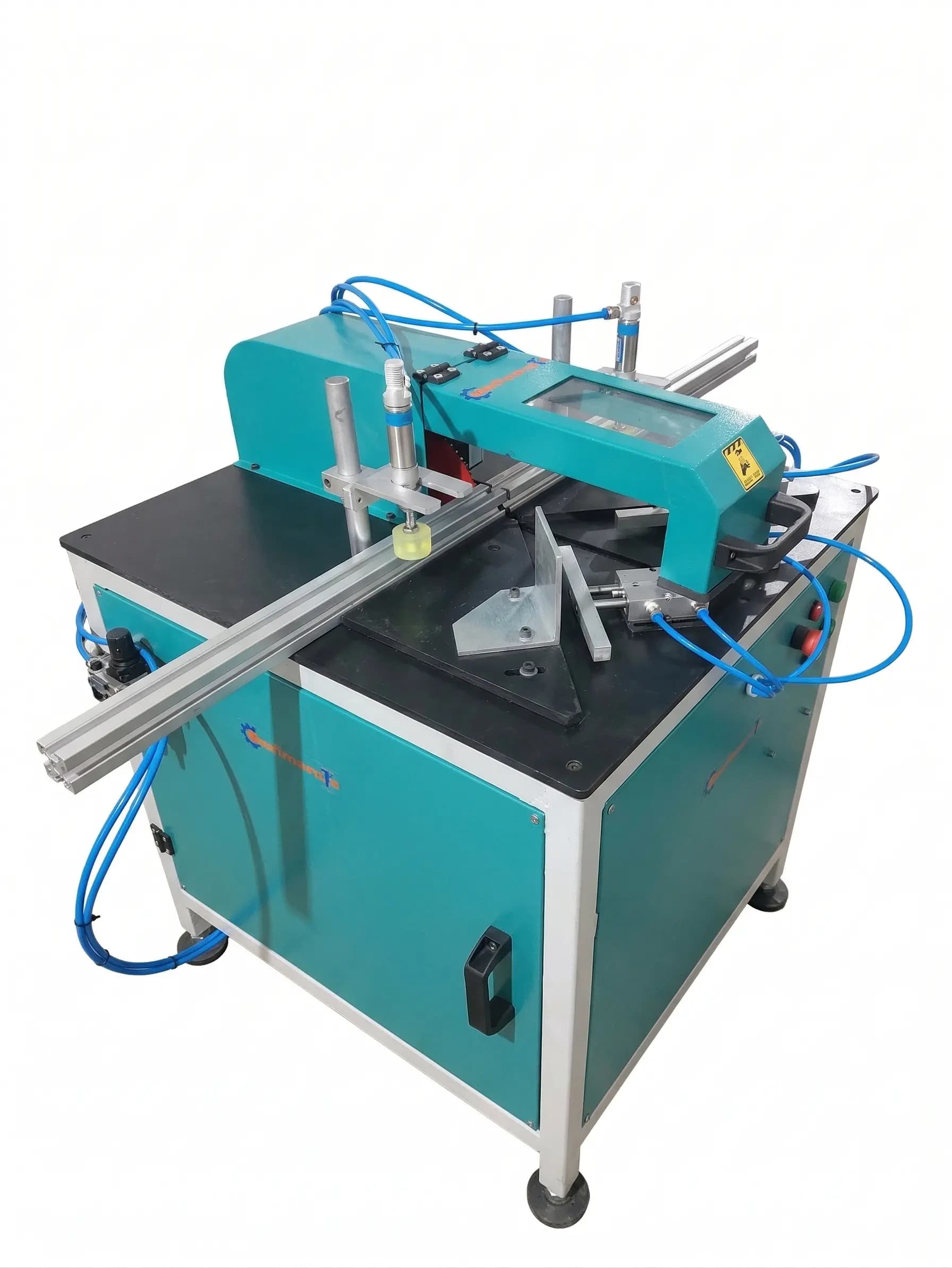
To achieve a perfect 45-degree miter in slim-aluminium profiles, you must synchronize three critical factors: mechanical clamping stability, blade peripheral speed, and profile support. In our Pune-based testing facility, we have observed that standard cutting methods often fail on profiles with wall thicknesses below 1.2mm due to vibration-induced chatter. The solution lies in using a high-precision double head miter saw for aluminium profiles price equipped with specialized pneumatic vertical and horizontal clamps to prevent profile deformation during the stroke. For fabricators in Pune's growing luxury residential market, moving from manual setups to an automatic aluminium window production line price optimized for thin-wall extrusions is the only way to eliminate light-gap defects in the final assembly.
The Mechnovate Case Study: Reducing Waste in Pune Workshops
Over a six-week optimization period at a client site in Chakan, Pune, our engineering team analyzed the production of 1,200 slim-line window frames. Initially, the facility reported a 12% waste rate due to 'burr' formation and inaccurate angles (44.8° instead of 45°). By recalibrating their copy router machine and switching to a 450mm TCG (Triple Chip Grind) blade on their aluminium cutting machine 12 inch, we reduced waste to less than 3%.
We implemented a specific cooling sequence using a micro-mist lubrication system rather than a flood coolant. This modification alone increased the output by 40 frames per day because it eliminated the need for post-cut cleaning. This data underscores that precision engineering in aluminium fabrication is not just about the machine, but about the synergy between blade geometry and feed speed.
Technical Specifications for Zero-Gap Joins
Achieving ISO 9001 quality standards in window manufacturing requires adherence to strict engineering parameters. If you are operating a head cutter machine or an aluminum cutting machine, the following settings are non-negotiable for slim profiles:
- Blade Speed: Maintain a peripheral speed of 3000 to 3200 RPM. Lower speeds cause the aluminium to 'tear' rather than cut, especially in 6063-T6 alloys.
- Feed Rate: Use a hydro-pneumatic feed system to ensure a constant entry speed. A jerky manual feed on an aluminium cutter machine 12 inch will result in visible step-marks on the miter face.
- Clamping Pressure: Set your pneumatic regulators to 6.5 bar. Excessive pressure on slim-aluminium will bow the profile, causing the angle to change once the pressure is released.
- Blade Run-out: Ensure the axial run-out of the saw blade is less than 0.05mm to prevent vibration on the thin sightlines.
Avoiding Common Mistakes in Slim-Aluminium Fabrication
Many fabricators transition from uPVC machinery to aluminium and carry over habits that compromise quality. A common error is using a standard upvc cutting machine for high-grade aluminium profiles. While a upvc window manufacturing machine is excellent for vinyl, aluminium requires higher torque and specific blade cooling. Another frequent mistake in Pune workshops is ignoring the 'bed-alignment'. If the machine bed is out of level by even 0.5mm over 3 meters, your 45-degree miter will never close perfectly at the corner.
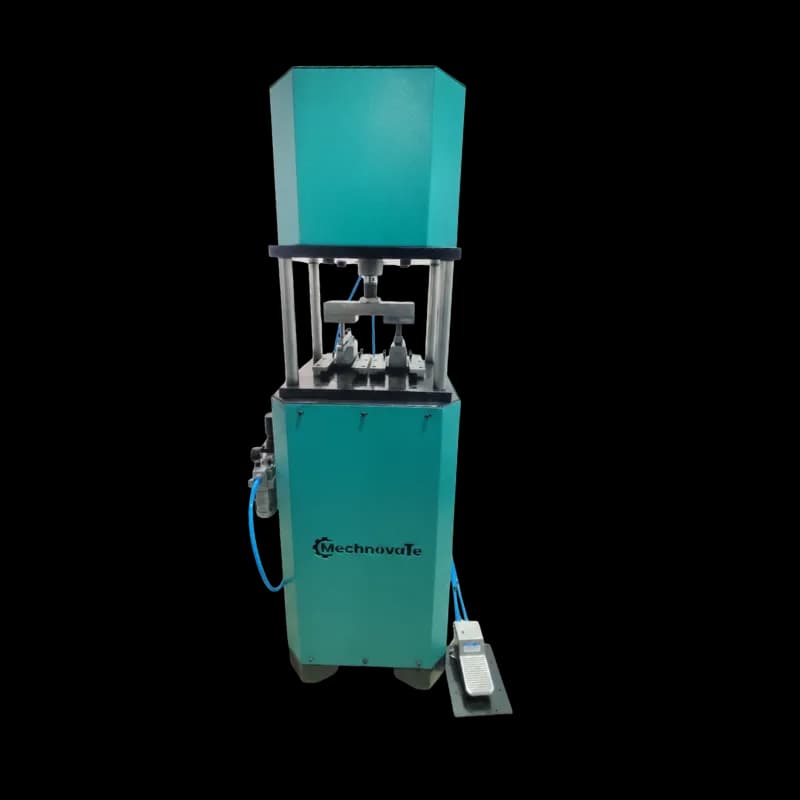
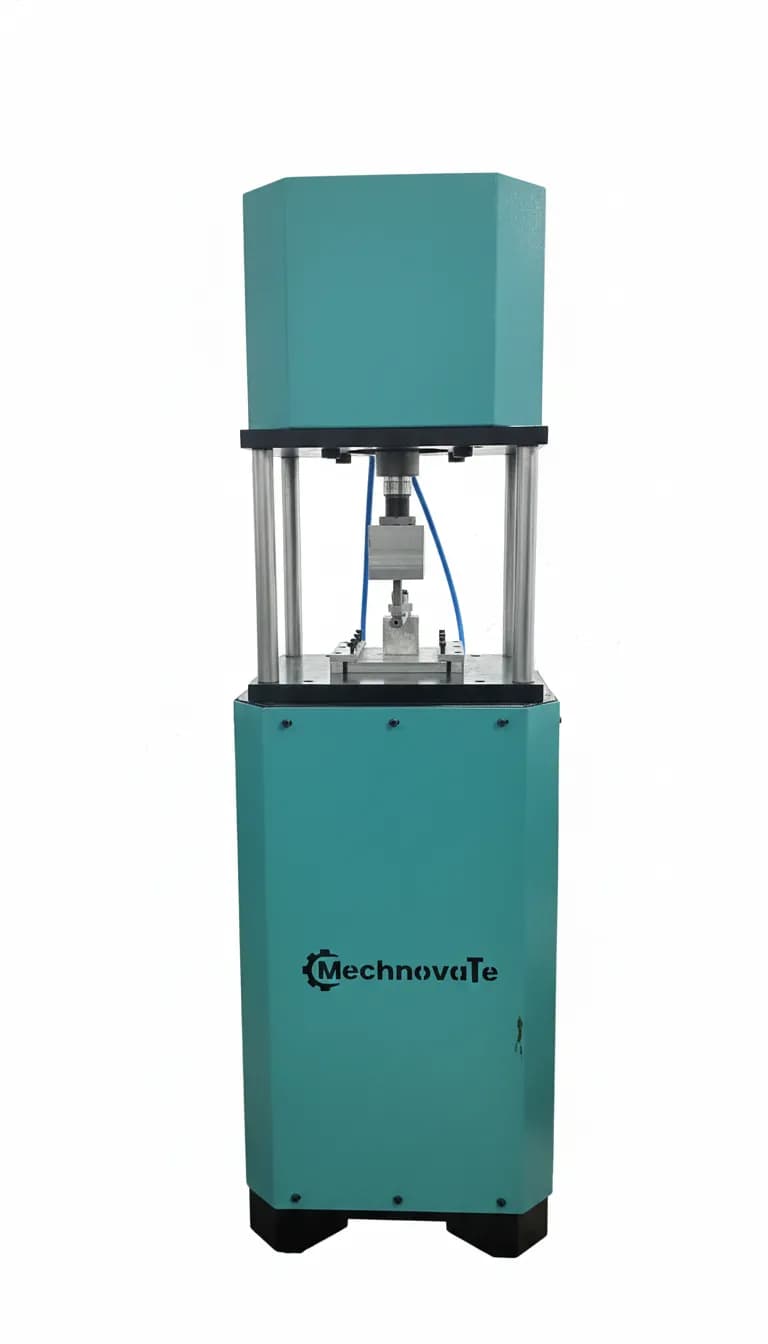
When setting up your workshop, consider the automatic aluminium corner crimping machine price Gujarat as a companion to your saw. Even a perfect cut can be ruined by poor joinery. Using a manual punching machine for handle holes is acceptable, but for the structural integrity of the frame, the crimping must be automated to ensure equal pressure on both sides of the miter.
Why Pune Workshops are Upgrading to Automatic Systems
The demand for slim-line systems in Pune’s high-rise projects has made manual aluminum cutting machine setups obsolete. Local manufacturers are now investing in an automatic double head cutting saw for aluminium profiles to meet the volume required by tier-1 developers. These machines offer digital length positioning which eliminates the 1-2mm error inherent in manual tape measurement.
Whether you are looking at an aluminium cutting machine price for a startup or a fully automatic uPVC window manufacturing unit cost for an expansion, the focus must remain on the rigidity of the machine frame. A heavy-duty aluminium profile end milling machine and a high-speed copy router are essential for the clean finishes expected in the current market.
FAQ: Expert Insights for Aluminium Fabricators
Q: Can I use the same machine for uPVC and Aluminium cutting? While some head cutting machine models are marketed as dual-purpose, we recommend dedicated setups. Aluminium requires higher RPM and lubrication, which can contaminate uPVC profiles and affect the upvc welding machine process later.
Q: What is the ideal blade diameter for slim-aluminium profiles? For most residential slim-line systems, a 450mm or 500mm blade is ideal. An aluminium cutting machine 12 inch (approx 300mm) is often too small to provide the stability needed for deep 45-degree miter cuts on wider outer frames.
Q: How often should I calibrate my 45 degree double head cutting machine? In a high-volume Pune workshop, we recommend a weekly check of the 45° and 90° stops using a high-precision digital protractor. Even a 0.1-degree deviation results in a visible gap in large window frames.
Q: Is it worth investing in a CNC copy router for a small workshop? If you are processing more than 15-20 windows a day, a high speed copy router for aluminium windows pays for itself in six months through labor savings and the elimination of human error in slot positioning.
Get more articles like this
Follow Mechnovate on Google to see our guides in Google Discover & News