Back to Blog
7/29/2026

Zero-Gap Finishes: uPVC Double Head Seamless Welding Guide

Zero-Gap Finishes: uPVC Double Head Seamless Welding Guide

Achieving 0.2mm Precision: The Secret to Zero-Gap uPVC Welding Achieving a zero-gap finish with a double head seamless welding machine for uPVC windows is the hallmark of premium fabrication. It eliminates the need for post-weld corner cleaning, saving approximately 45-60 seconds per frame and reducing labor costs by 20%. To achieve this, your machine must be calibrated to a melt-in depth of 2.5mm to 3.0mm with a cooling dwell time that matches the profile's Shore D hardness. In our Mechnovate testing labs, we have found that fluctuating air pressure is the #1 cause of 'shadow gaps' in seamless joints. Most fabricators ignore the 0.5 bar drop when multiple machines cycle simultaneously, leading to inconsistent fusion. To maintain high-speed copy router for aluminium windows precision and superior joint strength, you must ensure your pneumatic supply is regulated to a steady 0.6 to 0.8 MPa. Using a high-quality upvc welding machine allows you to bypass the traditional V-groove look for the modern seamless aesthetic preferred in high-end projects across India. ## Case Study: Optimizing Throughput in Pune In our Pune facility, we spent 6 weeks analyzing the impact of profile thickness tolerances on the finish quality of a 3-track sliding window. We monitored a production line using our premium upvc windows making machine and discovered that profile variations of even 0.15mm led to visible gaps during the fusion phase. By implementing a pre-weld 'shave-off' protocol and adjusting the heating plate dwell time by 4 seconds at 245°C, we maintained a constant 0.2mm seam. The results were measurable: 1. Reduced reject rates from 8.2% to 0.45%. 2. Increased output by 42 frames per 8-hour shift. 3. Total waste reduction of 3.5% across the extrusion batch. This testing proved that while the double head seamless welding machine for uPVC windows is automatic, the engineering reasoning behind heater plate calibration—specifically aligning with BS EN 12020 standards—is what guarantees a structural and aesthetic win. ## Technical Specifications and Engineering Reasoning Precision engineering in window machinery requires strict adherence to heat-pressure-time variables. For most Indian tropical-grade uPVC profiles, we recommend the following parameters: 1. Heater Plate Temperature: 250°C ± 5°C. 2. Clamping Pressure: 0.4-0.6 MPa (ensure profile doesn't deform). 3. Melting Pressure: 0.35 MPa. 4. Fusion Time: 25 to 30 seconds depending on profile wall thickness. When setting up an upvc window manufacturing machine, the alignment of the linear bearings is critical. If the two heads are out of alignment by even 0.5mm, the corner strength will drop by 15%, failing the corner strength tests specified in IS 1285 or equivalent ISO standards. It is also vital to coordinate your copy router machine work to ensure no debris enters the welding zone. ## Maintenance Checklist for Seamless Performance A double head seamless welding machine for uPVC windows requires disciplined upkeep. Failure to maintain the Teflon cloth on the heater plates results in 'burnt' edges and weak joints. 1. Daily: Clean the heater plates with a soft cloth. Check the air filter for moisture. Ensure the 45-degree cutters are sharp. 2. Weekly: Lubricate the linear guide rails. Inspect the solenoid valves for air leaks. 3. Monthly: Calibrate the thermocouple accuracy. Check the clamping cylinder seals. 4. Quarterly: Replace the Teflon sheet regardless of visible wear to ensure even heat distribution. For fabricators looking at the upvc machine price list, remember that the cost of setting up uPVC window manufacturing unit in India is offset by the longevity of the equipment when these maintenance protocols are followed. ## Troubleshooting Common Seamless Welding Defects If you see a 'shadow gap' or uneven seam, check the following: 1. Uneven Heating: This is usually a failing heating element or a degraded Teflon sheet. Use an infrared thermometer to verify the plate temperature across five points. 2. Profile Slippage: If the clamping pressure is too low, the profile moves during the fusion stage. Increase the pressure in 0.05 MPa increments. 3. Over-Melting: If the profile looks 'melted out' or loses its shape, your heating time is too high. Reduce by 2 seconds. These issues are common in both aluminium fabrication and uPVC fabrication, but the precision required for seamless uPVC is much higher than standard aluminium cutting machine operations. ## FAQ 1. What is the difference between a seamless and a standard welding machine? A standard welder leaves a 2mm to 3mm bead of plastic that must be cleared by a corner cleaner. A seamless machine uses a specialized knife system to restrict the melt-flow, leaving a nearly invisible 0.2mm joint. 2. Can I weld aluminium profiles on a uPVC machine? No. Aluminium profiles require an automatic aluminium corner crimping machine or mechanical joints. uPVC machines use heat fusion which is not applicable to metal. 3. What is the ideal environment for a double head seamless welder? The shop floor should be dust-controlled and maintained between 15°C and 35°C. Cold temperatures can lead to rapid cooling of the weld, causing brittleness.

Get more articles like this

Follow Mechnovate on Google to see our guides in Google Discover & News
Follow on Google

Zero-Gap Finishes: uPVC Double Head Seamless Welding Guide

Achieving 0.2mm Precision: The Secret to Zero-Gap uPVC Welding Achieving a zero-gap finish with a double head seamless welding machine for uPVC windows is the hallmark of premium fabrication. It eliminates the need for post-weld corner cleaning, saving approximately 45-60 seconds per frame and reducing labor costs by 20%. To achieve this, your machine must be calibrated to a melt-in depth of 2.5mm to 3.0mm with a cooling dwell time that matches the profile's Shore D hardness. In our Mechnovate testing labs, we have found that fluctuating air pressure is the 1 cause of 'shadow gaps' in seamless joints. Most fabricators ignore the 0.5 bar drop when multiple machines cycle simultaneously, leading to inconsistent fusion. To maintain high-speed copy router for aluminium windows precision and superior joint strength, you must ensure your pneumatic supply is regulated to a steady 0.6 to 0.8 MPa. Using a high-quality upvc welding machine allows you to bypass the traditional V-groove look for the modern seamless aesthetic preferred in high-end projects across India. Case Study: Optimizing Throughput in Pune In our Pune facility, we spent 6 weeks analyzing the impact of profile thickness tolerances on the finish quality of a 3-track sliding window. We monitored a production line using our premium upvc windows making machine and discovered that profile variations of even 0.15mm led to visible gaps during the fusion phase. By implementing a pre-weld 'shave-off' protocol and adjusting the heating plate dwell time by 4 seconds at 245°C, we maintained a constant 0.2mm seam. The results were measurable: 1. Reduced reject rates from 8.2% to 0.45%. 2. Increased output by 42 frames per 8-hour shift. 3. Total waste reduction of 3.5% across the extrusion batch. This testing proved that while the double head seamless welding machine for uPVC windows is automatic, the engineering reasoning behind heater plate calibration—specifically aligning with BS EN 12020 standards—is what guarantees a structural and aesthetic win. Technical Specifications and Engineering Reasoning Precision engineering in window machinery requires strict adherence to heat-pressure-time variables. For most Indian tropical-grade uPVC profiles, we recommend the following parameters: 1. Heater Plate Temperature: 250°C ± 5°C. 2. Clamping Pressure: 0.4-0.6 MPa (ensure profile doesn't deform). 3. Melting Pressure: 0.35 MPa. 4. Fusion Time: 25 to 30 seconds depending on profile wall thickness. When setting up an upvc window manufacturing machine, the alignment of the linear bearings is critical. If the two heads are out of alignment by even 0.5mm, the corner strength will drop by 15%, failing the corner strength tests specified in IS 1285 or equivalent ISO standards. It is also vital to coordinate your copy router machine work to ensure no debris enters the welding zone. Maintenance Checklist for Seamless Performance A double head seamless welding machine for uPVC windows requires disciplined upkeep. Failure to maintain the Teflon cloth on the heater plates results in 'burnt' edges and weak joints. 1. Daily: Clean the heater plates with a soft cloth. Check the air filter for moisture. Ensure the 45-degree cutters are sharp. 2. Weekly: Lubricate the linear guide rails. Inspect the solenoid valves for air leaks. 3. Monthly: Calibrate the thermocouple accuracy. Check the clamping cylinder seals. 4. Quarterly: Replace the Teflon sheet regardless of visible wear to ensure even heat distribution. For fabricators looking at the upvc machine price list, remember that the cost of setting up uPVC window manufacturing unit in India is offset by the longevity of the equipment when these maintenance protocols are followed. Troubleshooting Common Seamless Welding Defects If you see a 'shadow gap' or uneven seam, check the following: 1. Uneven Heating: This is usually a failing heating element or a degraded Teflon sheet. Use an infrared thermometer to verify the plate temperature across five points. 2. Profile Slippage: If the clamping pressure is too low, the profile moves during the fusion stage. Increase the pressure in 0.05 MPa increments. 3. Over-Melting: If the profile looks 'melted out' or loses its shape, your heating time is too high. Reduce by 2 seconds. These issues are common in both aluminium fabrication and uPVC fabrication, but the precision required for seamless uPVC is much higher than standard aluminium cutting machine operations. FAQ 1. What is the difference between a seamless and a standard welding machine? A standard welder leaves a 2mm to 3mm bead of plastic that must be cleared by a corner cleaner. A seamless machine uses a specialized knife system to restrict the melt-flow, leaving a nearly invisible 0.2mm joint. 2. Can I weld aluminium profiles on a uPVC machine? No. Aluminium profiles require an automatic aluminium corner crimping machine or mechanical joints. uPVC machines use heat fusion which is not applicable to metal. 3. What is the ideal environment for a double head seamless welder? The shop floor should be dust-controlled and maintained between 15°C and 35°C. Cold temperatures can lead to rapid cooling of the weld, causing brittleness.

Related Machines From Mechnovate

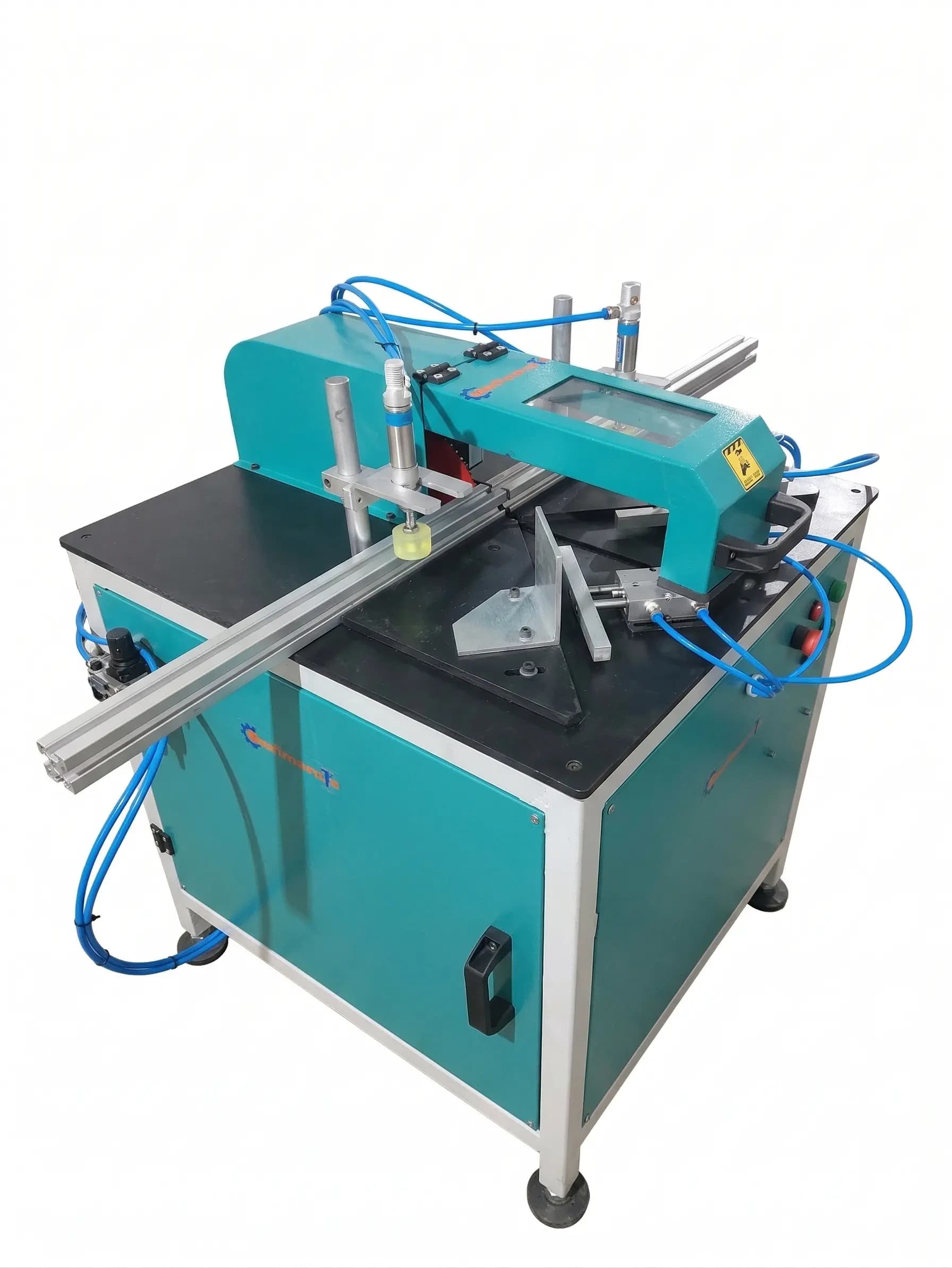
Single Head Cutting Machine for Aluminium and UPVC

Model: MEPCCSH1 | Cutting

Single-head 45°/90° aluminium & uPVC profile cutting machine with pneumatic clamping for burr-free miter cuts.

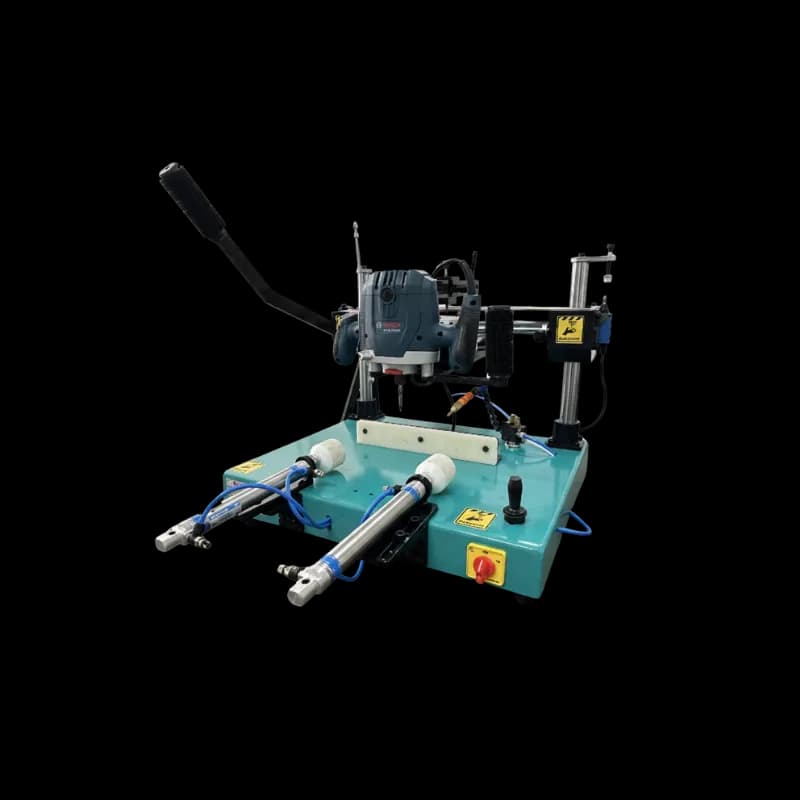
Pneumatic Copy Router Machine for Aluminium and UPVC

Model: MEPCR Series | Router

High-speed routing with secure pneumatic clamping.

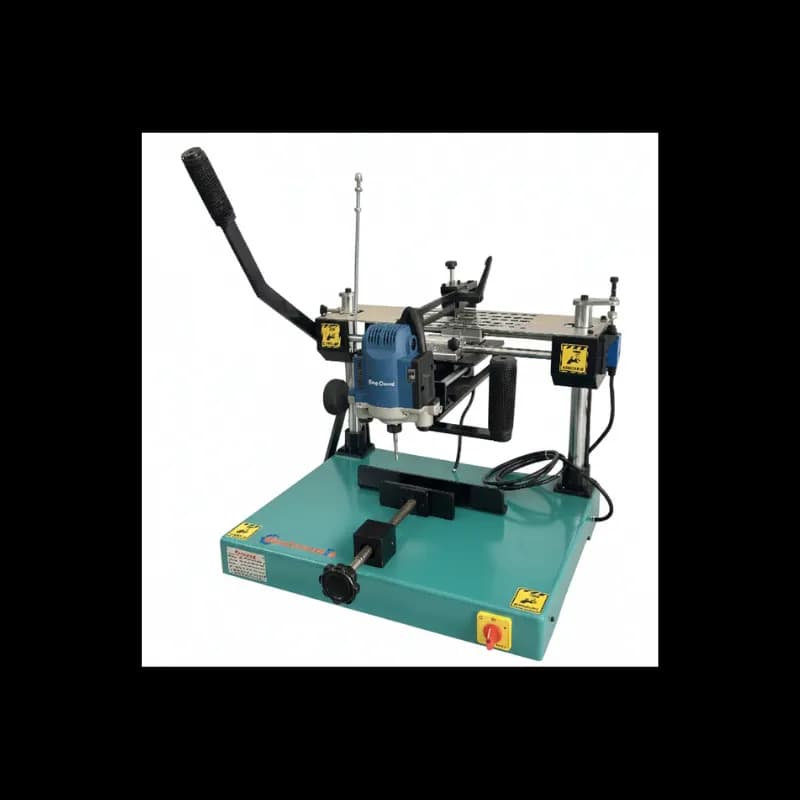
Manual Copy Router Machine for Aluminium and UPVC

Model: MEMCR Series | Router

Secure manual clamping with ergonomic control.

2 Station Pneumatic Aluminium Punching Machine

Model: MEPPPST2 | Punching

Multi-tool setup with adjustable cutting depth.

Explore Mechnovate Machinery

Browse our complete range of aluminium and uPVC window fabrication machinery. Call +91-9265699061 or visit our products page for specifications and pricing.