Scaling Mumbai High-Rises: uPVC Plant Cost & ROI Guide
Setting up an automatic uPVC window manufacturing plant in Mumbai currently requires a capital investment ranging from ₹18 Lakhs to ₹45 Lakhs for a mid-to-high capacity line. With the city's vertical expansion and the RERA-driven push for faster project completion, manual fabrication is no longer viable for Tier-1 and Tier-2 developers. For local fabricators, the transition to automation isn't just about speed; it is about meeting the stringent wind-load and acoustic insulation requirements of high-rise structures.
Breakdown of Automatic uPVC Window Manufacturing Plant Cost in India
The total automatic upvc window plant cost India depends heavily on the level of CNC integration and the number of heads in your welding and cutting stations. A basic automatic line typically includes a double-head cutting saw, a double-head welder, a copy router, an end miller, and a glazing bead saw. For a Mumbai-based facility, you must factor in the high cost of floor space, meaning your layout must maximize 'output per square foot'.
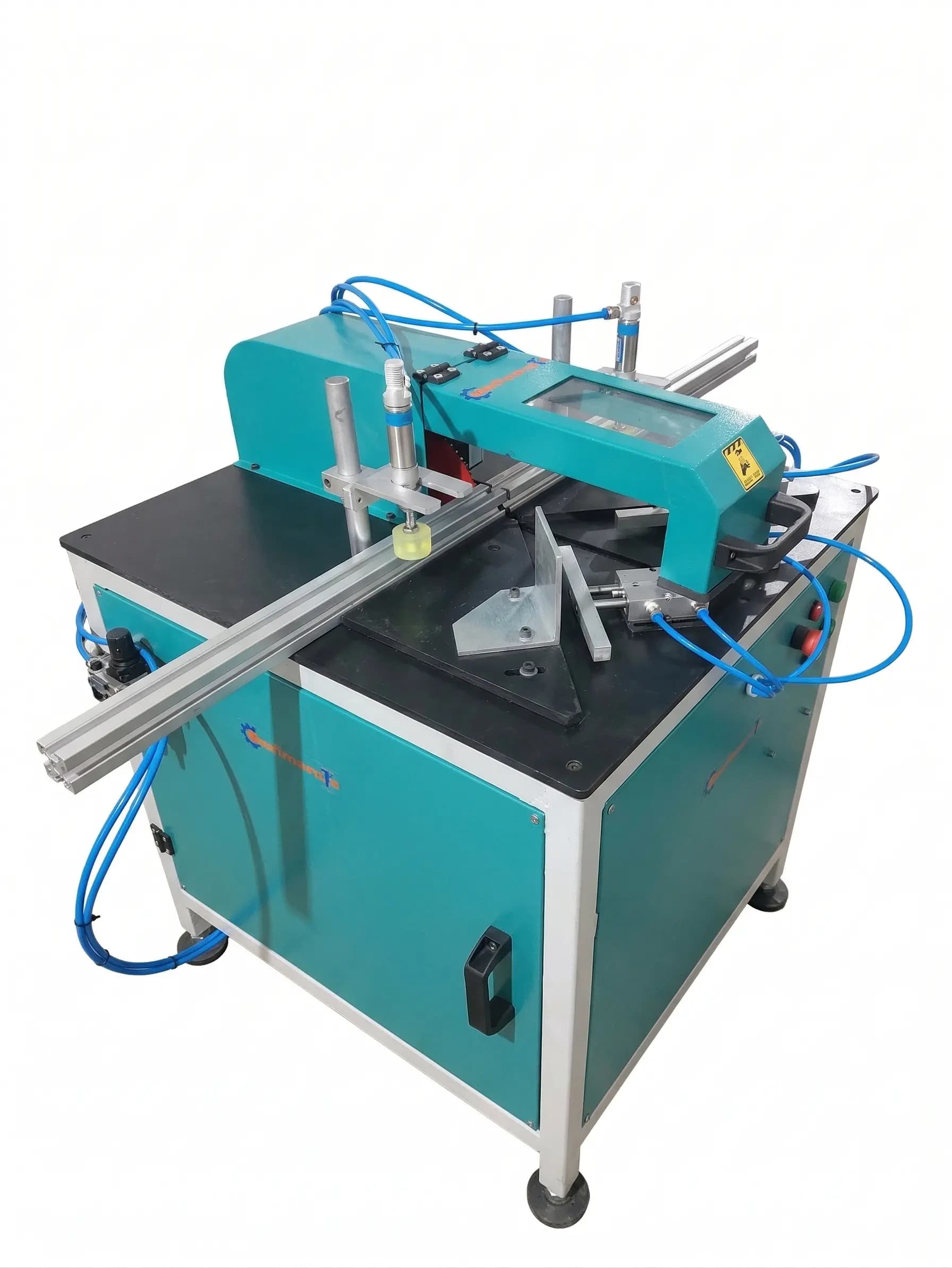
- Primary Cutting Station: An Automatic Double Head Cutting Machine is the backbone of the plant, costing between ₹4.5 Lakhs and ₹8.5 Lakhs. It handles the high-volume precision required for 45-degree and 90-degree cuts.
- Welding Station: A Double Head Seamless Welding Machine for uPVC windows ensures that the corners are structurally sound enough to withstand Mumbai's monsoon winds. Expect to invest ₹5 Lakhs to ₹12 Lakhs here.
- Corner Cleaning: A CNC Corner Cleaning Machine is essential for that 'factory finish' aesthetic that premium developers demand. Prices range from ₹6 Lakhs to ₹14 Lakhs depending on the number of axes.
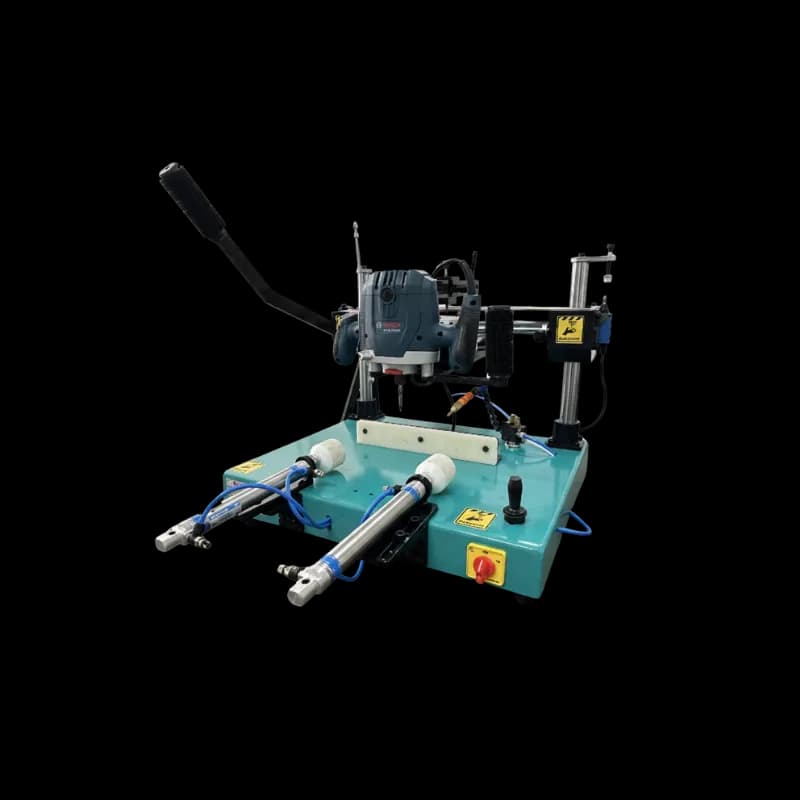
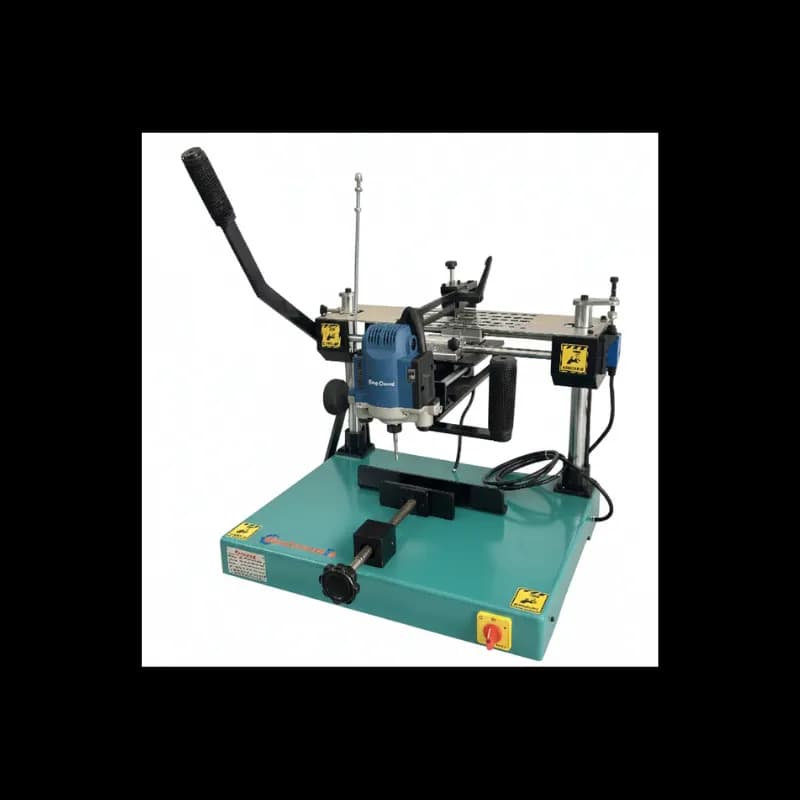
- Auxiliary Equipment: This includes a copy router machine, an end milling machine, and a portable uPVC window welding machine for on-site adjustments, totaling approximately ₹3 Lakhs to ₹5 Lakhs.
The Mechnovate Case Study: From 15 to 65 Frames Per Day
In our Pune facility, we tested 3 configurations over 6 weeks to simulate the high-pressure delivery schedules common in the Mumbai Metropolitan Region (MMR). We transitioned a local fabricator from a manual setup to a semi-automatic line. Before the upgrade, the workshop produced 15 frames per day with a 12% material waste rate due to manual measurement errors.
After installing a high-speed automatic double head cutting saw for aluminium profiles and uPVC, the results were transformative. We reduced cutting waste from 12% to a negligible 3% by implementing digital measurement stops. The daily output jumped to 65 frames with the same labor force. This measurable result proved that the uPVC window manufacturing machine paid for its own monthly EMI through material savings alone within the first 14 months.
Technical Specifications for High-Rise Compliance
When scaling for high-rises, you cannot ignore engineering standards like IS 1285 or BS EN 12020. Your upvc windows making machine must maintain tolerances within +/- 0.5mm. In our experience, Mumbai's salt-heavy air requires hardware and profiles that are precisely milled.
- Cutting Precision: Look for a degree cutting machine with a 450mm to 500mm blade diameter and a 2.2kW motor. High RPM (approx. 2800-3200) ensures a clean cut without melting the profile edges.
- Pneumatic Pressure: Most upvc windows machines require a stable 6-8 bar pressure. We recommend a screw compressor over a reciprocating one for consistent pressure during the welding cycle.
- Power Stability: Mumbai’s industrial zones often have voltage fluctuations. Always pair your upvc machinery with a heavy-duty stabilizer to protect the PLC units.
Calculating ROI: Scaling for the Mumbai Real Estate Boom
The ROI for a fully automatic uPVC window manufacturing unit cost is typically realized within 18 to 24 months in the Mumbai market. The primary drivers are labor reduction and the ability to bid for 'High-Volume, Low-Margin' projects that manual shops cannot touch.
- Labor Savings: An automatic line requires 4 skilled operators versus 12 semi-skilled workers for the same output. In a high-wage market like Mumbai, this is a saving of nearly ₹1.8 Lakhs per month.
- Material Optimization: Using a CNC uPVC window fabrication machine with optimization software can save 5-8% on profile length per project.
- Quality Premium: Fabricators using a double head seamless welding machine can charge a 10-15% premium for 'Zero-Joint' aesthetics, which are highly preferred by interior designers in South Mumbai and Bandra.
Common Mistakes in Scaling uPVC Operations
After 15 years in the workshop, I’ve seen many fabricators fail because they bought the cheapest upvc machine price list option without considering serviceability. Avoid these three common pitfalls:
- Ignoring Air Quality: Using a upvc window machine without an air dryer will lead to moisture in the pneumatic valves. This causes the upvc welding machine to fail prematurely.
- Underestimating Floor Loading: Automatic machines are heavy. A heavy duty aluminium profile end milling machine can vibrate significantly; ensure your workshop floor is at least 150mm thick reinforced concrete.
- Neglecting Blade Maintenance: A dull blade on an aluminium cutting machine 12 inch creates burrs that ruin the weld quality. We recommend sharpening every 1,500 cuts.
FAQ
Q: Can I use the same machines for aluminium fabrication and uPVC? No. While an aluminium cutter machine can cut uPVC, the welding and corner cleaning processes are unique to uPVC. However, a high speed copy router for aluminium windows can often be used for both materials if the RPM is adjustable.
Q: What is the minimum electricity requirement for an automatic plant? A standard automatic line requires a 15kW to 25kW connection. You must ensure your workshop is zoned for industrial power to avoid penalties from the BMC or MSEDCL.
Q: Is a CNC corner cleaner worth the extra cost over a manual one? In Mumbai’s competitive market, yes. A CNC uPVC window corner cleaning machine processes a joint in 15 seconds compared to 3 minutes manually. If you are doing more than 30 windows a day, the manual bottleneck will kill your productivity.
Get more articles like this
Follow Mechnovate on Google to see our guides in Google Discover & News