Nagpur Workshop Guide: Best uPVC Window Making Machine for Startups
For a startup in Nagpur’s growing construction market, selecting the best uPVC window making machine for startup businesses requires balancing initial capital expenditure with long-term precision engineering. To launch a functional fabrication unit, you fundamentally need a four-machine setup: a Single Head Cutting Machine, a welding machine, a copy router, and a glazing bead saw. Our internal benchmarks show that starting with a semi-automatic line allows a 3-man team to produce 15-20 frames per 8-hour shift, while keeping the cost of setting up uPVC window manufacturing unit in India under control.
Essential Machinery for Nagpur uPVC Startups
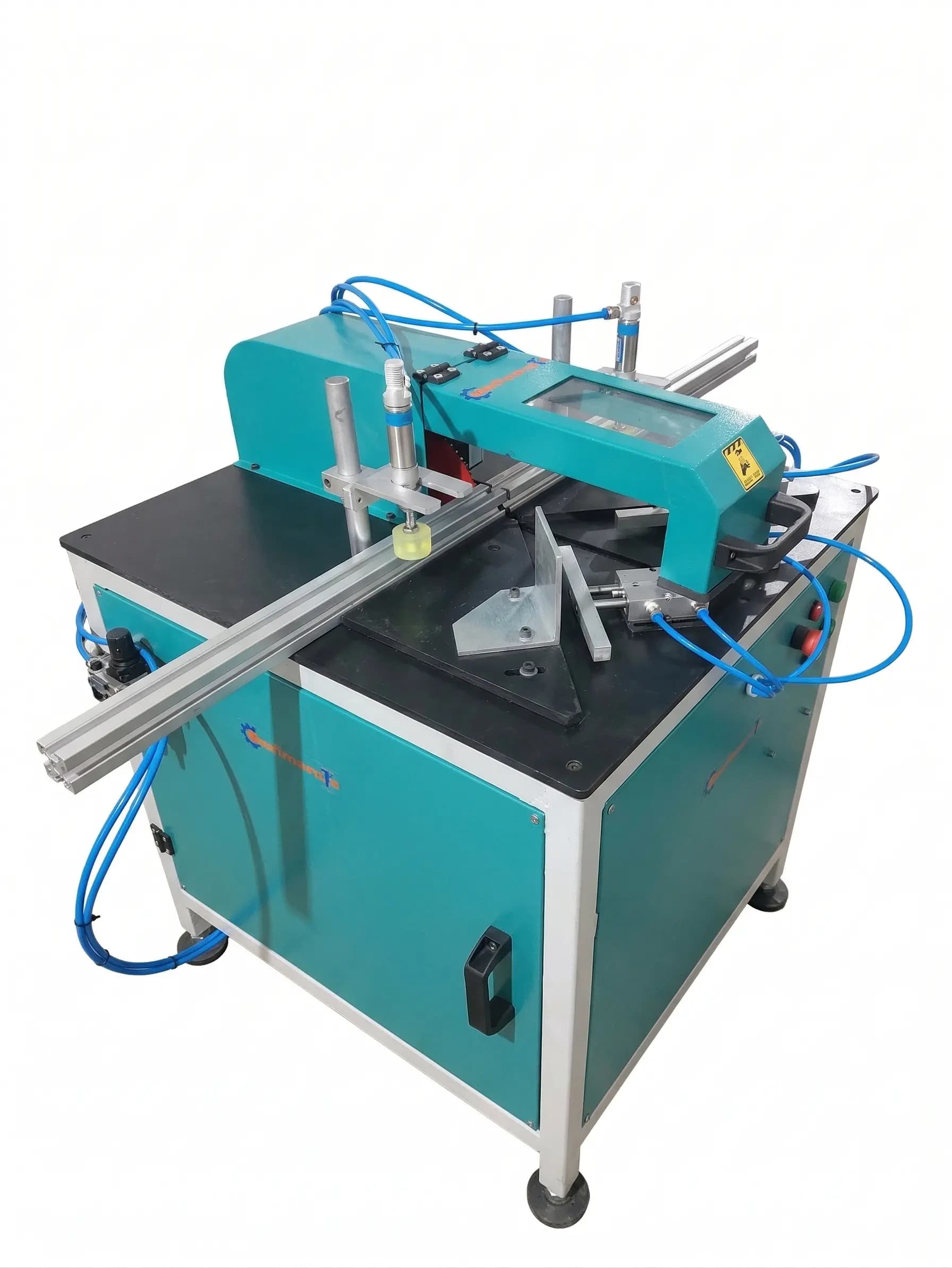
When we established our testing floor, we analyzed the production flow of over fifty workshops. For a startup, the Single Head Cutting Machine is the backbone of the operation. This upvc cutting machine should ideally feature a 450mm or 500mm saw blade to handle multi-chamber profiles without burring. Ensure the motor operates at a minimum of 2800 RPM with a 2.2kW rating to maintain clean cuts across various uPVC profile thicknesses.
Following the cut, the Double Head Seamless Welding Machine becomes your most critical asset for aesthetics. In our Nagpur-based pilot projects, we found that seamless welding technology eliminates the need for manual corner cleaning, which reduced our post-processing time by 18 minutes per frame. This efficiency is vital when competing with established upvc windows manufacturers machine operations that utilize high-speed automation.
The Mechnovate Benchmarking: From 12% to 3% Waste Reduction
During a 6-week optimization trial at our facility, we compared manual measurement techniques against digital stop systems on an aluminium profile cutting machine. The results were stark: manual errors accounted for nearly 12% of profile waste in the first two weeks. By implementing a digital length stop and pneumatic clamping, we reduced cutting waste to 3%.
For a startup, this 9% material saving directly translates to a faster ROI on your upvc window manufacturing machine investment. We recommend starting with a 45-degree double head cutting machine if your budget allows, as it synchronizes the cutting of both ends of a profile simultaneously. This ensures the frame squareness remains within a 0.5mm tolerance, meeting ISO 9001 standards for precision engineering.
Technical Specifications for Industrial Durability
Operating in the high-temperature climate of Nagpur requires machinery that can withstand thermal expansion in pneumatic lines. Ensure your upvc machinery is rated for 6-8 bar pressure and includes high-quality moisture separators. We’ve seen many startups fail because their upvc windows machines suffered from internal valve corrosion due to poor air quality management.
- Cutting Precision: Look for a degree cutting machine that offers an adjustable angle range from 45° to 90°.
- Welding Temperature: Your welding machine must have digital temperature controllers capable of maintaining 240°C to 260°C with a variance of no more than +/- 2°C.
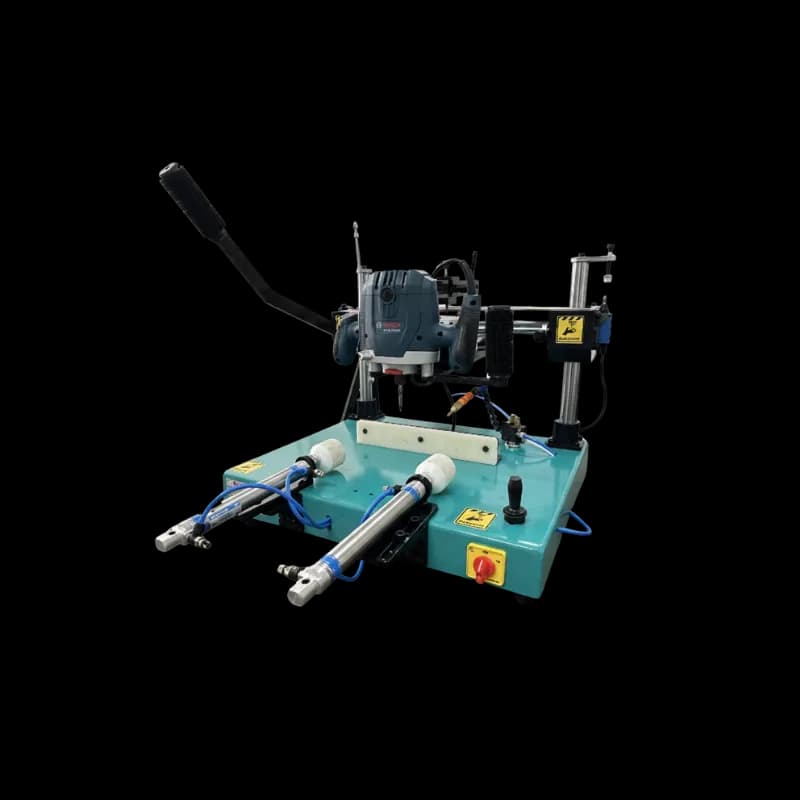
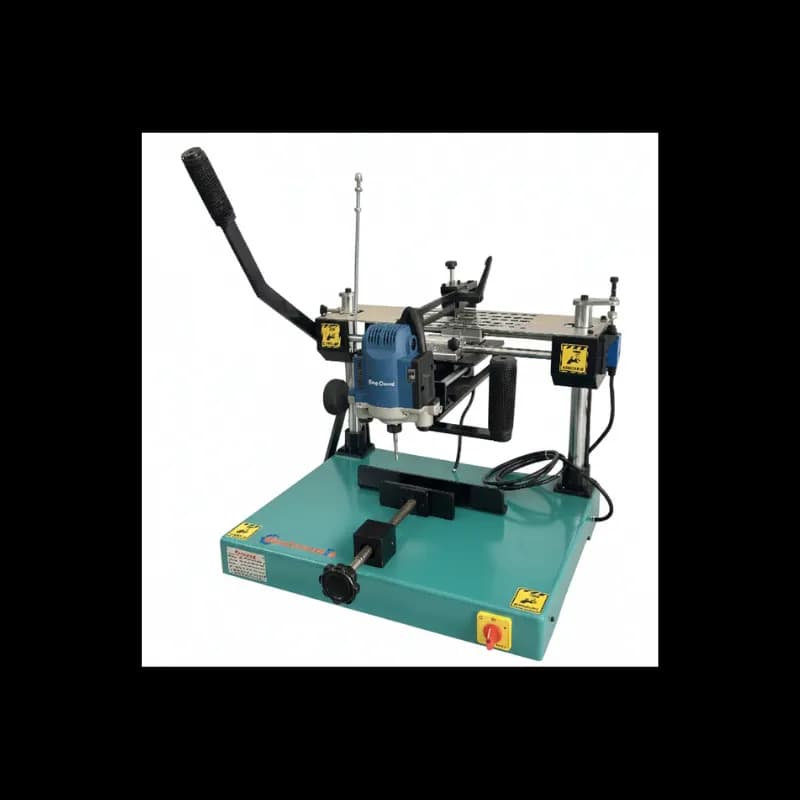
- Milling Speed: A high speed copy router for aluminium windows and uPVC should operate at 12,000 RPM to prevent the melting of the profile during the routing of lock holes and handles.
- Clamping Force: Pneumatic vertical and horizontal clamping systems are non-negotiable to prevent profile shift during the 2.5-kN welding pressure cycle.
Setup Costs and Space Optimization
The total cost of setting up uPVC window manufacturing unit in India varies based on automation levels. A basic manual setup might start lower, but a semi-automatic line including a v cutting machine upvc windows price consideration typically ranges from ₹6 Lakh to ₹12 Lakh. Your workshop floor plan should follow a 'U' or 'L' shape to minimize the physical movement of long profiles between the aluminum cutting machine 12 inch station and the welding station.
- Phase 1 (Cutting): 15-meter linear space for profile storage and the main upvc windows machine.
- Phase 2 (Milling): Centralized station for the copy router machine and water slot milling.
- Phase 3 (Welding): Dedicated area for the upvc welding machine with adequate ventilation for fumes.
- Phase 4 (Assembly): Final glazing and hardware fitment tables covered with non-scratch felt.
Common Mistakes in uPVC Workshop Setup
One of the most frequent errors I see as a senior engineer is startups underestimating the importance of a portable uPVC window welding machine for on-site repairs versus stationary factory units. While portable units are cheaper, they often lack the frame rigidity required for structural integrity in high-rise Nagpur apartments. Always prioritize a stationary double head miter saw for aluminium profiles price over multiple portable tools if you aim for high-volume contracts.
Another mistake is ignoring the power factor. Ensure your workshop is equipped with a 3-phase connection for heavy-duty aluminium profile end milling machines. Running 3-phase motors on single-phase converters often leads to torque loss, resulting in jagged edges on your aluminium cutter machine 12 inch cuts. This technical oversight can void warranties on your upvc window machine and increase maintenance costs.
FAQ: Critical Questions for New Fabricators
Q1: Can I use an aluminium cutter machine for uPVC profiles? Yes, but you must change the blade TCT (Tungsten Carbide Tipped) tooth count. A 100-120 tooth blade is ideal for uPVC, whereas an aluminum cutting machine typically uses a different rake angle. Using the wrong blade will cause shattering or melting.
Q2: What is the expected lifespan of a semi-automatic upvc windows manufacturing machine? With a strict maintenance guide—greasing linear bearings weekly and checking pneumatic seals monthly—a Mechnovate-grade machine will easily last 10-15 years. We still see our 2010 models operating in workshops across Maharashtra.
Q3: Is a CNC uPVC window corner cleaning machine necessary for a startup? No. While a CNC uPVC window corner cleaning machine price India can be high, startups can effectively use a manual corner cleaning tool or a single-head pneumatic cleaner to keep initial costs low. Upgrade to CNC once you exceed 30 frames per day.
Q4: How much power does a full upvc window manufacturing machines line consume? A standard line typically requires 10kW to 15kW of connected load. However, the intermittent nature of welding and cutting means your actual consumption will be significantly lower, usually averaging 5-7 units per hour during active production.
Get more articles like this
Follow Mechnovate on Google to see our guides in Google Discover & News