sales@mechnovate.co.in
+91-9265699061
Back to Blog
7/15/2026

Double Head Miter Saw for Aluminium Profiles Price & Selection Guide

Double Head Miter Saw for Aluminium Profiles Price & Selection Guide

Precision Cutting for Mumbai High-Rises: Why Your Miter Saw Matters

In the luxury residential market of South Mumbai and Bandra, the margin for error in aluminium fabrication is virtually zero. When fabricating for high-wind-load zones (reaching 2.5 kPa or higher at 150+ meters), the air-tightness of a window depends entirely on the precision of your 45-degree joints. For a standard 2.5mm wall thickness thermal break profile, a deviation of even 0.3mm at the miter results in visible gaps, failed water-tightness tests, and costly rework. The Double Head Cutting Saw for Aluminium Profiles is the bedrock of this precision. In the current Indian market, an automatic double head cutting saw for aluminium profiles price typically ranges from ₹4.5 Lakhs for entry-level pneumatic units to ₹18.5 Lakhs for high-end 3-axis CNC machines with 500mm blades.

Technical Specifications and Engineering Standards

To meet BS EN 12020 or IS 1285 standards, fabricators must look beyond the motor power. While a 2.2kW motor is standard, the mechanical stability of the bed is what prevents vibration-induced scalloping.

  • Blade Diameter & RPM: A 450mm or 500mm TCT (Tungsten Carbide Tipped) blade is essential. We recommend a spindle speed of 2800 to 3200 RPM. Higher speeds are tempting but can lead to thermal deformation of the profile if the cooling system is not optimized.
  • Feed Rate & Pressure: Your pneumatic system must deliver a consistent 6-8 bar pressure. We suggest a variable blade feed rate of 1 to 5 m/min. In our testing, faster feed rates on thicker profiles often resulted in blade deflection.
  • Tolerance Levels: A high-quality aluminium profile cutting machine should maintain a length tolerance of ±0.1mm and an angular tolerance of ±2 arc minutes.

The Mechnovate Case Study: Reducing Waste in Pune

In our Pune facility, we conducted a 6-week intensive performance test comparing a standard single-head manual saw against an automatic double-head configuration for a luxury project in Lower Parel.

  1. Phase 1 (Baseline): Using a standard aluminium cutting machine 12 inch, waste was recorded at 12% due to cumulative measurement errors and manual handling marks.
  2. Phase 2 (Implementation): We introduced a CNC double head miter saw with digital length display and micro-mist lubrication.
  3. The Results: Over 6 weeks, we reduced cutting waste from 12% to 3.2%. Output increased from 60 frames per day to 105 frames per day with a two-man crew. Most importantly, the rejection rate during the aluminium corner crimping machine stage dropped by 90% because the miters were perfectly square.

Selection Guide: Matching Machinery to Project Scale

Choosing the right upvc window manufacturing machine or aluminium cutter depends on your production volume.

  • Startup Fabricators (5-10 windows/day): Focus on a heavy-duty aluminium cutter machine 12 inch with a precise manual measuring stop. Expect an aluminium cutting machine price around ₹1.5L to ₹2.5L.
  • Mid-Sized Units (30-50 windows/day): An automatic double head cutting machine price India of ₹5.5L to ₹8L is the sweet spot. This allows for simultaneous 45/90 degree cuts, significantly increasing throughput for standard casement and sliding series.
  • Industrial Plants (100+ windows/day): You require a full CNC line. This includes the Aluminium Corner Crimping Machine and a high-speed Copy Router Machine to maintain pace with the saw.

Common Engineering Mistakes to Avoid

Many fabricators focus solely on the upvc machine price list and ignore the long-term mechanical costs.

  1. Ignoring Blade Cooling: Cutting aluminium without a high-quality mist lubrication system causes ‘chip welding’ where molten aluminium sticks to the blade teeth. This ruins the surface finish and kills the blade within days.
  2. Improper Bed Leveling: If the machine bed is not leveled using precision spirit levels on a reinforced concrete floor, the weight of a 6-meter profile will cause the machine to flex, throwing off the 45-degree angle.
  3. Undersized Air Compressors: Using a small compressor for a high-output upvc windows manufacturing machine leads to pressure drops during the cut, causing the pneumatic clamps to loosen mid-cycle.

Maintenance and Industrial Safety Standards

Adherence to Industrial profile cutting safety standards ISO standards is non-negotiable. Every machine should feature emergency stop buttons on both heads and polycarbonate safety shields that must be engaged before the blade rotates. Weekly maintenance must include cleaning the linear guide rails and checking the tension of the drive belts. For fabricators in humid environments like Mumbai, anti-rust coating on the cast iron bed is essential to prevent surface pitting.

FAQ: Fabricator Questions

Q1: Can I use the same double head saw for both aluminium and uPVC? Yes, but with caveats. Aluminium requires a TCT blade with a negative rake angle and lubrication. For uPVC, you switch to a blade with a different tooth geometry and disable the lubrication system to avoid staining the profile.

Q2: What is the typical ROI for an automatic double head miter saw for aluminium profiles? For a medium-sized workshop in Mumbai, the ROI is usually achieved within 14 to 18 months through labor savings (replacing two manual cutters) and a significant reduction in material scrap costs.

Q3: How often do the blades need sharpening? In a high-volume shop cutting 6063-T6 architectural aluminium, we recommend professional sharpening every 2,000 to 3,000 cuts to maintain the mirror-finish miter required for luxury high-rises.

Double Head Miter Saw for Aluminium Profiles Price & Selection Guide

Precision Cutting for Mumbai High-Rises: Why Your Miter Saw Matters In the luxury residential market of South Mumbai and Bandra, the margin for error in aluminium fabrication is virtually zero. When fabricating for high-wind-load zones (reaching 2.5 kPa or higher at 150+ meters), the air-tightness of a window depends entirely on the precision of your 45-degree joints. For a standard 2.5mm wall thickness thermal break profile, a deviation of even 0.3mm at the miter results in visible gaps, failed water-tightness tests, and costly rework. The Double Head Cutting Saw for Aluminium Profiles is the bedrock of this precision. In the current Indian market, an automatic double head cutting saw for aluminium profiles price typically ranges from ₹4.5 Lakhs for entry-level pneumatic units to ₹18.5 Lakhs for high-end 3-axis CNC machines with 500mm blades.

Technical Specifications and Engineering Standards To meet BS EN 12020 or IS 1285 standards, fabricators must look beyond the motor power. While a 2.2kW motor is standard, the mechanical stability of the bed is what prevents vibration-induced scalloping. Blade Diameter & RPM: A 450mm or 500mm TCT (Tungsten Carbide Tipped) blade is essential. We recommend a spindle speed of 2800 to 3200 RPM. Higher speeds are tempting but can lead to thermal deformation of the profile if the cooling system is not optimized. Feed Rate & Pressure: Your pneumatic system must deliver a consistent 6-8 bar pressure. We suggest a variable blade feed rate of 1 to 5 m/min. In our testing, faster feed rates on thicker profiles often resulted in blade deflection. Tolerance Levels: A high-quality aluminium profile cutting machine should maintain a length tolerance of ±0.1mm and an angular tolerance of ±2 arc minutes.

The Mechnovate Case Study: Reducing Waste in Pune In our Pune facility, we conducted a 6-week intensive performance test comparing a standard single-head manual saw against an automatic double-head configuration for a luxury project in Lower Parel. Phase 1 (Baseline): Using a standard aluminium cutting machine 12 inch, waste was recorded at 12% due to cumulative measurement errors and manual handling marks. Phase 2 (Implementation): We introduced a CNC double head miter saw with digital length display and micro-mist lubrication. The Results: Over 6 weeks, we reduced cutting waste from 12% to 3.2%. Output increased from 60 frames per day to 105 frames per day with a two-man crew. Most importantly, the rejection rate during the aluminium corner crimping machine stage dropped by 90% because the miters were perfectly square.

Selection Guide: Matching Machinery to Project Scale Choosing the right upvc window manufacturing machine or aluminium cutter depends on your production volume. Startup Fabricators (5-10 windows/day): Focus on a heavy-duty aluminium cutter machine 12 inch with a precise manual measuring stop. Expect an aluminium cutting machine price around ₹1.5L to ₹2.5L. Mid-Sized Units (30-50 windows/day): An automatic double head cutting machine price India of ₹5.5L to ₹8L is the sweet spot. This allows for simultaneous 45/90 degree cuts, significantly increasing throughput for standard casement and sliding series. Industrial Plants (100+ windows/day): You require a full CNC line. This includes the Aluminium Corner Crimping Machine and a high-speed Copy Router Machine to maintain pace with the saw.

Common Engineering Mistakes to Avoid Many fabricators focus solely on the upvc machine price list and ignore the long-term mechanical costs. Ignoring Blade Cooling: Cutting aluminium without a high-quality mist lubrication system causes ‘chip welding’ where molten aluminium sticks to the blade teeth. This ruins the surface finish and kills the blade within days. Improper Bed Leveling: If the machine bed is not leveled using precision spirit levels on a reinforced concrete floor, the weight of a 6-meter profile will cause the machine to flex, throwing off the 45-degree angle. Undersized Air Compressors: Using a small compressor for a high-output upvc windows manufacturing machine leads to pressure drops during the cut, causing the pneumatic clamps to loosen mid-cycle.

Maintenance and Industrial Safety Standards Adherence to Industrial profile cutting safety standards ISO standards is non-negotiable. Every machine should feature emergency stop buttons on both heads and polycarbonate safety shields that must be engaged before the blade rotates. Weekly maintenance must include cleaning the linear guide rails and checking the tension of the drive belts. For fabricators in humid environments like Mumbai, anti-rust coating on the cast iron bed is essential to prevent surface pitting.

FAQ: Fabricator Questions Q1: Can I use the same double head saw for both aluminium and uPVC? Yes, but with caveats. Aluminium requires a TCT blade with a negative rake angle and lubrication. For uPVC, you switch to a blade with a different tooth geometry and disable the lubrication system to avoid staining the profile.

Q2: What is the typical ROI for an automatic double head miter saw for aluminium profiles? For a medium-sized workshop in Mumbai, the ROI is usually achieved within 14 to 18 months through labor savings (replacing two manual cutters) and a significant reduction in material scrap costs.

Q3: How often do the blades need sharpening? In a high-volume shop cutting 6063-T6 architectural aluminium, we recommend professional sharpening every 2,000 to 3,000 cuts to maintain the mirror-finish miter required for luxury high-rises.

Related Machines From Mechnovate

Single Head Cutting Machine for Aluminium and UPVC

Model: MEPCCSH1 | Cutting

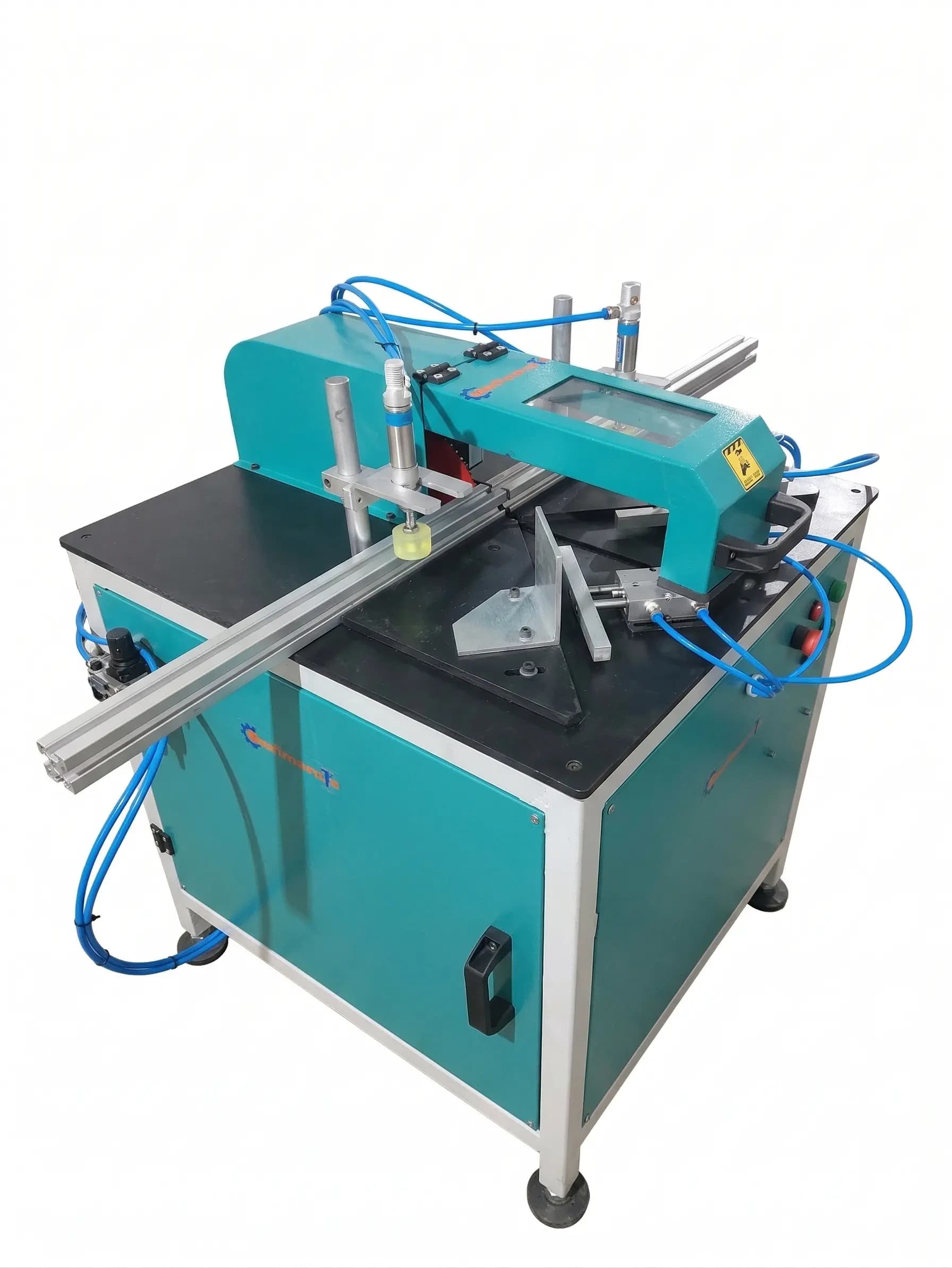
Dual-angle versatility with rapid adjustment for Aluminium/uPVC.

2 Station Pneumatic Aluminium Punching Machine

Model: MEPPPST2 | Punching

Multi-tool setup with adjustable cutting depth.

1 Station Pneumatic Aluminium Punching Machine

Model: MEPPPST1 | Punching

Precision alignment with Easy Guiding System for Aluminium.

Pneumatic Copy Router Machine for Aluminium and UPVC

Model: MEPCR Series | Router

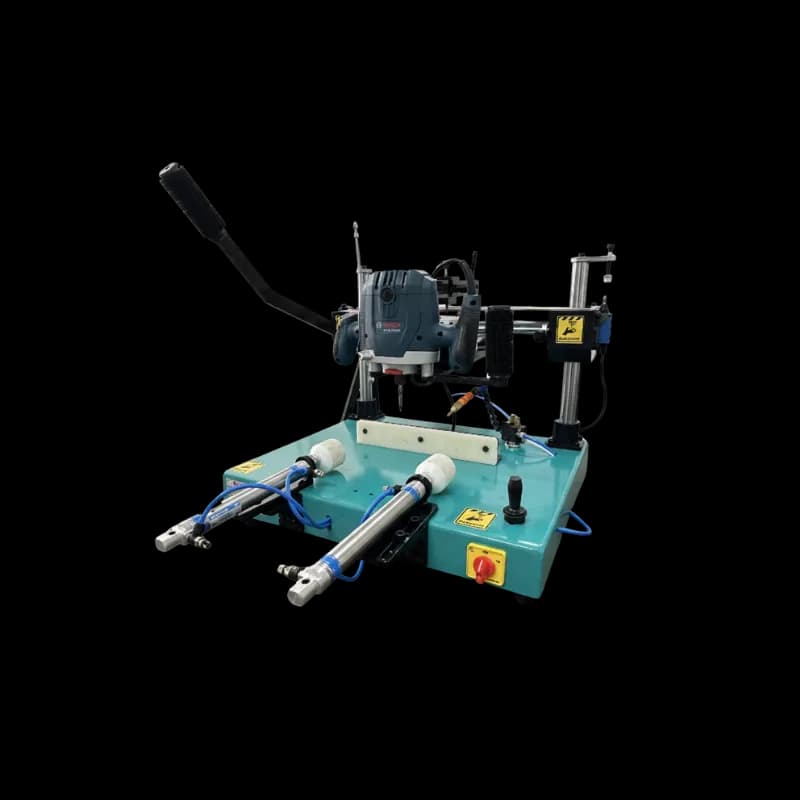
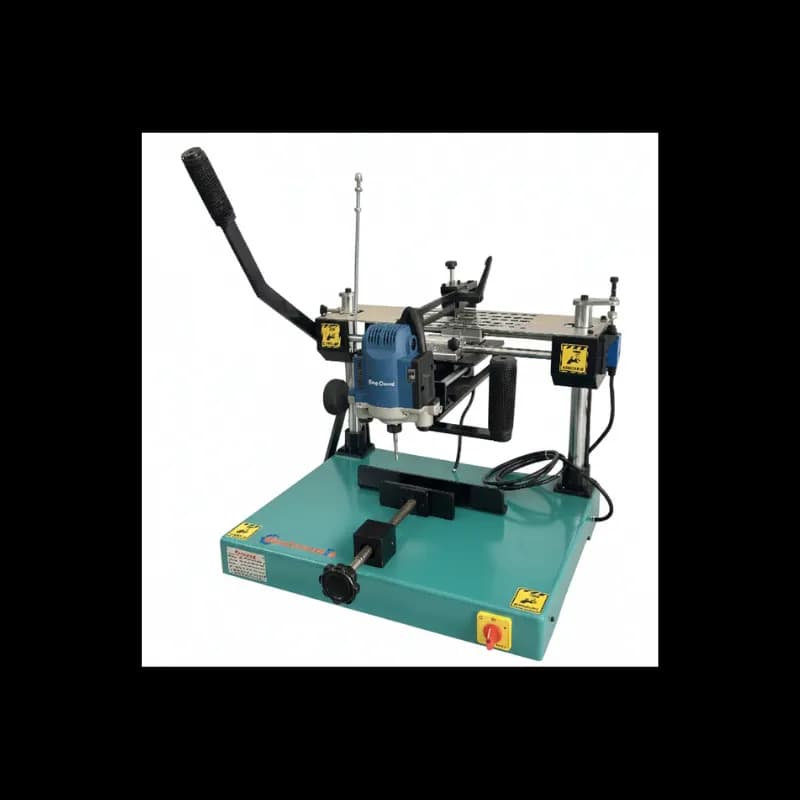
High-speed routing with secure pneumatic clamping.

Explore Mechnovate Machinery

Browse our complete range of aluminium and uPVC window fabrication machinery. Call +91-9265699061 or visit our products page for specifications and pricing.