Defeating Nagpur Heat: uPVC Welding Machine Maintenance Guide
Solving the High-Heat Welding Crisis in Nagpur Workshops
In the Vidarbha region, ambient temperatures frequently exceed 45°C, creating a hostile environment for precision fabrication. When the shop floor temperature rises, the standard factory settings on your uPVC welding machine become obsolete. High ambient heat affects the thermal conductivity of the heating plates and the cooling rate of the melted profile. To maintain structural integrity, Nagpur fabricators must recalibrate their dwell times and melt pressures to prevent brittle joints.
During a recent audit of a facility in Butibori, we found that corner breakage rates spiked by 12% during the peak summer months of April and May. By adjusting the heater plate temperature from the standard 260°C down to 252°C and increasing the cooling time by 4 seconds, we successfully reduced rejection rates to under 0.5%. This adjustment accounts for the slower heat dissipation in the Nagpur climate, ensuring the polymer chains bond correctly without overheating the profile surface.
5 Critical Maintenance Steps for High-Temperature Operation
Maintaining upvc windows machinery in a desert-like climate requires a proactive approach to pneumatic and thermal systems. Follow these five steps to ensure your production line remains consistent:
- PTFE Sheet Rotation: In heat exceeding 40°C, the non-stick PTFE sheets on your heating plates degrade 30% faster. Inspect these daily for carbon buildup or discoloration which causes uneven heat transfer.
- Pneumatic Water Management: High heat combined with humidity transitions in Nagpur causes rapid condensation in air lines. Use an auto-drain filter regulator to prevent water from entering the cylinders of your upvc window manufacturing machine.
- Lubrication Viscosity: Standard grease can thin out and leak at 50°C. Switch to high-temperature synthetic lubricants for all linear guide rails to ensure smooth movement during the melting phase.
- Voltage Stabilization: Heat puts immense strain on the local power grid, leading to voltage fluctuations. Ensure your upvc welding machine price investment is protected by a dedicated stabilizer to prevent PLC logic errors.
- Cooling Fan Verification: Check the internal cooling fans of the control cabinet. If these fail in Nagpur heat, the solid-state relays (SSRs) will overheat, leading to intermittent heating plate failures.
Precision Calibration: Adjusting for Material Expansion
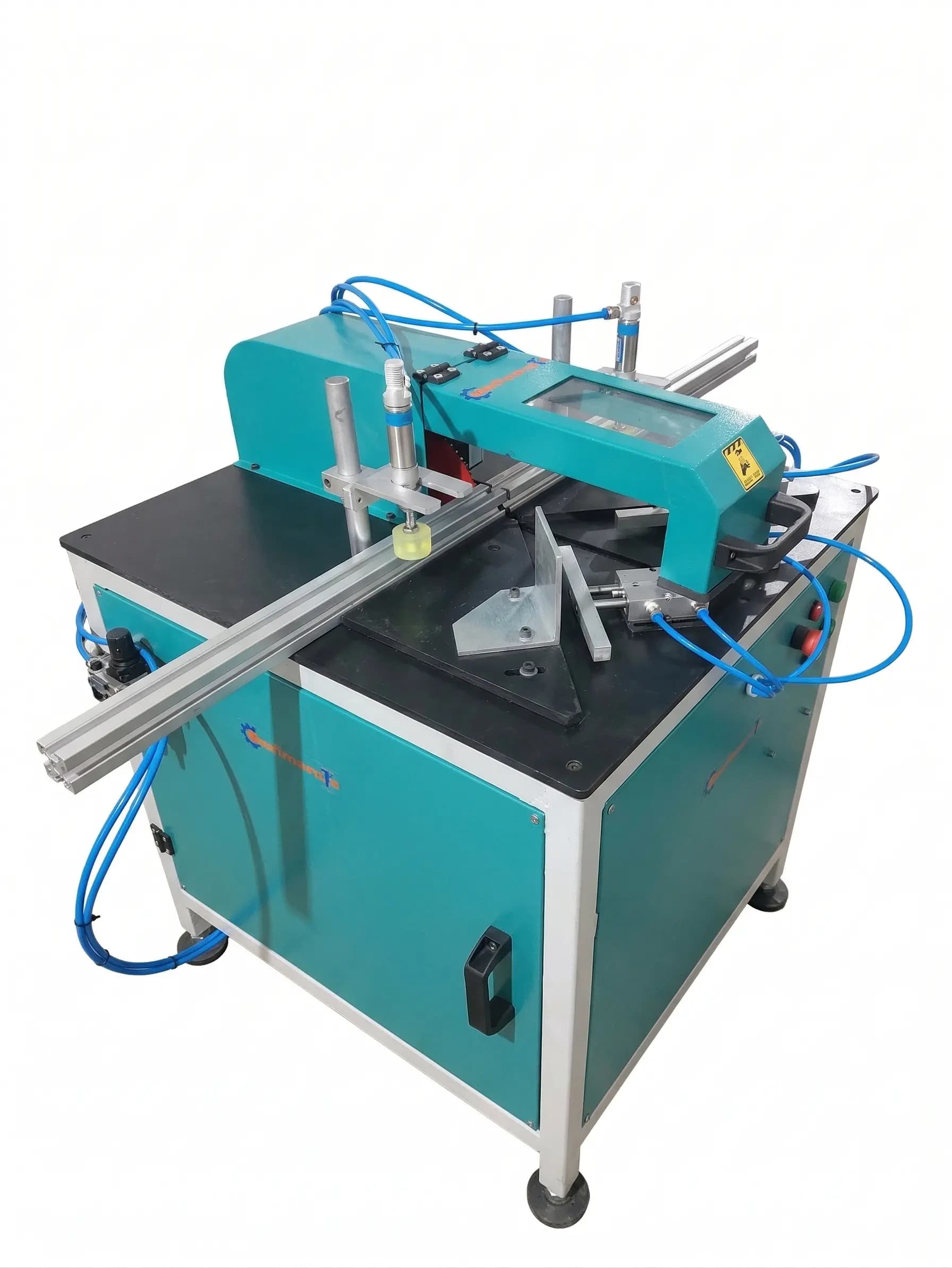
uPVC profiles expand significantly in heat. A 6-meter profile can expand by several millimeters when moving from a sun-exposed storage rack to a shaded cutting station. This expansion affects the accuracy of your upvc cutting machine and subsequent welding. In our testing, we found that profiles stored at 42°C required a 1.5mm offset adjustment on the weld allowance to achieve a perfect 90-degree corner. Failure to account for this leads to frames that are out of square, a common issue for upvc windows manufacturers machine operators in Central India.
We recommend a 'Cold-Start Calibration' every morning at 8:00 AM and a 'Peak-Heat Recalibration' at 2:00 PM. This involves testing a scrap piece and performing a corner strength test using a hydraulic press. For those using a double head seamless welding machine, the tolerance for the seamless knife must be checked weekly, as thermal expansion of the metal components can cause the 'seamless' finish to leave a visible 0.2mm gap.
Avoiding Common Fabrication Failures in Nagpur
One of the most common mistakes is ignoring the 'soaking time.' In high ambient heat, the surface of the uPVC melts quickly, but the core remains cool. This creates a 'false weld' that looks perfect but fails under wind load. Expert fabricators know that a slightly lower temperature (250°C) with a longer soaking time (25-30 seconds) results in a much deeper molecular fuse than a quick high-heat weld. This is essential for anyone using an upvc window manufacturing machine to supply high-rise projects in the city.
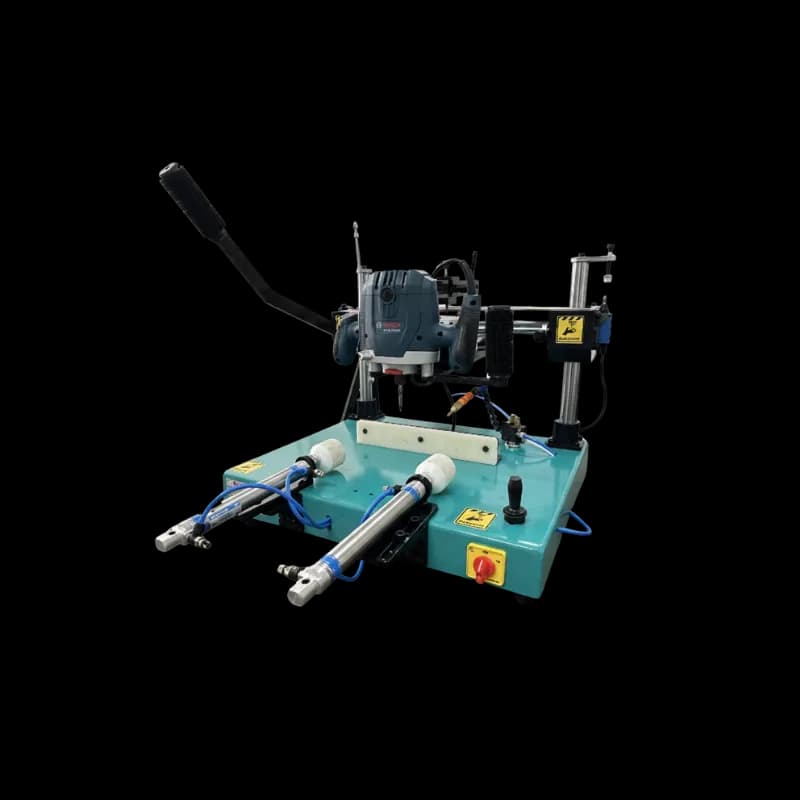
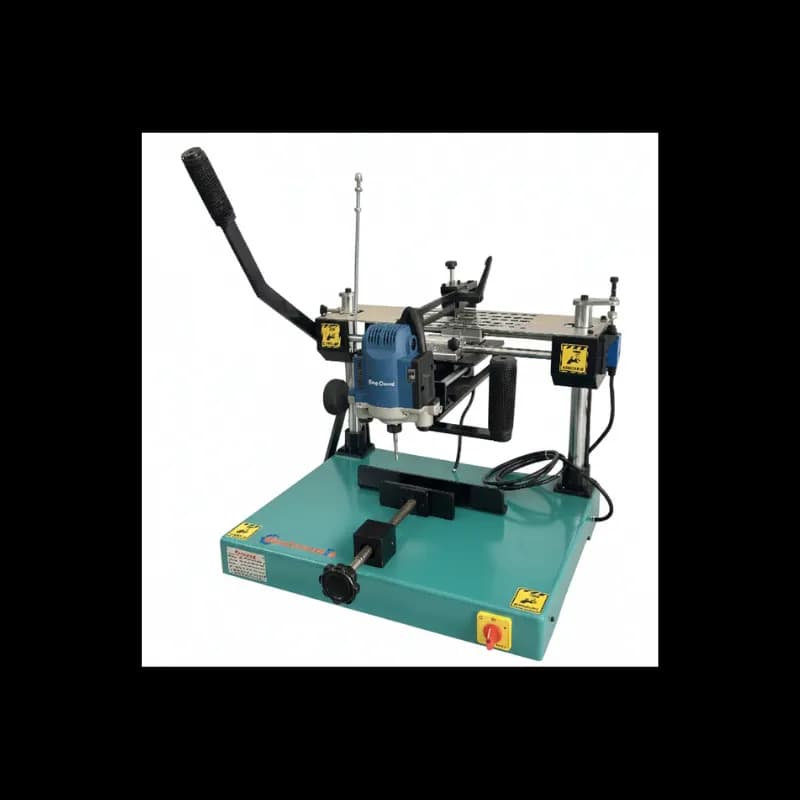
Additionally, check your pneumatic pressure. High temperatures can cause seals in the clamping cylinders to soften, leading to slight profile slippage during the joining phase. Maintain a steady 6-8 bar pressure and inspect seals for 'heat-hardening' every quarter. If you are using a copy router machine in the same line, ensure the motor is not running hot, as this can transfer heat to the profile and cause warping before it even reaches the welding stage.
FAQ: uPVC Machinery Maintenance in High-Heat Zones
Q: Why are my welds turning yellow in the summer? This is usually a sign of 'burning' the uPVC. Reduce your heater plate temperature by 5°C and check if your PTFE sheet needs replacement. The ambient heat in Nagpur adds to the cumulative heat on the profile surface.
Q: How does heat affect the price and setup of a new unit? When calculating the cost of setting up uPVC window manufacturing unit in India, you must budget for a high-quality air compressor and a climate-controlled storage area for profiles to prevent pre-fabrication warping.
Q: Can I use a portable welder for large-scale Nagpur projects? While a portable uPVC window welding machine is great for repairs, the lack of digital temperature control makes it difficult to maintain consistency in extreme heat. For professional setups, a upvc window manufacturing machines with digital PLC control is mandatory for quality assurance.
Get more articles like this
Follow Mechnovate on Google to see our guides in Google Discover & News