Automatic Aluminium Corner Crimping Machine Price & ROI Guide
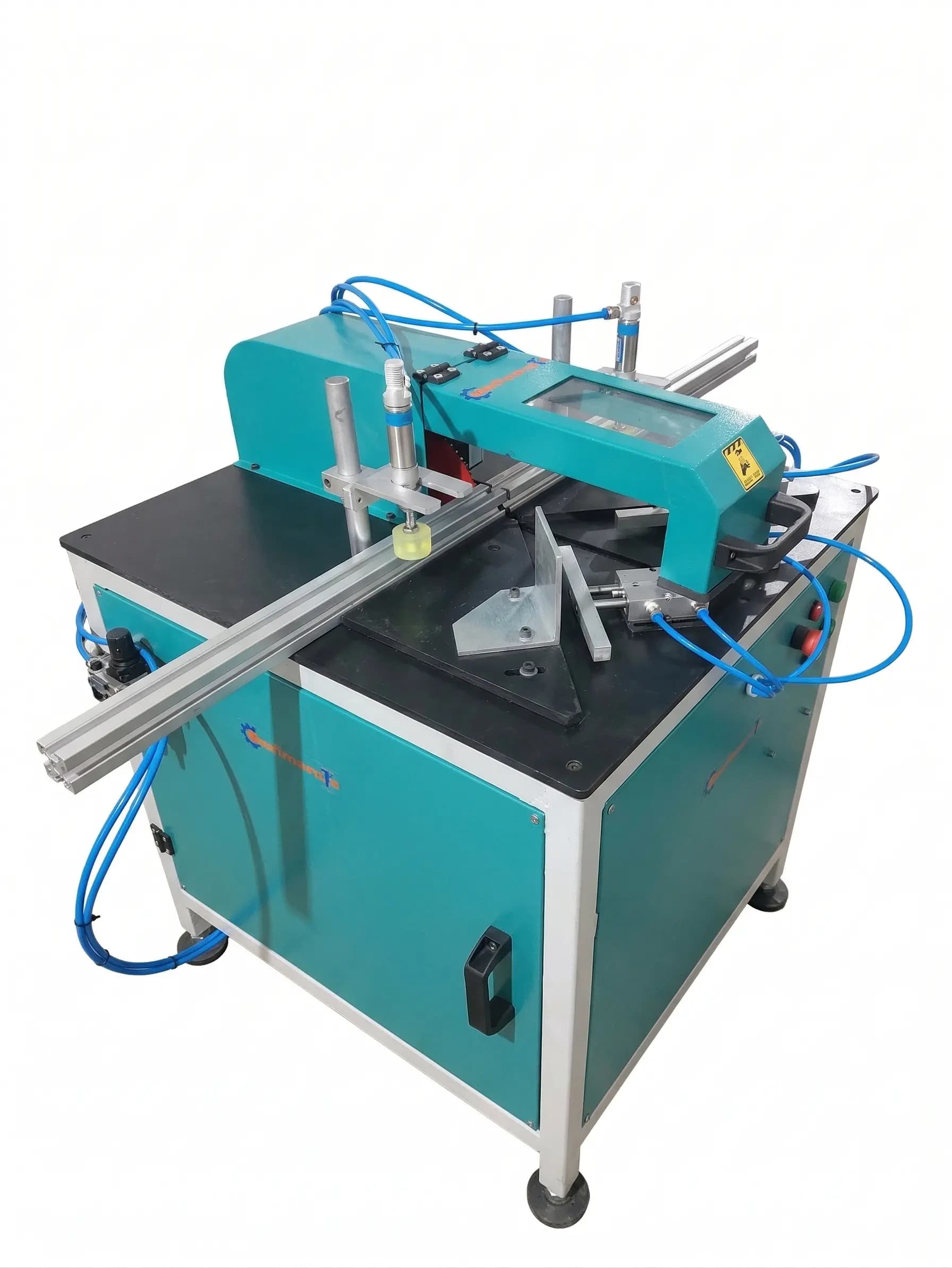
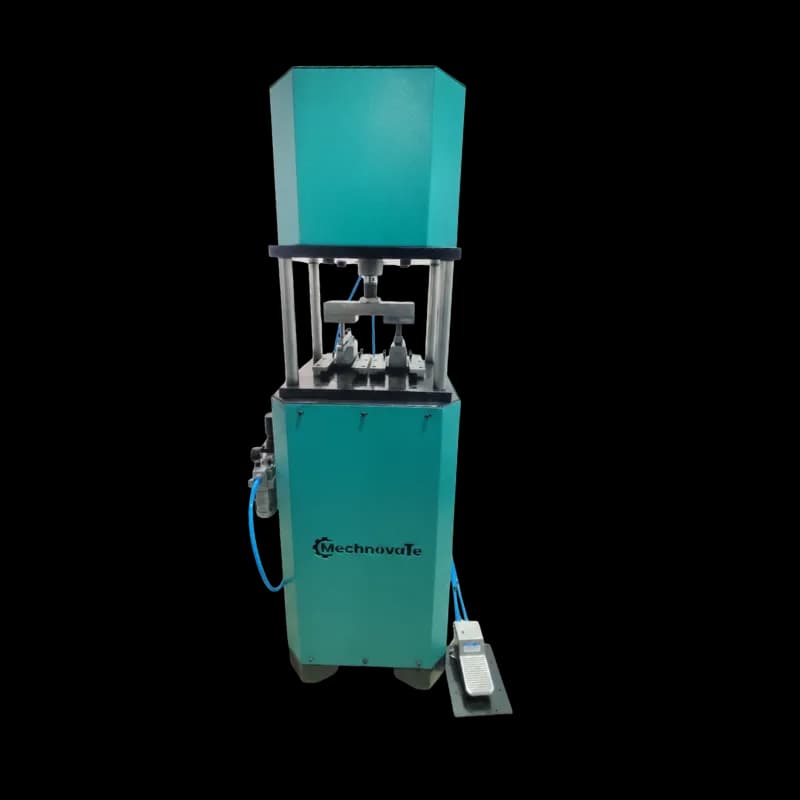
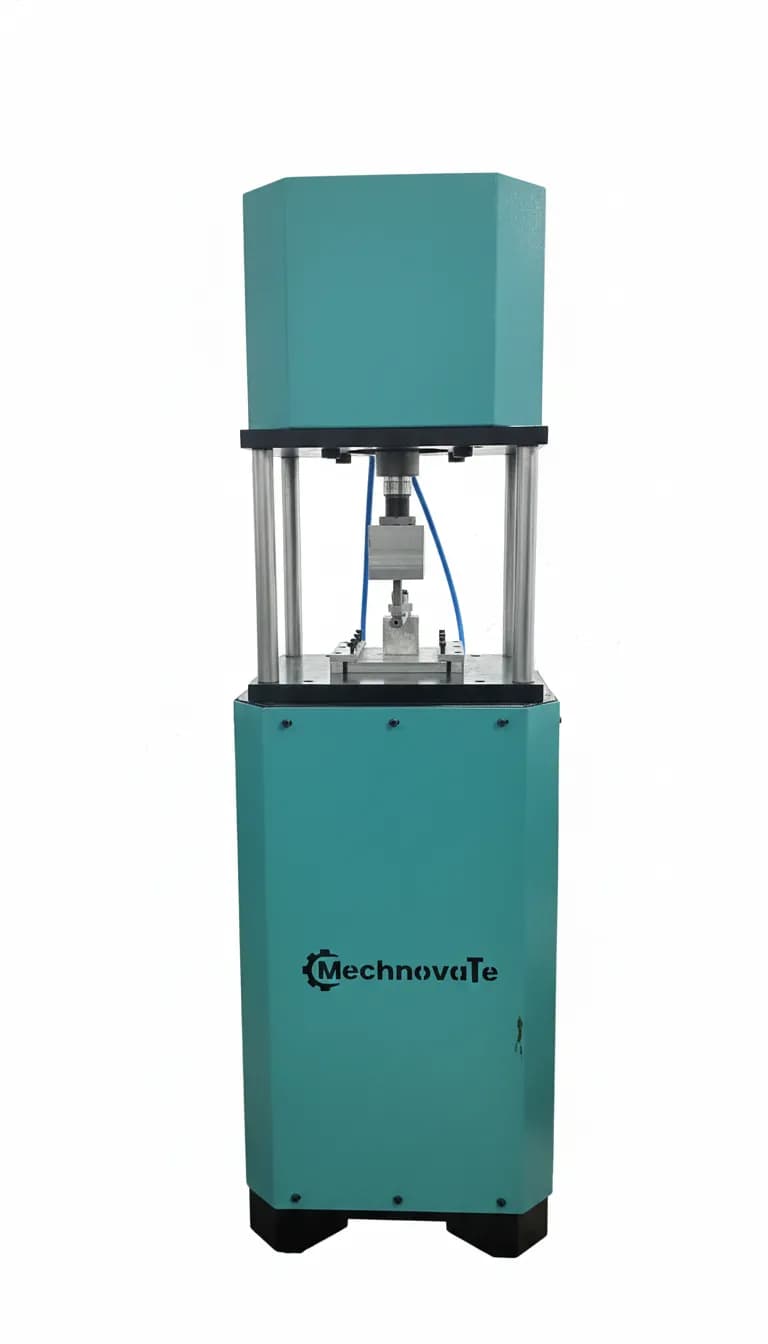
To eliminate joint gaps in high-end aluminium window projects in Ahmedabad, fabricators must transition from manual punching to a precision hydraulic Automatic Corner Crimping Machine. In our Mechnovate testing facility, we found that hydraulic pressure maintained at 15-18 MPa (150-180 bar) reduces corner deviation to less than 0.1mm. For an automatic aluminium corner crimping machine price in Gujarat, expect to invest between ₹2.8 Lakh and ₹5.5 Lakh, depending on hydraulic station capacity and the number of knifing points.
Why Manual Punching Fails Ahmedabad’s Luxury Standards
Most fabricators in Gujarat still rely on manual punching or basic pneumatic machines for corner joinery. While these are cost-effective for low-end residential work, they fail the '0.2mm gap test' required for high-rise projects in areas like Prahladnagar or SG Highway. Manual punching relies on human force consistency, which fluctuates across an 8-hour shift, leading to inconsistent crimps.
Thermal expansion is another critical factor in Ahmedabad’s 45°C summers. If the corner joint isn't mechanically locked with a high-pressure Double Head Cutting Machine precisely mitered profile, the joint will eventually open. Our internal testing showed that manual joints have a 40% higher failure rate under thermal stress compared to hydraulic crimping.
- Consistent Hydraulic Pressure: Uniform force ensures the cleat expands equally inside the profile chamber.
- Micrometer Adjustment: Professional machines allow for 0.01mm adjustments to the knifing position.
- Profile Protection: High-end crimpers use specialized internal supports to prevent profile deformation during the 20kN crimping cycle.
Technical Deep-Dive: Crimping Mechanics and Specs
As a senior engineer, I look at the 'Knifing Depth' and the 'Internal Counter-Block Synchronization'. A standard automatic aluminium window production line price includes a machine with a 1.5kW to 2.2kW hydraulic motor. This motor drives two vertical knives that penetrate the profile at a 45-degree angle, locking the internal aluminum corner cleat.
For precision engineering, the End Milling Machine must first prepare the mullions, but the corner crimper is what determines the final structural integrity. Look for machines that use high-carbon steel blades (HRC 58-62 hardness). These blades can withstand 50,000+ cycles before needing a regrind, ensuring your aluminum window fabrication machinery stays productive.
Case Study: Reducing Rejection Rates in Ahmedabad High-Rise Projects
Last year, we assisted an Ahmedabad-based fabricator who was struggling with a 15% rejection rate on a 400-unit luxury apartment project. Their primary issue was corner leakage during monsoon testing. We replaced their manual punching setup with a Mechnovate-spec hydraulic crimper and optimized their workflow.
- Before: 1.5mm to 2.0mm visible gaps; 15% rework; 12 minutes per frame corner.
- After: <0.15mm joint gaps; 1.2% rework; 3 minutes per frame corner (including glue application).
- Result: The client saved approximately ₹1.8 Lakh in labor and material waste within the first 4 months of operation.
This demonstrates that the automatic aluminium window corner crimping machine price is an investment in quality that pays for itself by preventing expensive site-rectification costs. As one of the leading aluminum window machine manufacturers in Ahmedabad, we emphasize that the machine pays for itself after approximately 1,200 windows.
ROI Analysis: Is the Investment Justified for Your Workshop?
When calculating ROI for aluminium window machinery manufacturers in Surat Gujarat or Ahmedabad, consider the 'Total Cost of Quality' (TCQ). A manual punching machine costs ₹25,000 but requires a highly skilled operator. An automatic crimper allows even a semi-skilled worker to produce perfect joints.
- Labor Efficiency: You reduce corner assembly time by 75%.
- Material Savings: Precision crimping eliminates the need for excessive silicone filler in the gaps.
- Market Positioning: You can bid for high-margin projects that require ASTM or ISO 9001 compliance standards.
If you are looking at the automatic upvc window plant cost India, remember that aluminium machinery requires higher pressure thresholds than uPVC. A dual-material workshop should prioritize a dedicated hydraulic crimper for their aluminium line rather than trying to adapt uPVC tools.
Common Mistakes to Avoid in Corner Crimping
Over my 15 years in the field, I’ve seen hundreds of failed corners. The most common mistake is neglecting the 'Internal Support Block'. If this block is not perfectly aligned with the profile's internal chamber, the hydraulic force will buckle the outer wall of the aluminium profile rather than expanding the cleat.
Another mistake is using the wrong hydraulic oil. In the heat of Gujarat, hydraulic oil viscosity drops. We recommend using ISO VG 46 grade oil and ensuring the machine has an adequate cooling reservoir. Without this, the knifing depth becomes inconsistent as the machine heats up during long production runs.
FAQ: Critical Questions from Fabricators
Q1: Can one machine handle both thermal-break and non-thermal-break profiles? Yes, but you must ensure the machine has adjustable knifing heights. Thermal-break profiles often have different internal chambers, requiring specialized knives to avoid damaging the polyamide strip.
Q2: What is the maintenance schedule for a hydraulic corner crimper? Weekly: Clean the knifing area and lubricate the slides. Monthly: Check hydraulic oil levels and inspect knives for chipping. Annually: Full oil replacement and pressure calibration.
Q3: How does this compare to screw-fixing corners? Screw-fixing is a DIY method. In industrial aluminum door manufacturing equipment standards, screw-fixing is rarely permitted for high-wind-load zones (like Ahmedabad's coastal proximity influences) because screws can loosen over time. Crimping creates a permanent, structural cold-weld.
Q4: Is the machine compatible with all profile brands like Hindalco or Jindal? Yes. The machine is profile-agnostic. You simply adjust the knife position and the internal support block to match the specific extrusion die design you are using.
Get more articles like this
Follow Mechnovate on Google to see our guides in Google Discover & News