uPVC Window Machine Price in Kolkata: Workshop Setup Guide for East India Fabricators
Kolkata's uPVC window fabrication market splits into two distinct demand segments, each with different machine requirements and order volumes. The first is new construction: Rajarhat New Town, New Town Action Area, and Salt Lake Sector V are seeing steady growth driven by IT park expansion, HIDCO residential projects, and premium apartment towers. These clients specify large double-glazed uPVC windows and order in batches of 100 or more frames per contract. The second segment is renovation: Kolkata holds one of India's largest stocks of pre-independence and post-partition residential buildings, and window replacement is a steady, year-round revenue stream for fabricators who position themselves in that market. If you are setting up a uPVC workshop in Kolkata, Howrah, Dankuni, or Barrackpore, understanding these two segments shapes every machine purchase decision you make.
Entry-Level Machine Investment for Kolkata Fabricators
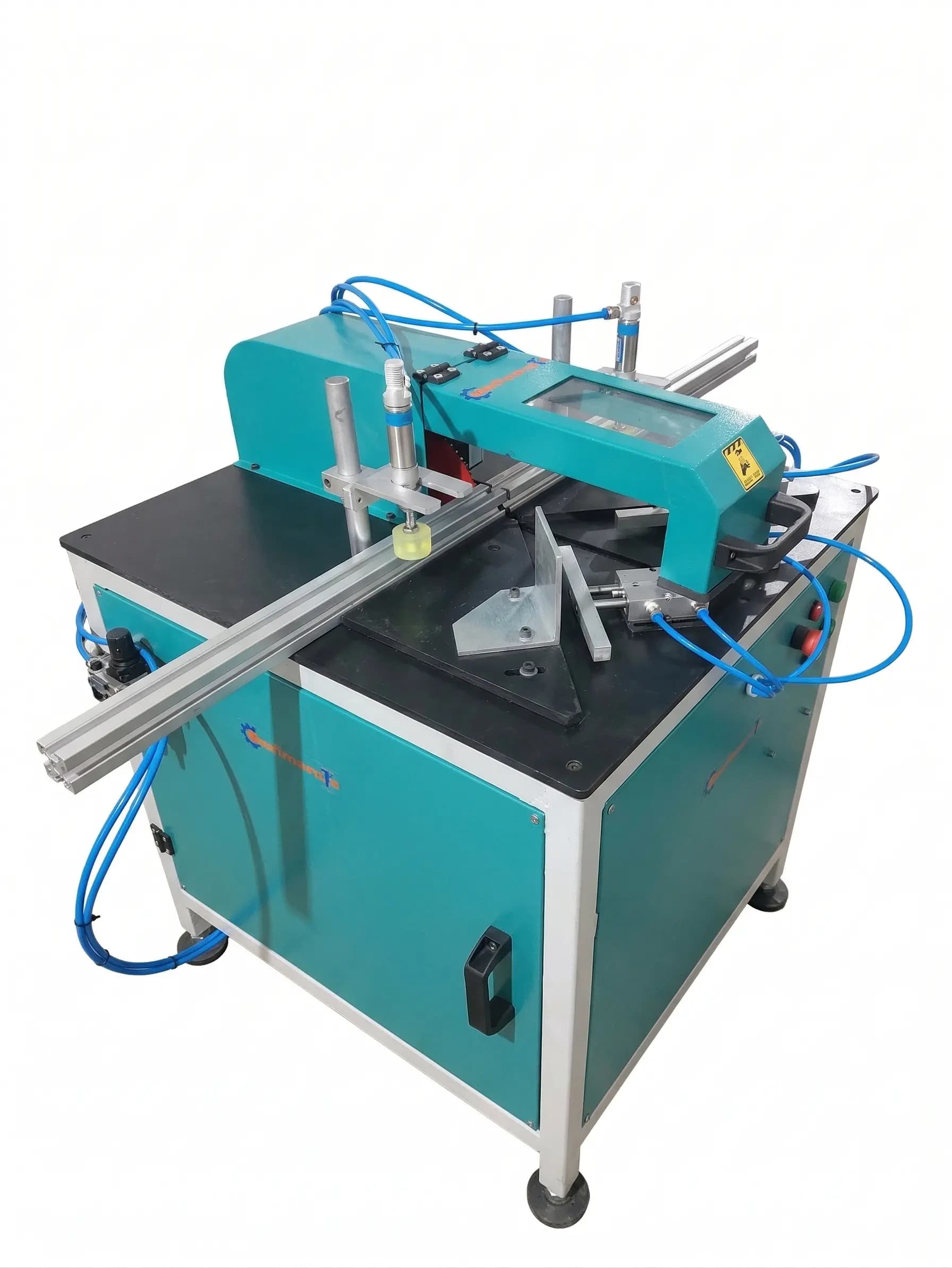
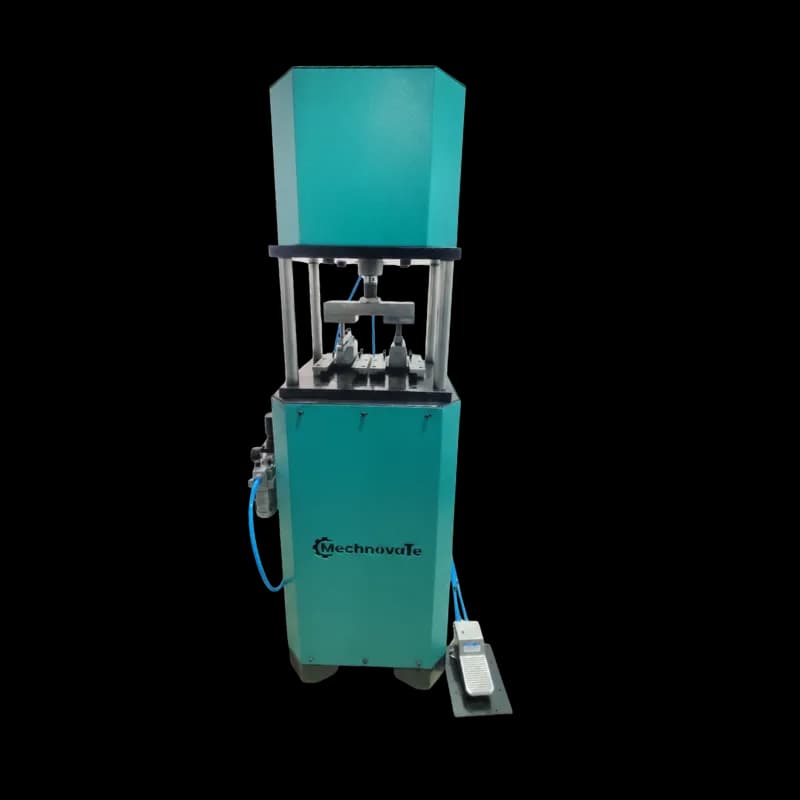
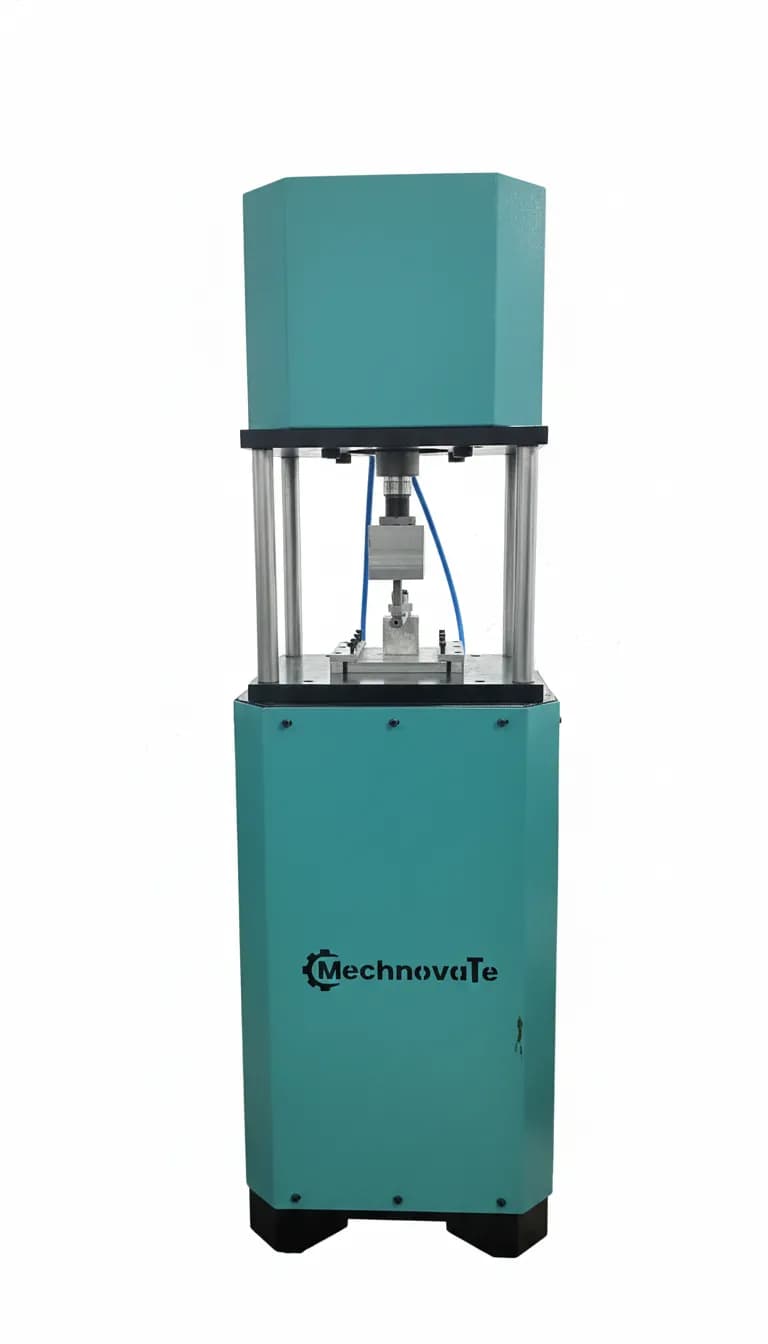
The minimum viable machine setup for a uPVC fabrication startup is three machines: a cutting machine, a punching machine, and a copy router. Using Mechnovate's current prices, the lowest-cost configuration is:
- 45/90 Degree Cutting Machine — ₹55,000
- Manual Punching Machine — ₹20,000
- Manual Copy Router Machine — ₹35,000
Total machine investment: ₹1,10,000
This setup handles uPVC profiles up to 100mm depth and is compatible with Domal, Jindalinium, Dumal, Hindalco, and Alumil profiles — all commonly traded in Howrah's wholesale markets. Unlike fabricators in Mumbai or Pune who often start with pneumatic tooling, Kolkata-based operators benefit from lower local labour costs, which means manual machines deliver acceptable throughput per rupee invested during the first 12–18 months of operations. When your daily output regularly exceeds 15 windows, the upgrade path is clear: the manual vs pneumatic punching machine comparison breaks down exactly where the productivity crossover point occurs.
The Renovation Market: Smaller Sizes, Higher Variety
The renovation segment in Kolkata requires a different production approach than new construction. Pre-independence row houses in Shyambazar, Hatibagan, and Bagbazar have narrow, non-standard window openings. Post-partition residential buildings in New Alipore, Ballygunge, and Behala have slightly larger but equally irregular frames. A renovation fabricator may cut and punch a dozen unique sizes in a single day rather than batching identical frames across a long run.
For this workflow, the Manual Copy Router Machine is well-matched. The operator guides the router against a template for each unique hinge or hardware position without any programming or changeover setup between window sizes. Renovation project volumes are typically 4–20 windows per order, meaning cash is collected more frequently than on large construction contracts, which helps cash flow — particularly important when a startup is still building its equipment-financing cushion.
The trade-off is that high variety at low volume per project places a premium on operator skill and accurate measurement rather than machine speed. A well-trained operator on manual machines can handle this segment profitably. If your renovation pipeline grows beyond 15 windows per day, review the manual vs pneumatic copy router comparison before your next machine investment.
Workshop Location and Power Planning in Kolkata
Choosing the right industrial zone affects both machine performance and daily operations. Before signing a lease, work through these five factors:
- Flood risk during monsoon: Rajarhat New Town's eastern edges and parts of Salt Lake experience waterlogging in July and August. Workshop floors should be at least 300mm elevated above the street level, with drainage channels for cutting coolant and rainwater runoff to avoid standing water near machine bases.
- 3-phase power availability: Dankuni's industrial cluster and Rajarhat's IT corridor have stable 3-phase supply — necessary if you plan to run an air compressor for pneumatic machines later. Many central Kolkata commercial zones have predominantly 1-phase connections; verify the power specification with your landlord before signing any lease.
- Humidity and tool maintenance: Kolkata's relative humidity stays between 60–80% year-round, peaking during June–September. Wipe punching dies and cutting blades with light machine oil at the end of each shift during monsoon months, and remove cut swarf from machine beds overnight to prevent moisture-accelerated corrosion.
- Space requirements: A three-machine starter setup requires approximately 250–300 square feet of clear floor space plus room for uPVC profile racks and finished-frame storage. The Workshop setup guide covers machine placement layouts, recommended aisle widths, and profile rack dimensions.
- Raw material sourcing: Howrah's Mechha Bazar is the primary uPVC profile wholesale hub for Bengal. Domal and Jindalinium distributors typically maintain stock of standard 60mm and 70mm series profiles with 1–3 day lead times for most items.
Delivery to Kolkata: Timeline and Freight Details
Mechnovate manufactures in Ahmedabad, Gujarat. Machines ship by road freight and reach Kolkata in 4–5 business days after order confirmation and advance payment. Each machine is packed in a wooden crate with corner bracing; the cutting machine ships with the blade pre-installed and a factory calibration check completed. Fabricators in Siliguri, Durgapur, Asansol, and Bhubaneswar also fall within the same 4–5 day window.
Many Kolkata fabricators combine the cutting machine and manual machines into a single freight consignment to reduce per-unit shipping cost. Call +91-9265699061 for a freight quote specific to your pincode before placing your order — rates vary by total shipment weight.
Warranty terms: the 45/90 degree cutting machine carries a 6-month warranty. The Manual Punching Machine and Manual Copy Router Machine both carry 1-year warranties covering manufacturing defects. Replacement tooling — punching dies, router bits, and cutting blades — is dispatched by courier and typically reaches Kolkata addresses in 2–3 business days.
FAQ
What is the minimum budget to start a uPVC fabrication unit in Kolkata?
Machine investment starts at ₹1,10,000 for the three-machine starter configuration. Add ₹15,000–20,000 for initial tooling — extra cutting blades and punching dies sized for your chosen profile series. Workshop rent in Dankuni or Howrah industrial clusters runs ₹8,000–15,000 per month for a 250 sq ft unit. An initial uPVC profile stock sufficient for 10–15 windows costs ₹25,000–35,000 depending on profile system. All-in, a Kolkata startup can be operational for ₹1,60,000–1,80,000 including the first month's rent and raw material float.
Do Mechnovate machines work with profiles sold in Howrah's wholesale market?
Yes. Mechnovate machines are compatible with Domal, Jindalinium, Dumal, Hindalco, and Alumil profiles — all of which are stocked by Howrah and Mechha Bazar distributors. The 45/90 degree cutting machine's blade angle and clamping system accommodate profiles up to 100mm depth, which covers the 60mm and 70mm series most widely specified in Bengal's residential and commercial projects.
Should Kolkata renovation fabricators start with manual or pneumatic machines?
For 5–15 windows per day, manual machines are the right starting point in Kolkata. Labour costs here are lower than in Gujarat or Maharashtra, so the productivity advantage of pneumatic tooling takes longer to justify the higher capital outlay. Operate your manual setup for 6 months and track daily output. If you consistently hit capacity limits — operator fatigue before 3 PM, or turning away renovation orders — upgrade one machine at a time. The punching machine buying guide and copy router buying guide both include specific upgrade trigger benchmarks.
How do I protect machines during Kolkata's monsoon season?
For pneumatic machines added later, clean the air compressor's water separator filter weekly during June–September — high ambient humidity increases moisture content in compressed air lines and can damage solenoid valves over time. For all machines, clear cut swarf from the bed at the end of each shift and wipe exposed metal surfaces with light oil before a shutdown longer than two days. Cutting blades not in use should be stored in a sealed, dry cabinet. A workshop dehumidifier maintaining 50–55% relative humidity measurably extends the life of punching dies and router bits through the monsoon months.
Ready to Upgrade?
Mechnovate serves 500+ fabricators across 20+ Indian cities, with growing presence among workshop owners in West Bengal and East India. All machines carry ISO 9001:2015 and CE certifications, and every order includes installation guidance and post-delivery after-sales support. To get a freight quote to Kolkata or to discuss which machine configuration fits your current order volume and growth plan, call +91-9265699061 or contact us. We respond to all inquiries within one business day.
Get more articles like this
Follow Mechnovate on Google to see our guides in Google Discover & News