Scaling uPVC Window Production in Hyderabad: Machinery Cost Guide
Hyderabad's construction sector has shifted dramatically since 2020. HITEC City, the Financial District, and Gachibowli are adding millions of square feet of IT office space annually, and the luxury residential corridor stretching from Jubilee Hills to Kondapur and Narsingi now records some of the highest per-project window counts in South India. Modern villas in these zones routinely specify 30 to 60 uPVC windows each, and Telangana RERA requirements mean fabricators must document consistent corner weld quality on every order. If you run a uPVC fabrication shop in Hyderabad producing around 20 frames per day, this guide covers what machinery investment it takes to reach 60 frames per day — and how Mechnovate delivers equipment to Hyderabad in 3 to 5 days from Ahmedabad.
Hyderabad's Demand Drivers: IT Offices, Luxury Villas, and Pharma Facilities
Hyderabad is India's second-largest IT hub, and the commercial construction that follows IT employment is consistent and high-value. Office developments in the Financial District and Gachibowli require large-format uPVC window systems to meet energy efficiency targets — a specification that drives both volume and precision in fabrication, with architects calling for tighter tolerances than typical residential work.
The pharma corridor adds another distinct demand layer. Genome Valley near Turkapally and the Patancheru industrial zone host pharmaceutical manufacturing facilities that need precision-sealed window and door systems for climate-controlled cleanroom environments. Fabricators supplying this segment face strict tolerances on corner welds and consistent mullion punching — requirements that manual tooling cannot reliably meet at production volumes.
On the residential side, Jubilee Hills, Banjara Hills, and rapidly developing Narsingi have recorded over 40% growth in luxury project launches since 2020. A single villa project in these localities can involve 40 to 60 window units with varied profile sizes. Fabricators simultaneously handling two or three such projects need to process hundreds of frames per week without quality variation.
uPVC holds a dominant share in Hyderabad's premium segment — roughly 65 to 70% of new residential window installations are uPVC, driven by the material's thermal performance in temperatures that regularly exceed 42°C, its low maintenance requirements, and the clean aesthetic profiles that high-end buyers expect. Aluminium remains the choice for large commercial glazing and curtain wall systems, but uPVC dominates the villa and apartment window segment across the city.
Scaling from 20 to 60 Frames Per Day: The Machinery Investment Path
Moving from 20 to 60 frames per day is not simply a question of longer shifts. The bottleneck in most small fabrication shops is the cutting and punching stage. A single operator on a manual saw and manual punch can process around 20 to 25 frames per day before fatigue affects accuracy. Reaching 60 frames requires faster equipment and a structured parallel workflow.
A practical machinery investment path for a Hyderabad fabricator scaling to 60 frames per day:
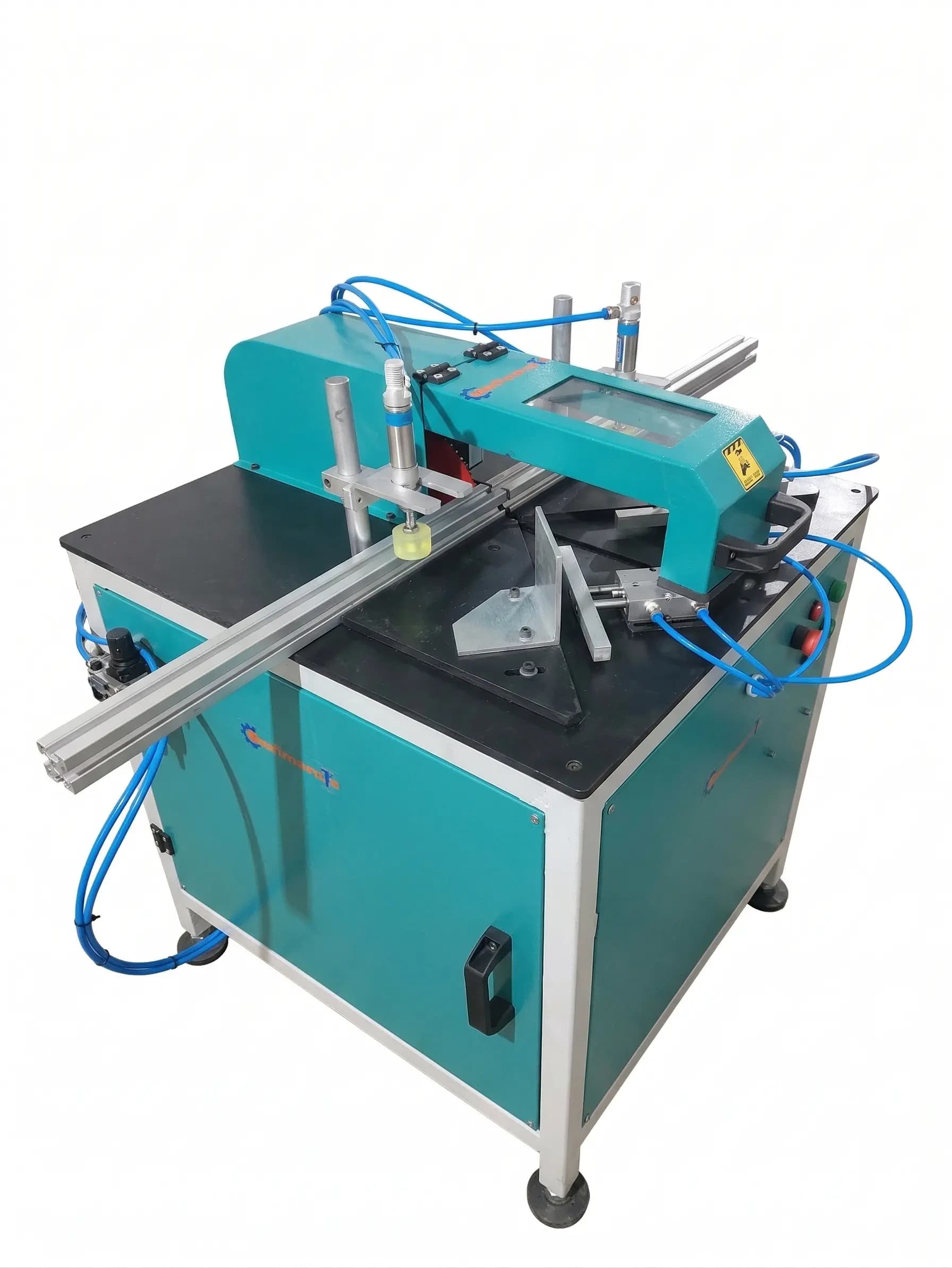
- Upgrade your cutting station. The 45/90 Degree Cutting Machine (starting at ₹55,000) handles both mitre and straight cuts in a single setup. Two machines running in parallel can keep a 60-frame-per-day line moving without profile queuing. See the Single head vs double head cutter comparison to decide whether a dual-head configuration suits your floor space. The full cutting machine buying guide covers blade selection for uPVC profiles specifically.
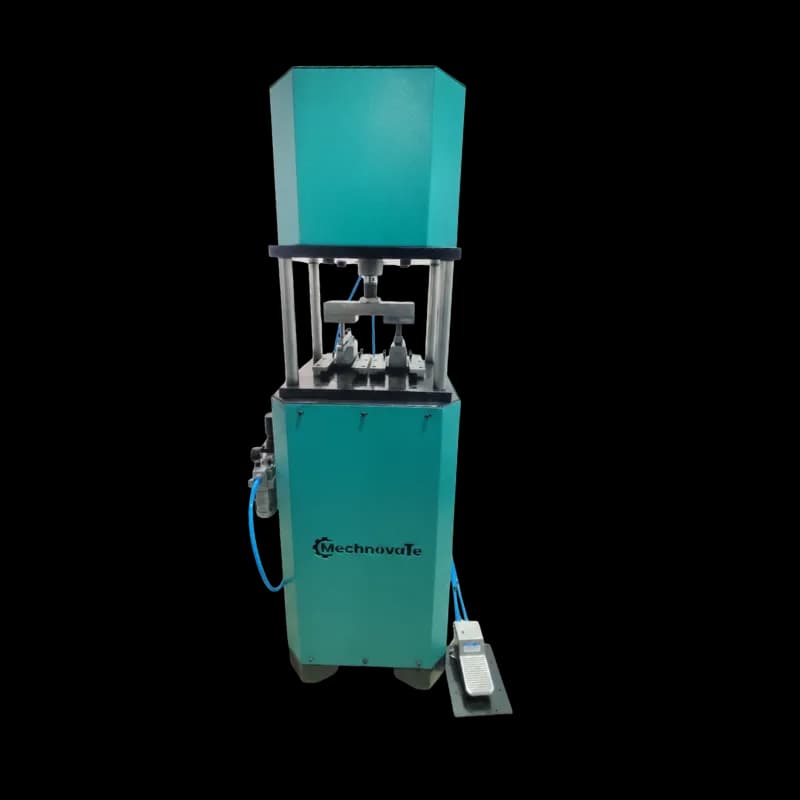
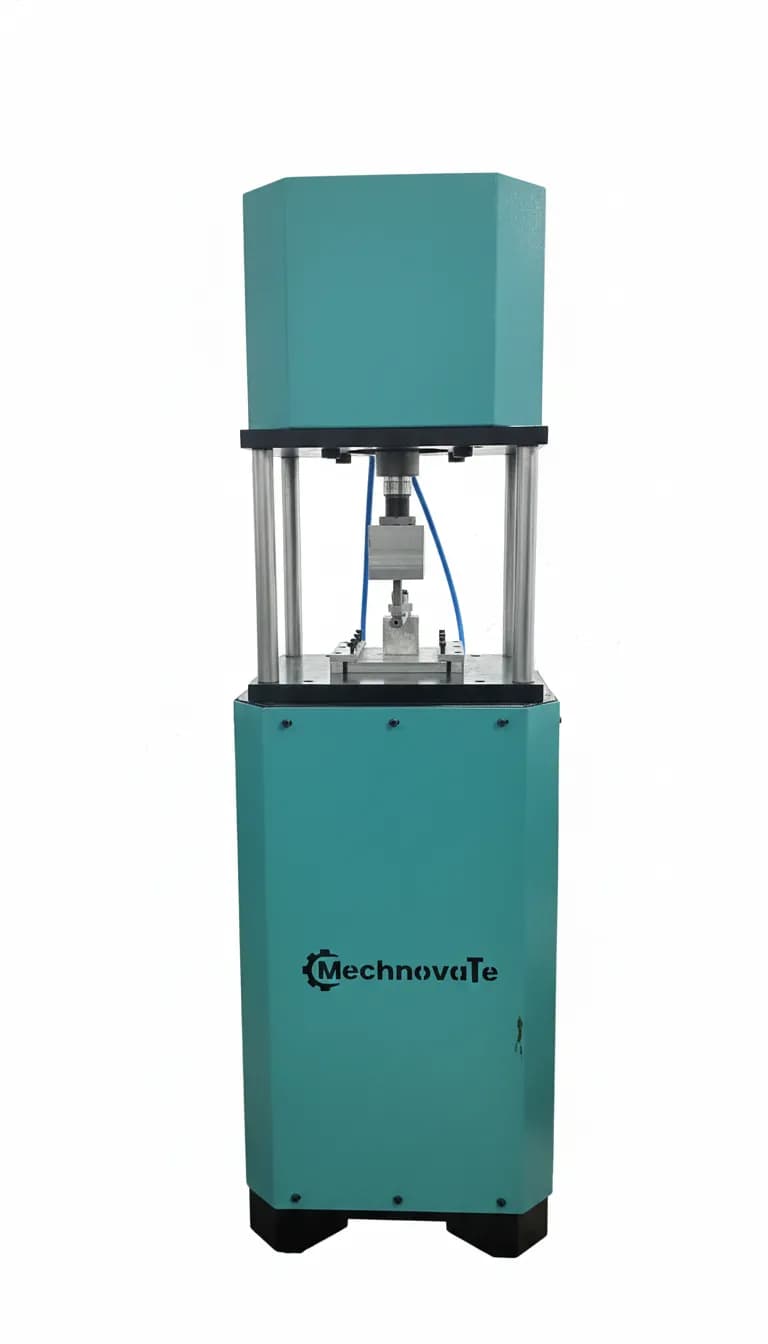
- Move from manual to pneumatic punching. The Manual Punching Machine at ₹20,000 is viable for low volumes but becomes a bottleneck above 25 frames per day. To sustain 60 frames per day, move to a 1-Station Pneumatic Punching Machine at ₹40,000 for hardware and drainage hole cycles, or a 2-Station Pneumatic Punching Machine at ₹65,000 if your profile mix includes mullion-heavy frames. The Manual vs pneumatic punching machine comparison gives detailed cycle time data.
- Add a copy routing station. Handles, locks, and tilt-turn hardware all require accurate routing. The Pneumatic Copy Router Machine at ₹55,000 runs faster and more consistently than the Manual Copy Router Machine at ₹35,000. See the Manual vs pneumatic copy router comparison for output rate comparisons.
- Plan your workshop layout before equipment arrives. The Workshop setup guide covers station spacing, material flow direction, and dust extraction placement — particularly important in Hyderabad's dry summer months when fine uPVC dust accumulates quickly in poorly ventilated shops.
Total machinery investment for a 60-frame-per-day setup typically falls between ₹2.15 lakh and ₹2.75 lakh, depending on your punching machine choice. This covers the three stages — cutting, punching, and routing — where most fabricators first hit their production ceiling.
Calibrating Machines for Hyderabad's Climate
Hyderabad's summers exceed 42°C from April through June, and this has direct practical consequences for uPVC fabrication. Profiles stored in direct sunlight or near heat-retaining metal roofing soften slightly before processing; allowing stored stock to cool for 20 to 30 minutes before cutting measurably improves cut squareness and reduces weld gap variation at the corner weld stage.
Welding machine temperature settings optimised for a 25°C ambient environment will run too hot in an unconditioned workshop during peak summer, because the higher ambient temperature changes the melt depth on the weld plate. Fabricators operating without air conditioning in their joining area should recalibrate welding plate temperature at the start of each working day in summer, logging the setting alongside the date. This daily calibration record also satisfies the weld quality documentation that Telangana RERA-registered projects increasingly require at project handover.
Mechnovate Delivery to Hyderabad: Timelines and Compatibility
Mechnovate ships from Ahmedabad to Hyderabad in 3 to 5 business days by road freight. Every machine is tested and function-checked before dispatch and arrives with installation notes and tooling. The punching machine buying guide and the copy router buying guide both include commissioning checklists that allow your team to get machines into production without waiting for an on-site engineer visit.
All Mechnovate cutting, punching, and routing machines are compatible with Domal, Jindalinium, Dumal, Hindalco, and Alumil profiles — the major brands distributed across Hyderabad and the wider Telangana market. Cutting machines carry a 6-month warranty. Punching and copy router machines carry a 1-year warranty.
FAQ
How many frames per day can one operator produce on a pneumatic punching machine compared to a manual one?
A trained operator on a Manual Punching Machine can complete hardware and drainage hole punch cycles for approximately 25 to 30 frames per day before accuracy begins to slip. On a 1-Station Pneumatic Punching Machine, the same operator can handle 50 to 60 frames per day because pneumatic actuation removes the repetitive physical effort from each punch stroke. The 2-Station Pneumatic Punching Machine reduces cycle time further on mullion-heavy profiles by punching two positions simultaneously. Browse the full punching machines range to compare specifications.
Are Mechnovate machines compatible with the profile brands commonly used in Hyderabad?
Yes. All Mechnovate machines — cutting, punching, and copy router — are compatible with Domal, Jindalinium, Dumal, Hindalco, and Alumil profiles, which cover the major brands distributed in Hyderabad and Telangana. If you are working with a regional or imported profile brand not on this list, email sales@mechnovate.co.in with the profile cross-section dimensions before ordering and the team will confirm fit.
What documentation should Hyderabad fabricators maintain for Telangana RERA projects?
For projects registered under Telangana RERA, fabricators supplying windows are advised to maintain batch records that include welding machine temperature settings, weld date, and operator name for each production run. Photographed tensile pull tests on sample corner welds, logged periodically, provide evidence of consistent weld quality. Building this into your daily workflow adds five to ten minutes per day and creates a complete audit trail that satisfies developer and project consultant requirements at handover.
How does Mechnovate handle warranty claims for machines delivered to Hyderabad?
Cutting machines carry a 6-month warranty from the dispatch date. Punching machines and copy router machines carry a 1-year warranty. To raise a warranty claim, call +91-9265699061 or email sales@mechnovate.co.in with a short video showing the issue and your order number. Most mechanical faults are resolved through remote guidance or a replacement part dispatched from Ahmedabad within 1 to 2 business days, minimising downtime on your production floor.
Ready to Upgrade?
Mechnovate supplies uPVC window machinery to fabricators across South India, with delivery to Hyderabad in 3 to 5 business days. Whether you are setting up a new shop or adding capacity to an existing line, Mechnovate's engineering team can recommend the right machines for your frame count, profile brands, and workshop dimensions. Call +91-9265699061 or contact us to discuss your production target and get a quote.
Get more articles like this
Follow Mechnovate on Google to see our guides in Google Discover & News