Precision Aluminium Window Machinery Suppliers in Chennai
Why Precision Engineering is Non-Negotiable for Chennai Coastal High-Rises
In Chennai, the fabrication landscape is shifting. As a senior engineer at Mechnovate with over 15 years on the shop floor, I have seen the transition from simple manual setups to high-tech CNC environments. The driver? Coastal wind loads and the surge in high-rise developments along the OMR and ECR corridors. For a building standing 30 stories tall, a 1mm deviation in a window frame isn't just a cosmetic flaw; it is a point of structural failure and a source of whistling wind noise and water ingress. This is why local manufacturers are searching for the best Aluminium Window Machinery Suppliers in Chennai to overhaul their production lines.
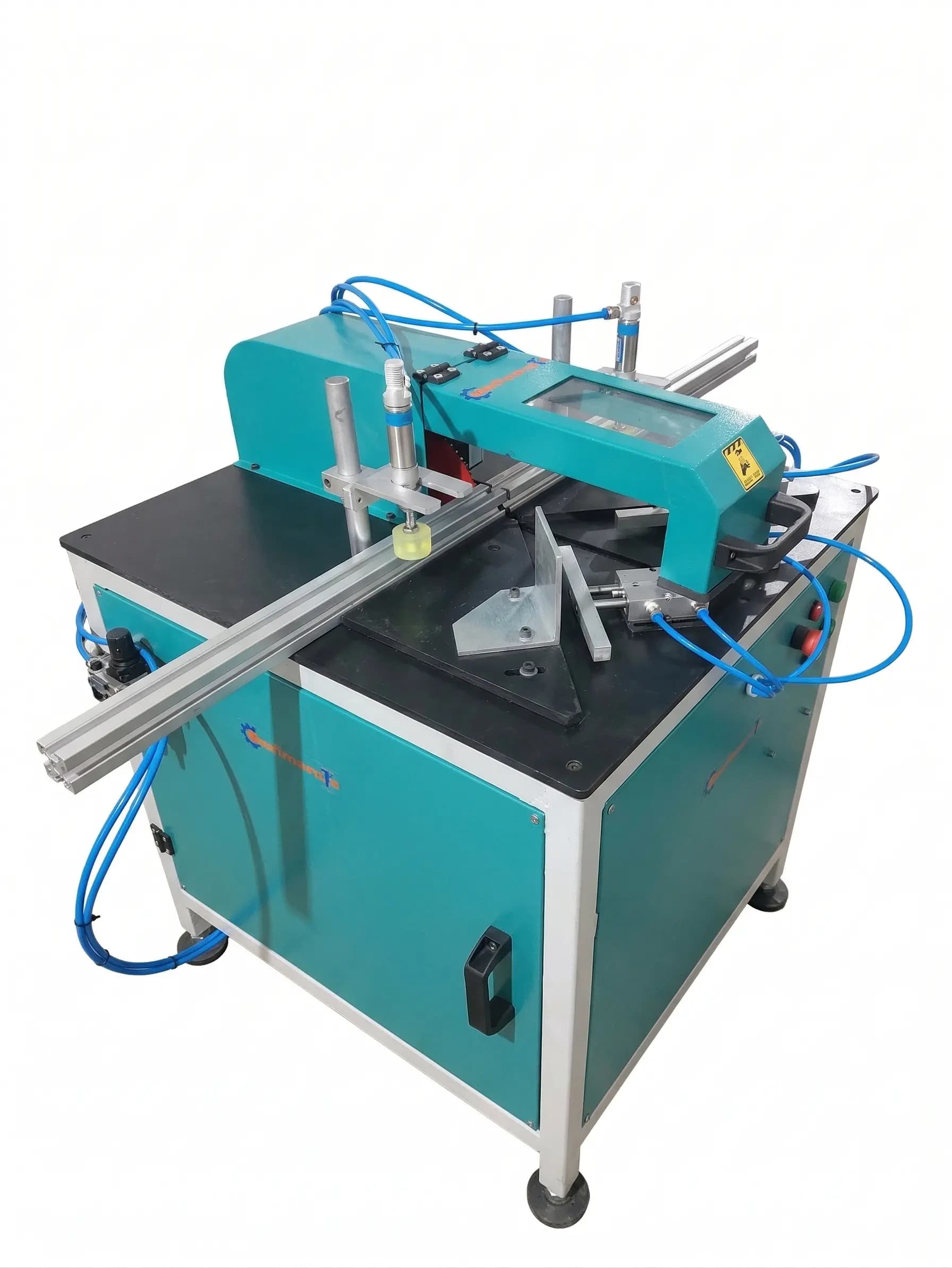
Modern high-rises require air permeability and water tightness levels that traditional methods cannot deliver. When you are dealing with wind pressures exceeding 2.5 kPa, the miter joints of your aluminium profiles must be perfect. If the cut is off by even 0.5 degrees, the corner crimping will not seat correctly, leading to gaps that salt-laden air will eventually corrode. Fabricators are now investing in a high-quality aluminium cutting machine that offers 45 and 90-degree precision within ±0.1mm tolerances.
The Evolution of the Chennai Fabrication Shop: A Case Study
Last year, we consulted for a mid-sized unit in Guindy that was struggling with a 15% rejection rate on a luxury villa project in Kovalam. They were using a standard aluminium cutter machine 12 inch with manual stops. The results were inconsistent, and the waste was eating their margins. We implemented a systematic upgrade over eight weeks, replacing their manual setup with an automatic double head cutting saw for aluminium profiles and a high-speed copy router machine.
The Results:
- Waste Reduction: Profile waste dropped from 15% to 2.8% due to optimized nesting and digital length stops.
- Output Increase: Production jumped from 25 frames per day to 65 frames per day with the same headcount.
- Quality Consistency: Water testing at the site showed zero leaks at 600 Pa pressure, a standard previously unreachable for them.
This shift wasn't just about the equipment; it was about the engineering reasoning. By moving to a 500mm blade diameter and a 3.0kW motor, they achieved cleaner cuts in thicker 2.5mm architectural profiles without the 'burr' that usually requires manual filing.
Technical Specifications That Matter
When evaluating an aluminium cutting machine price, don't just look at the bottom line. Look at the engineering specs that determine long-term ROI. For Chennai's heavy-duty needs, we recommend the following minimum standards:
- Spindle Speed: 2800–3200 RPM for clean, heat-free cuts in 6063-T6 aluminium.
- Blade Feed: Hydro-pneumatic or servo-driven to ensure smooth entry into the profile, preventing 'kickback' or deformation.
- Pressure: A consistent 6-8 bar pneumatic supply with integrated moisture separators to combat Chennai's high humidity.
- Tolerances: Adherence to BS EN 12020-2 standards for precision in alloy extrusions.
For those diversifying, a uPVC window manufacturing machine setup requires different parameters, such as precise temperature control for seamless welding. Whether you are a uPVC machinery manufacturer or an aluminium specialist, the stability of the machine bed is your foundation. We always use cast-iron or heavy-gauge stress-relieved steel frames to absorb vibration.
Critical Machinery for the High-Rise Workflow
To compete with national brands, Chennai fabricators are adopting a multi-stage precision workflow. It begins with the upvc cutting machine or aluminium double-head saw, but the 'secret sauce' is in the processing.
- Precision Cutting: Using a degree cutting machine that locks the profile pneumatically from two directions to prevent twisting.
- High-Speed Routing: A high speed copy router for aluminium windows is essential for milling lock holes and drainage slots without damaging the powder coating.
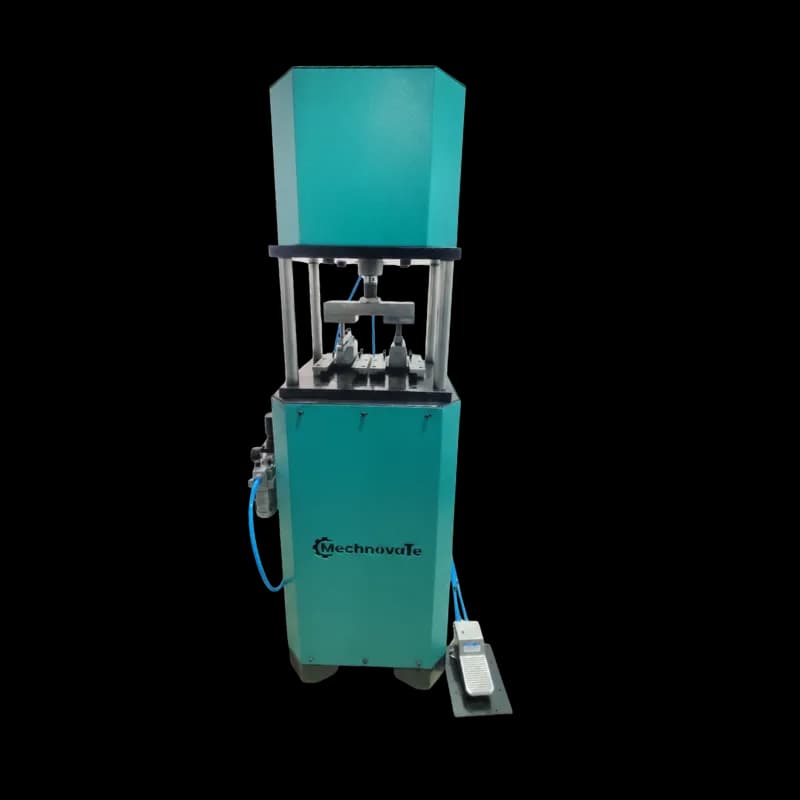
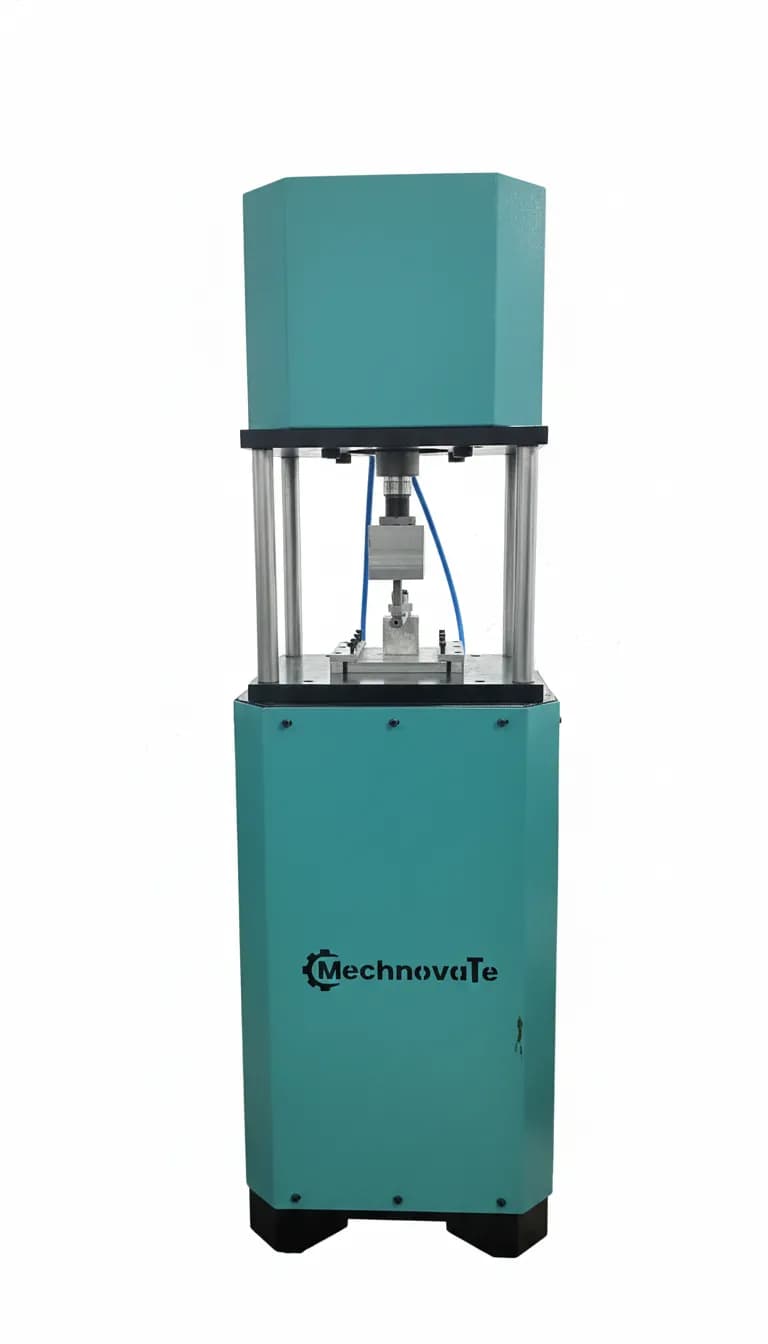
- Corner Crimping: For aluminium, an automatic aluminium corner crimping machine provides up to 100kN of force, ensuring the joint is hermetically sealed.
- End Milling: Using a heavy duty aluminium profile end milling machine for clean mullion joins.
Common Mistakes to Avoid When Upgrading
Many fabricators fall into the trap of buying based on the aluminium cutter machine price alone. Here is what we've learned from 15 years in the field:
- Ignoring the Blade: A cheap machine with a low-quality blade will produce thermal expansion during the cut, leading to inaccurate lengths as the metal cools. Always invest in carbide-tipped blades.
- Neglecting Maintenance: In Chennai, the salt air is a killer. Machines without stainless steel internal components or heavy-duty epoxy coatings will rust within 24 months. Ensure your uPVC window welding machine maintenance guide includes a strict lubrication schedule for linear guide rails.
- Under-powering: Using an aluminium cutting machine 12 inch for heavy curtain wall profiles is a recipe for motor burnout. Always size your motor 20% above your maximum intended load.
Why Mechnovate is the Trusted Partner in Tamil Nadu
As a leading uPVC machinery manufacturer, we don't just sell boxes; we design production flows. We understand that the cost of setting up uPVC window manufacturing unit in India is a significant investment. That is why we provide end-to-end support, from factory floor layout to ISO 9001-compliant quality control training. Our presence as a uPVC window machine service center in Tamil Nadu ensures that downtime is kept to a minimum, with spare parts available locally in Chennai.
FAQ: Precision Engineering for Fabricators
Q1: Can I use the same machine for aluminium and uPVC? No. While some cutting machine automatic saws can handle both with a blade change, the welding and corner cleaning processes are entirely different. Aluminium requires mechanical crimping, while uPVC requires thermal welding.
Q2: What is the ideal blade size for high-rise window profiles? For architectural profiles used in high-rises, we recommend a 500mm or 600mm blade. This allows for cutting wider thermal-break sections and deeper curtain wall profiles in a single pass.
Q3: How do I justify the price of a CNC double-head cutter? The justification comes from labor savings and material optimization. A CNC aluminium profile cutting machine typically pays for itself within 14-18 months by reducing human error and increasing the speed of the production line by 300% compared to manual single-head machines.
Q4: Is a manual punching machine still viable? A manual punching machine is excellent for small residential projects or on-site adjustments. However, for a production unit targeting high-rise contracts, an automatic aluminium window production line price usually includes multi-stage punching that is far more efficient.
Q5: What certifications should I look for in a supplier? Look for ISO 9001 for quality management and CE certification for electrical and mechanical safety. These ensure the machine meets global industrial profile cutting safety standards.
Get more articles like this
Follow Mechnovate on Google to see our guides in Google Discover & News