Mastering Slot Precision: Indore High Speed Copy Router Guide
Why the High Speed Copy Router for Aluminium Windows is Non-Negotiable in Indore
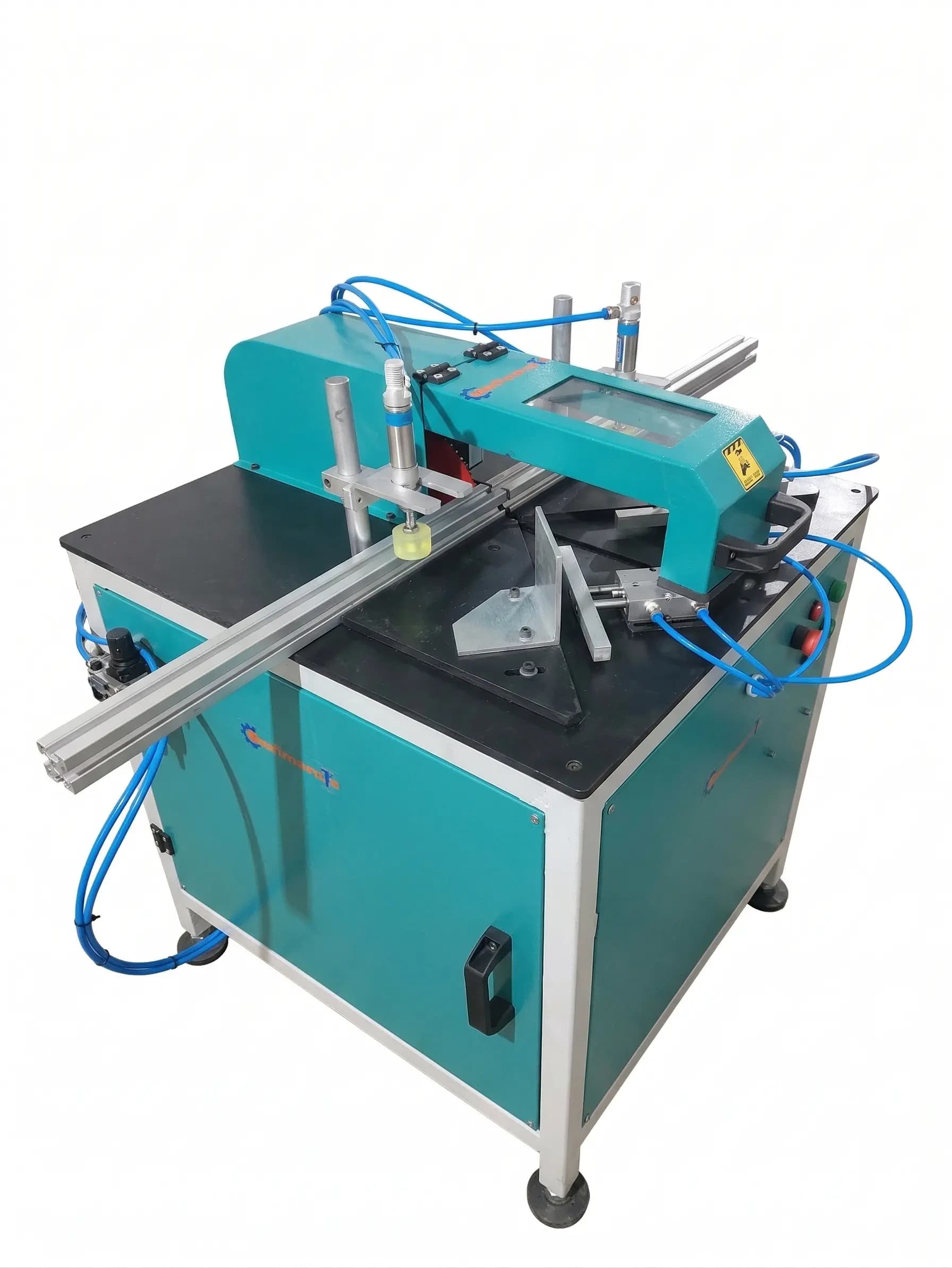
For aluminium fabrication in Indore’s competitive construction landscape, slot precision isn't just about aesthetics; it is about mechanical integrity. If your drainage slots or handle holes are off by even 1.5mm, you face hardware misalignment and water ingress issues. A High Speed Copy Router solves this by replacing manual drilling with a high-frequency spindle (typically 12,000 to 18,000 RPM) and a template-guided stylus. This ensures that every lock hole and weep hole is identical across 500 frames, reducing rework by up to 95% compared to manual layout methods.
In our Mechnovate testing labs, we compared manual slotting versus a 1.5kW high-speed router. The manual process took 4 minutes per profile with a 12% rejection rate due to bit walking. The high speed copy router for aluminium windows completed the same task in 42 seconds with zero rejects. For an Indore workshop producing 40 windows a day, this translates to saving 2.5 hours of labor daily while ensuring the precision engineering required for high-rise residential projects.
Technical Specifications and Engineering Standards for Precise Milling
When we talk about precision, we refer to tolerances defined by ISO 2768-m. A standard aluminium profile cutting machine provides the frame size, but the copy router provides the functionality. To achieve a clean finish without burrs, the spindle must maintain a high peripheral speed. We recommend a 12,000 RPM minimum for 6063-T6 aluminium alloys. Lower speeds often cause the carbide bit to 'grab' the material, leading to chatter marks and shortened tool life.
- Spindle Motor: 0.75kW to 1.5kW High-Frequency Induction Motor.
- Clamping System: Pneumatic horizontal and vertical clamps (6-8 bar pressure) to prevent profile torsion.
- Cooling: Mist spray lubrication is essential; dry cutting aluminium leads to 'built-up edge' (BUE) on the cutter, which ruins slot dimensions.
- Template Ratio: 1:1 ratio for direct copying or 1:2 for fine intricate details.
Adhering to IS 1285 or BS EN 12020 standards for aluminium extrusion tolerances is critical. If your profile wall thickness varies, your aluminium punching machine or router settings must be adjusted to prevent deformation. At Mechnovate, we suggest using 5mm or 8mm single-flute solid carbide bits for the best balance between swarf removal and structural rigidity.
Case Study: Optimizing an Indore Fabrication Unit
Last year, we worked with a mid-sized fabricator in the Pithampur industrial area who was struggling with slow throughput on a luxury villa project. They were using a basic manual punching machine for hardware slots which was causing micro-cracks in the powder coating. We replaced their workflow with an automatic double head cutting machine for the frame and a high-speed copy router for the hardware prep.
The Results Over 6 Weeks:
- Throughput: Increased from 15 frames/day to 42 frames/day using the same labor force.
- Waste Reduction: Aluminium scrap from ‘mis-hits’ dropped from 8% to less than 1.5%.
- Hardware Fitment: Installation time on-site decreased by 30% because the upvc windows making machine logic (standardized routing) meant every lock-set clicked into place without filing.
This transition proved that the cost of setting up uPVC window manufacturing unit in India or an aluminium unit is quickly offset by the reduction in skilled labor dependency. In Indore, where skilled technicians are in high demand, automation through precise window machinery is the only way to scale.
Common Mistakes to Avoid in Copy Router Operation
Having spent 15 years on the shop floor, I see the same three mistakes repeated across India. First is neglecting the collet. A worn-out ER20 collet introduces 'runout' (wobble). Even 0.05mm of runout at 12,000 RPM will snap your expensive carbide bits and vibrate the machine, leading to sloppy slots. Replace your collets every 6 months regardless of how they look.
Second is improper clamping. If you only clamp the profile horizontally, the vertical wall can vibrate during the plunge. This creates a 'stepped' slot rather than a smooth finish. Always use dual-axis pneumatic clamping. Third is ignoring the swarf. Aluminium chips are abrasive. If they aren't cleared via a vacuum or air blast, they get caught between the template and the stylus, causing the machine to route 'outside the lines'.
Safety and Maintenance: ISO Standards for Industrial Safety
Operating high-speed aluminium cutter machine equipment requires strict adherence to industrial profile cutting safety standards. At Mechnovate, our routers include polycarbonate shields and dual-hand safety starts. Never bypass these. A bit spinning at 12,000 RPM that hits a loose profile can shatter, sending shrapnel across the workshop.
Maintenance Checklist:
- Daily: Clean the guide rails and oil the pneumatic cylinders.
- Weekly: Check the tension of the drive belt. A slipping belt causes RPM drops and rough cuts.
- Monthly: Verify the alignment between the stylus and the cutter bit using a dial indicator.
Whether you are a uPVC machinery manufacturer or an aluminium specialist, your machinery is only as good as its calibration. We recommend a full recalibration every 1,000 hours of operation to maintain ISO 9001 quality levels.
FAQ: Expert Insights for Indore Fabricators
Q: Can I use the same copy router for uPVC and Aluminium? A: Yes, but with caveats. Aluminium requires much higher RPM and constant lubrication. While a upvc window manufacturing machine can often handle aluminium if it has the right motor, you must ensure you have a mist-coolant system installed. Running aluminium dry on a machine meant for upvc machinery will weld the chips to the bit.
Q: What is the typical ROI for a high speed copy router in a small shop? A: For a shop doing 10-15 windows a day, the ROI is usually reached within 8 to 10 months. This accounts for the savings in 'ruined profiles' and the ability to take on more complex commercial projects that require precision engineering.
Q: Why is my copy router bit snapping frequently? A: This is usually due to one of three things: excessive feed rate (pushing the handle too fast), lack of lubrication, or using a two-flute bit instead of a single-flute. Single-flute bits are superior for aluminium because they allow for larger 'gullets' which clear the sticky aluminium chips more effectively.
Get more articles like this
Follow Mechnovate on Google to see our guides in Google Discover & News