Kanpur Workshop Guide: Selecting Aluminium Punching Machines
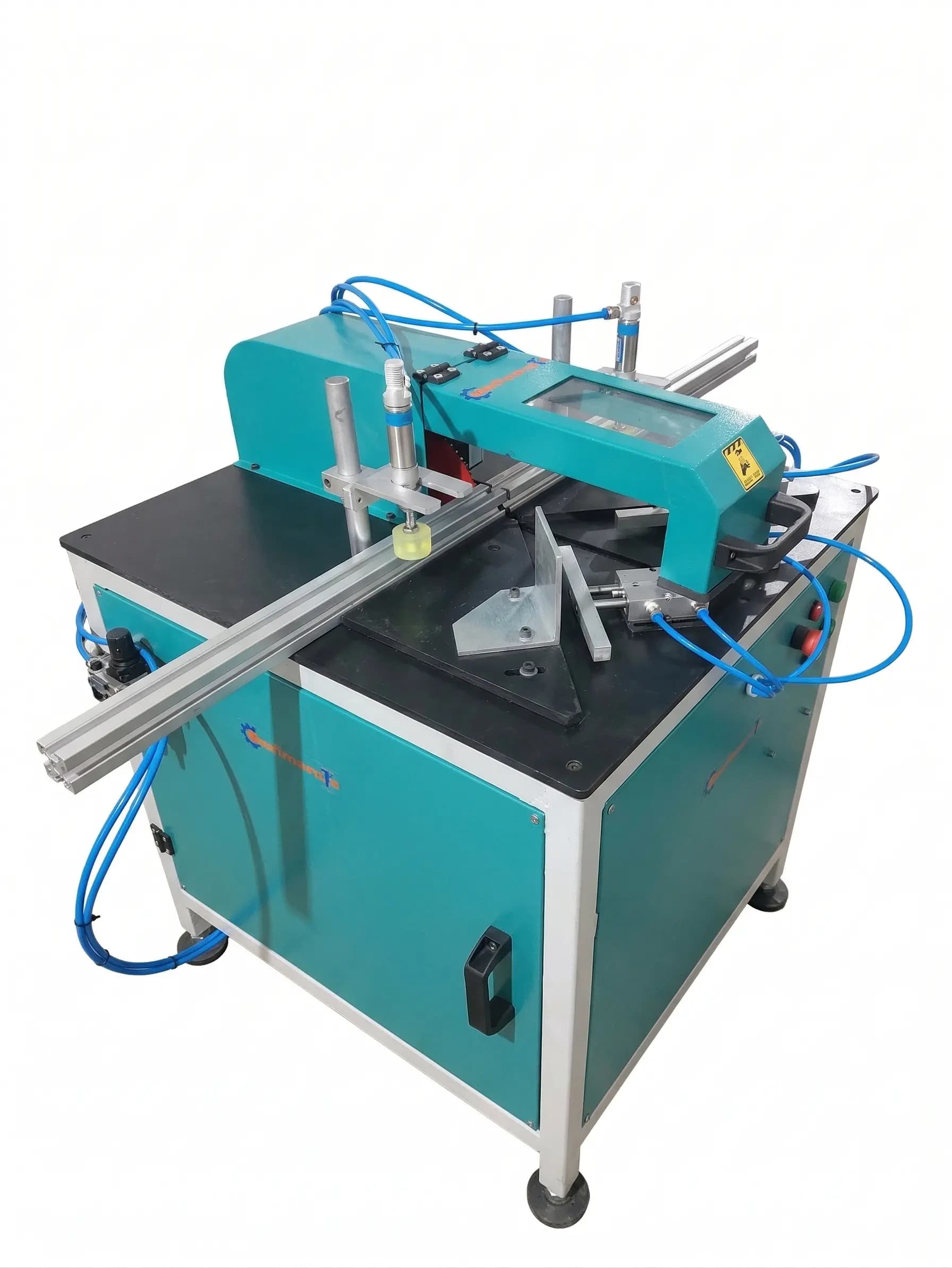
To scale an aluminium fabrication workshop in Kanpur’s industrial clusters like Dada Nagar or Panki, you don’t need more laborers; you need better cycle times. Selecting the right aluminium profile punching machine suppliers in Uttar Pradesh is the difference between a 12-minute window assembly and a 4-minute streamlined process. In my 15 years on the shop floor, I have seen too many fabricators buy underpowered pneumatic presses that fail on 2.5mm thick architectural profiles, leading to jagged edges and wasted material. This guide breaks down the technical imperatives for selecting industrial-grade punching equipment that survives the rigors of high-volume production.
The Engineering Reality: A Kanpur Facility Case Study
In early 2023, we consulted for a medium-scale workshop in Panki, Kanpur, that was struggling with a 14% rejection rate on their sliding window handle slots. They were using manual hand-lever punches and traditional copy router machine setups for hardware slots. The manual effort was inconsistent, and the tool-steel dies were losing alignment every 500 strikes.
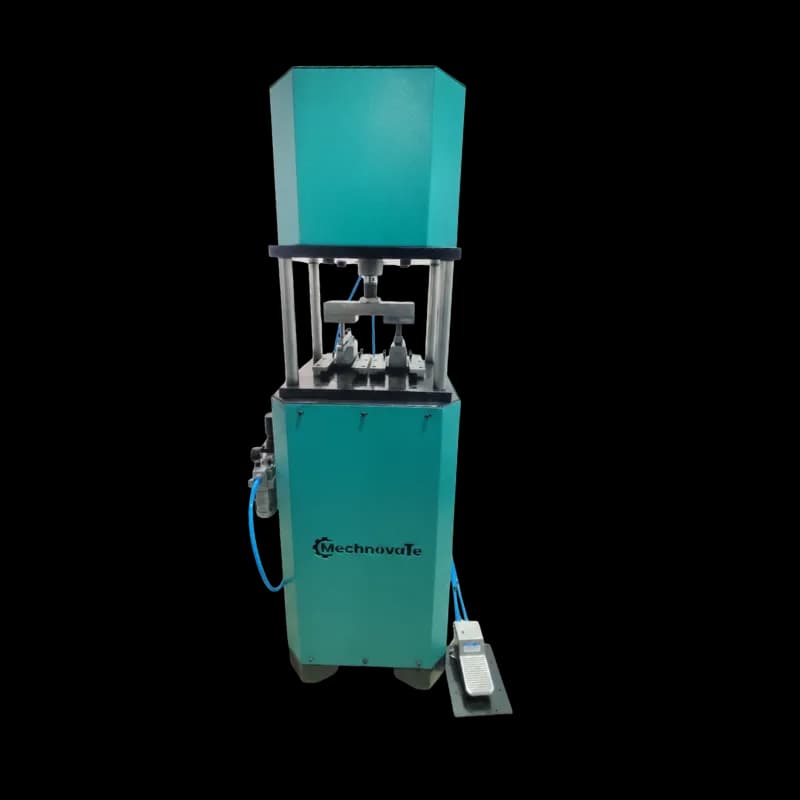
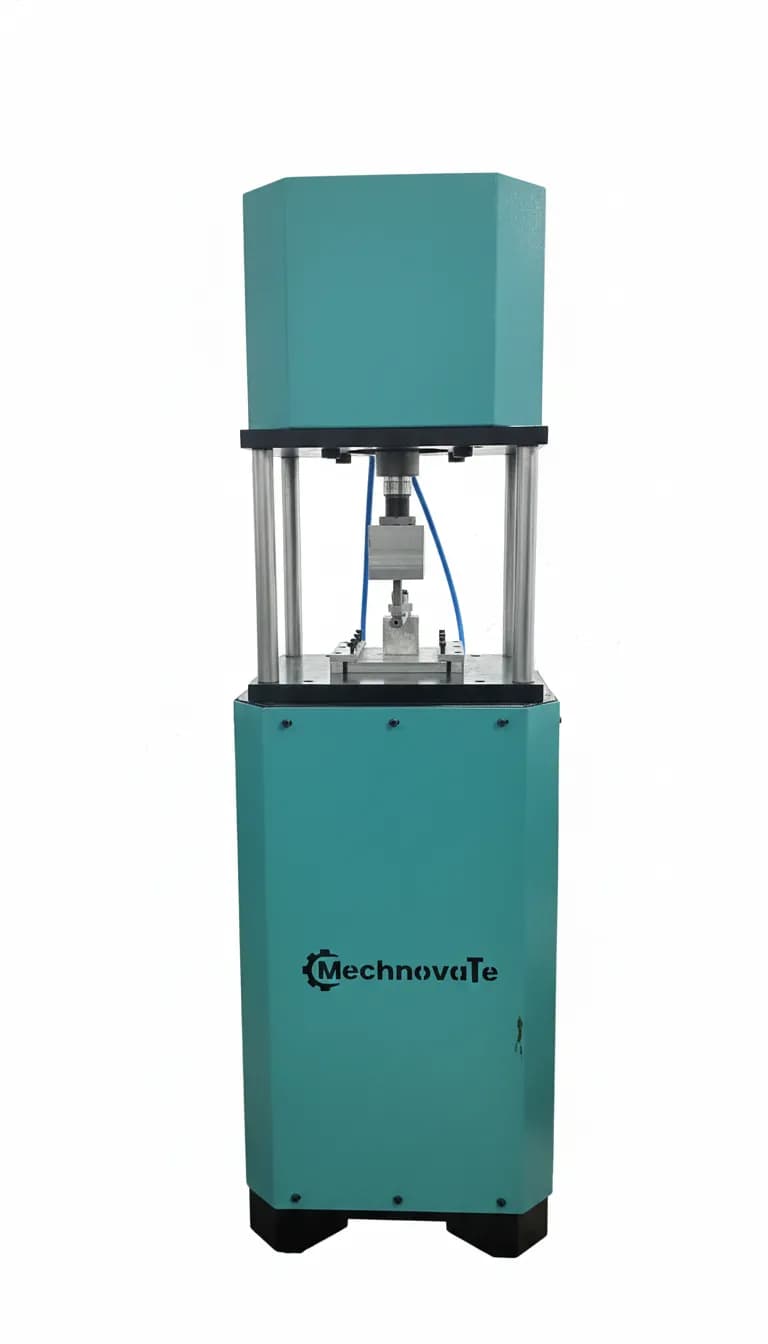
We replaced their manual line with a multi-station aluminium punching machine featuring a 5-ton hydraulic power pack and custom-hardened D3 steel dies. The results over a 6-week testing phase were definitive:
- Cycle Time Reduction: Slotting time per profile dropped from 45 seconds to 6 seconds.
- Waste Mitigation: Scrap rates fell from 14% to less than 2% because the hydraulic pressure remained constant at 150 bar, preventing profile deformation.
- Output Density: The facility increased its daily output from 35 frames to 82 frames without adding a single staff member.
This isn't just about speed; it's about the physics of the cut. When you use a high-quality aluminium cutting machine 12 inch for the initial miters, your punching machine must match that precision. If the punch die gap is off by even 0.08mm, you will see burring that requires manual filing—a hidden cost that kills profitability.
Technical Specifications for Professional Fabricators
When evaluating suppliers in Uttar Pradesh, you must demand a technical datasheet that goes beyond 'motor power.' Look for these specific engineering benchmarks to ensure you are buying an industrial-grade tool rather than a hobbyist's toy:
- Die Hardness and Material: Ensure the dies are made from HCHCr (High Carbon High Chromium) steel, hardened to 58-62 HRC. Inferior carbon steel will dull within 3,000 cycles on architectural grade 6063-T6 aluminium.
- Hydraulic Force vs. Pneumatic PSI: For profiles thicker than 1.8mm, a standard 8-bar pneumatic upvc windows machines setup often struggles. A dedicated hydraulic system providing 5 to 10 tons of force ensures a clean shear every time.
- Stroke Adjustment: A machine must have a variable stroke depth (usually 20mm to 50mm) to accommodate different profile heights. This is critical for preventing 'double-hitting' or crushing the profile walls.
- Work Table Precision: Look for a ground cast-iron surface. Steel-plate tables tend to warp over time under the rhythmic shock of the punch, leading to misaligned slots.
If you are setting up a full production line, you should also consider an automatic double head cutting machine price India alongside your punching unit to maintain a synchronized flow. In our experience, the bottleneck usually shifts from cutting to punching; if your punch can't keep up with your aluminium profile cutting machine, your high-speed saw is essentially an expensive paperweight.
Selecting Suppliers in Uttar Pradesh: Beyond the Price Tag
Finding aluminium profile punching machine suppliers in Uttar Pradesh requires a local service mindset. Kanpur’s humidity and dust levels in areas like Fazalganj mean that electronic components and hydraulic seals face higher wear.
Vendor Evaluation Checklist:
- On-Site Calibration: Does the supplier offer on-site die alignment? A punch is only as good as its last calibration.
- Spare Parts Proximity: If a die breaks, can you get a replacement from a warehouse in Lucknow or Kanpur within 24 hours? Down-time in a high-season window contract can cost upwards of ₹20,000 per day.
- Custom Die Capabilities: Many suppliers sell standard 2-track or 3-track sliding window dies. However, if you are working with premium thermal break profiles, you need a supplier who can engineer custom die-sets to your profile's specific cross-section.
Avoiding Common Fabrication Pitfalls
In my years of auditing workshops, I see the same three mistakes repeated by new business owners in the UP market:
- Over-reliance on Manual Punching: While a manual punching machine is cheap, the labor fatigue leads to 'stepped' holes in the late afternoon shifts. This results in hardware that doesn't sit flush, causing customer complaints about 'rattling' windows.
- Ignoring Oil Lubrication: Even the best D3 steel dies require a mist of lubricant. Always choose a machine with an integrated pneumatic oil-mist system. It extends die life by 300% and results in a mirror-finish on the cut edge.
- Mismatched Power Supply: Many small units in Kanpur suffer from voltage fluctuations. If you are running an aluminium cutting machine price sensitive operation, ensure your punching machine’s hydraulic motor is paired with a heavy-duty VFD (Variable Frequency Drive) or a stabilizer to prevent coil burnout.
The Cost of Quality: ROI Breakdown
Let’s talk numbers. An entry-level aluminium cutter machine price might seem like the primary investment, but the punching machine is your quality gatekeeper.
- Low-cost manual punch: ₹15,000. Die life: 1 year. Labor cost: High. Rejection rate: 8%.
- Industrial Hydraulic Punching Machine: ₹1,20,000 - ₹2,50,000. Die life: 5+ years. Labor cost: Minimal. Rejection rate: <1%.
Within 18 months, the industrial machine pays for itself simply through reduced labor hours and material savings. For those also handling uPVC, the logic remains the same; whether it's an upvc window manufacturing machine or an aluminium press, precision engineering always trumps a lower sticker price.
Frequently Asked Questions (FAQ)
Q1: Can I use one punching machine for both aluminium and uPVC profiles? Technically, yes, but it is not recommended. The shear angles for upvc windows manufacturing machine operations are different from aluminium. Aluminium requires a sharper, more vertical shear, while uPVC can tolerate more heat-based friction. Using the same die-set will lead to cracking in uPVC and burring in aluminium.
Q2: How often do the dies need sharpening? With high-speed steel or D3 dies, you should expect to regrind the punch every 15,000 to 20,000 strikes. If you notice a 'pulling' effect on the metal edges, it’s time for maintenance. Always keep a spare set of common dies to avoid halting production.
Q3: What is the ideal hydraulic oil for machines in Kanpur's climate? For the temperature ranges in Uttar Pradesh, we recommend ISO VG 46 or 68 hydraulic oil. It maintains the correct viscosity during the 40°C+ summers in Kanpur, ensuring the aluminium punching machine maintains consistent pressure without overheating the pump seals.
Get more articles like this
Follow Mechnovate on Google to see our guides in Google Discover & News