Choosing Manual Punching Machines for Kanpur Aluminium Fabrication
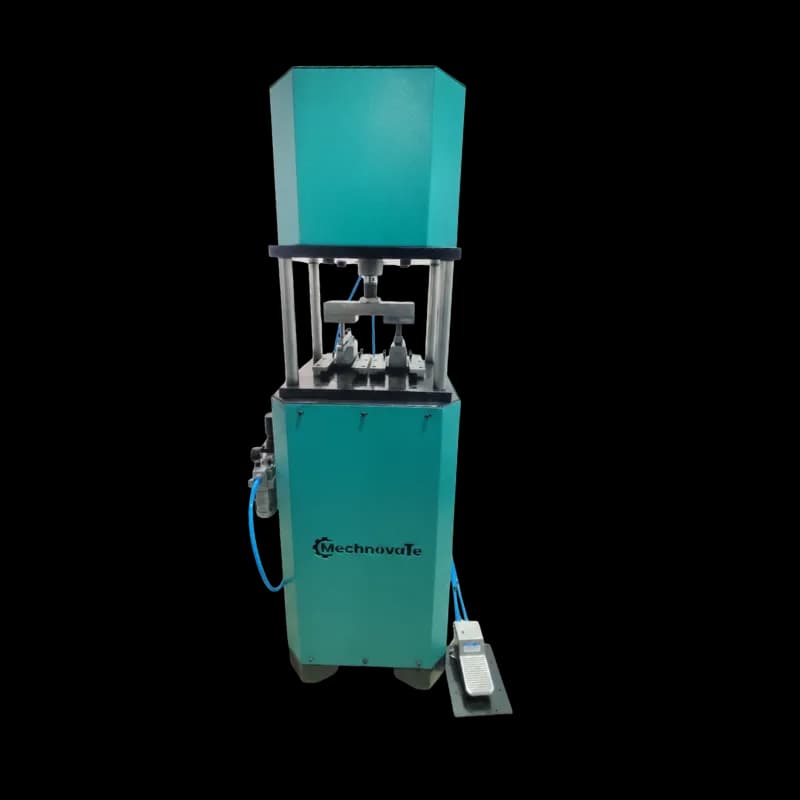
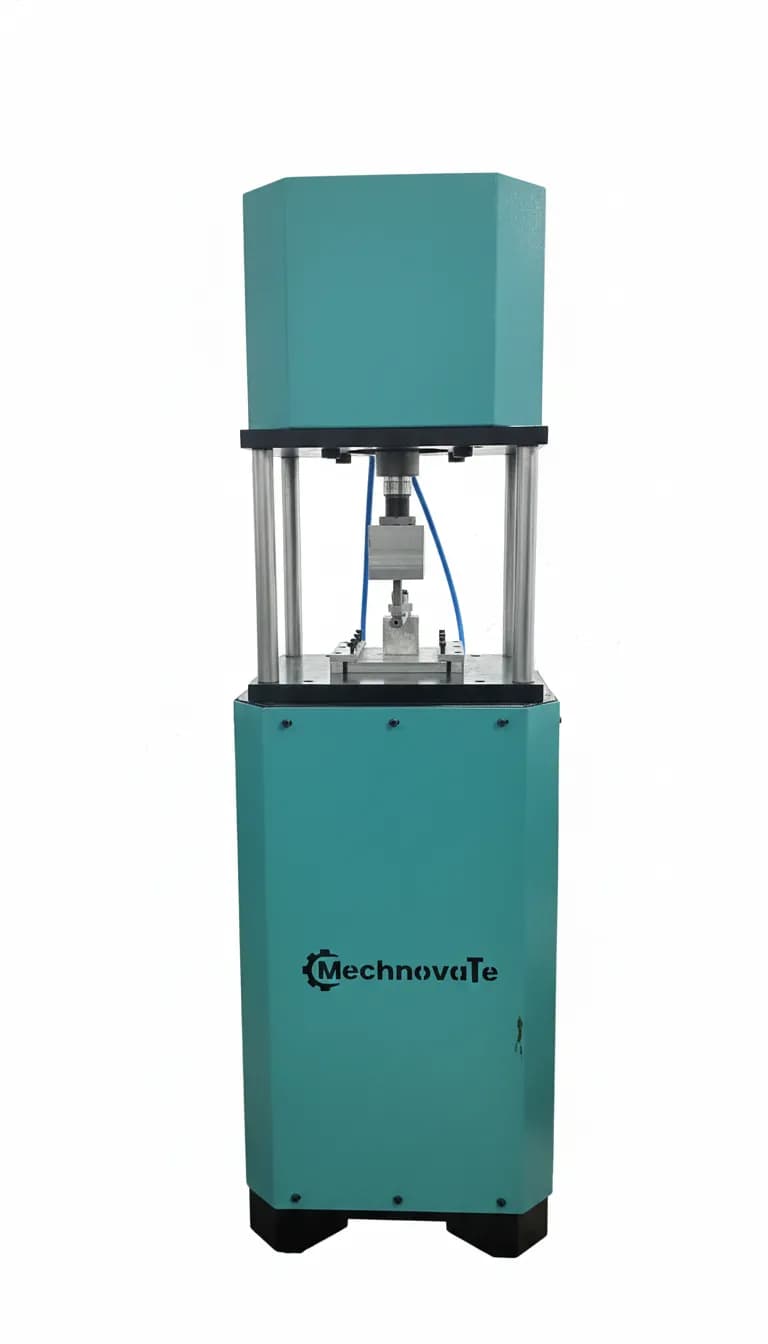
To reduce lead times in Kanpur's competitive aluminium fabrication market, the choice of a Manual Punching Machine must prioritize die-set precision and cycle time reduction over raw force. Most fabricators in the Panki and Dada Nagar industrial areas struggle with bottlenecks during the hardware slotting and drainage hole processing phases because they rely on slow drilling or poorly calibrated generic presses. A high-performance manual punch can reduce processing time per profile from 90 seconds to under 12 seconds, directly impacting your daily output of window frames and shutters.
Technical Criteria for Selecting an Aluminium Punching Machine
When evaluating a manual punching machine for Kanpur-based projects, engineering specifications must align with the specific aluminium profile series you utilize, such as the 18mm, 20mm, or heavy-duty casement series. We recommend focusing on the following technical parameters:
- Throat Depth and Stroke Length: Ensure a minimum throat depth of 150mm to accommodate wider profiles. A stroke length of 30mm to 50mm is ideal for standard 1.2mm to 2.5mm wall thickness profiles.
- Eccentric Shaft Material: Look for high-tensile alloy steel (EN24 or equivalent) to prevent shaft deformation under high-cycle usage. Cheaper cast iron shafts often fail after 6 months of heavy production.
- Die-Set Versatility: The machine should support multi-station die configurations. This allows operators to switch between water-hole, handle-slot, and stay-arm hole punching without changing the setup.
- Material Hardness Compatibility: For profiles complying with IS 1285 (6063-T6 temper), the punching force must be delivered cleanly to avoid edge burrs or profile deformation.
The Kanpur Case Study: Reducing Lead Times by 65%
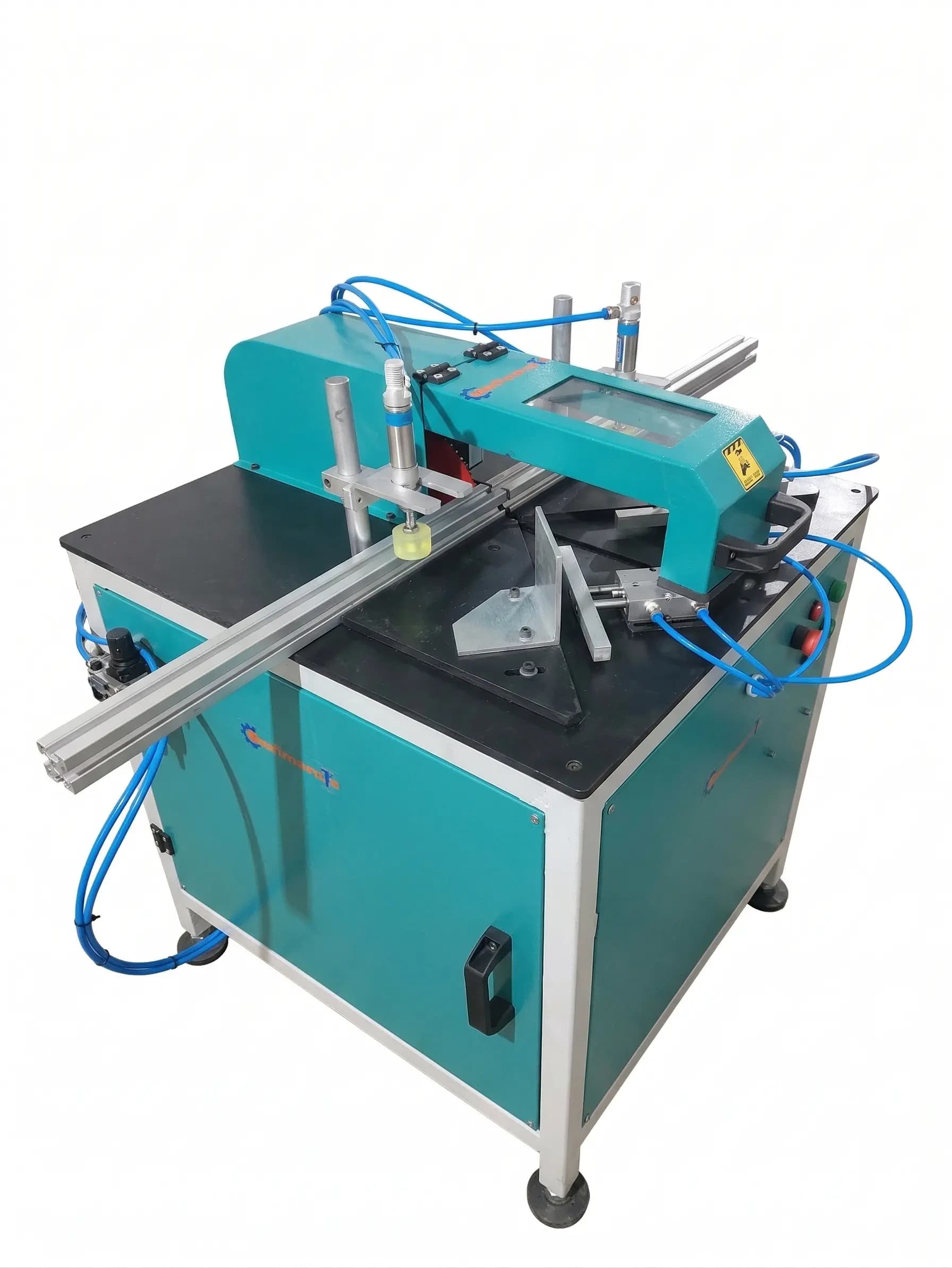
In early 2023, Mechnovate consulted with a mid-sized fabrication unit in the Fazalganj area of Kanpur. They were using traditional drilling for water-drainage slots and lock-hole cutouts, which resulted in a 14% rejection rate due to aesthetic inconsistencies. We implemented a 3-station manual punching setup coupled with a high-precision Aluminium Profile Cutting Machine to streamline their workflow.
The Results Over 8 Weeks:
- Cycle Time Reduction: Process time dropped from 110 seconds to 15 seconds per profile.
- Waste Minimization: Scrap from misaligned holes was reduced from 8.5% to less than 1.2%.
- Output Increase: The facility moved from producing 15 windows/day to 42 windows/day with the same labor force.
- Consistency: All hardware slots met a tolerance of +/- 0.2mm, crucial for ISO 9001 quality audits.
This transformation proves that even for small businesses, moving away from manual drilling to a dedicated aluminium punching machine is the fastest way to scale operations in Uttar Pradesh.
Integrating Punching with uPVC and Aluminium Workflows
Many fabricators in Kanpur are diversifying into uPVC. While the punching requirements differ, the logic of workflow optimization remains the same. If you are also operating as a uPVC window manufacturing machine unit, your shop floor layout should place the punching station immediately after the cutting and milling operations.
For those utilizing a Copy Router Machine for complex hardware slots, the manual punch acts as a high-speed bypass for simpler, repetitive holes. This hybrid approach ensures your aluminum cutting machine and routers are not over-leveraged for tasks that a simple mechanical press can handle more efficiently.
Critical Comparison: Manual vs. Pneumatic Punching
| Feature | Manual Punching Machine | Pneumatic Punching Machine |
|---|---|---|
| Power Requirement | Zero (Human Lever) | 6-8 Bar Air Pressure |
| Speed (Holes/Min) | 8-12 | 20-30 |
| Maintenance | Low (Lubrication only) | Medium (Valves, Seals, Filters) |
| Ideal For | Small to Medium Shops | High Volume Production Lines |
| Portability | High | Low (Requires Compressor) |
Common Pitfalls and Engineering Warnings
From our 15 years of experience in precision engineering, the most common mistake we see in Kanpur workshops is the use of unhardened die-sets. If the die hardness is not significantly higher than the aluminium profile's BHN (Brinell Hardness Number), the tool will dull within 2,000 cycles, causing "dragging" and visible metal deformation around the hole.
Another critical safety and quality standard to observe is the Industrial profile cutting safety standards ISO standards. Ensure your machine has a guarded lever mechanism to prevent finger entrapment. We also suggest fabricators avoid using the same die-set for aluminium and uPVC profiles without cleaning, as plastic residue can cause friction heating and galling on the metal punching surface.
Maintenance Guide for Longevity
To ensure your aluminium punching machine remains a reliable asset, follow this maintenance schedule used by top uPVC windows machinery operators:
- Daily: Clear all aluminium chips and slugs from the die bed. Slugs trapped between the die and punch are the #1 cause of tool breakage.
- Weekly: Lubricate the eccentric shaft and sliding guides with high-viscosity machine oil.
- Monthly: Inspect the die alignment. If you notice a burr on only one side of the hole, your die clearance has shifted.
- Quarterly: Check for any stress fractures in the main C-frame, especially if you are punching high-thickness architectural profiles.
FAQ: Fabricator Concerns in Kanpur
Q1: Can a manual punching machine handle thermal break aluminium profiles? Yes, but you must use specialized dies that support both the outer and inner aluminium skins simultaneously to prevent crushing the polyamide thermal strip.
Q2: What is the average lifespan of a punching die-set? A high-quality D2 steel die-set, properly lubricated, should last for 50,000 to 80,000 punches before requiring sharpening. We offer resharpening services for all our aluminium window machinery manufacturers in Ahmedabad Gujarat clients.
Q3: How do I know if I need a 12-inch or 14-inch aluminium cutter machine to complement my punch? A 12-inch aluminium cutter machine is sufficient for residential window frames (up to 4 inches wide). For heavy industrial curtain walls, a 14-inch or 16-inch blade is necessary to ensure clean, one-pass 45-degree miter cuts.
Get more articles like this
Follow Mechnovate on Google to see our guides in Google Discover & News