Best Aluminium Window Machinery Suppliers in Chennai: Workshop Guide
Precision Requirements for Chennai’s Luxury Housing Market
To capture the booming luxury residential market in areas like ECR and OMR, your workshop must move beyond basic fabrication. High-end clients demand large-span sliding doors, slim-line profiles, and perfect miter joints that a standard 12-inch aluminium cutter machine cannot consistently deliver. In the luxury segment, a 0.5mm gap in a corner joint isn't just a defect; it's a reason for project rejection.
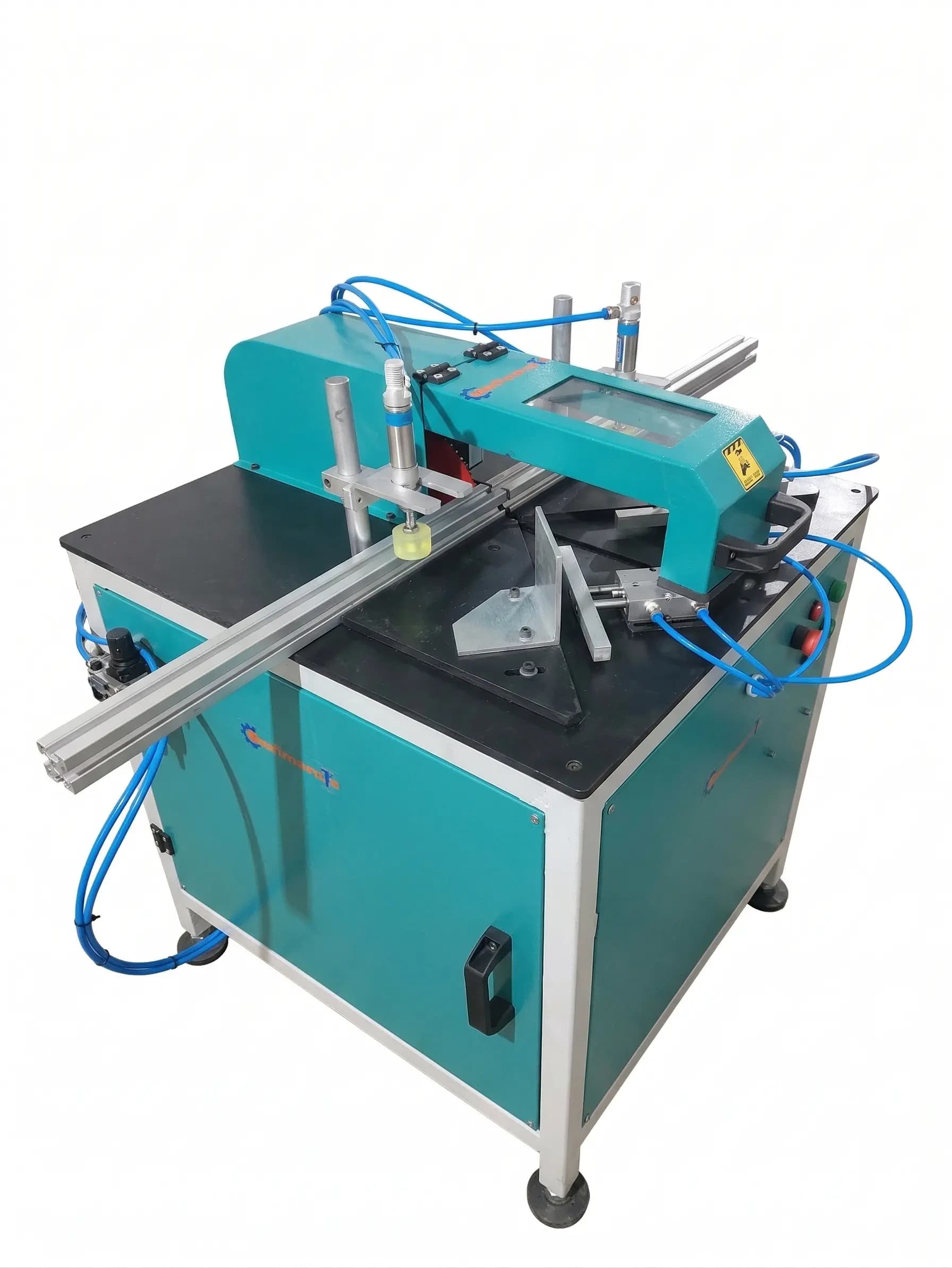
When searching for the best aluminium window machinery suppliers in Chennai, you must prioritize equipment that handles thermal break profiles and high-thickness architectural glass. Standard machines often struggle with the 2.0mm to 3.0mm wall thickness found in premium systems. We recommend starting with a high-torque Single Head Cutting Machine featuring a 450mm or 500mm blade to ensure clean, burr-free cuts on oversized profiles.
Essential Machinery for High-End Aluminium Fabrication
Upgrading your facility requires a strategic selection of machines that balance speed with extreme precision. Based on 15 years of workshop management, these are the non-negotiables for a modern Chennai plant:
- Advanced Cutting Systems: A 45 degree double head cutting machine is the backbone of production. It eliminates the human error associated with manual flipping and ensures that both ends of a profile are perfectly parallel.
- Precision Punching: For drainage holes and hardware slots, a manual punching machine is the entry-point, but a heavy duty aluminium profile end milling machine is required for the complex joinery of luxury bi-folds.
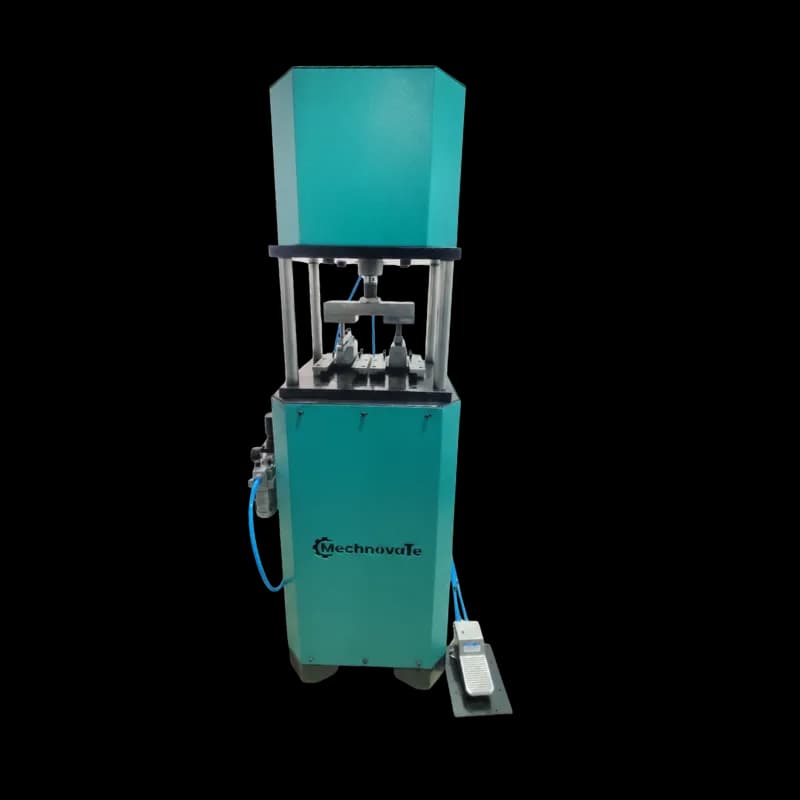
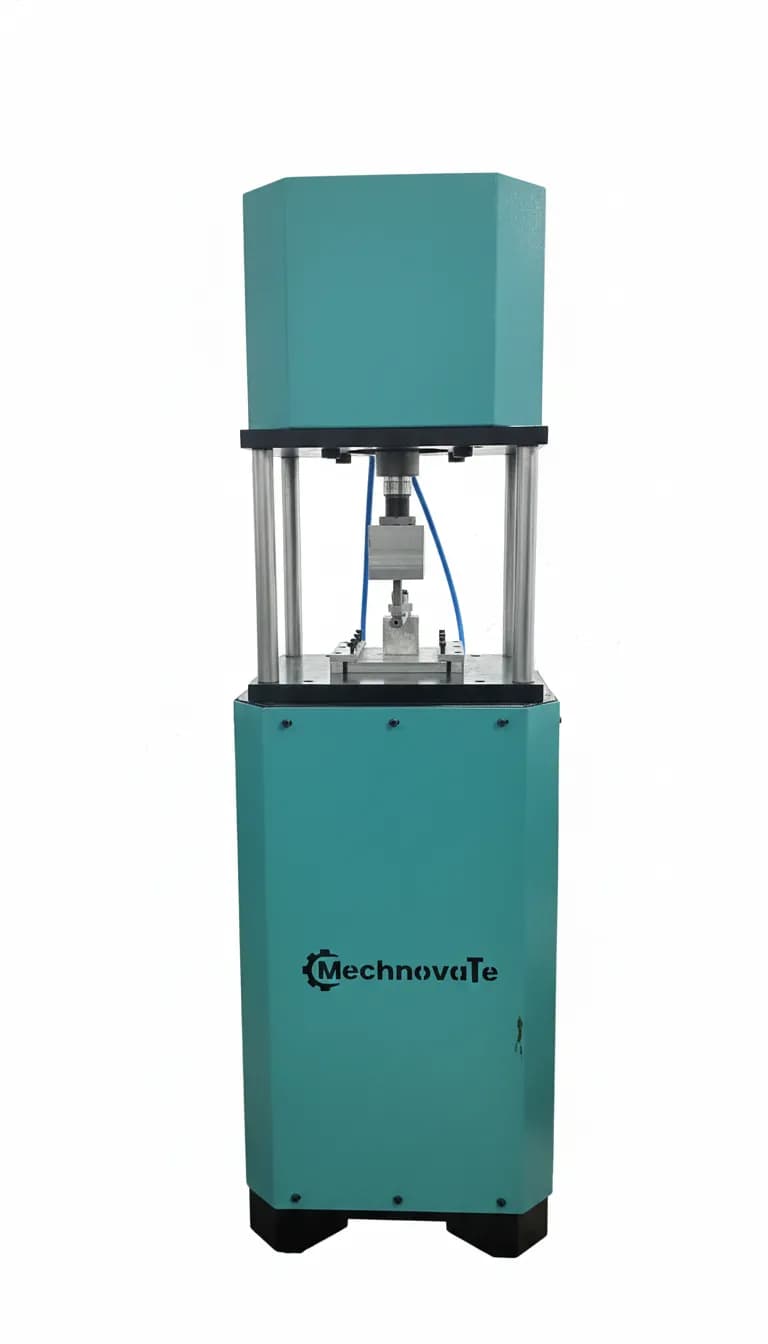
- Corner Integration: In the coastal climate of Chennai, structural integrity is vital. An automatic aluminium window corner crimping machine price might seem high initially, but it replaces mechanical cleating with a cold-welded joint that resists wind-load pressure better than any manual screw-fix method.
- Routing and Hardware Fitment: A high speed copy router for aluminium windows is essential for processing handle holes and lock cylinders without damaging the powder-coated surface.
Case Study: Scaling a Chennai Workshop by 40%
Last year, we assisted a mid-sized fabricator in Guindy who was struggling with a 12% material waste rate using basic aluminium cutter tools. They were losing bids for luxury villas because their joints showed visible light leakage. We implemented a 6-week transition plan:
- Week 1-2: Replaced their 12-inch saws with an automatic double head cutting saw for aluminium profiles.
- Week 3-4: Integrated a CNC-controlled Copy Router Machine to automate lock-hole drilling.
- Week 5-6: Staff training on ISO 9001 calibration standards for blade alignment.
The Results: Cutting waste dropped from 12% to 2.8%. Production increased from 15 frames per day to 42 frames per day with the same headcount. Most importantly, their rejection rate on-site dropped to near zero because the precision engineering of the new machinery ensured every corner was a true 90 or 45 degrees.
Technical Specifications and Calibration Standards
When evaluating an aluminium cutting machine price, don't just look at the sticker. Look at the run-out of the spindle and the grade of the casting. For luxury profiles, you need a spindle speed of at least 2800 RPM and a blade feed rate that is hydro-pneumatically controlled to prevent 'grabbing' the metal.
- Tolerance: Your machinery should maintain a tolerance of ±0.1mm. Anything wider leads to 'whistling' windows in high-rise buildings near the Chennai coast.
- Air Pressure: Ensure your workshop has a stable 6-8 bar pressure. Fluctuating pressure is the #1 cause of poor crimping and inconsistent cutting speeds.
- Standards: Always verify that your aluminium window machinery manufacturers in Chennai or elsewhere comply with IS 1285 for aluminium alloy profiles and BS EN 12020 for precision extrusions.
Common Mistakes to Avoid When Expanding
In my 15 years, the most expensive mistake I see is 'The Hybrid Trap'—trying to use uPVC windows making machine setups for aluminium. While the concepts are similar, the cutting torque and blade teeth geometry are fundamentally different.
- Ignoring Blade Quality: A 5-lakh machine with a cheap blade will produce worse results than a 2-lakh machine with a high-grade Freud or Kanefusa blade.
- Neglecting the Foundation: High-speed aluminium profile cutting machine units vibrate. If they aren't bolted to a reinforced concrete floor, that vibration will translate into jagged edges on your profiles.
- Poor Air Filtration: Chennai’s humidity can cause moisture buildup in pneumatic lines. Always install a refrigerated air dryer; otherwise, your aluminium punching machine valves will fail within 12 months.
FAQ: Fabricator Questions
Q: What is the cost of setting up a uPVC window manufacturing unit in India vs. Aluminium? A: A basic uPVC window manufacturing machine setup is generally 20-30% cheaper than a comparable high-end aluminium line. However, the profit margins on luxury aluminium (system windows) are significantly higher in the current Chennai market.
Q: Can I use an aluminium cutting machine 12 inch for commercial projects? A: For small residential windows, yes. For commercial or luxury projects with 10-foot heights, a 12-inch blade doesn't have the depth of cut for the required heavy-duty mullions. You will need at least a 450mm blade.
Q: Where can I find a reliable uPVC window machine service center in Tamil Nadu? A: Most reputable uPVC machinery manufacturers maintain service hubs in Chennai or Coimbatore. Always ensure your supplier offers a 24-hour breakdown response time before committing to a purchase.
Get more articles like this
Follow Mechnovate on Google to see our guides in Google Discover & News