Zero-Gap uPVC Finishes: Technical Guide for Bangalore Fabricators
Why Zero-Gap Finishes Define Luxury Window Standards in Bangalore
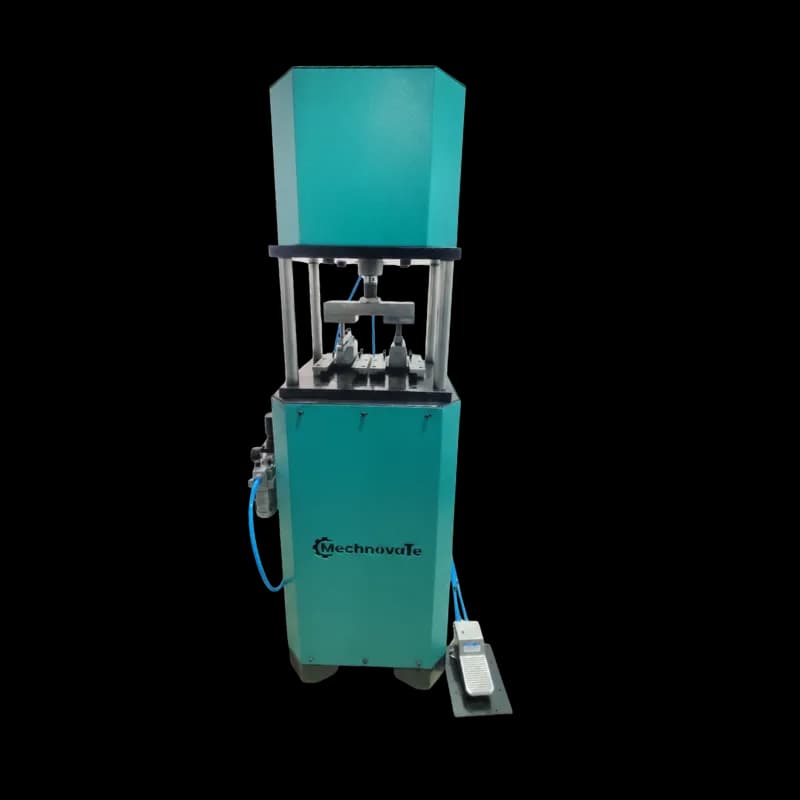
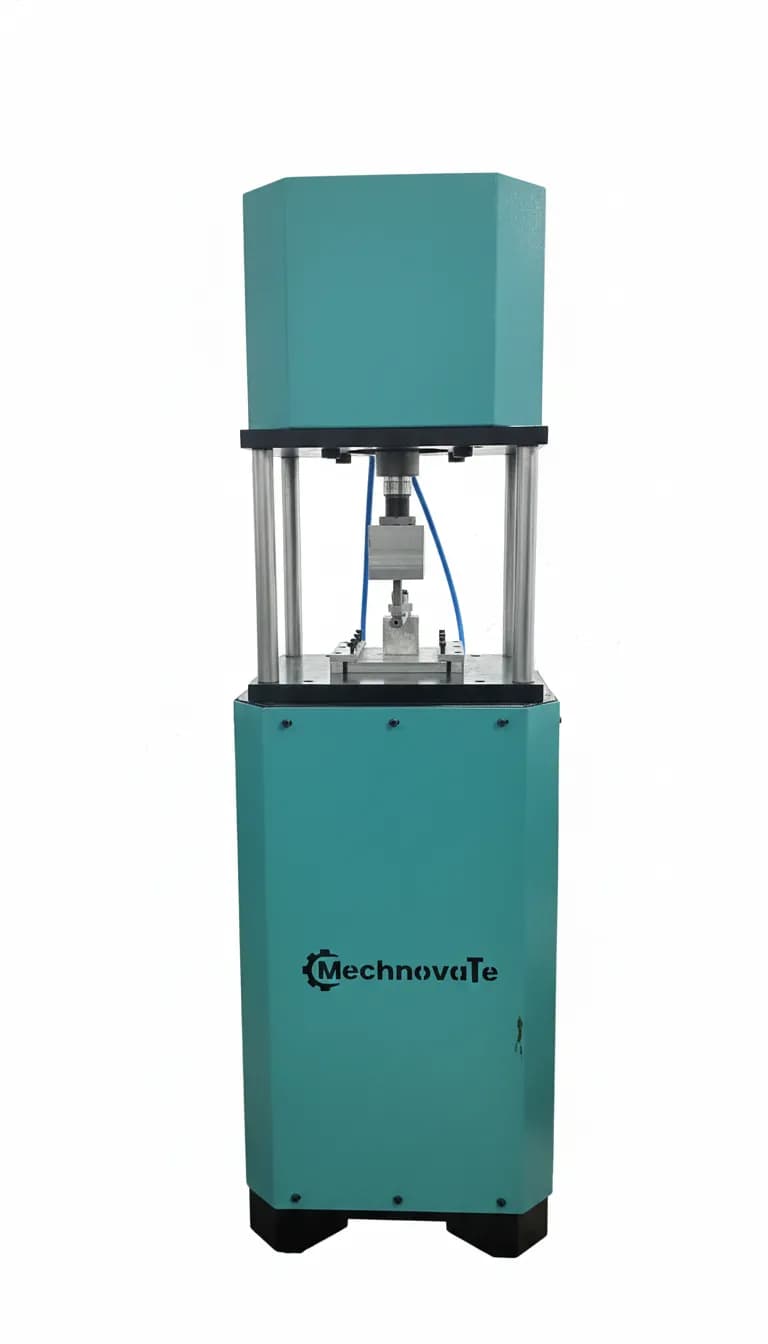
In the competitive real estate landscape of Bangalore, architects and high-end developers are moving away from traditional uPVC joints. The standard 0.2mm to 2.5mm weld bead, which requires manual or mechanical corner cleaning, is no longer acceptable for luxury projects in areas like Indiranagar or Whitefield. Achieving a zero-gap finish requires a transition to a Double head seamless welding machine for uPVC windows. This technology eliminates the visible weld seam, providing a monolithic look that rivals high-end aluminium fabrication.
At Mechnovate, we have observed that the primary driver for this shift is not just aesthetics, but acoustic performance. Bangalore's traffic noise demands high-performance sealing. A seamless weld ensures that the gasket race is perfectly aligned without the micro-fractures often caused by corner cleaning blades. This technical guide provides the engineering blueprint for fabricators to optimize their upvc window manufacturing machine setups for zero-defect production.
Technical Comparison: Standard vs. Double Head Seamless Welding Machine
To understand the value of seamless technology, we must look at the physics of the weld. Standard welding involves heating the profile and pressing the ends together, causing the molten uPVC to ‘squeeze out.’ This excess material (the bead) must be removed. In contrast, the upvc welding machine designed for seamless output uses a unique internal restriction system.
- Heater Plate Control: Seamless machines utilize a precision-ground heater plate coated with high-grade PTFE. Temperature must be maintained at exactly 255°C (±2°C). Standard machines often fluctuate by 10°C, which leads to inconsistent melt depth.
- Pressure Sequencing: The double head miter saw for aluminium profiles price might be your focus for frames, but for uPVC, the pressure sequence is king. Seamless welding uses a two-stage pressure cycle: an initial melt pressure of 0.4 MPa and a final fusion pressure of 0.7 MPa.
- Knifeless Operation: By using a specialized cooling jig, the molten material is redirected into the internal chambers of the profile. This eliminates the need for a corner cleaner, which is a significant part of the automatic upvc window plant cost India.
The Mechnovate Case Study: Optimizing 0.2mm Precision for High-Rise Apartments
In our testing facility, we conducted a 6-week longitudinal study on profile fusion. We tested 3 configurations of a 45 degree double head cutting machine paired with our seamless welder. The goal was to achieve a joint strength exceeding the 35 MPa threshold required by BS EN 12020 while maintaining a zero-visible-bead surface.
The Results:
- Cycle Time: We reduced the total cycle time from 180 seconds (including corner cleaning) to 110 seconds per corner.
- Waste Reduction: By eliminating the corner cleaning step, we reduced scrap rates from 4% to 0.5%.
- Joint Strength: Break tests showed that the seamless joints failed at 42 MPa, which is 20% higher than joints processed via standard corner cleaners.
Lessons Learned: The most common mistake we found was improper profile support. If the upvc window manufacturing machines are not perfectly leveled, the heater plate introduces a slight taper into the weld, causing a 'V' gap at the outer edge. We now mandate a laser-leveling protocol during every installation.
Engineering the Perfect Joint: Step-by-Step Production Process
Achieving perfection starts with the cut. Even the best upvc welding machine cannot fix a poor miter.
Step 1: High-Precision Cutting
Use an automatic double head cutting machine price India and quality is often linked. The blade must be a minimum of 450mm with a high tooth count (TCT) to ensure a burr-free finish. Any burr on the edge will cause air pockets during the welding phase, leading to structural weakness.
Step 2: Profile Preparation
Ensure the profiles are clean and free of moisture. In Bangalore’s humid months, moisture on the profile face can lead to 'steaming' during the heating phase, which results in a porous weld. We recommend a quick wipe with an industrial-grade cleaner before placing the profile on the upvc window machine.
Step 3: The Welding Cycle
- Heating Time: 25-30 seconds depending on profile wall thickness (typically 2.2mm to 2.8mm for luxury grades).
- Transfer Time: Must be under 2 seconds to prevent the surface from skinning over.
- Cooling Time: 35 seconds under 0.8 MPa pressure to ensure the molecular chains fully interlock.
Critical Maintenance for uPVC Window Welding Machine Performance
To maintain the 'Zero-Gap' standard, maintenance must be proactive rather than reactive. As senior engineers, we see 90% of machine failures stemming from two areas: air quality and PTFE health.
- Pneumatic System: The upvc window making machine price in Kolkata or Bangalore is irrelevant if your air is wet. You must use a refrigerated air dryer. Water in the lines causes erratic cylinder movement, leading to inconsistent pressure during the critical fusion phase.
- PTFE Cloth Maintenance: The non-stick cloth on the heater plate must be rotated every 100 welds. If the cloth burns or accumulates residue, it will transfer to the profile, creating a visible line that ruins the seamless effect.
- Sensor Calibration: The proximity sensors that control the head movement of the head cutting machine must be cleaned weekly to prevent 'creep' in the dimensions.
What to Watch Out For: Common Fabricator Mistakes
- Over-heating: Many operators increase the heat to speed up the process. This degrades the PVC polymer and turns the joint yellow.
- Ignoring Blade Wear: Using a dull blade on your aluminium profile cutting machine or uPVC saw creates micro-cracks that expand during welding.
- Incorrect Profile Clamping: If the clamping pressure is too high, it deforms the profile; if too low, the profile shifts during fusion. We recommend a clamping pressure of 0.5 MPa for standard 60mm series profiles.
FAQ: Professional Fabricator Queries
Q1: Can I use a seamless welder for both white and laminated (colored) profiles? Yes. In fact, seamless welding is essential for laminated profiles. Standard corner cleaners remove the foil, leaving a white line that must be touched up with a pen. The Double head seamless welding machine for uPVC windows preserves the foil perfectly.
Q2: How does the cost of setting up a uPVC window manufacturing unit change with seamless technology? While the initial upvc machine price list for seamless equipment is 30-40% higher than standard welders, you save approximately ₹12-15 Lakhs by eliminating the need for a CNC corner cleaning machine and the associated labor.
Q3: What is the maximum profile width these machines can handle? Most Mechnovate seamless welders handle up to 120mm profiles, covering everything from slim casements to heavy-duty sliding tracks used in Bangalore high-rises.
Q4: Is specialized training required for operators? While the upvc window manufacturing machinery is PLC-controlled and largely automatic, operators need specific training on heater plate maintenance and profile alignment. Mechnovate provides a 3-day certification for all new installations.
Q5: What are the electrical requirements for a double-head setup? Typically, a upvc windows making machine requires a 3-phase 415V supply with a 4.5kW rating. A stabilized power supply is highly recommended to protect the PLC components.
Get more articles like this
Follow Mechnovate on Google to see our guides in Google Discover & News