Zero-Error Precision: Nagpur Aluminium Cutting Saw Guide
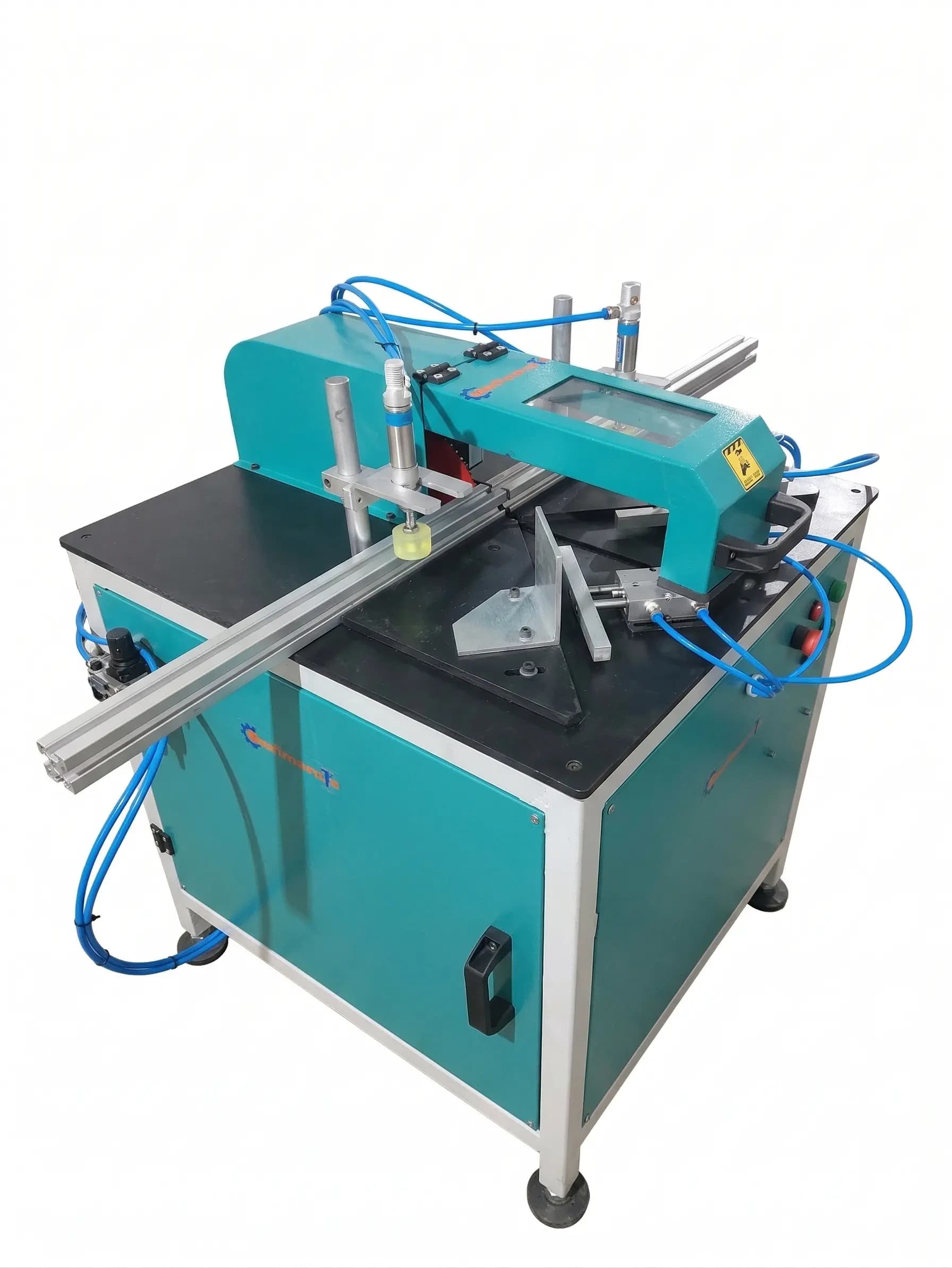
Precision in aluminium fabrication for Nagpur’s high-rise commercial sectors like MIHAN requires more than just a steady hand; it demands synchronized automation. When dealing with high-performance curtain walls or thermal break profiles, the margin for error is non-existent. An automatic double head cutting saw for aluminium profiles is the cornerstone of any workshop aiming for zero-error precision. In my 15 years of managing workshop floors, I have seen how manual errors in degree cutting lead to massive rework costs. This guide focuses on why Nagpur-based fabricators must transition from manual tools to CNC-integrated window machinery to remain competitive. Commercial projects in regions like Sitabuldi or Dharampeth now demand international finish standards that only high-precision engineering can provide. ## The Engineering Behind the Automatic Double Head Cutting Saw for Aluminium Profiles. The core of a high-performance aluminium cutter machine lies in its blade stability and positioning accuracy. For most commercial aluminium profile cutting machine setups, we utilize 450mm or 500mm TCT (Tungsten Carbide Tipped) blades. These blades must maintain a specific feed rate, typically controlled by hydro-pneumatic cylinders to ensure a smooth stroke. A jerky movement during the cutting process can result in burrs, requiring secondary finishing work. By using an automatic double head cutting saw, the machine simultaneously cuts both ends of the profile at the required degree. This eliminates the 'cumulative error' often seen in single cutting processes where the profile is moved manually between cuts. Technical specifications that matter for Nagpur's industrial environments include the motor power, usually around 2.2kW per head. The air pressure must be a consistent 6-8 bar, which can be challenging during peak industrial hours in Butibori or Uppalwadi. I recommend installing a dedicated air receiver tank to prevent fluctuations in the aluminium cutting machine price ROI. Proper clamping is equally critical; vertical and horizontal pneumatic clamps ensure the profile doesn't vibrate during the high-speed rotation. Most modern systems are now moving towards PLC-controlled length setting, which allows for accuracy within ±0.1mm. This level of precision engineering is essential for the tight tolerances required in uPVC windows machinery and high-end aluminium systems. ## Scaling Fabrication Capacity in Nagpur: A Practical Case Study. Last year, we assisted a medium-scale fabricator in Nagpur who was struggling with a 12% material waste rate. They were primarily using a single aluminium cutting machine 12 inch setup and a manual punching machine for their window fabrication. The production was capped at 15 window frames per day, and the 45-degree joints often had visible gaps. We replaced their legacy equipment with a Mechnovate automatic double head cutting saw and an aluminium punching machine. Within six weeks, their waste rate dropped to a staggering 2.8%, and output increased to 55 frames per day. The key to this transformation was the reduction in manual handling. In the old setup, workers spent 40% of their time measuring and re-measuring lengths. With the new head cutting machine, the operator simply enters the dimensions into the digital display. The right cutting head moves automatically to the exact position, and the dual-blade system handles the 45-degree miters perfectly. This shift not only improved speed but also elevated their brand reputation among Nagpur’s top architects. They were soon able to bid for larger commercial contracts that required documented ISO 9001 compliance and precision engineering standards. ## Maintenance and Safety for Heavy-Duty Aluminium Cutters. To maintain zero-error precision, your copy router machine and cutting saws need a strict maintenance schedule. In Nagpur's dusty environment, the linear guide rails of the head cutter machine can accumulate debris, leading to friction. We recommend a daily cleaning routine followed by lubrication with high-grade machine oil. The TCT blades should be inspected for tooth wear every 500 cuts; a dull blade increases the motor load and ruins the profile finish. For safety, ensure the machine is equipped with protective shields that interlock with the cutting cycle. Following industrial profile cutting safety standards is not just about compliance; it is about protecting your most valuable asset—your workforce. Always use a mist cooling system for the blades to prevent aluminium chips from welding to the teeth. This is particularly important when cutting thick-walled profiles for commercial curtain walls. If you are comparing aluminium cutter machine price options, always look at the frame rigidity. A cast-iron base will dampen vibrations better than a welded steel frame, leading to a longer machine lifespan. High speed copy router for aluminium windows should also be integrated into the workflow to handle handle-holes and drainage slots with the same precision as the primary cuts. ## Why Nagpur Fabricators are Investing in uPVC and Aluminium Synergy. The market trend in Nagpur is shifting towards a mix of uPVC and high-end aluminium. Many startups are looking for the best uPVC window making machine for small business units to tap into the residential market. However, the commercial sector remains dominated by aluminium profiles due to their structural integrity. Investing in a versatile automatic double head cutting saw allows a workshop to process both materials efficiently. While uPVC machinery manufacturer specifications differ, the fundamental need for accurate degree cutting machine performance remains constant. A common mistake I see is fabricators buying a cheap aluminium cutting machine 12 inch and expecting it to perform like an industrial-grade unit. For commercial projects, you need the stability of a 45 degree double head cutting machine. This ensures that the miter joints are airtight and structurally sound, preventing leaks during Nagpur’s monsoon season. Furthermore, the integration of a CNC uPVC window fabrication machine can further streamline operations for those looking at the automatic upvc window plant cost India. Choosing the right machinery manufacturer in India who provides local service support in Maharashtra is vital for minimizing downtime. ## FAQ for Aluminium and uPVC Window Fabricators. 1. What is the ideal blade diameter for commercial aluminium profiles? For most commercial profiles in Nagpur, a 450mm to 500mm TCT blade is ideal. This allows for cutting wider profiles used in sliding doors and curtain walls that a standard 12-inch blade cannot handle. 2. How does the automatic double head cutting saw reduce material waste? By using a digital positioning system and dual-blade cutting, the machine eliminates the manual measurement errors that lead to short-cuts. Our data shows a reduction in scrap from 10-12% down to under 3% in most Nagpur facilities. 3. Is it worth investing in a CNC-controlled cutting machine for a startup? While the initial automatic aluminium window production line price is higher, the ROI is faster due to lower labor costs and higher precision. For startups, we often suggest a semi-automatic version that can be upgraded as the business grows in the Nagpur market.
Get more articles like this
Follow Mechnovate on Google to see our guides in Google Discover & News