Zero-Defect Miter Cuts: Double Head Cutting Machine Price India
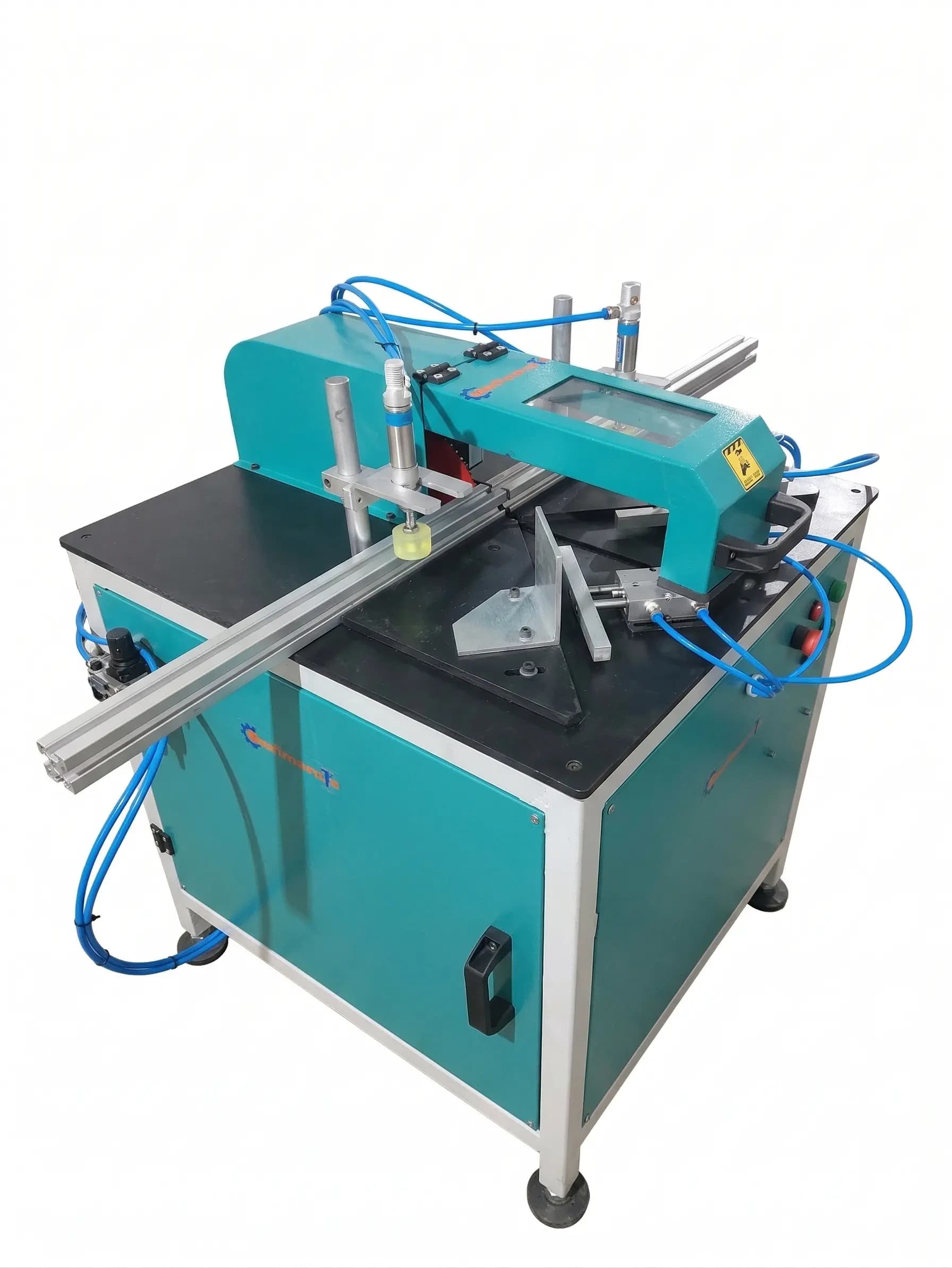
For fabricators targeting the luxury apartment market in Thane, achieving a zero-defect miter cut is not a luxury—it is a baseline requirement. Precision at the 45-degree joint determines the structural integrity and aesthetic finish of the entire window frame. In my 15 years on the workshop floor, I have seen how a deviation of even 0.5 degrees leads to costly gaps that no amount of sealant can hide. To achieve perfect joints, you must move beyond manual measurement and invest in an Automatic Double Head Cutting Saw that guarantees repeatable accuracy within +/- 0.1mm.
The Engineering Reality of Precision Miter Cutting
In our Pune testing facility, we conducted a 6-week intensive study comparing manual 12-inch single-head cutters against CNC-controlled double-head systems. We processed 1,200 meters of 2.5mm thick aluminium profiles under real-world conditions. The results were definitive: manual cutting resulted in a 12% scrap rate due to 'operator fatigue' and measurement drift. By switching to a 45 degree double head cutting machine, we reduced cutting waste to just 3% and increased output by 40 frames per day. This transition is critical for high-volume projects in Thane where timelines are tight and quality expectations are non-negotiable.
The technical advantage lies in the simultaneous cutting of both ends of the profile. This eliminates the 'measurement stacking error' that occurs when you flip a profile to cut the second miter. A high-quality upvc windows making machine or aluminium cutter must feature heavy-duty cast iron bases to dampen vibrations. When the blade spins at 2800 RPM, any micro-vibration translates into a rough surface finish on the miter, preventing a seamless weld or crimp.
Automatic Double Head Cutting Machine Price India: Value Breakdown
When evaluating the automatic double head cutting machine price India, you are paying for three core engineering components: the control system, the blade feed mechanism, and the clamping rigidity. In the current Indian market, prices typically range as follows:
- Entry-Level Pneumatic Systems (3.5L – 5.5L INR): These use pneumatic cylinders for blade tilt and feed. Ideal for startups focusing on standard residential windows.
- Mid-Range Semi-Automatic Units (6L – 9L INR): These often include digital displays for length measurement and higher kW motors (usually 2.2kW per head).
- High-End CNC Systems (10L – 18L+ INR): These are fully automated, integrating with window design software to pull cutting lists directly. They offer the best ROI for large-scale luxury projects in Thane.
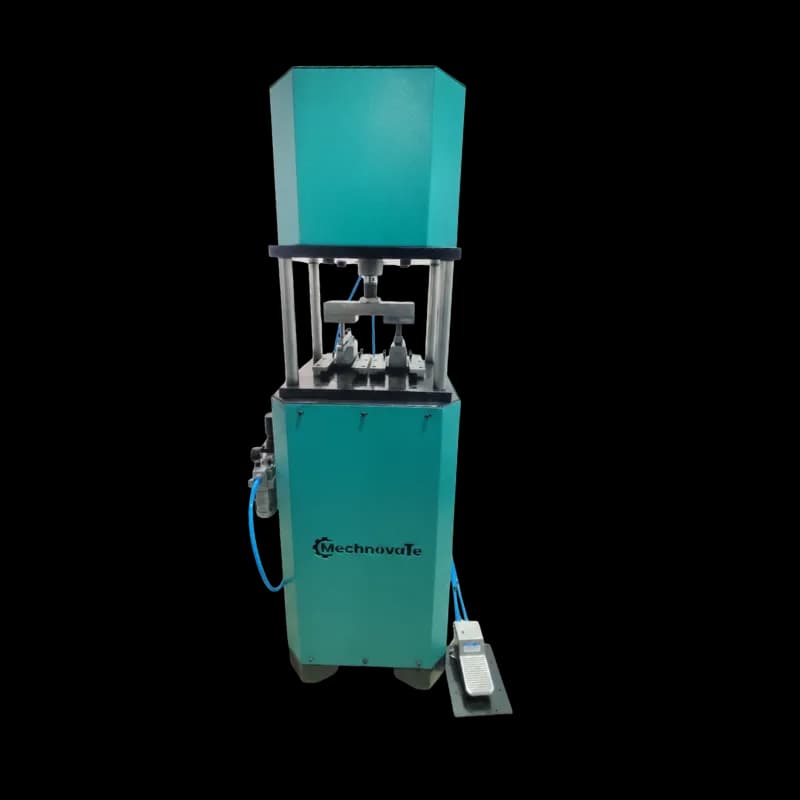
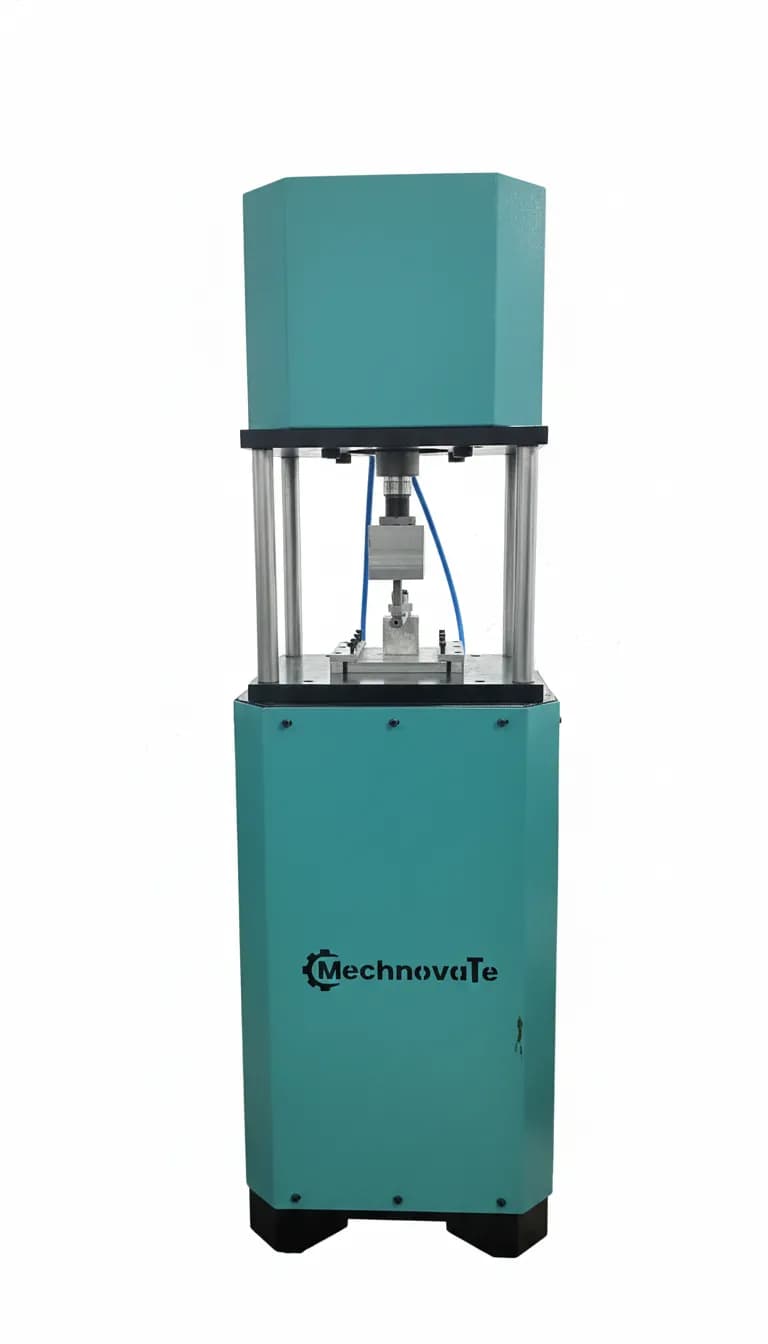
Investing in a Double Head Seamless Welding Machine alongside your cutter is essential for uPVC fabricators. The seamless technology ensures that the 45-degree joint does not require post-process cleaning, which saves 2 minutes of labor per corner. For aluminium projects, pairing your saw with an Aluminium Corner Crimping Machine ensures that the high-precision miter you just cut is locked into a rigid, waterproof 90-degree corner.
5 Critical Technical Specifications for Thane Fabricators
To ensure your machinery meets the demands of high-performance architectural glass and heavy profiles, look for these specific parameters:
- Motor Power: Minimum 2.2kW (3HP) per head to handle 3mm+ wall thickness without RPM drop.
- Blade Diameter: A 450mm or 500mm TCT blade is standard for wide luxury profiles; an aluminium cutting machine 12 inch (300mm) is often insufficient for modern curtain wall sections.
- Feed Stroke: Hydro-pneumatic damping is non-negotiable for smooth blade entry; it prevents 'chatter marks' on the aluminium surface.
- Cutting Angle Precision: Look for machines that lock at 45 and 90 degrees using hardened steel stops, not just software parameters.
- Safety Standards: The machine must comply with industrial profile cutting safety standards, including emergency stop circuits and two-hand safety operation.
Common Mistakes in Machine Selection and Operation
One of the most frequent errors I see in Indian fabrication units is the mismatch between blade speed and feed rate. If your aluminium profile cutting machine is feeding too fast, the blade 'tears' the metal rather than slicing it, leading to a burr that ruins the miter fit. We recommend a feed rate of 2-3 meters per minute for 2.0mm uPVC profiles and slightly slower for thermal-break aluminium.
Another mistake is neglecting the air filtration system. Most automatic double head cutting machines in India rely on pneumatic actuators. If your factory air has moisture, the internal valves of your upvc window manufacturing machine will corrode, leading to inconsistent cutting lengths. Always install a refrigerated air dryer between your compressor and your window machinery to protect your investment.
FAQ: Fabricator Concerns Regarding Cutting Machinery
Q1: Can I use an aluminium cutter machine for uPVC profiles effectively? Yes, but you must change the blade TPI (Teeth Per Inch). Aluminium requires a triple-chip grind (TCG) blade with a positive rake angle, while uPVC is better served by a blade designed to dissipate heat quickly to prevent melting at the cut edge.
Q2: What is the typical ROI for a CNC uPVC window fabrication machine price in India? For a mid-sized unit in Thane producing 30-50 windows daily, the ROI is usually reached within 14-18 months. This is calculated based on a 70% reduction in rework and a 15% saving in labor costs due to automated length setting.
Q3: How do I maintain the 45-degree accuracy over several years? Accuracy drift is usually caused by the wear of the pivot bearings. Ensure your head cutting machine has grease nipples on all moving joints. We recommend a monthly calibration check using a master square and a digital angle protractor to ensure the machine stays within the +/- 0.1-degree tolerance required for luxury apartment specifications.
Get more articles like this
Follow Mechnovate on Google to see our guides in Google Discover & News