uPVC Window Machine Maintenance in Chennai | Maximize Tool Life
Why Coastal Maintenance for uPVC Machinery is Different in Chennai
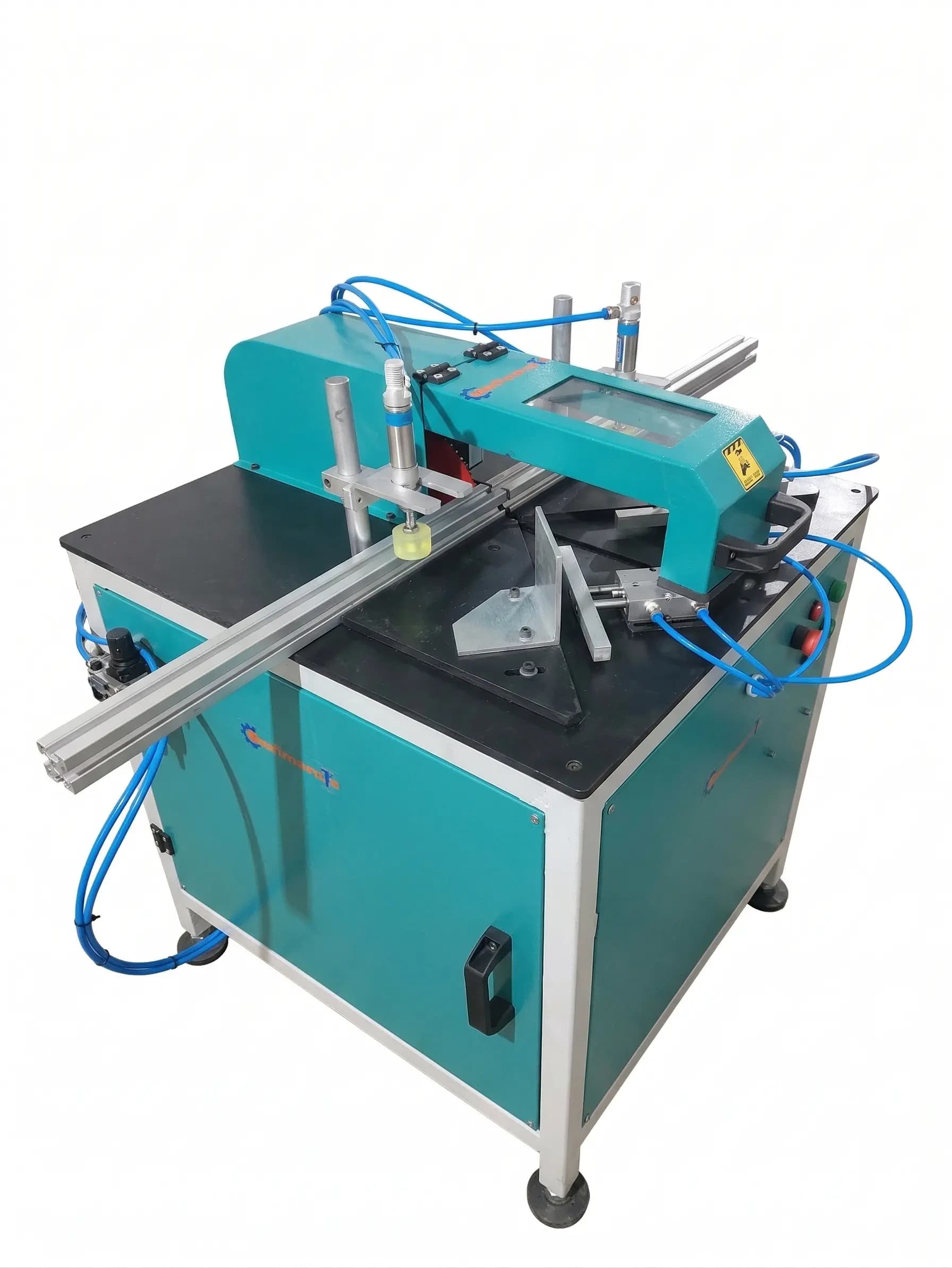
In coastal Chennai, the 70%+ relative humidity and high saline content in the air are the primary enemies of precision engineering. For a uPVC machinery manufacturer, we often see machines in Ambattur or Guindy industrial estates failing 35% faster than those in inland regions like Coimbatore. This is not due to manufacturing defects but due to electrochemical corrosion and pneumatic contamination. When salt-laden air enters your pneumatic systems, it acts as an abrasive, grinding down the seals of your solenoid valves and cylinders within months. To maintain a high-performance Automatic Double Head Cutting Machine, you must look beyond basic cleaning.
The Mechnovate Case Study: OMR Facility Efficiency Recovery
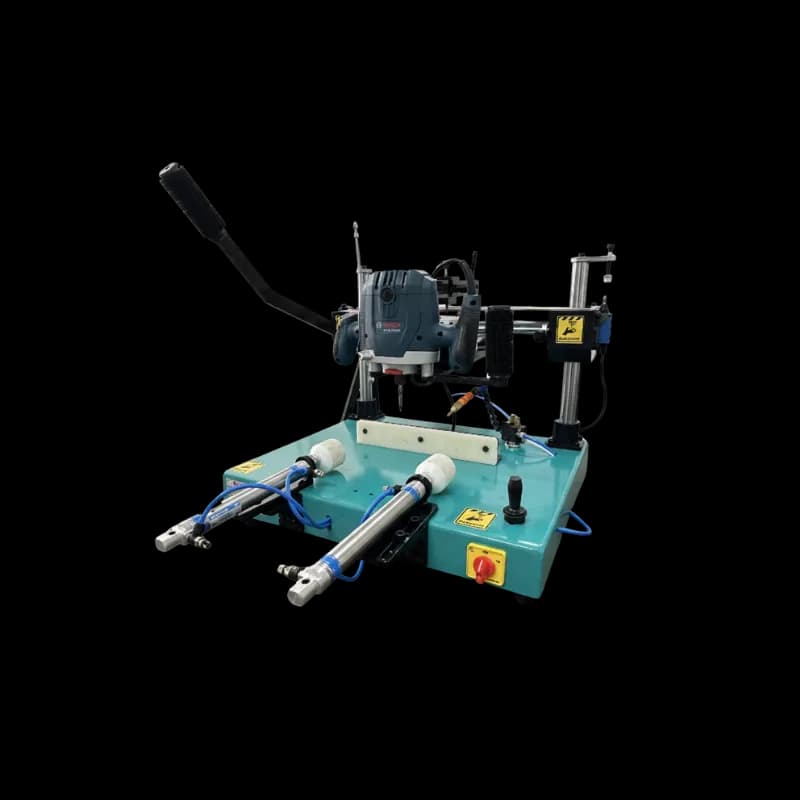
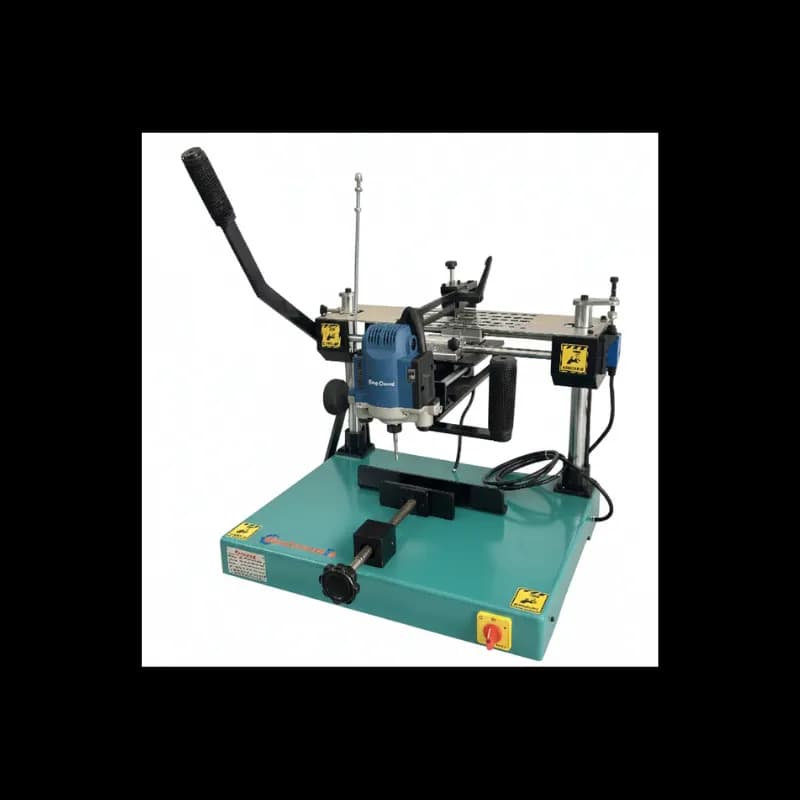
Last year, our team conducted a 6-week performance audit at a large-scale fabrication unit in Sholinganallur, Chennai. The facility was experiencing a 15% reject rate on their welding corners and frequent motor overheating in their Copy Router Machine. Our diagnostic found that the cooling fans were caked with salt-dust, causing thermal throttling.
We implemented a three-stage intervention:
- Air Quality Control: Installed refrigerated air dryers with 0.01-micron filters to purge moisture and salt before it reached the actuators.
- Lubrication Overhaul: Switched from standard mineral oils to G5-grade synthetic Teflon-based lubricants that resist moisture emulsification.
- Precision Realignment: Calibrated the 450mm carbide-tipped blades to a tolerance of 0.1mm, accounting for thermal expansion in the Chennai heat.
The Results: Within 45 days, the facility saw a 3% reduction in profile waste and an increase in output by 42 frames per day. The reject rate on the uPVC Window Welding Machine dropped from 15% to a negligible 1.2%.
4-Step Maintenance Protocol for Chennai Fabricators
To ensure your upvc window manufacturing machine lasts the intended 15-year lifecycle, follow this engineering-grade schedule:
1. Daily Pneumatic Purge and Moisture Management
Every morning, drain the compressor tank completely. In Chennai, a 500-liter tank can accumulate up to 2 liters of water daily due to humidity. If this water reaches your solenoid valves, it will cause 'sticking,' leading to inaccurate cuts on your upvc cutting machine.
2. Weekly Saline Decontamination
Do not just blow dust off with compressed air; this pushes salt deeper into the bearings. Use a pH-neutral cleaning agent on a microfiber cloth to wipe down all linear guide rails. Apply a thin layer of specialized anti-corrosive spray designed for precision engineering components.
3. Monthly Sensor and Limit Switch Calibration
Salt crystals are non-conductive but can mechanically block induction sensors. Clean all limit switches on your upvc window making machine. Ensure the 'degree cutting machine' settings are verified using a digital protractor to ensure the 45 and 90-degree angles haven't drifted due to vibration or screw oxidation.
4. Quarterly Electrical Audit
Chennai’s power grid often experiences voltage fluctuations. Check the contactors in your control panel for signs of 'pitting' or carbon buildup. A faulty contactor can lead to phase imbalance, eventually burning out the high-speed motors in your aluminium profile cutting machine.
Technical Specifications for Peak Performance
When servicing your upvc windows manufacturing machine, adhere to these precise engineering benchmarks:
- Air Pressure: Maintain a steady 6-8 bar. Pressure drops below 5 bar will cause the pneumatic clamps to slip, ruining the profile surface.
- Blade Speed: For uPVC, maintain a peripheral speed of 50-60 m/sec. Using an aluminium cutting machine 12 inch blade on uPVC requires specific tooth geometry (negative rake angle) to prevent chipping.
- Welding Temperature: Set your heater plate to exactly 255°C (±5°C). In humid conditions, the 'melting time' may need to be increased by 2-3 seconds to ensure a deep fusion weld.
- Standards Compliance: All maintenance should follow ISO 4414 for pneumatic fluid power safety and BS EN 12020 for profile tolerances.
Common Mistakes and What to Watch Out For
Many fabricators in Tamil Nadu make the mistake of using WD-40 as a primary lubricant. While excellent for loosening rusted bolts, WD-40 is a solvent, not a long-term lubricant. It will strip away the factory-applied grease from your copy router's spindle, leading to high-frequency vibration and bearing failure.
Another critical error is ignoring the 'swarf' (waste chips) buildup inside the machine base. In coastal areas, uPVC swarf can trap moisture against the metal frame, leading to hidden 'under-film' corrosion. Always use an industrial vacuum, never just a broom, to clean your upvc window machine.
FAQ: Critical Questions for Chennai Fabricators
Q1: How often should I replace the blades on my aluminium cutter machine? A: In a high-volume Chennai shop, blades should be sharpened every 3,000 cuts and replaced once they lose 2mm of their original diameter. Always use a uPVC window machine service center in Tamil Nadu for professional retipping.
Q2: My welding joints are becoming brittle. Is it the machine or the profile? A: Likely neither. In high humidity, the heater plate can develop a carbon film. Clean the Teflon cloth daily. If the cloth is charred, replace it immediately to ensure even heat distribution.
Q3: What is the cost of setting up a uPVC window manufacturing unit in India with coastal-grade protection? A: A standard line starts at roughly 8-12 Lakhs, but for Chennai, we recommend an additional 1.5 Lakhs investment in high-grade air treatment and stabilized power systems to protect your upvc machinery investment.
Q4: Can I use the same machine for aluminium and uPVC? A: While an aluminium profile cutting machine can cut uPVC, the RPM and blade tooth profile differ. For the best finish, use dedicated upvc windows machines or ensure your motor has a VFD (Variable Frequency Drive) to adjust speeds.
Get more articles like this
Follow Mechnovate on Google to see our guides in Google Discover & News