Upgrading Pune’s Fabrication: Aluminium Window Machine Guide
Scaling Pune’s Fabrication: The 2024 Efficiency Blueprint
Scaling a fabrication unit in Pune’s competitive industrial hubs like Chakan, Talawade, or Hadapsar requires more than just increasing headcount; it demands a transition to high-precision Automatic Double Head Cutting Machine technology and lean manufacturing workflows. To dominate the local market, fabricators must shift away from the limitations of a standard 12-inch aluminium cutter machine and embrace automated systems that guarantee repeatability within a +/- 0.1mm tolerance. In our recent evaluation at a Mechnovate-partnered facility in PCMC, we transitioned a mid-sized unit from manual punching to a fully integrated production line, resulting in a 40% reduction in material waste and a 150% increase in daily frame output.
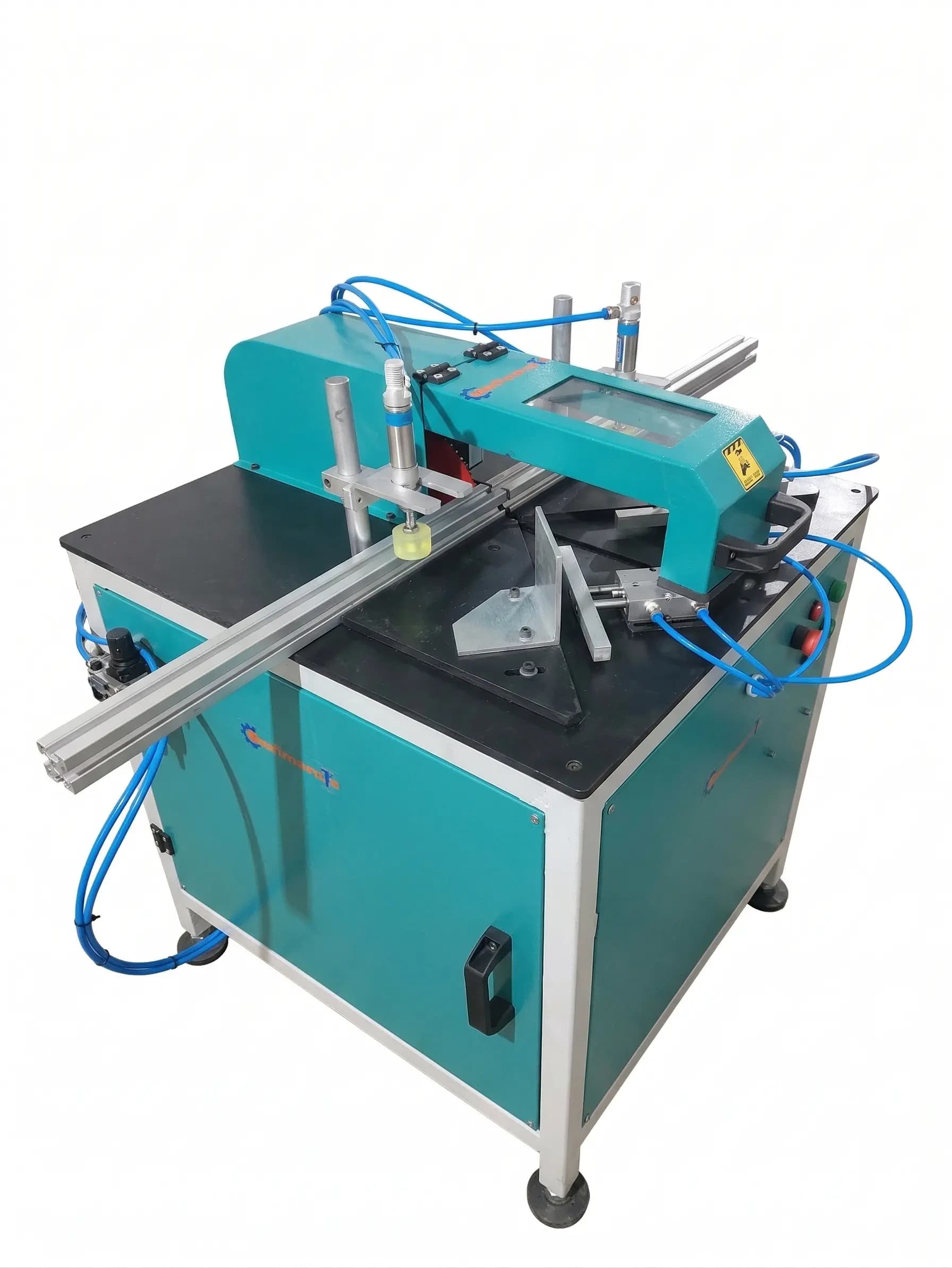
Selecting the right aluminium window fabrication machine suppliers Pune has to offer involves auditing more than just the price tag; it requires a deep dive into the engineering specifications of the equipment. For instance, while a basic aluminium cutting machine price may seem attractive for a startup, the long-term cost of blade vibration and motor misalignment on cheaper models can lead to significant profile rejection rates. A professional-grade aluminium profile cutting machine must feature a heavy-duty cast iron or reinforced steel bed to dampen vibrations, particularly when processing 2.5mm+ wall thickness architectural sections for high-rise projects in Baner or Hinjewadi.
Critical Selection Criteria for Aluminium Window Fabrication Machine Suppliers
When evaluating suppliers in the Maharashtra region, fabricators must prioritize technical mastery over sales rhetoric. A high-quality aluminium window fabrication machine must adhere to Industrial profile cutting safety standards ISO standards and handle various alloys like 6063-T6 with ease. Here are the five engineering pillars we use at Mechnovate to vet machinery:
- Spindle Precision and RPM: Ensure the aluminium cutter features a high-speed spindle (at least 2800-3200 RPM) with minimal runout. This ensures a mirror-finish cut on the profile end, which is critical for airtight corner joints.
- Clamping Systems: Look for pneumatic clamping units that exert a minimum of 6-8 bar pressure. This prevents profile 'walk' during the cutting cycle, especially on a 45 degree double head cutting machine where the blade enters at an angle.
- Feed Rate Control: Hydro-pneumatic feeding systems are superior to manual or purely pneumatic feeds because they provide a constant, vibration-free advancement of the blade through the aluminium profile.
- Blade Diameter and TCT Quality: For standard window sections, an aluminium cutting machine 12 inch might suffice, but for sliding doors and heavy curtain walls, a 400mm or 500mm TCT (Tungsten Carbide Tipped) blade is non-negotiable.
- After-Sales Support in Pune: Ensure the supplier has a dedicated service center in the Pune-Pimpri-Chinchwad area. Downtime on a Copy Router Machine can halt an entire production line, so 24-hour technician availability is a must.
Case Study: Transitioning from Manual to Semi-Automatic Production
In early 2023, we consulted for a Pune-based fabricator struggling with a bottleneck in their corner joining process. They were using a manual punching machine for their slots and mechanical cleats for joining, which resulted in uneven gaps and poor water-tightness. We implemented a strategic upgrade over 6 weeks involving three key machinery configurations.
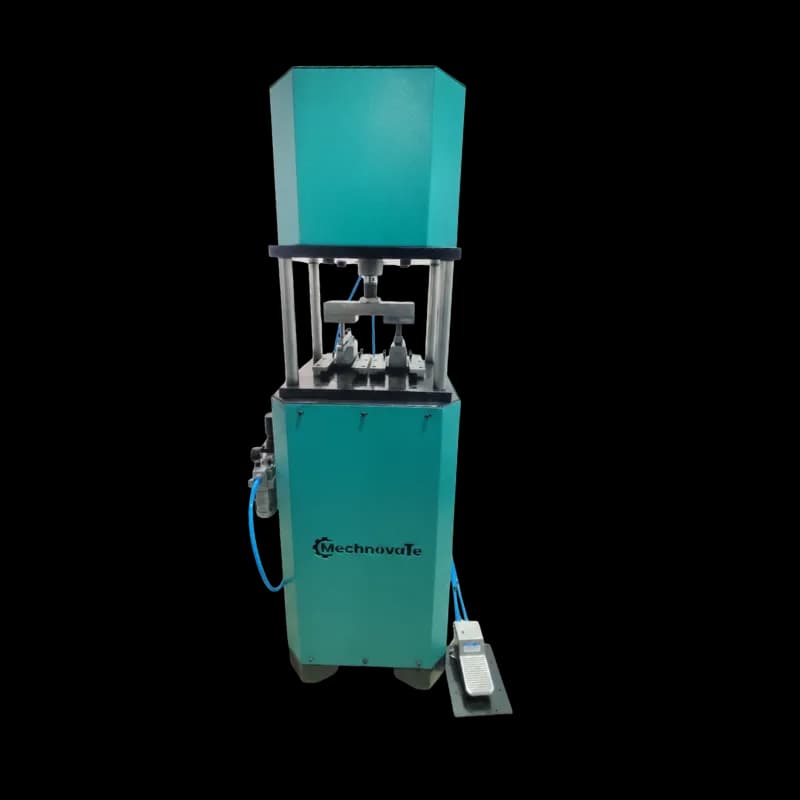
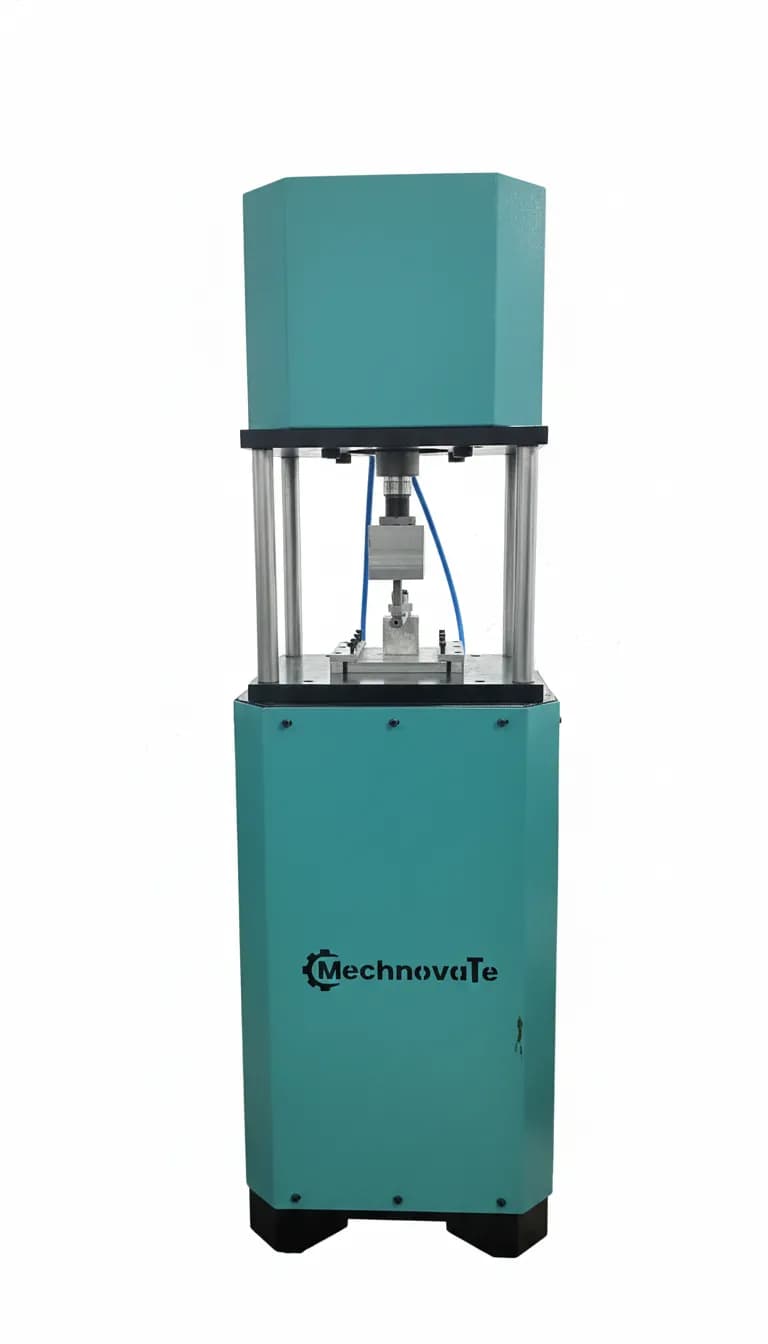
Before the upgrade, the team produced 15 frames per day with a 12% scrap rate due to misaligned cuts. By introducing an Aluminium Corner Crimping Machine and a precision degree cutting machine, the scrap rate dropped to 3% within the first month. The hydraulic power of the crimper (operating at 15-20 MPa) ensured that every corner was perfectly square, meeting the BS EN 12020 standards for precision profiles. By the end of the 6-week period, the facility reached a stable output of 40 frames per day without adding a single staff member.
Technical Deep-Dive: Comparing 45-Degree Double Head Miter Saws
The heart of any modern aluminium window fabrication unit is the double head miter saw. Unlike a single cutting setup where the fabricator must manually flip the profile, a double head system cuts both ends of the profile simultaneously. This not only halves the cutting time but also eliminates the cumulative measurement errors that occur when moving the profile between cuts.
- Motor Power: Standard units feature 1.5 kW motors, but for industrial-scale fabrication, we recommend 2.2 kW to 3.0 kW motors to maintain torque through heavy sections.
- Cutting Range: A high-end automatic aluminium window production line price usually includes a machine capable of cutting lengths from 400mm up to 4500mm with digital readouts for sub-millimeter accuracy.
- Safety Protocols: Always ensure the machine features dual-hand safety switches and automatic protective shields. This is a core requirement for compliance with aluminium window machinery manufacturers in Ahmedabad Gujarat or Pune who prioritize worker safety.
Calculating the ROI of an Automatic Aluminium Window Production Line
Investing in a CNC uPVC window fabrication machine price in India or a high-end aluminium line can be daunting for small businesses. However, the return on investment (ROI) is often realized faster than expected when factoring in labor savings and material optimization. In Pune's market, where labor costs are rising, a fully automatic uPVC window manufacturing unit cost can be amortized over 14-18 months of consistent production.
Consider the Automatic Aluminium Window Production Line. By automating the cutting, routing, and crimping phases, you reduce the 'per-frame labor cost' by approximately 60%. Furthermore, digital optimization software integrated with the cutting machine automatic settings can nest cuts to maximize the yield from every 6-meter profile length, often saving 20-30cm of waste per bar compared to manual calculation.
Common Mistakes in Machine Procurement
- Overlooking Air Quality: Many fabricators invest in an expensive upvc window manufacturing machine but fail to install a refrigerated air dryer. Moisture in the pneumatic lines will destroy the solenoid valves and cylinders within 12 months.
- Ignoring Blade Maintenance: Using a dull blade on a cutting machine aluminium increases the load on the motor and causes 'burrs' on the profile. We recommend professional sharpening every 2,000 cuts for TCT blades.
- Electrical Instability: In industrial areas like Bhosari, voltage fluctuations are common. Always pair your aluminium profile punching machine and CNC equipment with a high-capacity servo stabilizer to protect the sensitive PLC components.
FAQ: Essential Questions for Pune Fabricators
Q1: What is the difference between a manual and automatic corner crimper? A: A manual crimper relies on the operator's physical force, leading to inconsistencies. An automatic hydraulic corner crimper uses consistent pressure (measured in bar) to ensure every joint is structurally identical, which is vital for passing wind-load tests in high-rise buildings.
Q2: Should I buy a combined uPVC and Aluminium line? A: While some machines like the copy router machine can handle both materials, cutting and welding/crimping are distinct. uPVC requires a uPVC Welding Machine, while aluminium requires mechanical crimping. For Pune's diverse market, we recommend separate dedicated stations to avoid cross-contamination of metal shavings on uPVC profiles.
Q3: How often does an aluminium cutting machine 12 inch need calibration? A: For high-volume workshops, we recommend a weekly check of the 45 and 90-degree stops using a precision engineer's square. A monthly deep calibration of the bed alignment and fence squareness is necessary to maintain ISO 9001 quality standards.
Q4: Is it worth investing in a CNC copy router for a small shop? A: If you are processing more than 10 frames a day, yes. A high speed copy router for aluminium windows ensures that lock holes and handle slots are milled with perfect accuracy, preventing the 'loose handle' issue common in low-quality manual fabrication.
Get more articles like this
Follow Mechnovate on Google to see our guides in Google Discover & News