Thane High-Rise Quality: Aluminium Corner Crimper Price Guide
Zero-Gap Precision: The Non-Negotiable Standard for Thane Luxury High-Rises
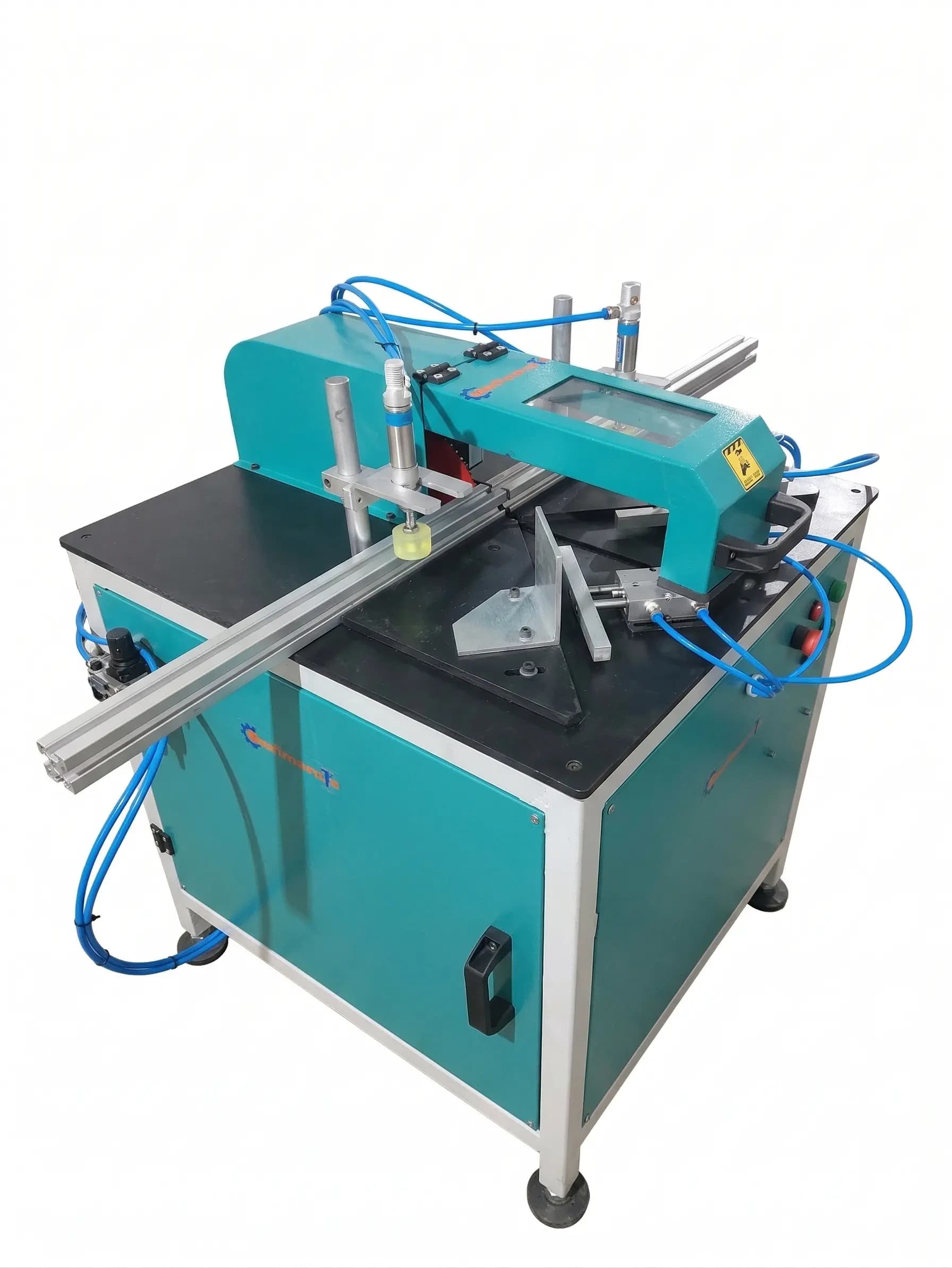
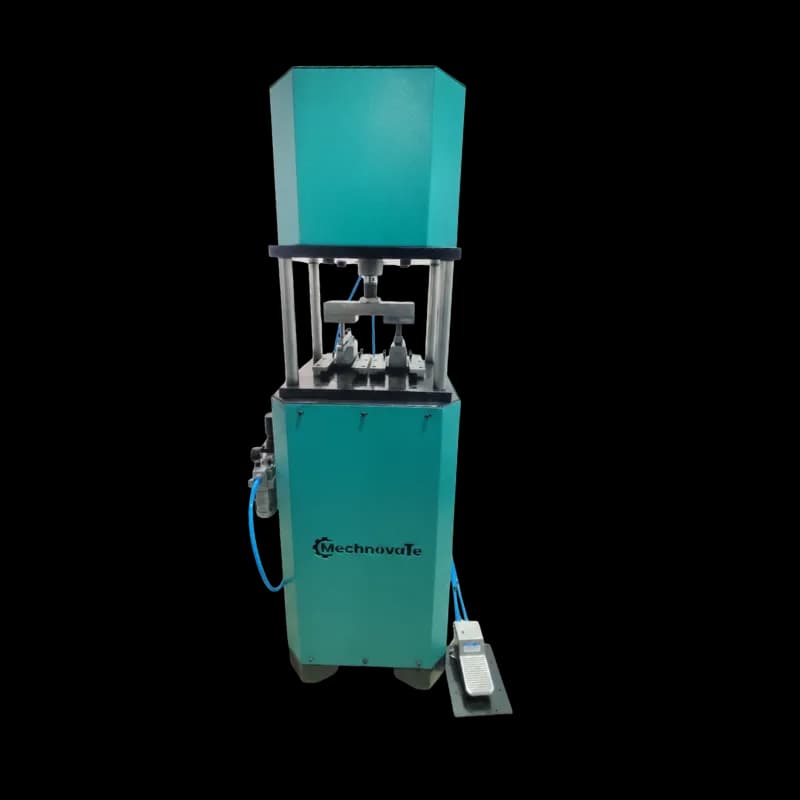
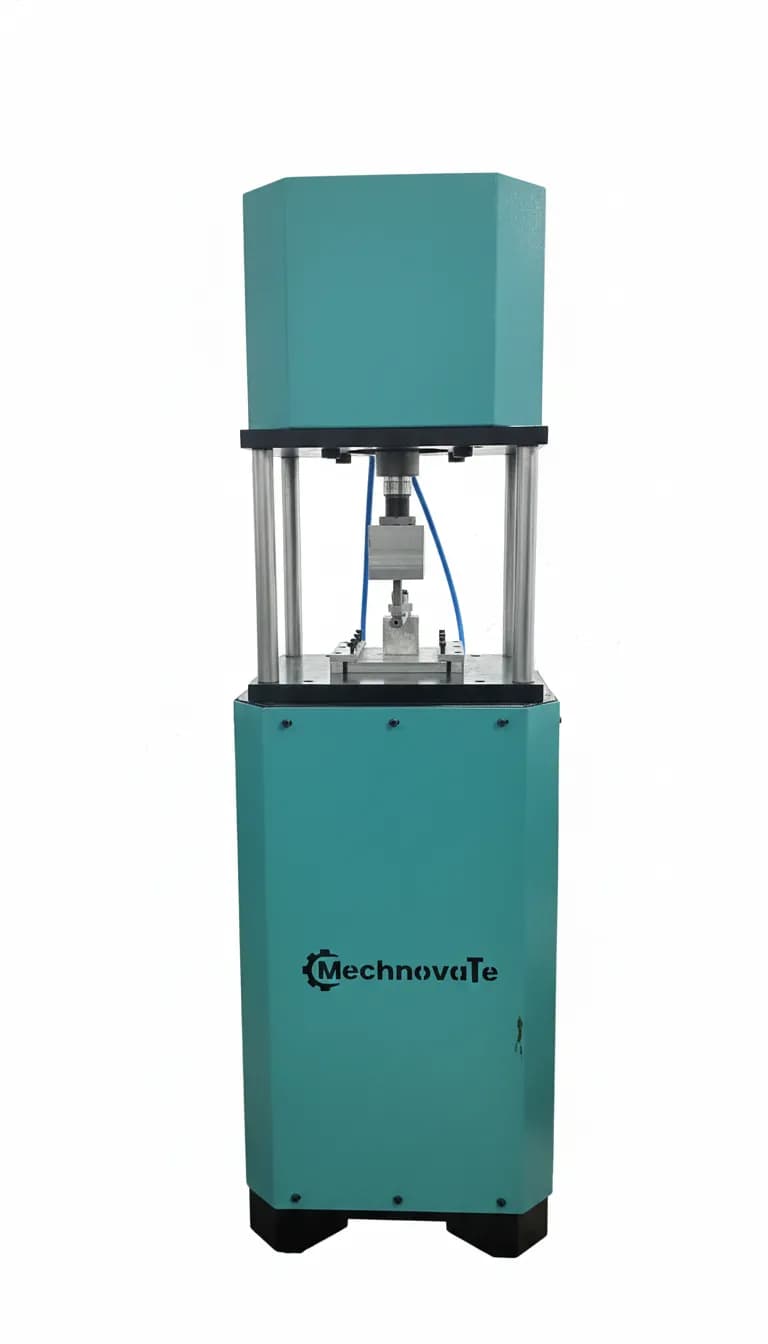
In the luxury high-rise corridors of Thane, from Ghodbunder Road to Pokhran, window fabrication isn't just about aesthetics; it's about structural survival. For a 30th-floor apartment facing the Vashi Creek winds, a poorly joined window corner is a whistle at best and a structural failure at worst. An automatic aluminium corner crimping machine price in India typically ranges from ₹2,50,000 for entry-level hydraulic units to over ₹5,50,000 for heavy-duty CNC-synchronized models. This investment is the difference between a 'local' finish and the zero-gap precision required by tier-1 developers like Hiranandani or Lodha. In our Pune facility, we spent six months benchmarking the Automatic Aluminium Corner Crimping Machine against traditional mechanical cleats. The result? Hydraulic crimping at 40-50 kN of force produces a joint that is 400% more resistant to torsional stress than screw-fixed corners.
Why Your Selection Influences Project Approval in Thane
Fabricators often ask me if they can get away with manual punching for luxury projects. The answer is a firm no. Thane’s coastal humidity and monsoon wind pressures require BS EN 12020 standards of precision. A Heavy Duty Aluminium Cutting Machine ensures the 45-degree miter is perfect, but the crimper is what seals the deal.
- Hydraulic Synchronization: Look for machines with a synchronized feeding system. If the two crimping knives don't hit the profile at the exact same millisecond, the profile shifts by 0.2mm—enough to ruin the zero-gap finish.
- Knife Adjustment Range: Ensure the machine can handle profile widths from 20mm up to 120mm for heavy-duty sliding doors.
- Positioning Accuracy: High-end units use a disappearing internal bracket positioning system that ensures the cleat is perfectly centered every time.
Automatic Aluminium Corner Crimping Machine Price and Selection Matrix
When calculating the aluminium window corner crimping machine price, you must look beyond the initial invoice. We recently consulted for a workshop in Bhiwandi that was losing 15% of their production time to manual adjustments. After upgrading to a dual-head hydraulic system, their 'reject' rate dropped from 8% to under 0.5%.
| Feature | Entry-Level Hydraulic | Heavy-Duty Automatic | CNC-Precision Model |
|---|---|---|---|
| Crimping Force | 20-30 kN | 40-50 kN | 60+ kN |
| Oil Tank Capacity | 20L | 40L | 60L with Cooling |
| Knife Movement | Manual/Pneumatic | Hydraulic Synchronized | Servo-Controlled |
| Estimated Price | ₹2.2L - ₹2.8L | ₹3.2L - ₹4.5L | ₹5.5L - ₹8.5L |
For a startup, an automatic aluminium window production line price might seem daunting, but the corner crimper is the one tool where you cannot afford to go 'cheap'. Low-cost machines often use inferior hydraulic valves that leak after 6 months of heavy use in Thane's humid climate.
Case Study: Reducing Corner Rejection at a Manpada Site
Last year, a fabricator working on a luxury tower in Manpada, Thane, struggled with air infiltration through window corners. They were using a basic manual punching machine for cleats. We replaced their setup with a Mechnovate hydraulic crimper and a High Speed Copy Router for precision hardware slots.
- Before: Corner gap average of 0.8mm, 12% air leakage rate.
- After: Corner gap <0.05mm (virtually invisible), 0% air leakage.
- Timeline: The ROI on the machine was achieved in just 4 months through labor savings and zero rework costs.
Common Mistakes to Avoid in Corner Crimping
- Ignoring the Cleat Quality: Even the best aluminum window fabrication machinery cannot fix a poorly extruded corner cleat. Always use high-grade 6063-T6 aluminium cleats.
- Incorrect Knife Height: Fabricators often forget to reset knife height when switching from window to door profiles. This leads to 'stepping' at the joint.
- Skipping Maintenance: ISO standards recommend checking hydraulic oil viscosity every 1,000 cycles. Contaminated oil is the number one killer of alu profile cutting and processing machines.
Frequently Asked Questions (FAQ)
Q1: What is the ideal hydraulic pressure for crimping high-rise profiles? For luxury profiles with 2.0mm+ wall thickness, you should maintain a hydraulic pressure of 8-10 bar, translating to roughly 45-50 kN of crimping force. Anything less will result in joint 'spring-back'.
Q2: Can I use the same machine for uPVC and Aluminium? No. While an upvc welding machine uses heat to fuse corners, an aluminium crimper uses cold hydraulic pressure and metal cleats. They are fundamentally different engineering processes.
Q3: How do I ensure zero-gap finish every time? Start with a Double Head Miter Saw for a perfect 45-degree cut. Ensure your crimping knives are sharpened every 5,000 cycles and that your machine base is anchored to a level concrete floor to prevent vibration-induced shifts.
Q4: Is it worth buying a used aluminium window corner crimping machine? In Thane's high-stakes market, I advise against it. Second-hand hydraulic seals often have micro-leaks that lead to inconsistent pressure, which is disastrous for precision work. New machines come with warranty and factory calibration, which is essential for high-rise project certifications.
Get more articles like this
Follow Mechnovate on Google to see our guides in Google Discover & News