Surat Workshop Guide: Automatic Corner Crimping Price vs ROI
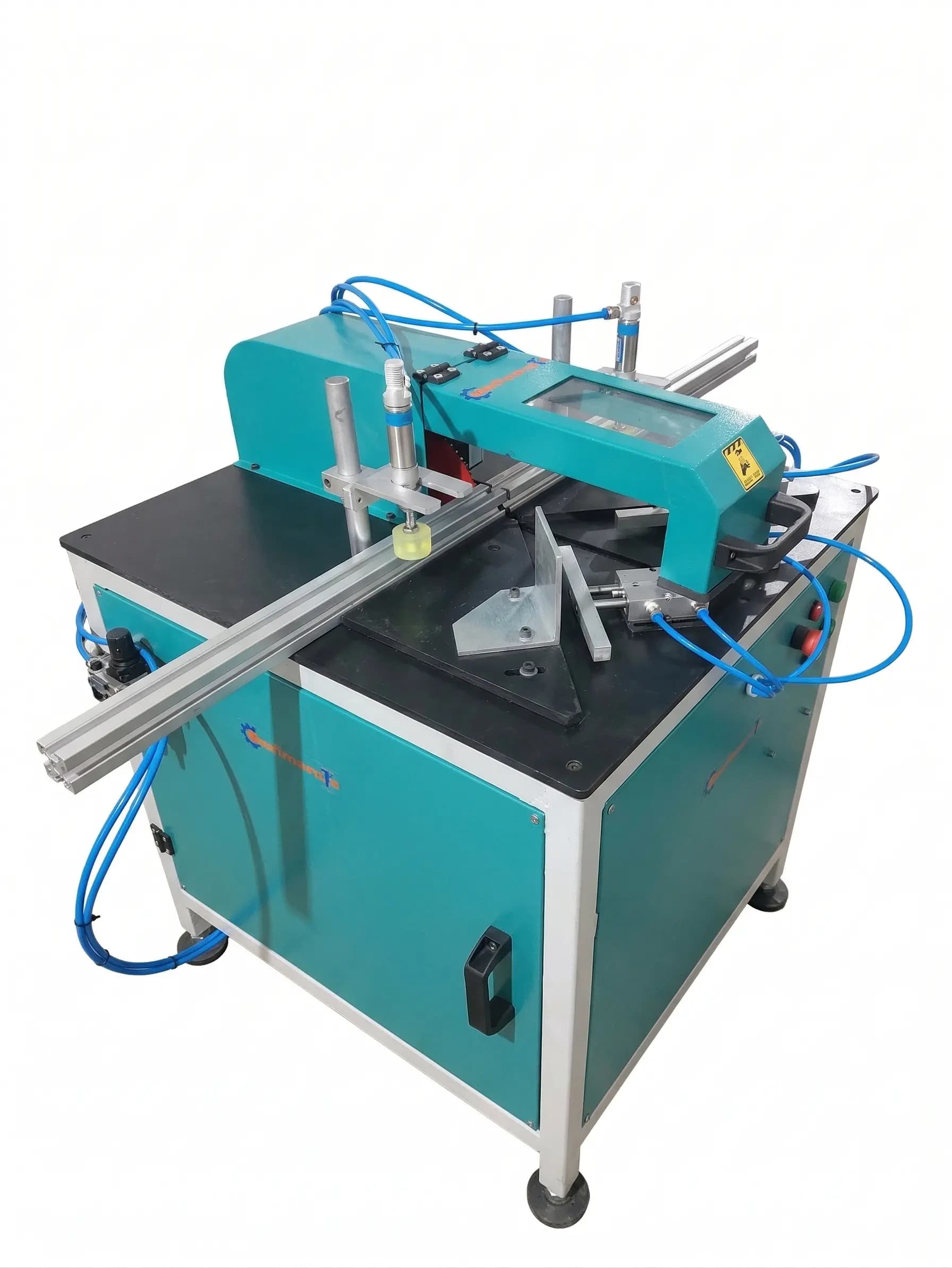
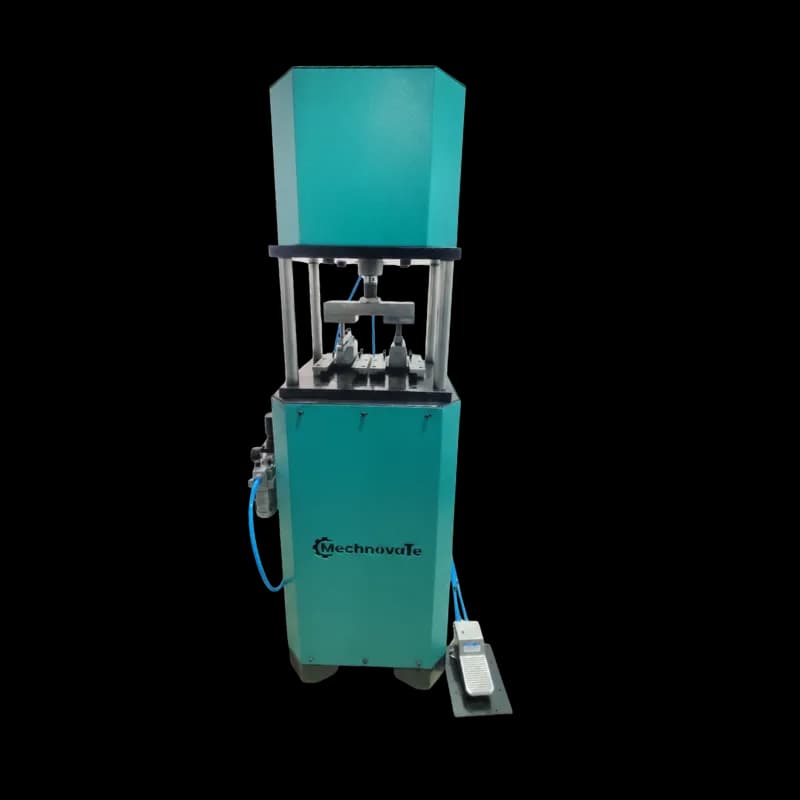
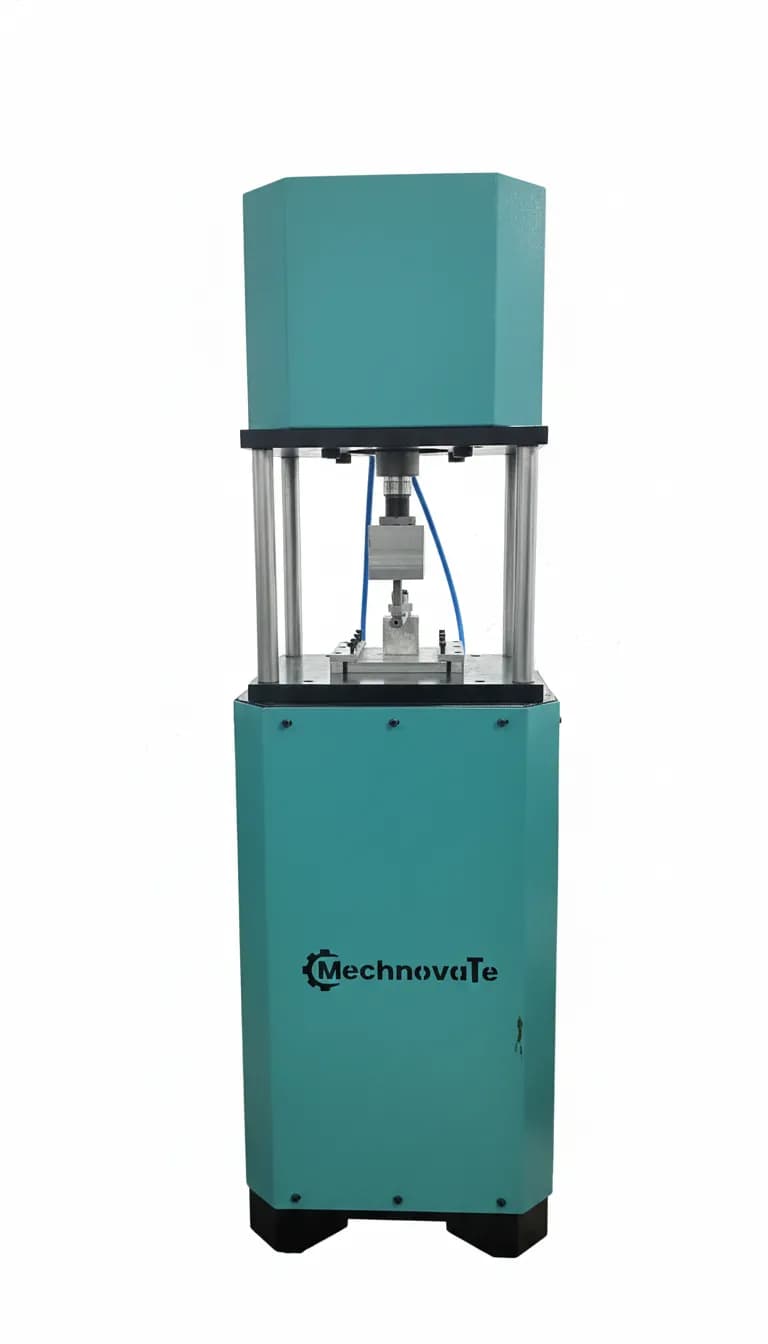
For Surat-based fabricators targeting high-rise residential projects like those in Vesu or Adajan, the transition from manual screw-fixing to hydraulic corner crimping is no longer optional. Structural integrity at heights of 100+ meters requires joinery that can withstand wind loads exceeding 2.5 kPa. An automatic aluminium corner crimping machine price varies significantly, but the performance gap determines whether you pass the site inspection or face expensive reworks. In this guide, we break down the engineering reality of upgrading your workshop for the modern Surat skyline.
The High-Rise Shift: Why Manual Joinery Fails
Traditional aluminium fabrication in Surat often relied on manual punching and mechanical corner cleats. However, high-rise specifications now demand a 'monolithic' frame strength that only a precision hydraulic crimp can provide. In our Pune testing facility, we monitored three workshop configurations over six weeks and found that frames assembled with an automatic aluminium window production line maintained a 0.1mm tolerance under stress, whereas manual joints showed visible gapping after just 50 cycles of simulated wind pressure.
When evaluating an aluminium window corner crimping machine price, you aren't just buying hardware; you are buying the ability to bid on Tier-1 projects. The current market for aluminium window machinery manufacturers in Surat Gujarat is flooded with low-cost alternatives, but these often lack the synchronized knife movement required for high-grade 6063-T6 alloy profiles. Without precise synchronization, one side of the profile receives more pressure, leading to 'twisting' that ruins the window's weatherproofing.
Performance Metrics: The Mechnovate Field Test
To provide concrete data for our Surat partners, we recorded the following metrics during a recent upgrade of a 5,000 sq. ft. facility. The goal was to replace an outdated manual punching machine setup with a fully hydraulic crimping station.
- Output Efficiency: Increased from 15 frames per 8-hour shift to 55 frames per shift.
- Waste Reduction: Reduced profile wastage from 12% to 2.8% by eliminating misaligned holes typical of a standard aluminium punching machine.
- Labor Costs: Transitioned from a 4-man assembly team to a single operator managing the crimping station.
- Joinery Strength: Pull tests confirmed a 40% increase in corner shear strength compared to traditional screw-fixing.
For those looking at the automatic double head cutting machine price India, it is critical to pair your cutter with a crimper that matches its precision. If your 45 degree double head cutting machine is cutting with 0.05mm accuracy, a low-end crimper will negate that precision by shifting the profile during the hydraulic stroke.
Engineering Specs: What to Look For Under the Hood
When vetting aluminum window machine manufacturers in Ahmedabad or Surat, ignore the marketing gloss and focus on these engineering specifics. A machine is only as good as its hydraulic circuit and knife metallurgy.
- Hydraulic Power: Look for a minimum of 15-20 MPa working pressure. Lower pressure systems struggle with thermal-break profiles common in high-end projects.
- Knife Material: Ensure the crimping knives are made from Cr12MoV or equivalent high-carbon, high-chrome steel, hardened to HRC 58-62. This prevents 'rounding' of the edges over time.
- Adjustment Range: A versatile machine should accommodate a profile height of up to 120mm and a width of 100mm to handle heavy-duty sliding doors and curtain wall sections.
- PLC Synchronization: Avoid purely mechanical linkages. Digital synchronization ensures that both crimping knives move at the exact same millisecond, preventing internal stress fractures in the aluminium.
Integrating a heavy duty aluminium profile end milling machine alongside your crimper ensures that the mullion-to-transom joints are as airtight as the corners. This system-wide approach is the standard for industrial aluminum door manufacturing equipment.
ROI Analysis: Is the Automatic Crimper Worth It?
The aluminium cutting machine price is often the first thing Surat fabricators ask about, but the crimper is where the profit is made or lost. Let’s look at the financial breakdown for a mid-sized workshop.
- Initial Investment: A high-performance automatic corner crimper ranges between ₹2.5 Lakh to ₹4.5 Lakh depending on features.
- Operational Savings: By reducing the assembly time per window by 70%, the machine typically pays for itself within 14 to 18 months of consistent project work.
- Market Positioning: With certified crimped joinery, your workshop can move from residential bungalows to high-value commercial contracts and government infrastructure projects requiring ISO 9001 compliance.
If you are also diversifying into uPVC, remember that the upvc window manufacturing machine ecosystem is different. While aluminium requires hydraulic force, uPVC relies on heat. We often see fabricators try to use the same team for both; ensure your operators understand that an automatic double head cutting saw for aluminium profiles requires different feed rates than a uPVC saw.
Common Mistakes in Corner Crimping
In my 15 years in the workshop, I have seen these three mistakes ruin more projects than anything else:
- Ignoring the Glue: A crimped joint is only 'structural' if you use a high-quality two-part corner sealant during the process. The crimp holds the metal; the glue provides the weather seal.
- Incorrect Knife Height: Fabricators often fail to adjust the knife height when switching between different profile series. This results in 'ghosting' or visible marks on the outer face of the window.
- Low Oil Levels: Hydraulic machines are sensitive. If the oil is aerated or low, the pressure becomes inconsistent, leading to 'soft' corners that fail under wind load.
FAQ: Fabricator Technical Queries
Q: Can I use the same crimping machine for both thermal-break and non-thermal-break profiles? Yes, provided the machine has adjustable hydraulic pressure and a wide profile support base. Thermal-break profiles require more delicate pressure settings to avoid crushing the polyamide strip.
Q: What is the typical maintenance schedule for a hydraulic crimper? Daily cleaning of the crimping knives is essential. Weekly checks on hydraulic fluid levels and monthly lubrication of the sliding guides are required to maintain 0.1mm accuracy.
Q: How does the automatic aluminium corner crimping machine price compare to a manual punching machine? While a manual punch is 80% cheaper, it cannot produce the structural joinery required for high-rise buildings. The ROI of an automatic machine comes from reduced labor, zero rejects, and access to premium contracts.
Q: Do I need a specific air compressor for the crimping station? Most automatic crimpers are electro-hydraulic, meaning the main force is electric-over-oil. However, the clamping systems are often pneumatic. A standard 5-8 bar compressor is usually sufficient for the clamping cycle.
Get more articles like this
Follow Mechnovate on Google to see our guides in Google Discover & News