Surat High-Rise Boom: Guide to CNC Aluminium Window Machinery
Why Surat’s High-Rise Specs Demand an Immediate Shift to CNC
Surat’s skyline is transforming at a rate that outpaces traditional fabrication methods. In areas like Vesu and Adajan, residential towers now routinely exceed 20 storeys. At these heights, wind loads are not just a theoretical concern; they are a primary engineering constraint. Based on IS 875 (Part 3), the wind pressure at a 70-meter elevation in Surat can exceed 2.0 kPa. If your aluminium fabrication process relies on manual measurements, you are inviting disaster. A 1mm deviation in a miter cut on a 12-inch manual cutter might seem negligible at ground level, but at the 25th floor, it leads to air infiltration, whistling sounds, and catastrophic water ingress during the monsoon. We have seen projects in Gujarat where entire floors of windows had to be replaced because manual fabrication couldn't meet the tight tolerances required for high-performance glazing systems. To survive this boom, fabricators must transition to an automatic double head cutting saw for aluminium profiles that guarantees accuracy within 0.1mm.
Technical Comparison: Manual vs. CNC Aluminium Fabrication
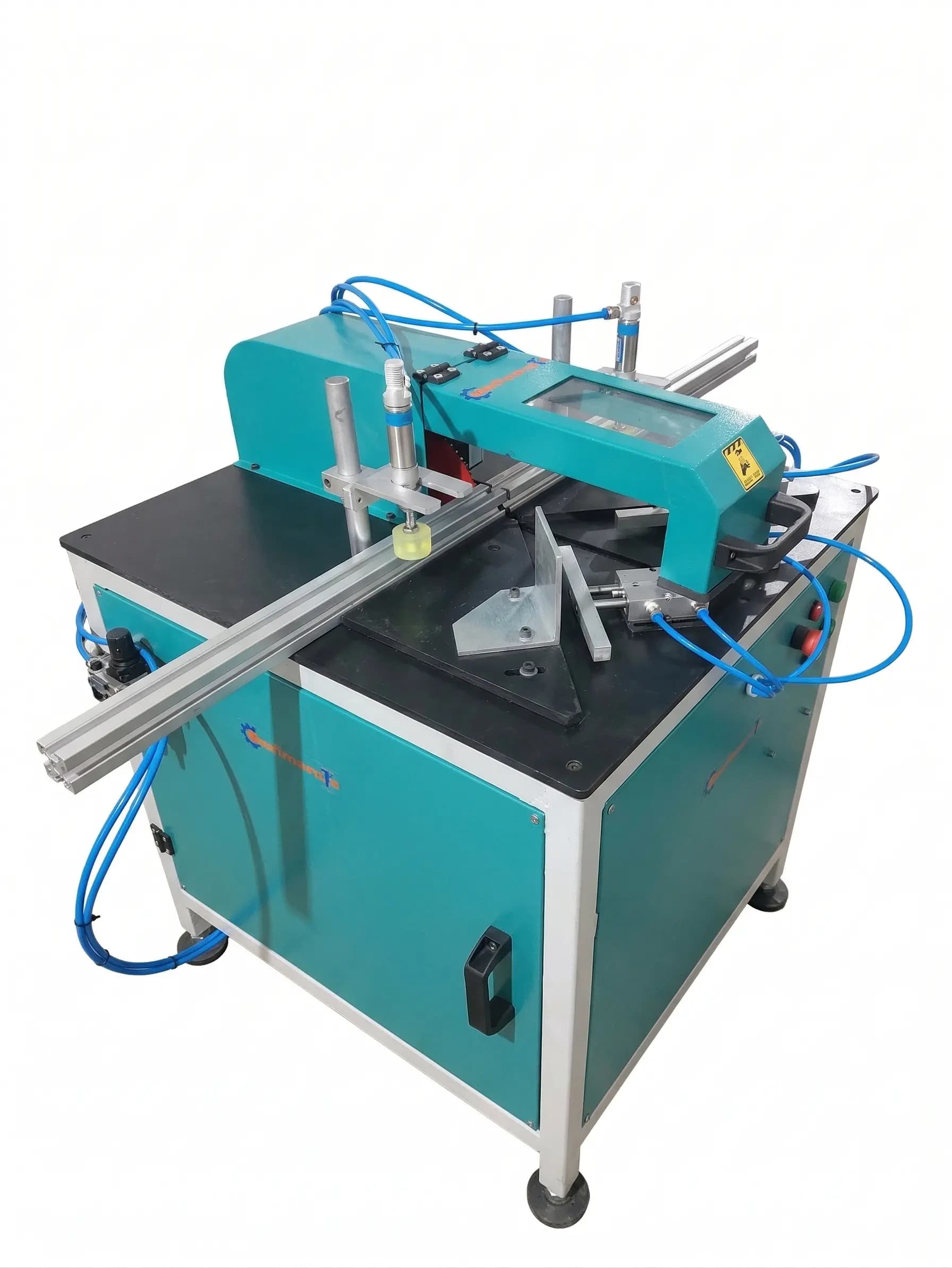
Transitioning to CNC is not merely about speed; it is about the physics of the joint. In our Mechnovate testing facility, we conducted a 6-week trial comparing a standard 12-inch aluminium cutter machine against a CNC-driven 45-degree double head cutting machine. The results were undeniable: manual cutting resulted in a 12% scrap rate due to human error in measuring and setting the degree. In contrast, the CNC unit reduced scrap to less than 2.5%.
- Precision and Tolerances: A CNC-controlled aluminium profile cutting machine uses linear guides and servo motors to position the head. This eliminates the 'play' found in manual pivot points.
- Surface Finish: Our tests showed that a 3.0kW spindle motor running at 2800 RPM with a 500mm carbide-tipped blade produces a finish that requires no additional deburring. This is essential for the seamless joining required in high-end projects.
- Production Capacity: A manual setup typically produces 15-20 window frames per 8-hour shift. An automated line featuring a heavy duty aluminium profile end milling machine and a double-head cutter can easily scale to 60+ frames with half the labor.
Case Study: Scaling a Surat-Based Workshop for a 22-Story Project
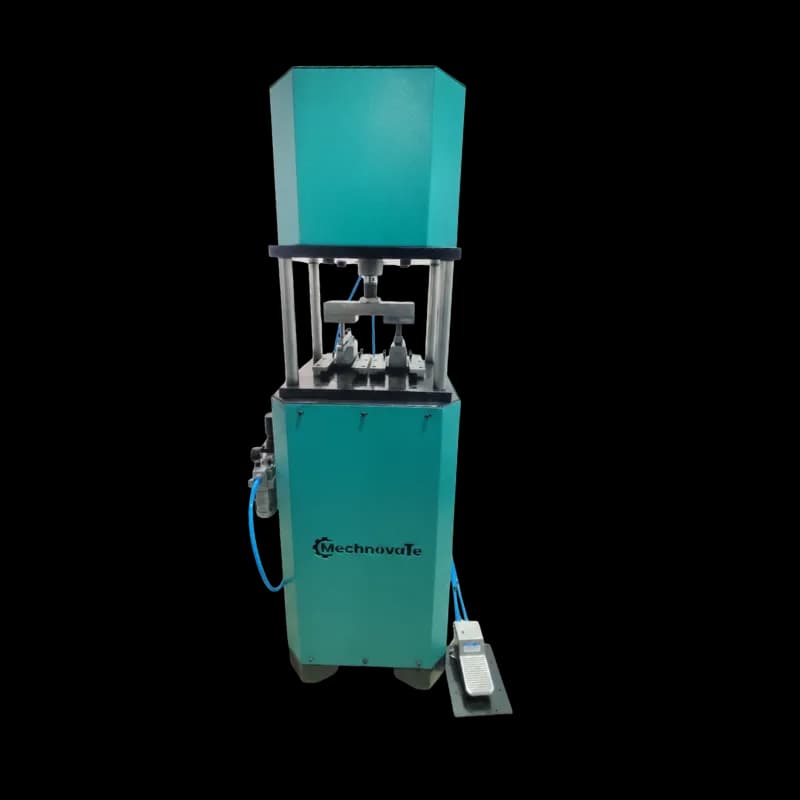
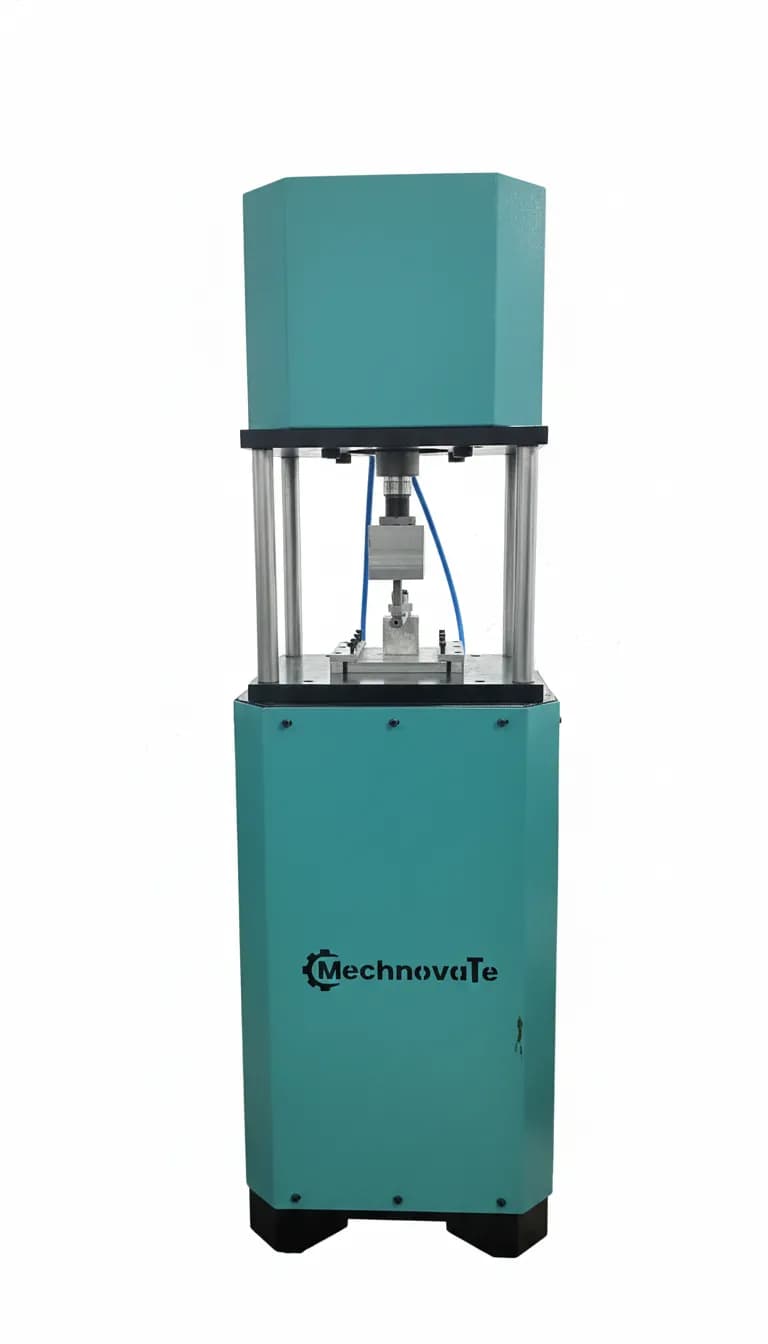
Last year, a fabricator in Surat approached us after failing an air-leakage test on a mockup for a prominent developer. Their existing manual punching machine and single-head saws were producing joints with visible gaps. We implemented a strategic upgrade over 30 days. We replaced their 12-inch saws with a high-speed automatic aluminium window production line price and introduced an automatic aluminium corner crimping machine price Gujarat.
Before the upgrade, the client’s output was 12 frames a day with a 15% rework rate. Post-commissioning, they achieved 45 frames daily with a 0.5% rework rate. The key was the corner crimper’s hydraulic synchronization. By applying a consistent 20kN of pressure, the joints achieved structural rigidity that manual screw-fixing could never replicate. This allowed them to pass the high-altitude wind pressure tests required for the project in Adajan, securing their reputation as a Tier-1 vendor.
Key Considerations for Selecting Aluminium Window Machinery Manufacturers in Surat Gujarat
When evaluating an aluminium window machinery manufacturer in Gujarat, do not simply look at the price tag. An aluminium cutter machine price is only one part of the TCO (Total Cost of Ownership).
- Spindle Quality and Motor Power: Ensure the motors are rated for continuous duty. For architectural profiles with 2.0mm+ wall thickness, a 2.2kW motor is the absolute minimum. Anything less will lead to blade deflection and inaccurate cuts.
- Software Integration: Modern CNC machines should support CSV or DXF file imports. This allows your design team to send cutting lists directly from the office to the machine, eliminating manual data entry errors.
- After-Sales Service in Gujarat: The biggest risk to any Surat fabricator is downtime. Verify if the manufacturer has a local service center. Mechnovate maintains a 24-hour response time in the Surat-Vapi-Valsad industrial belt because we understand that a broken copy router machine can stall an entire production line.
- Safety Standards: Demand machines that meet ISO standards and include pneumatic safety guards. High-speed blades are lethal; never compromise on the automatic hood mechanisms.
Avoiding Common Procurement Pitfalls
One of the most common mistakes I see senior fabricators make is buying 'universal' machines that claim to handle both uPVC and aluminium perfectly. While some upvc window manufacturing machinery can cut thin aluminium, the blade speed and lubrication requirements are fundamentally different. Aluminium requires a mist-spray cooling system (usually a mixture of oil and air at 6-8 bar) to prevent the alloy from melting onto the blade teeth. If you use a machine designed for uPVC without proper cooling, you will destroy your blades within weeks. Always invest in specialized aluminium fabrication machinery for high-rise projects to ensure the longevity of your equipment and the quality of your output.
FAQ: Essential Questions for Surat Fabricators
Q: What is the ideal blade size for cutting heavy-duty architectural sections? For high-rise profiles in Surat, we recommend a 500mm or 600mm blade. This allows for a larger cutting range, enabling the machine to handle wide sliding tracks (3-track or 4-track) in a single pass without compromising on the 45-degree angle accuracy.
Q: Is it worth investing in a CNC corner cleaning machine for aluminium? CNC cleaning is mandatory for uPVC, but for aluminium, the focus should be on the automatic aluminium corner crimping machine. If your crimping is precise, the 'flash' or excess material is minimal. However, a CNC end miller is vital for the transom and mullion joins to ensure a water-tight fit.
Q: What power supply is required for a full CNC production line? Most industrial aluminium machinery in India requires a 380V 3-phase power supply. Ensure your workshop in Surat has a stabilized power connection, as voltage fluctuations can damage the PLC (Programmable Logic Controller) of your CNC machines. We always recommend a dedicated 10kVA to 20kVA stabilizer for the main cutting unit.
Get more articles like this
Follow Mechnovate on Google to see our guides in Google Discover & News