Structural Integrity in Mumbai: Heavy Duty End Milling Needs
Why Heavy Duty End Milling is Critical for Mumbai High-Rises
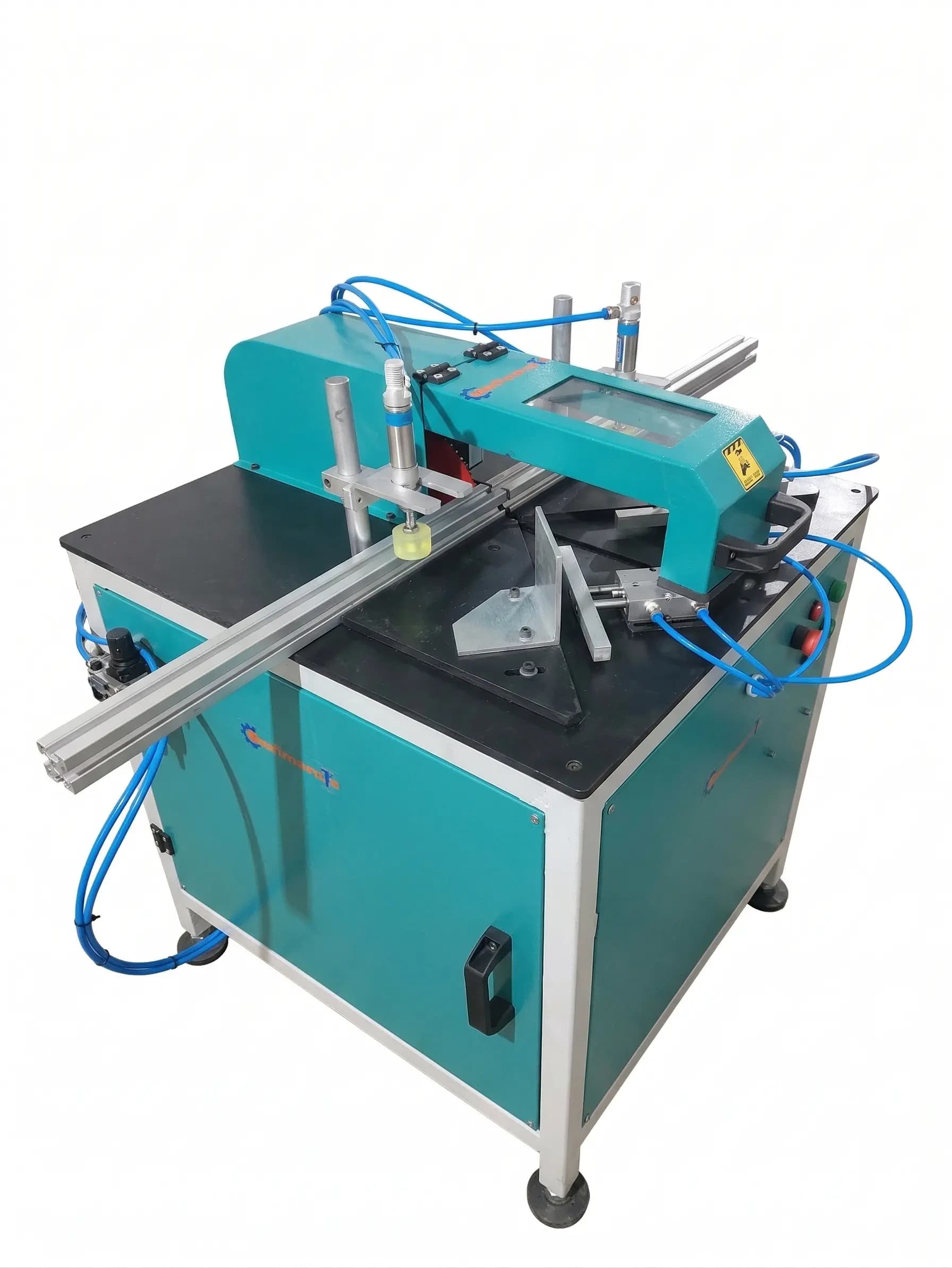
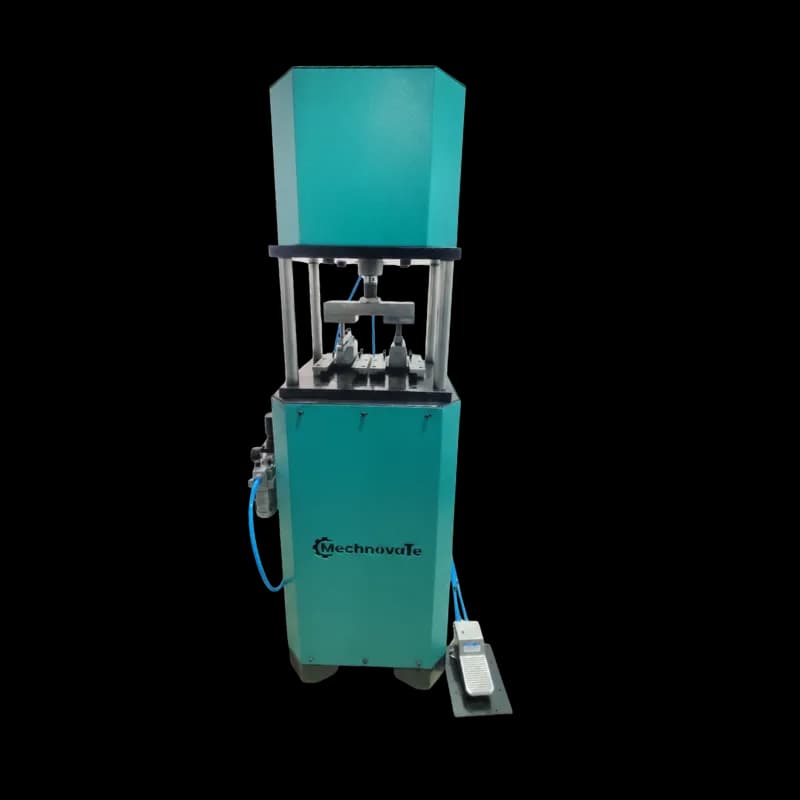
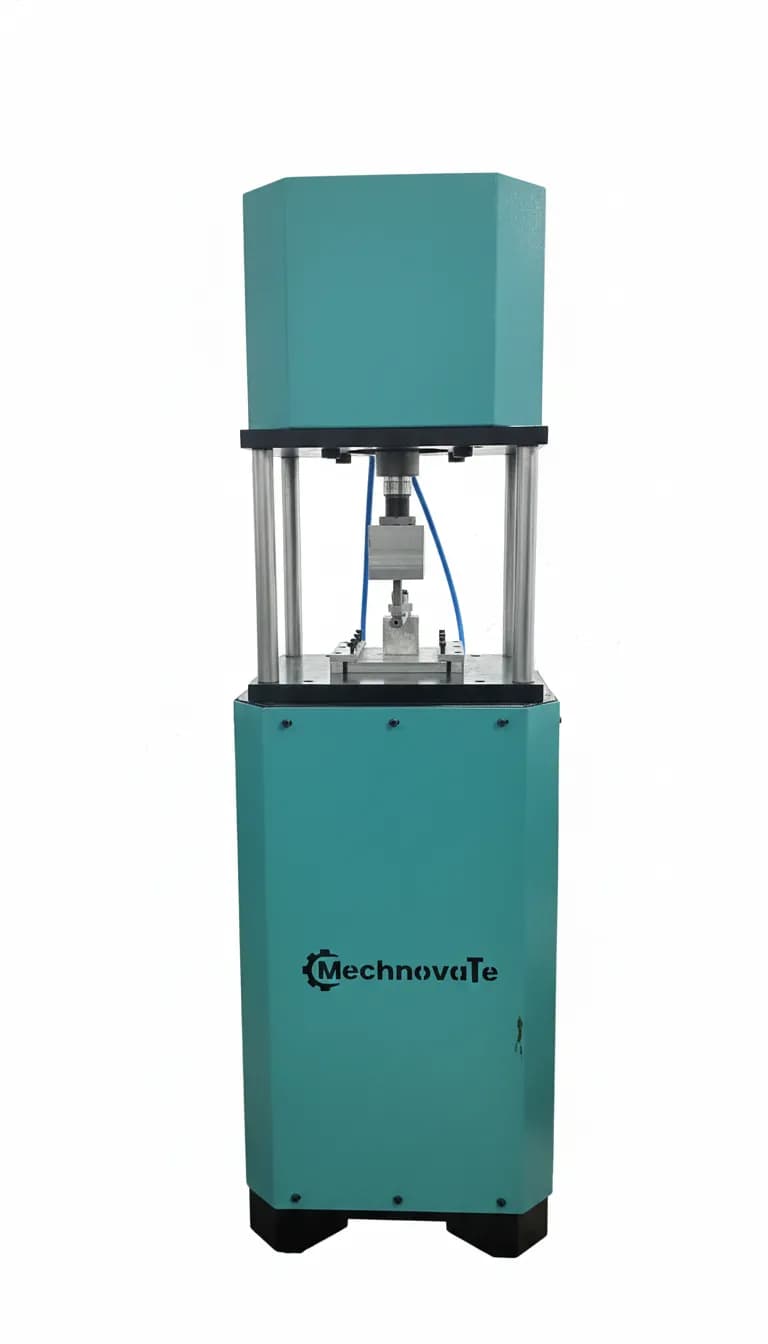
In Mumbai’s high-pressure coastal environment, the structural integrity of a window system depends almost entirely on the precision of its mullion joints. For aluminium fabrication in Mumbai, wind loads reaching up to 150 km/h are not uncommon during the monsoon season. If your Heavy Duty Aluminium Profile End Milling Machine is not delivering sub-millimeter accuracy, the resulting gaps in the T-joint compromise the entire facade’s stability. At Mechnovate, we have observed that even a 0.5mm deviation in the milling depth can lead to significant whistling sounds (aeolian noise) and water seepage when the profile is subjected to the 1.5 kPa pressure tests required for Mumbai high-rises.
Precision engineering is not a luxury; it is a safety requirement. When we discuss the aluminium cutter machine price, we must look beyond the initial investment and focus on the lifecycle cost of structural failure. A high-quality end milling machine ensures that the transom or mullion profile fits perfectly into the frame contour, creating a load-bearing connection that effectively transfers wind force to the building structure.
The Engineering Behind the Perfect Mullion Joint
Fabricating a durable window requires more than just a basic aluminium cutter; it requires a deep understanding of profile geometry and metallurgy. We follow IS 1285 and BS EN 12020 standards to ensure that our machines handle the various alloy grades used in India. The process of end milling involves removing material from the end of a profile to match the shape of another profile for a seamless join.
Key Technical Specifications for High-Performance Milling:
- Spindle Speed: For clean cuts in 6063-T6 aluminium, a spindle speed of at least 2800 RPM is necessary to prevent burr formation.
- Motor Power: A 2.2kW heavy-duty motor is the baseline for handling thick-walled commercial profiles without stalling or causing vibration.
- Cutter Diameter: Utilizing a 250mm diameter cutter allows for a larger milling area, reducing the number of passes required.
- Feed Rate: Controlled pneumatic feed ensures consistent surface finish, which is critical for the application of structural sealants.
By using an Automatic Double Head Cutting Saw in tandem with a heavy-duty milling unit, fabricators can achieve the level of precision engineering that Tier-1 developers in Mumbai demand. Unlike a manual punching machine, a dedicated end milling machine provides the repeatability needed for projects with thousands of identical window units.
Case Study: Testing Structural Resilience in Pune
In our Mechnovate testing facility near Pune, we conducted a 6-week comparative study on joint integrity. We compared joints made using a standard 1.5kW manual notch cutter versus our 3-axis heavy-duty end milling machine on 3.5mm thick curtain wall profiles. The results were definitive:
- Dimensional Accuracy: The heavy-duty machine maintained a tolerance of ±0.05mm across 500 cycles, while the manual method deviated by up to 0.8mm due to heat-induced tool deflection.
- Output Efficiency: We increased daily output from 120 joints to 280 joints per shift, a 133% improvement.
- Waste Reduction: Material waste from poorly milled sections dropped from 7% to less than 1.5%.
This data proves that for a upvc window manufacturing machine or an aluminium fabrication unit to be profitable, the machinery must be capable of high-speed, high-accuracy processing. For those looking for an aluminum cutting machine or a upvc windows making machine, investing in heavy-duty milling is the only way to meet the stringent ISO 9001 quality benchmarks.
Common Mistakes in End Milling Operations
Having spent 15 years on the shop floor, I have seen many fabricators struggle with joint failure. Here are the most common errors to avoid:
- Incorrect Clamping Pressure: Insufficient pneumatic pressure (less than 6 bar) allows the profile to vibrate during the milling cycle, leading to a 'chatter' finish that prevents a tight seal.
- Dull Tooling: Using a cutter beyond its sharpening cycle increases heat, which can warp the aluminium profile thickness. Always use a high-speed copy router for complex details and keep cutters sharp.
- Ignoring the Cooling System: Aluminium is prone to galling. A high-quality Aluminium Corner Crimping Machine and milling setup must include a pulse-mist lubrication system to maintain tool life and cut quality.
- Poor Foundation: Placing heavy-duty window machinery on an uneven floor leads to micro-vibrations that destroy spindle bearings over time.
Meeting Industry Standards in Mumbai
When setting up a upvc window manufacturing unit in India, or an aluminium fabrication plant in Surat or Ahmedabad, compliance with Industrial profile cutting safety standards is non-negotiable. Our machines are designed with integrated safety shields and emergency stops that meet global CE requirements. Whether you are looking for an aluminium cutting machine 12 inch for small residential work or a fully automatic uPVC window manufacturing unit cost for a large-scale project, the focus must remain on the structural integrity of the final product.
Fabricators in Maharashtra and Gujarat often ask about the aluminium cutting machine price. While price is important, the cost of a single field failure in a Mumbai high-rise far exceeds the price difference between a standard and a heavy-duty machine. Our equipment, ranging from the aluminium punching machine to the automatic upvc window plant cost India configurations, is built to survive the 24/7 production cycles of the Indian manufacturing sector.
FAQ: Expert Insights for Fabricators
Q1: Can I use the same end milling machine for both uPVC and Aluminium? Technically yes, but it is not recommended for high-volume production. Aluminium requires higher torque and specific lubrication, whereas uPVC requires different blade geometries to prevent melting. If you are a uPVC window machinery manufacturer in Lucknow or Chennai, we suggest dedicated lines for each material to maintain structural integrity.
Q2: What is the ideal RPM for milling heavy-duty aluminium profiles? For standard architectural alloys, 2800 to 3200 RPM is ideal. Going higher can cause the aluminium to reach its plastic state, while going lower can cause the teeth to 'grab' the material, risking operator safety and tool breakage.
Q3: How often should the milling cutters be sharpened? In a standard 8-hour shift environment in Mumbai, cutters should be inspected weekly. On average, we recommend professional sharpening after every 1,500 to 2,000 linear meters of milling to ensure the precision engineering standards are upheld.
Q4: Is a CNC end milling machine worth the investment for a startup? For a startup, the automatic aluminium window production line price can be high. We recommend starting with a heavy-duty manual or semi-automatic end milling machine that offers the same spindle stability as a CNC unit but at a lower entry cost, allowing you to scale as your contract volume in cities like Pune or Mumbai grows.
Get more articles like this
Follow Mechnovate on Google to see our guides in Google Discover & News