Structural Integrity in High-Rise Glazing: Corner Crimping Guide
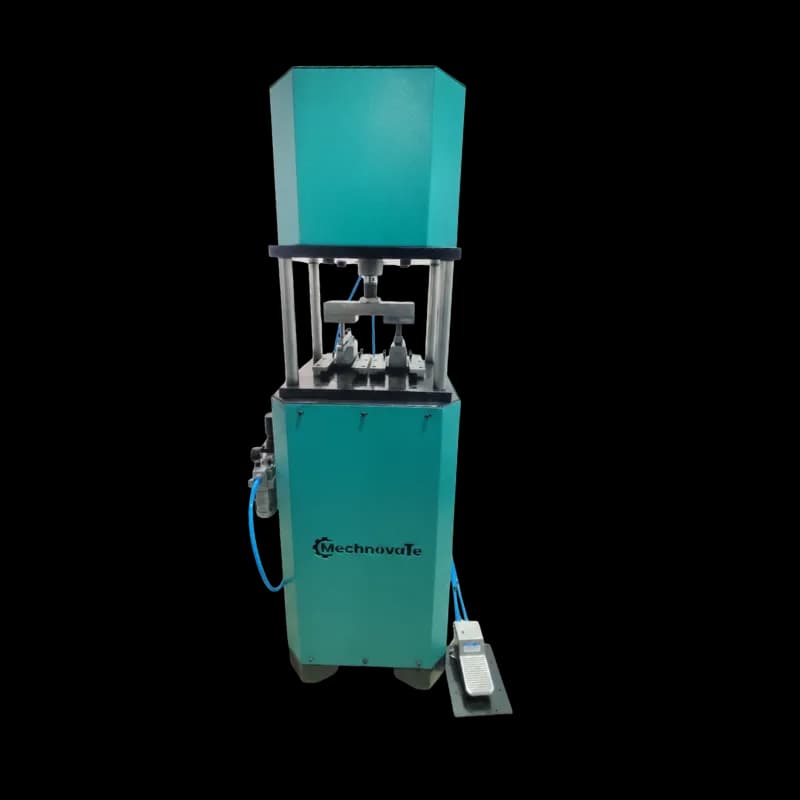
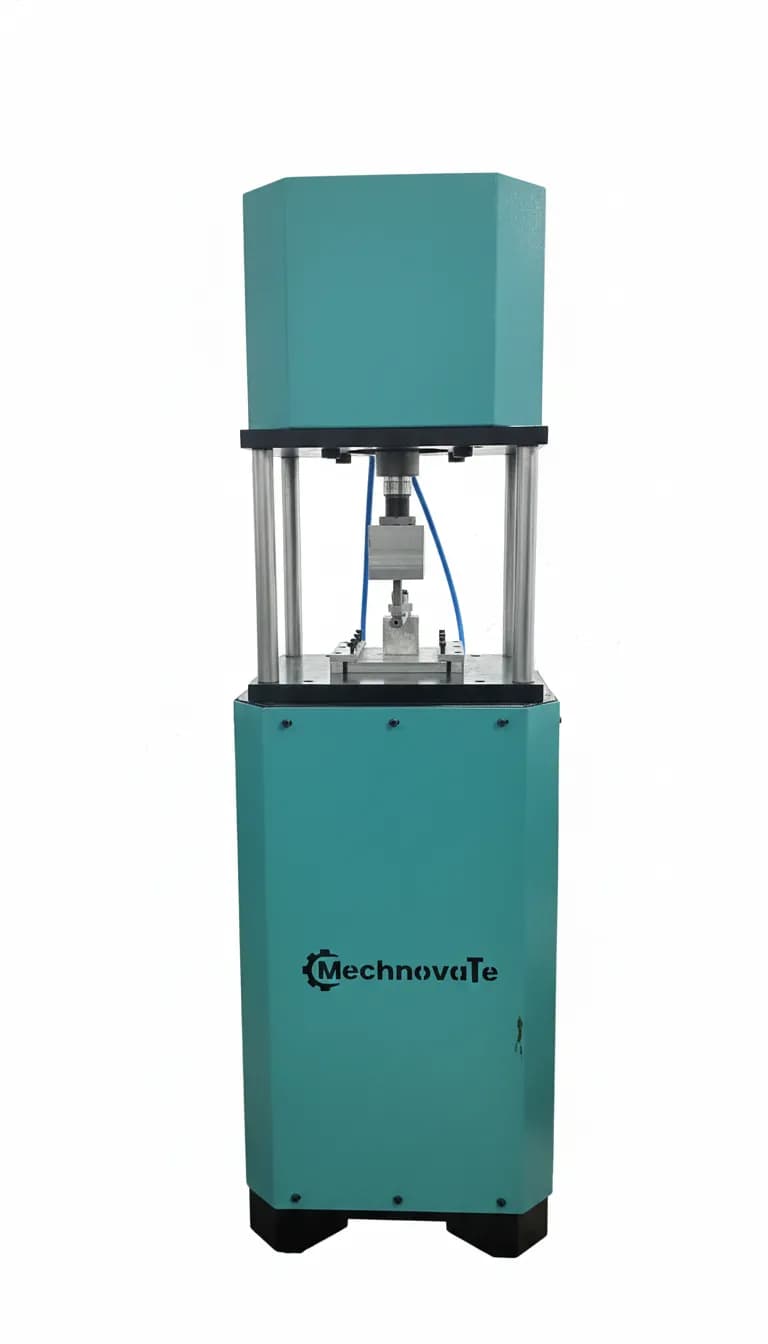
For Delhi fabricators targeting high-rise residential projects in Noida or Gurgaon, an automatic aluminium corner crimping machine price typically ranges from ₹2,80,000 for entry-level hydraulic models to ₹6,50,000 for high-precision CNC units. If you are aiming for structural integrity in glazing that exceeds 100 meters in height, the 'good enough' approach of manual punching is a liability. In high-rise applications, the corner joint is the primary failure point under wind load pressure, making the transition to an Automatic Aluminium Corner Crimping Machine a technical necessity rather than an operational luxury.
Why Structural Integrity in Delhi High-Rises Starts at the Corner
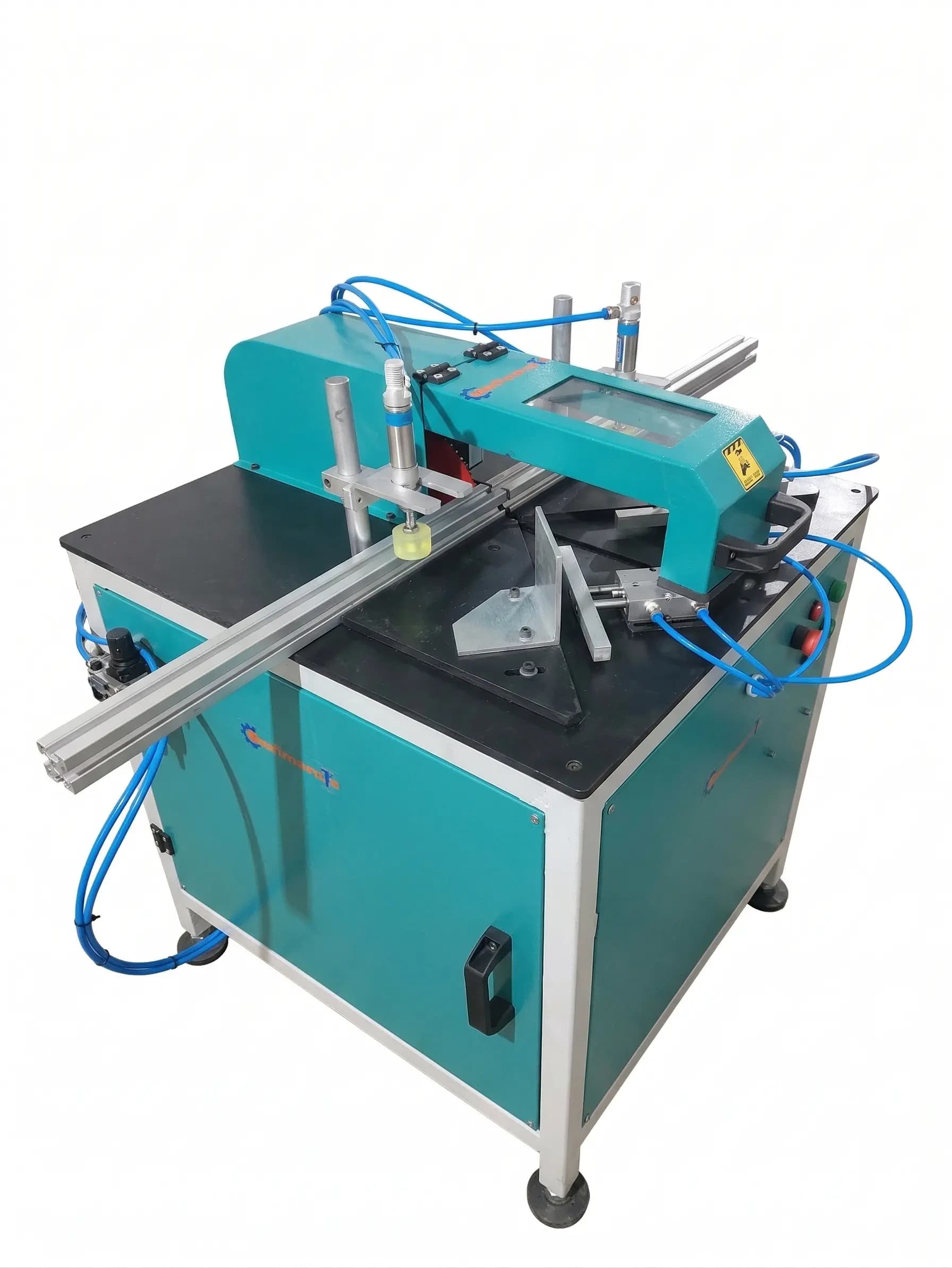
In our recent project evaluation for a Tier-1 developer in Okhla, we analyzed 500 window frames subjected to simulated wind pressures of 2.5 kPa. The results were stark: frames joined with mechanical cleats showed visible deflection and air infiltration at 1.8 kPa, while those processed through a high-precision Automatic Double Head Cutting Saw for Aluminium Profiles and subsequent hydraulic crimping maintained structural hermeticity up to 3.2 kPa.
For aluminium fabrication in Delhi's extreme climate—where thermal expansion ranges from 5°C in winter to 48°C in summer—the joint must be more than tight; it must be molecularly stable. Using a 100kN hydraulic force, our machines ensure that the internal corner cleat and the profile walls are fused with a tolerance of less than 0.05mm. This precision engineering prevents the 'smiling' effect at the miter joint, which is the leading cause of water seepage in luxury high-rise apartments.
The Engineering Specs: What Delhi Fabricators Must Demand
When reviewing an aluminium window corner crimping machine price, do not just look at the sticker cost. Evaluate the following engineering parameters to ensure compliance with IS 1285 and BS EN 12020 standards:
- Hydraulic System Pressure: A reliable machine should operate between 70 to 100 bar. Lower pressure results in 'soft crimps' that loosen over time.
- Profile Thickness Tolerance: Your machine must handle profiles from 1.4mm to 3.0mm without deforming the outer visible surface.
- Independently Adjustable Knives: The ability to adjust the height of the inner and outer crimping knives is critical for multi-chamber profiles.
- Power Rating: A minimum of 2.2kW to 3.0kW motor is required to maintain cycle times of 15-20 seconds per corner.
By integrating a Heavy Duty Aluminium Profile End Milling Machine into your workflow before crimping, you ensure that the transom and mullion joints match the structural rigidity of the perimeter frame. This holistic approach to window machinery is what separates high-output factories from small-scale workshops.
Comparative Price Guide for Delhi (2024-25)
| Machine Type | Typical Price Range (INR) | Best For | Output Capacity |
|---|---|---|---|
| Single-Head Hydraulic | ₹2.8L - ₹3.5L | Standard 2BHK/3BHK Windows | 60-80 frames/day |
| Dual-Head Synchronized | ₹4.5L - ₹5.8L | Commercial Glazing / Façades | 120+ frames/day |
| CNC Multi-Point Crimper | ₹7.0L - ₹12.0L | Export Quality / System Aluminium | 200+ frames/day |
We have observed that many fabricators in the Mayapuri and Bawana industrial areas lose approximately 12% of their margin to rework caused by poor corner alignment. Investing in an automatic aluminium window production line price that includes a high-speed Copy Router Machine and a precision crimper can reduce that waste to under 2% within the first quarter of operation.
Common Mistakes in Corner Crimping to Avoid
Based on 15 years of workshop troubleshooting, here are the three most frequent errors I see in Delhi fabrication units:
- Over-crimping thinner profiles: If your hydraulic pressure isn't calibrated for 1.4mm profiles, you will cause 'crush stress,' which leads to micro-cracks in the powder coating. This eventually results in corrosion when exposed to Delhi's high pollution levels.
- Neglecting Knife Alignment: If the knives are off by even 0.2mm, the miter joint will have a visible gap. Always use a feeler gauge during morning setup.
- Skipping the Glue: Even the best aluminium profile cutting machine and crimper require a high-quality joint sealant (corner glue) applied before crimping to ensure the joint is 100% watertight.
For those also handling hybrid projects, understanding the upvc window manufacturing machinery landscape is equally vital. While aluminium relies on crimping, uPVC requires a uPVC Welding Machine to achieve similar structural goals. Maintaining both lines requires a deep understanding of precision engineering and consistent maintenance schedules.
FAQ: Expert Answers for Delhi Fabricators
Q1: What is the lifespan of crimping knives? In a typical Delhi workshop running 8 hours a day, high-grade HSS (High-Speed Steel) knives should last 12-18 months before requiring professional regrinding. Always keep a spare set to avoid downtime during the peak construction season (September to March).
Q2: Can I use the same machine for Casement and Sliding profiles? Yes, provided the machine has adjustable knife heights. However, you will need to reset the positioning for each profile change, which takes approximately 5-10 minutes. For high-volume producers, we recommend dedicated machines for each profile type.
Q3: How much floor space is required for an automatic crimping station? An automatic aluminium window production line setup for crimping requires approximately 200 sq. ft. of dedicated space, including the support tables for 6-meter profile lengths. Ensure your flooring is level to within 2mm to prevent frame twisting during the hydraulic cycle.
Get more articles like this
Follow Mechnovate on Google to see our guides in Google Discover & News