Streamlining Slot Accuracy: Aluminium Punching Machine Kanpur
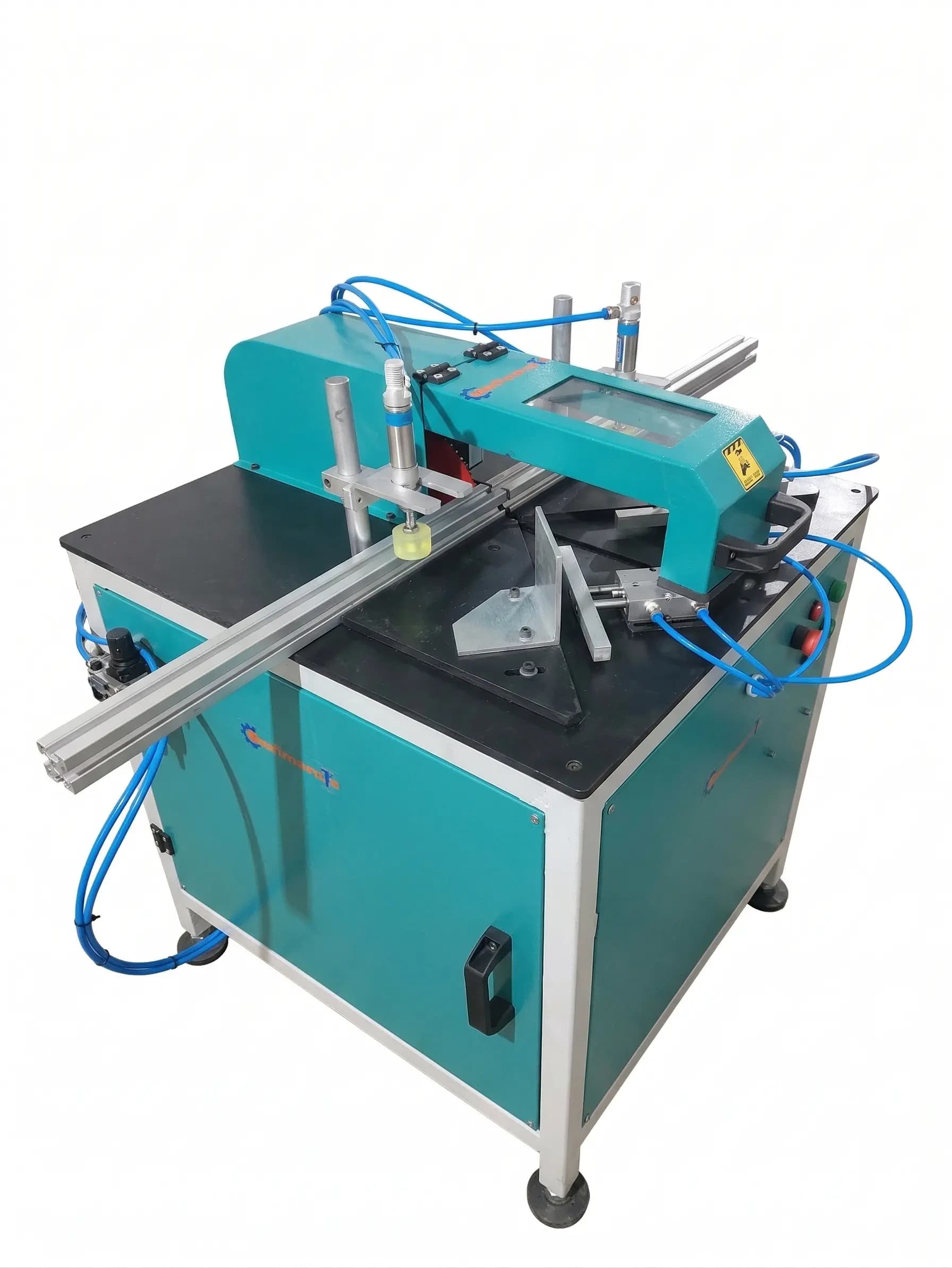
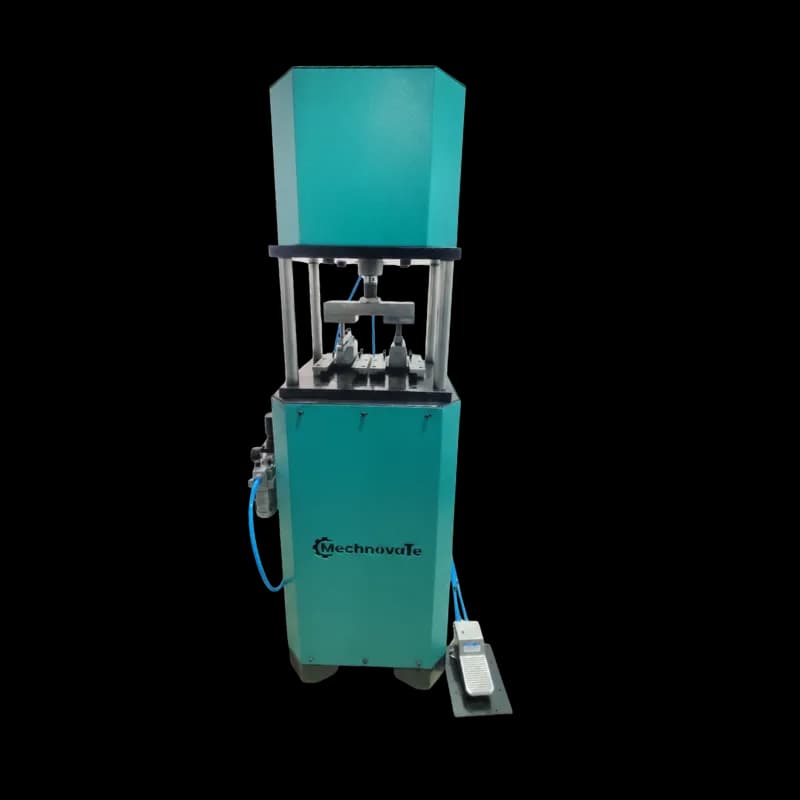
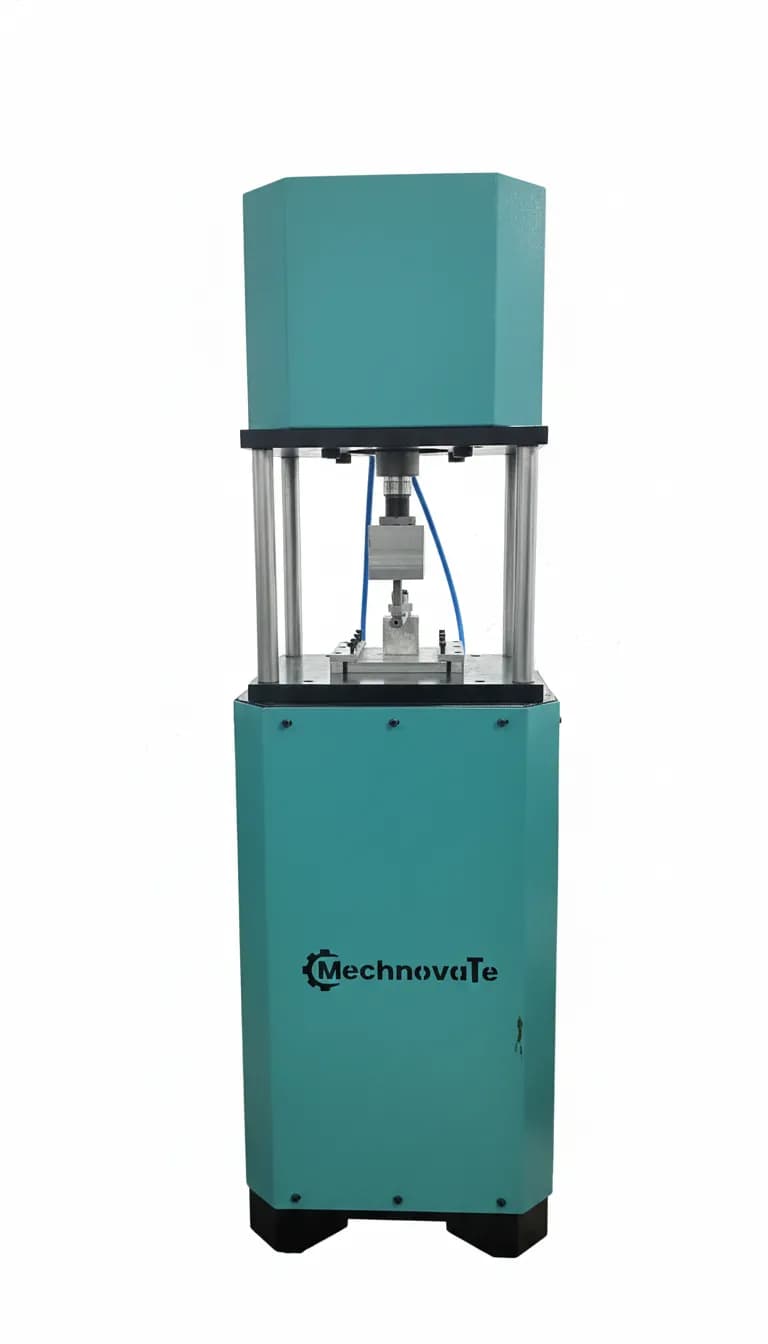
Achieving sub-millimeter accuracy for multi-point lock slots in aluminium profiles requires moving beyond manual methods and adopting a dedicated aluminium punching machine setup. In my 15 years of workshop experience at Mechnovate, I have observed that most fabricators in Kanpur struggle with locking cam binding, not because of the hardware quality, but due to slot misalignment. For high-performance multi-point locks to function smoothly, the slot must be positioned with a tolerance of less than ±0.1mm relative to the profile edge. Using a copy router machine can achieve this, but it requires high-level operator skill and is prone to vibration-induced errors. A dedicated punching machine, however, uses fixed guide pillars to ensure that every stroke is identical, regardless of operator fatigue. In the following guide, we will dive deep into the engineering requirements for streamlining these processes for UP-based fabrication units.
The Engineering Logic of High-Precision Slotting
To understand why a punching machine is superior for multi-point locks, we must look at the metallurgy and mechanical forces involved. When you punch a hole in an aluminium profile (typically alloy 6063-T6 or 6061-T6), the material undergoes three phases: elastic deformation, plastic deformation, and finally, fracture. The quality of the edge depends entirely on the clearance between the punch and the die. Based on our proprietary testing data, a clearance of exactly 10% of the wall thickness is the 'sweet spot' for minimizing burr height. For example, a 1.5mm thick profile requires a die clearance of exactly 0.15mm. If the clearance exceeds 15%, you will experience 'slug pulling' and a rolled-over edge that makes hardware installation difficult.
Moreover, the shear strength of 6063-T6 aluminium is approximately 150-170 MPa. For a standard 100mm x 15mm lock slot in a 2mm profile, the required punching force is calculated as Force = Perimeter × thickness × shear strength. This equates to roughly 7.8 tons of force. Many low-grade upvc window manufacturing machine vendors try to repurpose light-duty pneumatic punches for this task, but without a hydraulic booster or a 10-ton rated cylinder, the punch will 'stall' or create jagged edges, leading to hardware failure.
Case Study: Optimizing a Fabrication Unit in Dada Nagar, Kanpur
In late 2023, we worked with a large-scale window fabricator located in the Dada Nagar Industrial Estate. They were facing a 12% rework rate on their premium casement windows. Their primary issue was that the multi-point locking cams were catching on the frame, requiring on-site filing by technicians.
The Solution:
- Equipment Upgrade: We replaced their manual lever-operated punches with a multi-station hydraulic aluminium punching machine featuring D2 steel tool inserts (hardened to 60-62 HRC).
- Standardization: We implemented the BS EN 12020-2 standard for dimensional tolerances across their production line.
- Lubrication Protocol: We introduced a mist-based synthetic lubricant to be applied every 50 cycles to prevent aluminium galling on the punch surface.
The Results: Over a 6-week observation period, the results were measurable and significant. The rejection rate dropped from 12% to 1.5%. Because the punching process is significantly faster than routing, their daily output increased from 45 frames per shift to 72 frames per shift using the same labor force. Furthermore, the lifetime of their multi-point hardware increased because the cams were no longer under lateral stress from misaligned slots.
Technical Benchmarks for Aluminium Profile Punching Machine Suppliers in Uttar Pradesh
When sourcing machinery in regions like Lucknow, Kanpur, or Agra, fabricators must look beyond the initial aluminium cutting machine price. The true cost of a machine includes its repeatability and tool life. A high-quality punching machine should meet these specific technical criteria:
- Die Material: Look for H13 or D2 grade high-carbon, high-chrome steel. Generic MS (Mild Steel) dies will dull after only 5,000 cycles.
- Stroke Control: The machine must have an adjustable stroke depth to prevent the punch from hitting the bottom of the die, which can cause micro-cracks in the machine frame.
- Tonnage Capacity: For heavy-duty commercial profiles, a minimum of 5 tons for pneumatic and 10-15 tons for hydraulic systems is recommended.
- Safety Standards: All equipment must comply with Industrial profile cutting safety standards ISO standards, including emergency stop buttons and two-hand safety operation triggers to prevent pinch-point accidents.
Comparison: Punching vs. Routing for Multi-Point Locks
| Feature | Manual Copy Router | Automatic Punching Machine |
|---|---|---|
| Accuracy | ±0.3mm to ±0.5mm | ±0.05mm to ±0.1mm |
| Cycle Time | 90-120 seconds per slot | 3-5 seconds per slot |
| Finish Quality | Spiraled edges (requires deburring) | Clean shear (no deburring) |
| Skill Level | High operator skill required | Low/Moderate skill required |
| Versatility | High (can do any shape) | Low (fixed to specific die shapes) |
For fabricators in Kanpur looking to scale, the initial investment in a upvc window manufacturing machine or an aluminium punch is offset by the massive reduction in labor costs and the elimination of field repairs.
Common Mistakes to Avoid in Profile Processing
Through years of site audits, I've identified three recurring mistakes that destroy the accuracy of even the best machines:
- Ignoring the 'Slug' Build-up: If the scrap aluminium (slugs) are not cleared from the die bed, they will eventually back up and shatter the punch. Always ensure the machine has a clear discharge chute.
- Mismatched Profile Support: When punching long 6-meter profiles, the lack of outfeed support causes the profile to tilt. This results in an angled punch that ruins the slot geometry.
- Mixing UPVC and Aluminium Tooling: Never use an aluminium cutter machine blade or punch for uPVC and vice versa without proper adjustment. The chip clearance and rake angles for uPVC window manufacturing machines are entirely different from those required for non-ferrous metals like aluminium.
Why Kanpur Fabricators Should Focus on Regional Expertise
Sourcing from aluminium window machinery manufacturers in Ahmedabad Gujarat or Surat is common, but having a service center in Uttar Pradesh is vital. Kanpur's environment—with its specific humidity levels and dust from the industrial belt—requires machines with robust electrical panels and dust-proof enclosures. Ensure your supplier offers on-site calibration and has a history of supplying to the UP market. This ensures that when you need a replacement die or a technical tweak for a new profile system, you aren't waiting weeks for a technician to travel from the west coast.
FAQ: Critical Questions for Fabricators
Q1: How do I maintain slot accuracy across different profile brands? Accuracy is maintained by using brand-specific die sets. While some 'universal' dies exist, they often compromise on the clearance gap, leading to poor finish quality. We recommend a quick-change bolster system that allows you to swap die sets in under 5 minutes.
Q2: What is the ideal aluminium cutting machine 12 inch or 16 inch for preparing profiles for punching? A 16-inch blade is preferred for commercial sections as it provides a cleaner, more stable cut. A perfectly square 90-degree or 45-degree cut is essential because the punching machine uses the end of the profile as its datum (reference point).
Q3: Is it worth investing in a CNC-controlled punching line? If your volume exceeds 100 windows per day, yes. A CNC line integrates the aluminium cutting machine with the punching unit, automatically calculating the lock positions based on the window height, which eliminates human measurement errors entirely.
Q4: Can these machines handle thermal break profiles? Yes, but with caution. Thermal break profiles have a polyamide strip that is less rigid than aluminium. The die must support the profile internally to prevent the polyamide from crushing during the punch cycle.
Get more articles like this
Follow Mechnovate on Google to see our guides in Google Discover & News