Aluminium Punching Machine Guide for Lucknow High-Rise Window Fabricators
Lucknow's residential construction pipeline has expanded sharply since the central government launched PMAY (Pradhan Mantri Awas Yojana), and the Lucknow Development Authority continues to approve large-scale housing schemes across the city's expanding corridors — from Sultanpur Road to the Lucknow Metro Phase 2 catchment zones around Munshipuliya and Transport Nagar. For aluminium window fabricators in Lucknow, this translates into a reliable stream of projects: PMAY casement and sliding windows in volume, office glazing contracts in commercial zones like Vibhuti Khand and Hazratganj, and supply agreements with LDA-approved contractors. Matching your workshop capacity to this demand starts with selecting the right punching machine — and then knowing exactly when to upgrade it.
The Lucknow Fabrication Market: Volume, Profile, and Opportunity
Many Lucknow fabricators are first-generation entrepreneurs — mechanics and carpenters who identified the aluminium window opportunity early and set up their first workshops with minimal capital. The average Lucknow workshop currently produces 10–30 frames per day, with the most productive shops reaching 50+ through better machinery and leaner workflows. PMAY projects in particular require consistent, repeatable windows: standard casement sizes, identical lock positions, and uniform drainage patterns across hundreds of identical units. This uniformity makes punching accuracy non-negotiable. A mis-punched lock hole at this scale means hardware misalignment across an entire batch, not just a single unit. Getting your punching setup right from day one protects your margins and your reputation with contractors who are judging your output against a specification sheet.
Punching Machine Progression for Lucknow Startups
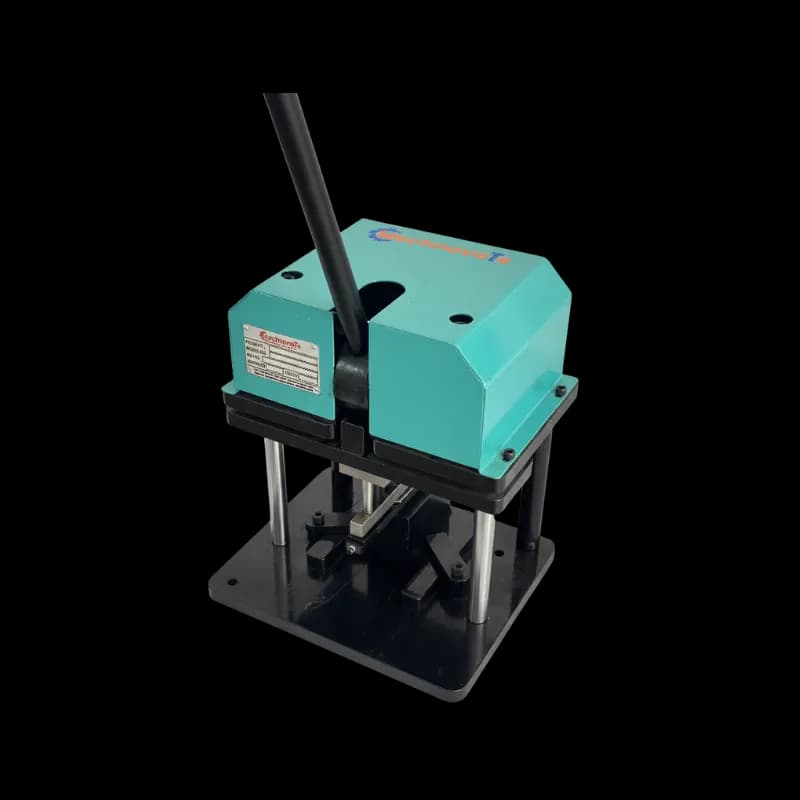
At 10 frames per day, the Manual Punching Machine at ₹20,000 is the correct entry point. It handles all drainage, lock, and handle punching operations, requires no compressor, and fits in a compact workshop. For a fabricator starting out in Indira Nagar or Aliganj, minimising upfront capital while building a customer base is the practical approach — and the manual machine recovers its cost quickly at this volume.
The upgrade trigger is sustained daily output above 15 frames. Once you cross that threshold consistently, manual punching slows production and introduces operator fatigue that hurts hole consistency across long runs. The 1-Station Pneumatic Punching Machine at ₹40,000 reduces operator effort substantially, runs faster punch cycles, and maintains consistent hole quality throughout an 8-hour shift. Here is the practical progression plan for Lucknow fabricators:
- 0–15 frames/day: Start with the Manual Punching Machine (₹20,000). Recover your investment quickly and build your local contractor base before committing to higher capital.
- 15–30 frames/day: Upgrade to the 1-Station Pneumatic Punching Machine (₹40,000). The reduction in cycle time and operator fatigue pays for the upgrade within a few weeks of consistent volume.
- 30–50+ frames/day: Move to the 2-Station Pneumatic Punching Machine (₹65,000), which punches two operations simultaneously and cuts per-frame punching time by up to 50%.
For a side-by-side breakdown of manual versus pneumatic across cycle time, die flexibility, and return on investment, the Manual vs pneumatic punching machine comparison covers the decision criteria by daily volume and profile type. The Punching machine buying guide goes deeper on technical specifications including die sizing and throat depth for the aluminium systems common in Uttar Pradesh.
Hole Patterns Common in UP Residential Projects
Understanding the hole patterns required in PMAY and LDA projects ensures you select the correct die set before purchasing a machine. Buying a machine with mismatched tooling means workarounds that slow you down. The most common punching requirements in Lucknow residential windows are:
- Drainage holes: 6 mm × 40 mm slots or 6 mm round holes at 150–200 mm intervals along sliding window bottom tracks and casement sills. These are mandatory across all PMAY windows for monsoon season water management.
- Lock holes: 16 mm × 80 mm cutouts for espagnolette locking hardware on casements. Position tolerance is ±1 mm — if the hole is off, the handle and lock mechanism will not align correctly.
- Handle holes: 9 mm or 11 mm round holes at handle mounting positions. Sliding windows typically require two holes per sash; casements require one per leaf.
- Friction stay holes: Evenly spaced holes along the frame side for casement hinge and friction stay mounting — positions vary by stay brand but follow a consistent pattern within a given hardware system.
- Ventilator holes: 6 mm round holes in fixed or louvered panel sections for passive ventilation, commonly specified in kitchen and bathroom windows under LDA residential guidelines.
Both casement and sliding window types require punching, so your die set should cover the full range from day one rather than requiring repeated tooling upgrades as you take on different project types.
1-Station vs 2-Station Pneumatic: When the Upgrade Makes Sense
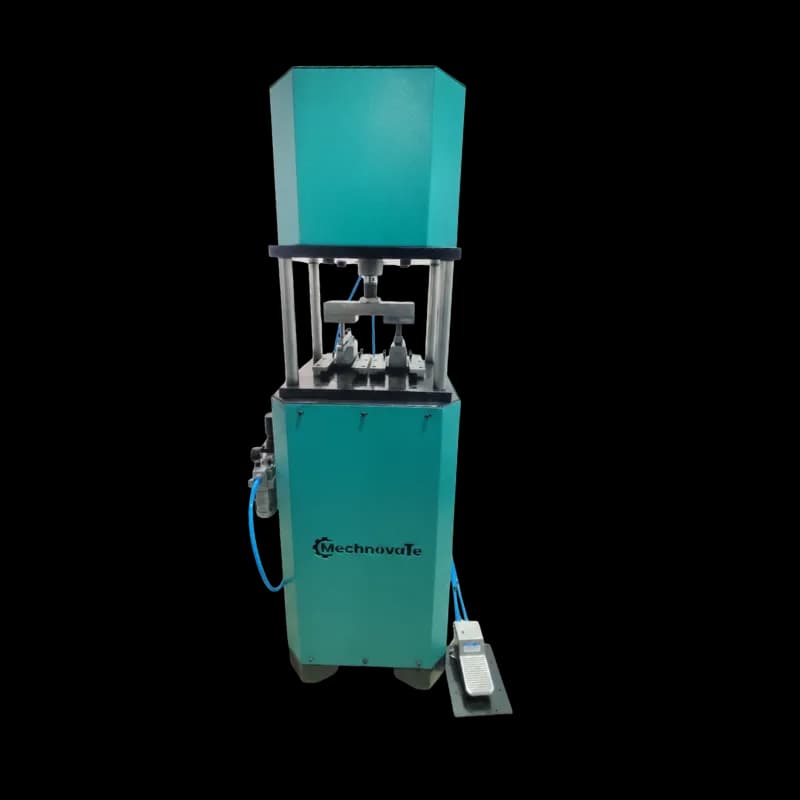
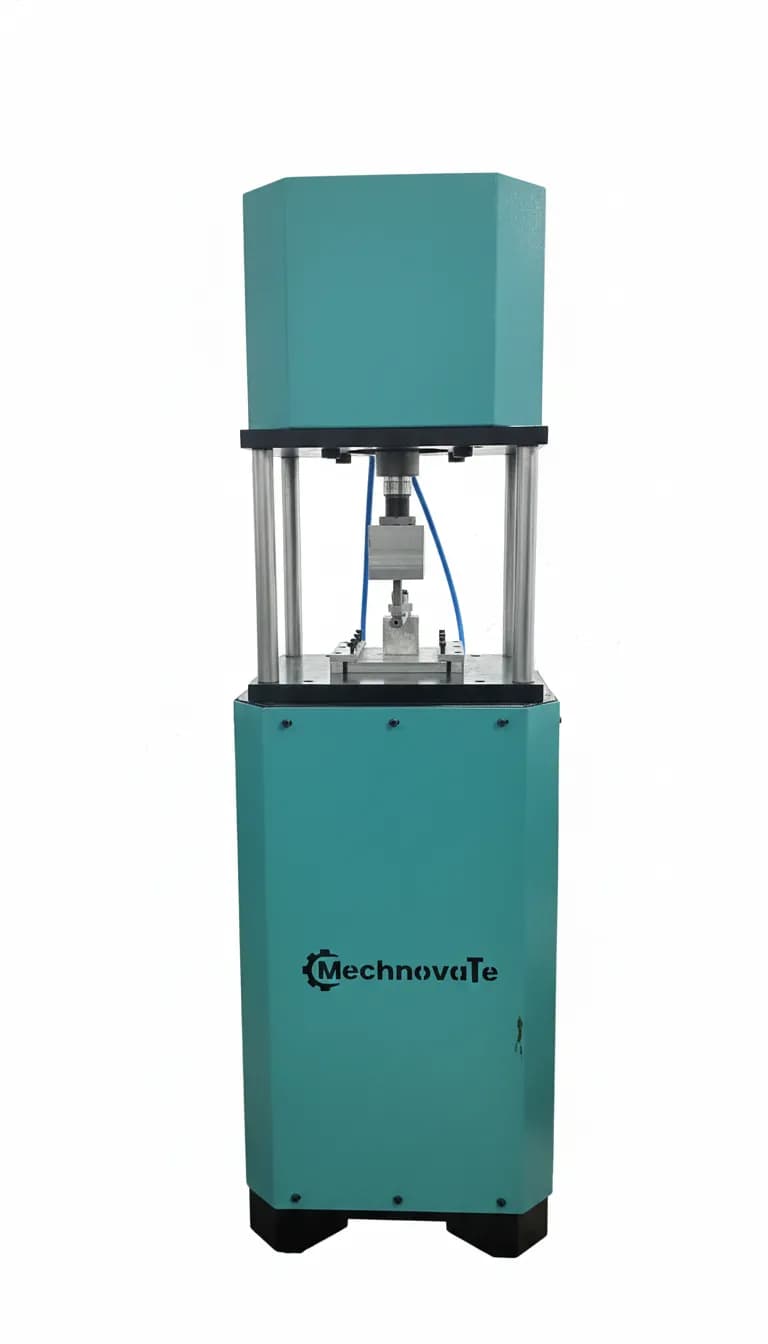
The 1-Station Pneumatic Punching Machine at ₹40,000 is the right machine for Lucknow fabricators producing up to 30 frames per day. It handles all punching operations with a single die per cycle, changeovers take minutes, and it runs reliably on a standard workshop compressor.
The 2-Station Pneumatic Punching Machine at ₹65,000 runs two punch dies simultaneously — meaning a drainage slot and a lock cutout can be punched in a single press stroke. The upgrade makes economic sense when three conditions align: your daily output consistently exceeds 30 frames, you regularly punch both drainage and lock holes on the same profile batch, or you are fulfilling a large contract — 200+ identical frames — where punching speed has a direct effect on your project delivery date. For Lucknow fabricators supplying LDA contractor networks at scale, the 2-station machine typically recovers its cost premium over the 1-station within 60–90 days of sustained high-volume operation.
Delivery and Warranty for Lucknow Fabricators
All Mechnovate punching machines ship from Ahmedabad and arrive in Lucknow within 3–4 business days by road transport. Machines are dispatched fully assembled and factory-tested — no on-site assembly is required. The Manual Punching Machine and both pneumatic models carry a 1-year warranty covering parts and workmanship. Compatible profiles include Domal, Jindalinium, Dumal, Hindalco, and Alumil, which account for the large majority of aluminium systems used across UP residential and commercial projects.
FAQ
What punching machine should a Lucknow fabricator buy first?
The Manual Punching Machine at ₹20,000 is the right starting point for a fabricator producing 10–15 frames per day. It requires no compressor, handles all the punching operations needed for PMAY casements and sliding windows, and has a minimal footprint. Once your daily output crosses 15 frames consistently, the 1-Station Pneumatic Punching Machine at ₹40,000 becomes the correct upgrade — faster cycle times, less operator fatigue, and consistent hole quality across long runs.
How long does delivery take from Ahmedabad to Lucknow?
Mechnovate delivers to Lucknow in 3–4 business days from its Ahmedabad manufacturing facility. All machines are dispatched fully assembled and tested before shipping, so no assembly work is required when the machine arrives at your workshop.
Which aluminium profiles are compatible with Mechnovate punching machines?
Mechnovate punching machines are compatible with Domal, Jindalinium, Dumal, Hindalco, and Alumil profiles. These cover the full range of systems used in UP PMAY projects, LDA residential housing, and commercial glazing contracts across Lucknow and surrounding districts.
When should a Lucknow fabricator upgrade from 1-station to 2-station pneumatic?
Upgrade to the 2-Station Pneumatic Punching Machine when your daily frame output consistently exceeds 30 frames, when you regularly punch both drainage and lock holes on the same profile batch, or when you secure a contract for 200+ identical frames where punching speed directly affects your completion timeline. The 2-station machine reduces per-frame punching time by up to 50% compared to the 1-station unit and typically recovers its additional cost within 60–90 days of high-volume production.
Ready to Upgrade?
Whether you are setting up your first Lucknow workshop or scaling to supply LDA contractor networks with 50+ frames per day, Mechnovate can match you with the right punching machine for your current output and your growth plan. Call us on +91-9265699061 or contact us to speak with a product specialist who can advise on machine selection, die sets for your specific profile system, and delivery timelines to Lucknow.
Get more articles like this
Follow Mechnovate on Google to see our guides in Google Discover & News