Scaling Your Workshop: Lucknow uPVC Machinery for Kanpur
The Proximity Advantage: Why Kanpur Fabricators are Moving Closer to Home
For fabricators in the Panki and Dada Nagar industrial areas of Kanpur, the biggest bottleneck to scaling isn't a lack of orders; it is machine downtime. When an imported or distantly sourced upvc cutting machine fails, the wait for a technician from Ahmedabad or Delhi can stretch to 48-72 hours. This delay kills production cycles and ruins delivery commitments. By choosing uPVC window machinery manufacturers in Lucknow, Kanpur-based businesses are slashing response times to under 4 hours, ensuring that a broken solenoid valve or a misaligned sensor doesn't halt a 100-frame order.
Case Study: Scaling Production in Panki Industrial Area
Last year, we consulted for a mid-sized workshop in Panki that was struggling with a manual setup, producing only 12-15 windows per day with a 12% wastage rate on profiles. Their goal was to scale to 50+ windows daily to meet high-rise project demands.
We implemented a transition plan over 4 weeks:
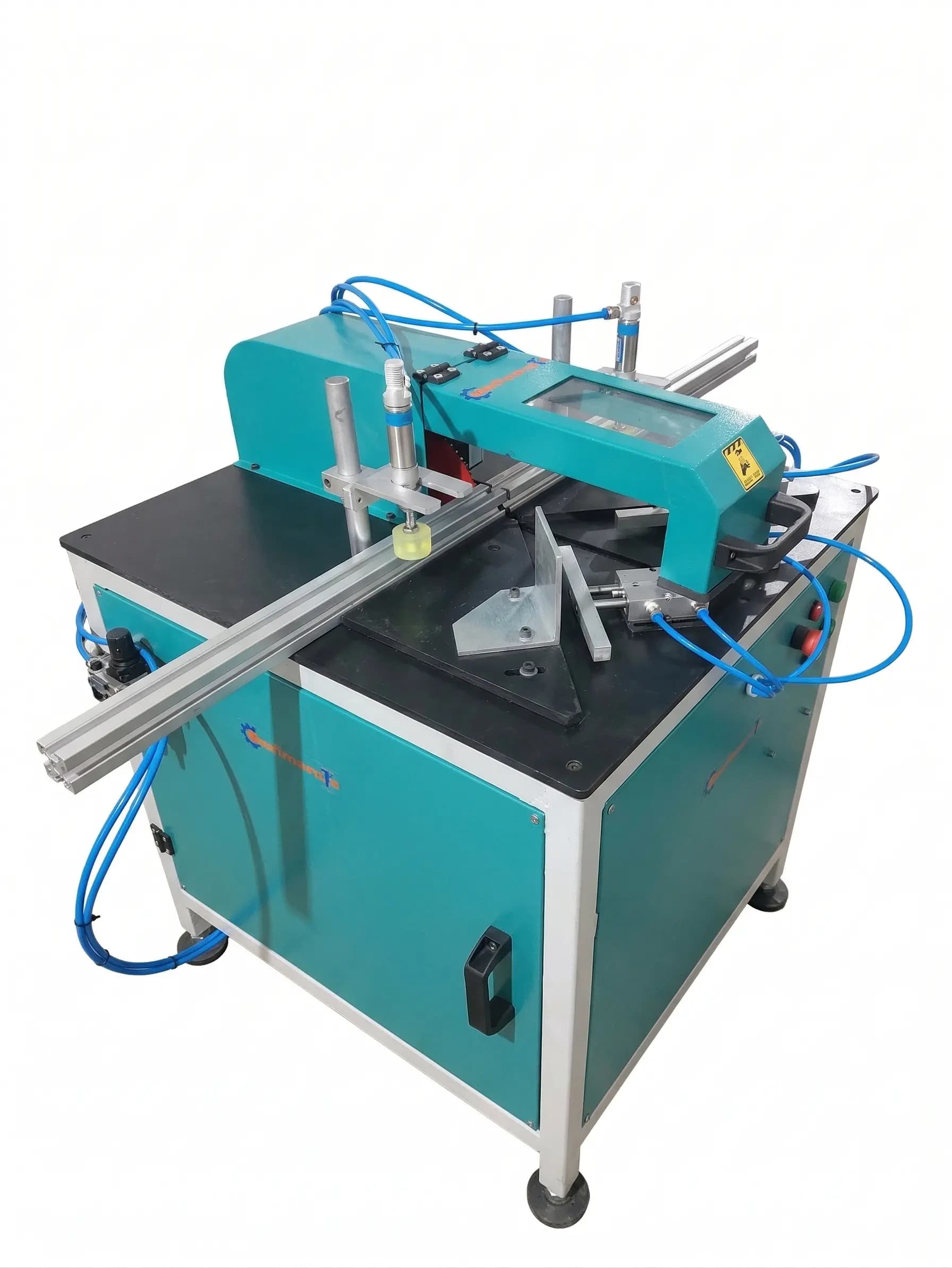
- Phase 1: Replaced their manual mitre saw with an automatic double head cutting machine.
- Phase 2: Installed a high-precision uPVC welding machine capable of 0.2mm seam tolerances.
- Phase 3: Synchronized the air pressure systems to a steady 8-bar supply using dedicated industrial compressors.
The Results: Within 30 days, their output jumped to 48 frames per day. Most importantly, the profile cutting waste dropped from 12% to 2.5%, saving approximately ₹45,000 per month in raw material costs alone. This is the difference between generic equipment and precision engineering tailored for local conditions.
Technical Mastery: The Anatomy of a High-Output Workshop
When evaluating a upvc windows making machine, you must look beyond the price tag. A senior engineer looks at the 'Guts' of the machine. For instance, our Double Head Cutting Machine utilizes 450mm TCT (Tungsten Carbide Tipped) blades. Why? Because a standard aluminium cutting machine 12 inch blade often deflects when cutting heavy-duty 2.5mm thick uPVC profiles, leading to gaps in the miter joints.
Essential Machinery Specifications for Scaling:
- Motor Power: Ensure at least 2.2kW per head. Underpowered motors overheat during 10-hour shifts typical of Kanpur summers.
- Cutting Precision: Seek machines with a linear guide rail system. Traditional swing-arm designs lose calibration over time, whereas linear rails maintain +/- 0.1mm tolerance for years.
- Air Consumption: A standard upvc window manufacturing machine requires 100-150 Liters/min at 6-8 Bar. Inadequate air pressure leads to weak welds and poor finishes.
Optimizing the Workflow with Copy Routers and Punching Machines
Scaling requires more than just cutting and welding. The bottleneck often shifts to hardware slotting. Integrating a high-speed copy router machine allows for simultaneous milling of handle holes and lock slots.
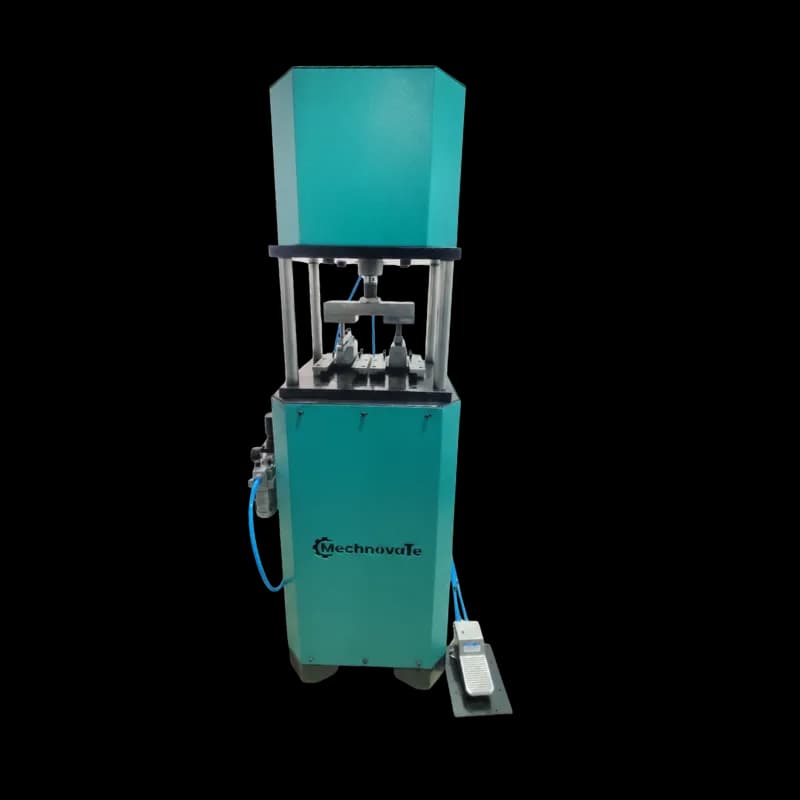
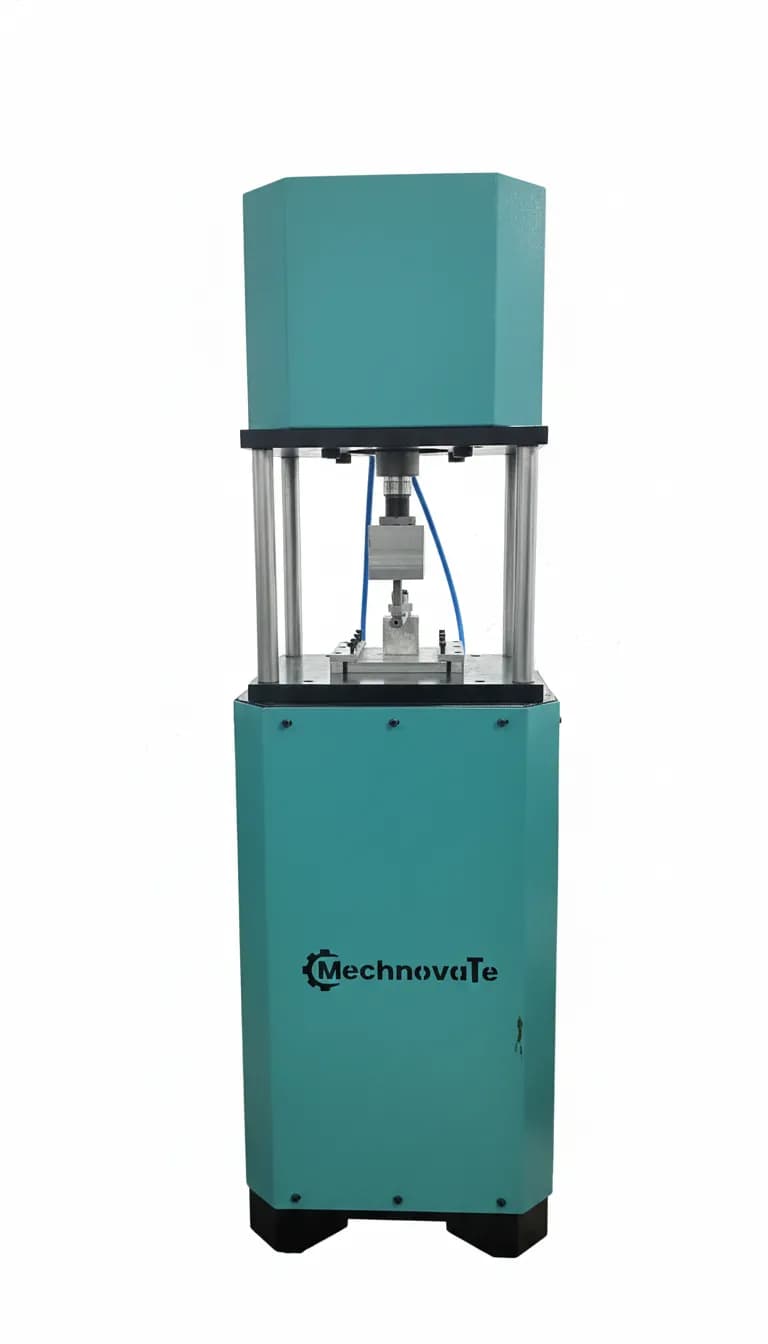
For those handling hybrid projects, a dedicated aluminium profile punching machine is non-negotiable. While manual punching is fine for 5 windows, an automatic system ensures that every weep hole and hinge point is identical, which is critical for meeting ISO standards and BS EN 12020 benchmarks. When you look at the upvc machine price list, always factor in the speed of the copy router; a triple-drill head can reduce processing time by 70% compared to single-bit manual drilling.
Common Pitfalls: What to Watch Out For
In my 15 years on the floor, I have seen the same three mistakes destroy promising fabrication businesses:
- Ignoring Voltage Fluctuations: The UP power grid can be volatile. Always install a 3-phase stabilizer. A single surge can fry the PLC of an automatic double head cutting machine, costing lakhs in repairs.
- Using Cheap Cutting Oils: For aluminium fabrication, using the wrong coolant causes 'galling'—where the metal smears instead of cuts. This ruins the blade and the profile finish.
- Neglecting Pneumatic Maintenance: 90% of welding failures are caused by moisture in the air lines. Ensure your upvc window manufacturing machinery is backed by a refrigerated air dryer.
Maintenance Schedule for Maximum ROI
- Daily: Clean the welding heater plates with a Teflon-safe cloth. Remove chips from the upvc cutting machine guide rails.
- Weekly: Check the oil level in the FRL (Filter-Regulator-Lubricator) unit. Tension the drive belts.
- Monthly: Calibrate the 45 and 90-degree stops using a digital protractor. Check all pneumatic fittings for leaks.
FAQ for Kanpur-based Fabricators
Q1: What is the typical cost of setting up a uPVC window manufacturing unit in India?
A basic setup starts around ₹5-8 Lakhs, while a fully automatic high-capacity plant can range from ₹25-45 Lakhs depending on the CNC features and head count.
Q2: Can I use an aluminium cutter machine for uPVC profiles?
Technically yes, but you must change the blade to one specifically designed for uPVC to avoid melting the profile. However, for scale, a dedicated upvc windows machine with specialized clamping is superior.
Q3: Why should I prefer a Lucknow manufacturer over an importer?
Local manufacturers provide 'Actual Indian Duty Cycles.' We build machines that survive 45-degree heat and dusty environments. Plus, our spare parts are available off-the-shelf, not stuck in a container at a port.
Get more articles like this
Follow Mechnovate on Google to see our guides in Google Discover & News