Scaling uPVC Workshops in Bangalore: Machine Price & Roadmap
Scaling a small workshop in Bangalore's competitive construction landscape requires a shift from manual labor to precision automation. To set up a basic uPVC window manufacturing unit, your initial investment will range from ₹5.5 Lakhs to ₹12 Lakhs for semi-automatic setups, while fully automatic production lines for high-volume output can range between ₹25 Lakhs and ₹45 Lakhs. At Mechnovate, we have observed that the most successful fabricators in Peenya and Hosur Road follow a phased automation roadmap to manage cash flow while increasing throughput from 10 to 40 frames per shift.
The 3-Stage Automation Roadmap for Bangalore Workshops
Transitioning from small-scale fabrication to an industrial-grade facility requires a logical progression in uPVC machinery. We categorize this growth into three distinct stages based on production volume and precision requirements.
Stage 1: The Startup Configuration (5-10 Windows/Day)
For startups, the focus is on a low entry cost while maintaining profile integrity. This typically involves a Single Head Cutting Machine and a portable welding unit. While labor-intensive, this stage allows you to master the nuances of profile tolerances and hardware fitment. At this level, a manual punching machine is sufficient for weep-hole drainage and handle slots.
Stage 2: Semi-Automation (15-25 Windows/Day)
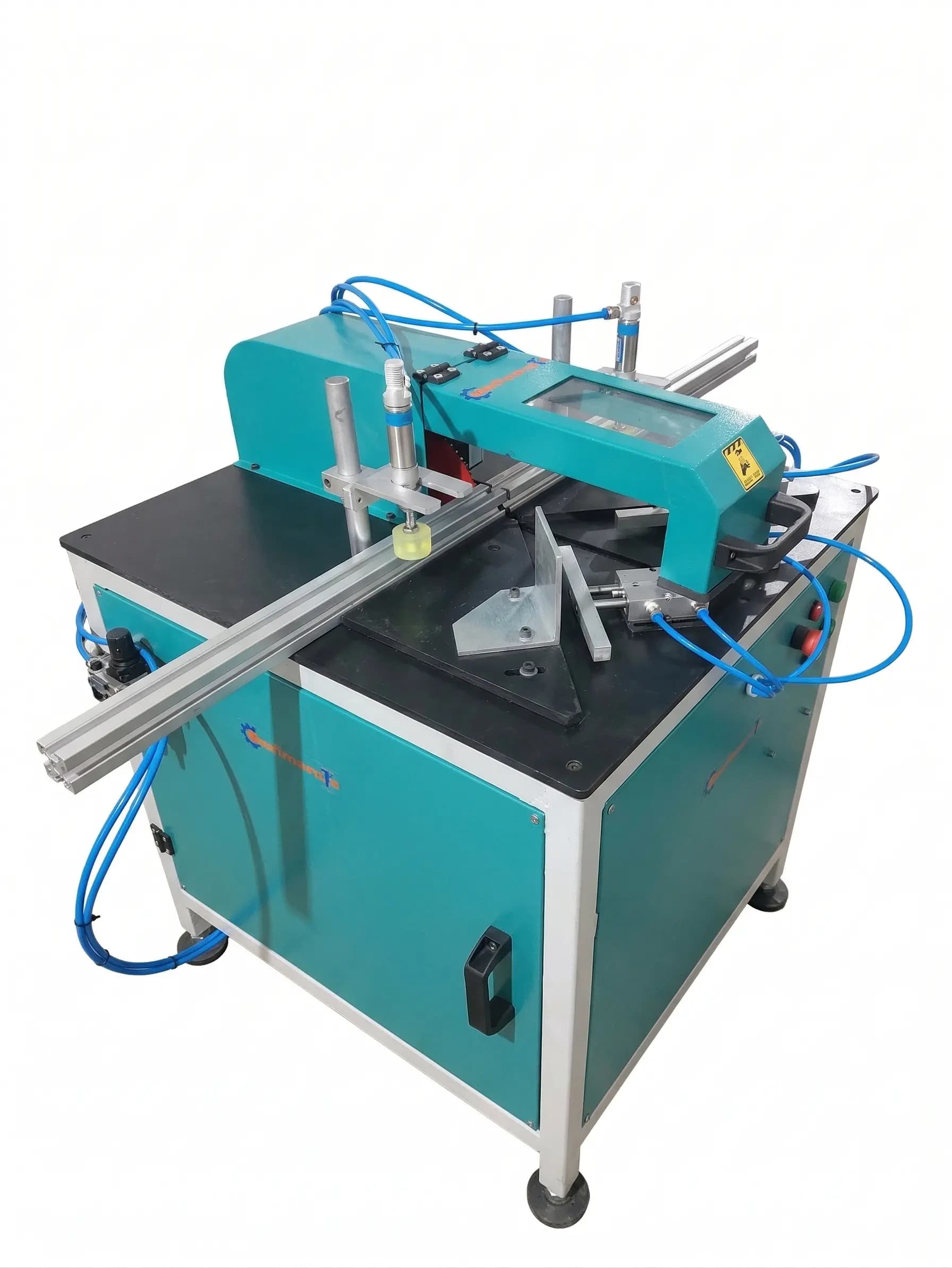
In our 2023 case study of a facility in Electronic City, we upgraded their workshop from single-head to an automatic double head cutting machine. The result was a 40% reduction in cycle time and a decrease in profile waste from 12% to under 4%. This stage necessitates an Automatic Double Head Cutting Machine and a high-speed copy router for aluminium windows or uPVC profiles to handle multiple slots simultaneously.
Stage 3: Fully Automatic Production (40+ Windows/Day)
This stage involves integrating a CNC uPVC window corner cleaning machine and a four-head seamless welding machine. By automating the cleaning and welding processes, fabricators achieve a 'seamless' finish that meets BS EN 12020 standards, which is critical for high-end residential projects in Bangalore North.
Comprehensive uPVC Machine Price List 2024
Understanding the upvc machine price list is crucial for accurate budgeting. Below is an estimated price range for the essential equipment needed to scale your business in the Indian market.
- Automatic Double Head Cutting Machine Price India: ₹4,50,000 – ₹8,50,000. Essential for 45 and 90-degree precision cuts.
- uPVC Welding Machine (Single Head): ₹1,80,000 – ₹2,80,000. Look for machines with adjustable heater plate temperatures.
- High Speed Copy Router Machine: ₹75,000 – ₹1,25,000. Used for milling lock holes and pulley slots with 12,000 RPM motors.
- End Milling Machine: ₹85,000 – ₹1,50,000. Critical for transom joining and mullion processing.
- uPVC Window Corner Cleaning Machine (CNC): ₹3,50,000 – ₹6,00,000. Automates the removal of welding burrs.
When calculating the cost of setting up uPVC window manufacturing unit in India, remember to factor in the air compressor system (minimum 5.5 kW / 7.5 HP) and specialized profile storage racks. A common mistake is under-budgeting for the pneumatic system; low air pressure (below 6 bar) leads to inconsistent welding strength and cutting vibration.
Technical Calibration: Precision Engineering for uPVC Profiles
Precision engineering is the difference between a window that whistles in the wind and one that provides a perfect thermal seal. In our testing labs, we have found that even a 0.5mm deviation in the upvc cutting machine can lead to a 2mm gap at the corner weld, compromising the structural integrity of the frame.
- Blade Selection: Use a 450mm or 500mm TCT blade with 120 teeth for burr-free cuts. Ensure the motor speed is maintained at 2800-3200 RPM.
- Welding Temperatures: Set your heater plate to exactly 250°C (±5°C). Melting time should be 25-30 seconds, followed by a joining time of 30 seconds at 6 bar pressure.
- Milling Tolerances: When using a copy router, ensure the template is calibrated to the specific hardware brand (e.g., Yale, McCoy) to avoid play in the handle assembly.
Adhering to IS 1285 and ISO 9001 standards during the fabrication process ensures that your aluminum window machinery or uPVC tools produce results that pass structural wind-load tests required for high-rise buildings in Bangalore.
Common Mistakes and Safety Standards
After 15 years in the workshop, I have seen many fabricators fail due to avoidable maintenance lapses. One of the most frequent errors is neglecting the moisture in the pneumatic lines. Without an air dryer, moisture enters the valves of your aluminium cutting machine 12 inch or uPVC welder, causing oxidation and eventual failure of the solenoid valves.
Key Safety Considerations:
- Emergency Stops: Every head cutting machine must have a localized and master emergency stop within reach of the operator.
- Blade Guarding: Never bypass the automatic safety hoods on a degree cutting machine.
- Earthing: In Bangalore’s industrial zones, voltage fluctuations are common. Ensure your CNC uPVC window fabrication machine is connected to a dedicated voltage stabilizer and proper electrical grounding.
Frequently Asked Questions (FAQ)
What is the best uPVC window making machine for a startup business?
A Single Head Welding Machine combined with a high-precision single head cutting saw and a manual copy router is the most cost-effective starting point. This setup allows for high-quality output while keeping the initial automatic upvc window plant cost India-wide manageable.
How much space is required for a small uPVC workshop?
For a Stage 1 setup (10 windows/day), you need approximately 1,500 to 2,000 sq. ft. For a Stage 3 CNC-automated line, a minimum of 5,000 sq. ft. is recommended to allow for material flow, assembly stations, and glass storage.
What is the difference between a manual and automatic aluminium corner crimping machine?
A manual punching machine is suitable for small batches of casement windows, but an automatic aluminium window corner crimping machine uses hydraulic pressure (up to 20kN) to create a permanent, leak-proof bond in aluminium profiles, which is essential for heavy-duty commercial doors.
Why are my uPVC window corners breaking?
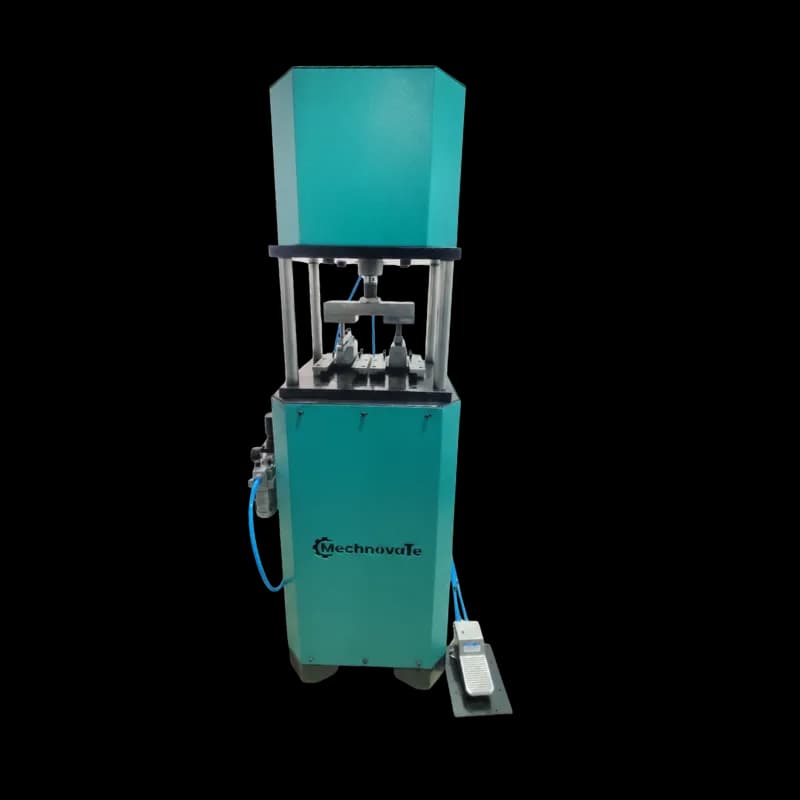
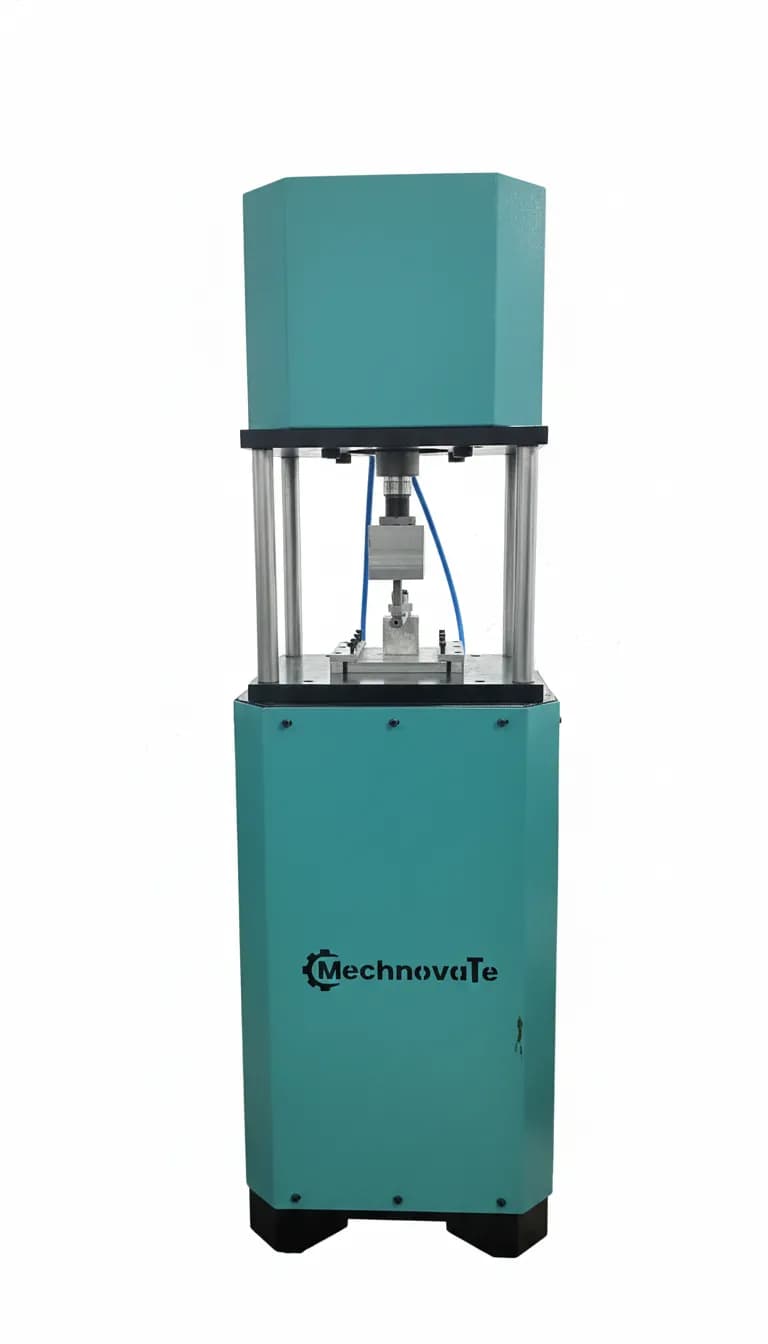
This is usually caused by incorrect welding parameters. If the heater plate is too cold (below 240°C) or the profile cooling time is too short (less than 25 seconds), the molecular bond will be weak. Always test your welds using a corner strength tester to meet Indian industrial standards.
Get more articles like this
Follow Mechnovate on Google to see our guides in Google Discover & News