Scaling uPVC Window Plants in Hyderabad: 2024 Cost Guide
To set up an automatic uPVC window manufacturing plant in Hyderabad in 2024, you need an initial capital investment ranging from ₹25 lakhs to ₹45 lakhs for a mid-to-high capacity production line. This budget covers high-efficiency Automatic Double Head Cutting Machine units, seamless welding technology, and CNC cleaning systems capable of producing 60-80 window frames per 8-hour shift. With Hyderabad's residential boom in areas like Tellapur and Kokapet, fabricators must prioritize machines that handle heavy-duty profiles for high-rise wind loads. Generic machinery often fails under the stress of 2.5mm+ wall thickness profiles required for 30-floor structures; hence, precision engineering and high-torque motors are non-negotiable.
Setting Up an Automatic uPVC Window Manufacturing Plant: Cost & Capacity
Transitioning from manual to an automatic uPVC window manufacturing unit cost involves more than just the sticker price of the machines. In our 15 years of workshop experience, we have found that a semi-automatic line typically fails to keep pace with Hyderabad's rapid project timelines, leading to missed delivery penalties. A fully automatic uPVC window manufacturing unit cost is higher upfront but reduces labor dependency by 60%.
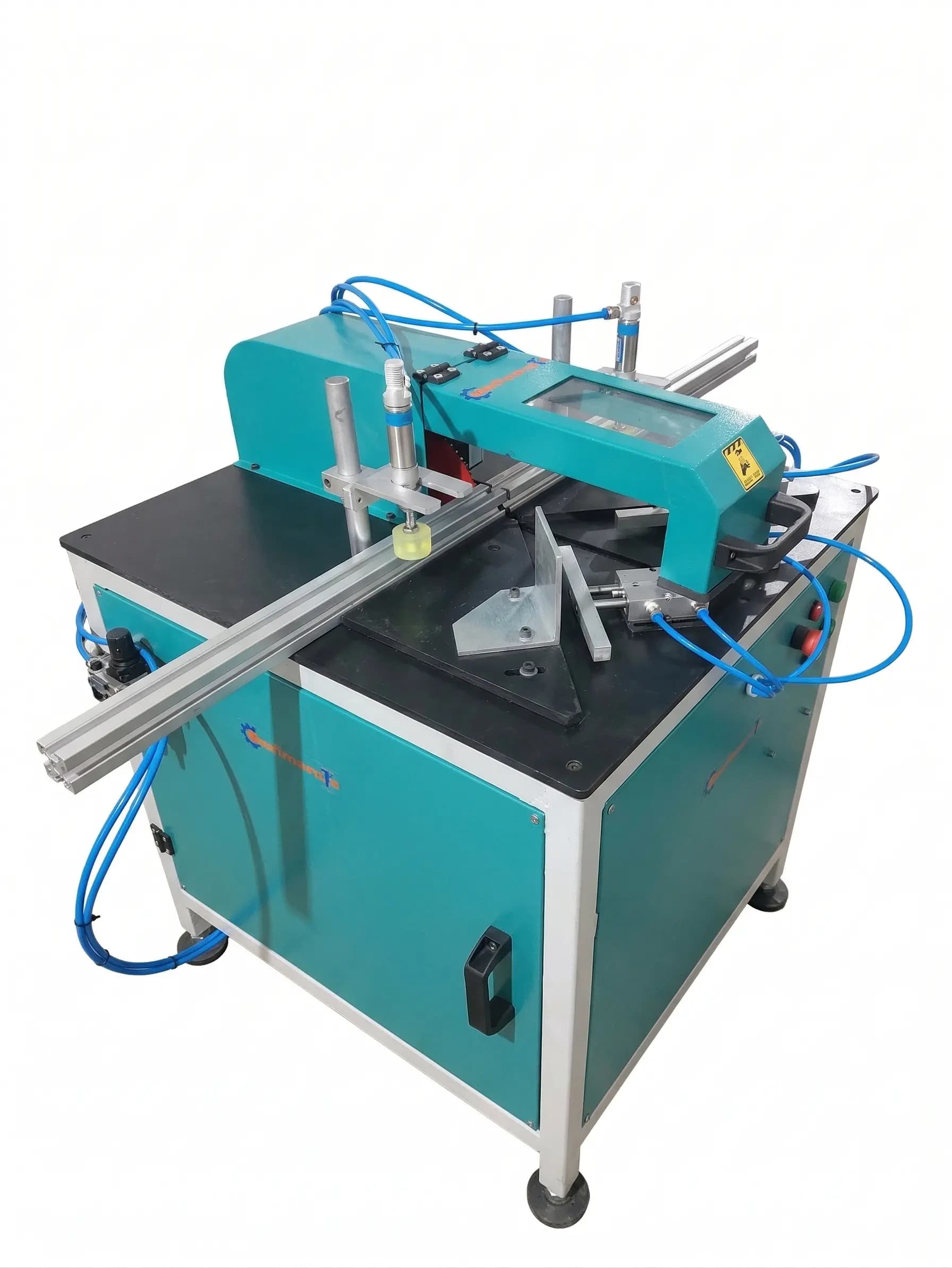
- High-Speed Cutting Station: An Automatic Double Head Cutting Machine with a 500mm blade is essential for the 120mm multi-track sliding profiles common in Gachibowli high-rises. Expect to allocate ₹5.5 to ₹8.5 lakhs for a high-precision miter saw with digital display linear guides.
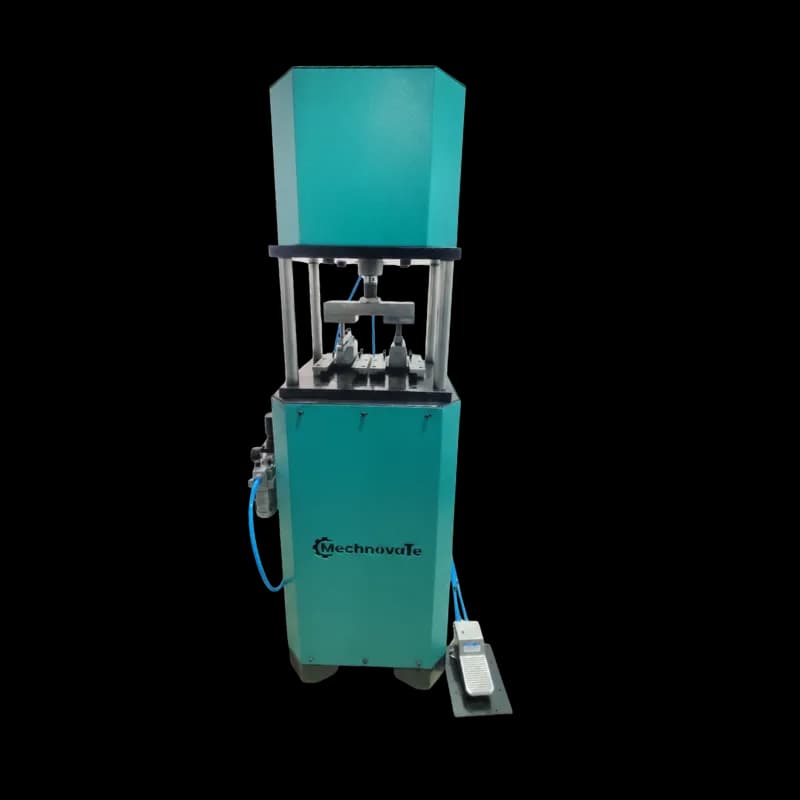
- Welding and Joining: A uPVC Seamless Welding Machine eliminates the need for manual corner cleaning on the exterior face, providing the premium finish luxury builders demand. These units range from ₹4.5 to ₹7 lakhs.
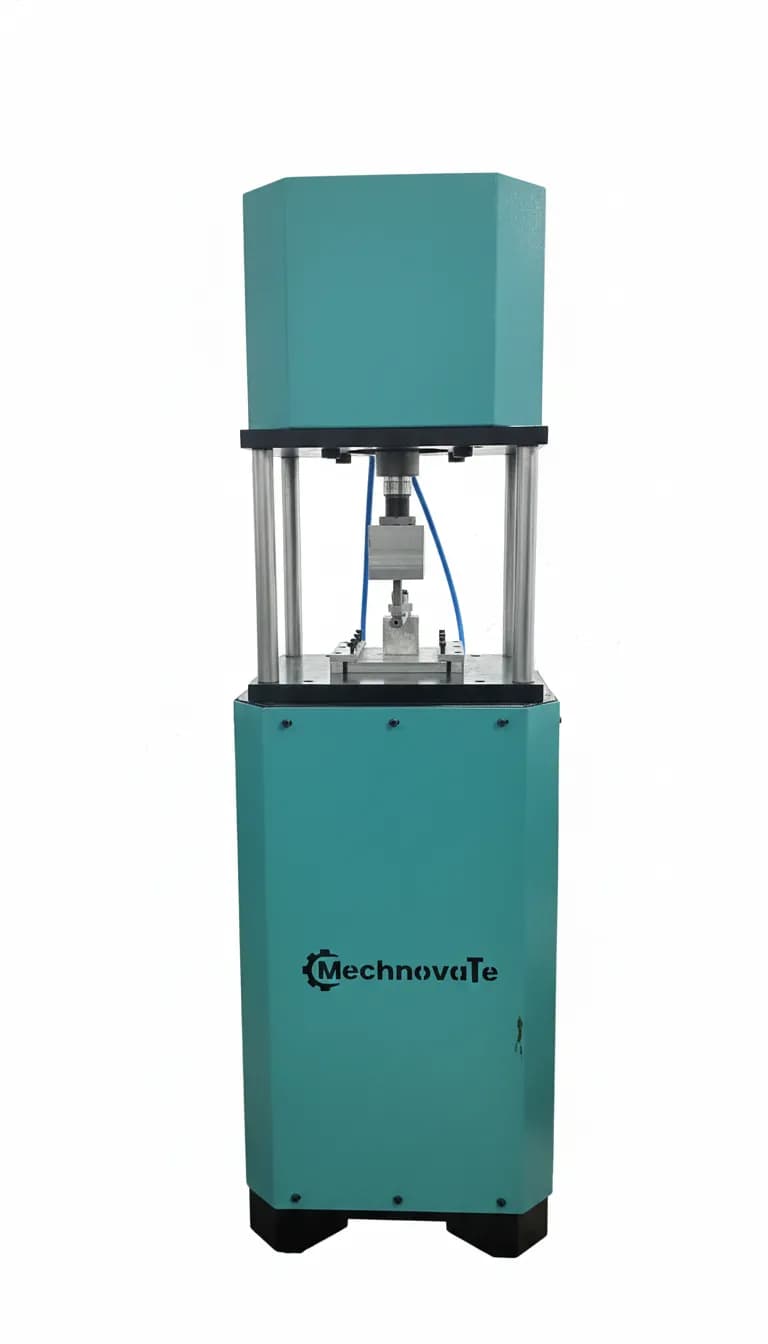
- CNC Processing: A CNC Corner Cleaning Machine is the heart of a high-output factory. It ensures that every window is geometrically square, reducing installation friction at the site. This involves an investment of ₹6 to ₹9 lakhs.
- Auxiliary Equipment: This includes the copy router machine, water slot milling machine, and end milling machine for transom joints. For a professional setup, allocate ₹4 to ₹6 lakhs for these three components.
- Infrastructure: Factor in a 15HP screw air compressor (₹1.5 lakhs) and a stabilized 3-phase power connection (30kW minimum) to prevent PCB burnout in expensive CNC controllers.
Technical Specifications for High-Output uPVC Windows Machines
When evaluating a uPVC machinery manufacturer, ignore the exterior paint and focus on the technical internals. For instance, the feed rate of a high speed copy router for aluminium windows and uPVC profiles should be adjustable via pneumatic dampers to prevent profile melting or cracking. We recommend machines that utilize Schneider or Omron electronics and Airtac pneumatics for long-term reliability in Hyderabad’s dusty industrial zones like Pashamylaram.
Precision matters: a 0.1mm deviation in a 45 degree double head cutting machine might seem small, but across a 2-meter frame, it creates a 2mm gap that ruins the thermal insulation properties of the window. Your cutting machine automatic systems must feature a cast iron base to dampen vibrations, unlike cheaper sheet-metal versions that lose calibration every 3 months. For heavy-duty 2.5mm profiles, ensure your uPVC welding machine has a heating plate temperature range of 240°C to 270°C with a tolerance of ±1°C.
The Mechnovate Case Study: Optimizing a Hyderabad-Based Facility
In early 2023, we consulted for a fabrication unit in Jeedimetla that was struggling with a 12% material waste rate and an output of only 25 frames per day. They were using a manual head cutter machine and basic welding tools. By upgrading them to an automatic double head cutting saw for aluminium profiles and uPVC, and implementing a 45 degree double head cutting machine setup, we achieved the following metrics over a 6-week trial:
- Waste Reduction: Cutting waste dropped from 12% to 2.8% because the digital positioning system eliminated human measurement errors.
- Output Increase: Daily frame production rose from 25 to 65 frames with the same labor force.
- Quality Consistency: The rejection rate at the site fell by 90% because the CNC corner cleaning machine provided perfectly flush joints every time.
Lessons learned: Most fabricators ignore the air pressure requirements. In this case, the welder was failing because the factory’s air lines were dropping below 4 bar pressure during peak hours. We installed a 500-liter air tank which stabilized the pressure at a constant 7 bar, ensuring consistent weld strength across all four corners.
Essential Infrastructure and Safety Standards
Setting up a plant in India requires adherence to industrial profile cutting safety standards ISO standards. Your layout must provide at least 3000 sq. ft. of floor space to ensure a linear production flow—from profile storage to the upvc cutting machine, then to welding, cleaning, and finally glazing.
- Electrical Load: An automatic upvc window plant cost India must include the cost of a dedicated transformer if you are scaling beyond 2000 units/month.
- Dust Extraction: uPVC dust is hazardous and static-charged. A centralized dust collector connected to your upvc window manufacturing machines is mandatory for worker safety and to prevent sensors on the CNC uPVC window corner cleaning machine from malfunctioning.
- Testing Rigs: For Hyderabad's high-rise market, include a basic air and water penetration testing rig to verify IS 1285 compliance for your finished products.
Avoiding the "Cheap Machine" Trap: Lessons from the Floor
I have seen dozens of startups fail because they chased the lowest aluminium cutter machine price. A cheap upvc window machine often uses low-grade aluminum castings for the saw head, which warps over time due to heat. When the head warps, you can never get a true 45-degree cut again, rendering the machine a piece of scrap metal.
Always ask for the weight of the machine. A heavy-duty aluminium profile end milling machine should weigh at least 20% more than its entry-level counterparts because of the extra steel used in the frame for vibration dampening. Furthermore, ensure your uPVC window machinery manufacturers in Chennai or Ahmedabad offer a local service center in Telangana. Waiting 4 days for a technician to travel from North India while a project deadline looms in HITEC City can cost you more than the machine itself.
Frequently Asked Questions
1. What is the minimum power requirement for a fully automatic uPVC plant? You need a minimum of 25kW to 30kW 3-phase power. The CNC corner cleaner and the double head welder are the biggest consumers. Using a voltage stabilizer is critical to protect the PLC units from Hyderabad's frequent voltage fluctuations.
2. How many laborers are required for an automatic uPVC window manufacturing unit? An automatic line typically requires 5 to 7 skilled and semi-skilled workers: 2 for cutting, 1 for welding/cleaning, 2 for glazing, and 1-2 for hardware fitting and QC. This is significantly less than the 15+ workers required for a manual setup of similar capacity.
3. Can I use uPVC window machines for aluminium fabrication? While some machines like the copy router and end miller can be used for both, the cutting blades and welding processes are different. An aluminium cutting machine 12 inch usually runs at a different RPM than a uPVC saw, and uPVC cannot be crimped like aluminium; it must be welded. For hybrid shops, we recommend dedicated aluminium profile punching machine suppliers for the metal components.
4. What is the average ROI for an automatic plant in Hyderabad? Given the current real estate demand, most of our clients in Hyderabad see a return on investment within 14 to 18 months. The key is securing a contract with a developer for at least 200-300 apartments, which an automatic plant can easily fulfill in 3-4 months.
Get more articles like this
Follow Mechnovate on Google to see our guides in Google Discover & News