Scaling Pune’s Window Production: Choosing Precision Machinery
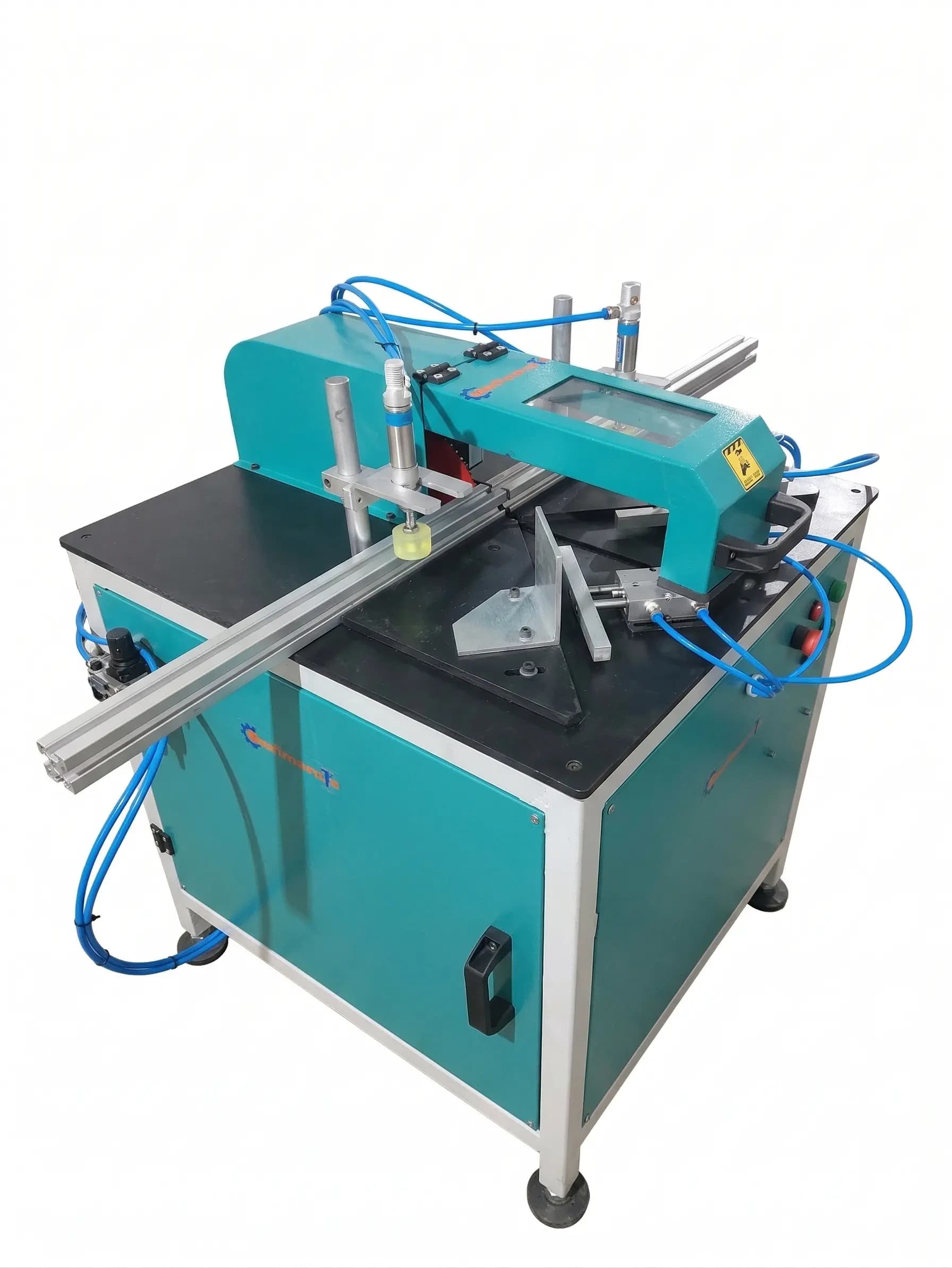
Scaling aluminium fabrication in Pune's high-demand real estate market requires moving beyond basic manual setups to precision-engineered Automatic Double Head Cutting Machine configurations. To meet the quality standards of Tier-1 developers in areas like Hinjewadi, Wakad, or Magarpatta, fabricators must prioritize machines that guarantee a cutting tolerance of +/- 0.1mm and perfect 45-degree miters. In Pune's competitive landscape, the difference between winning a contract for a 20-story residential tower and losing it often comes down to your plant's ability to produce consistent, gap-free joints at scale. This guide breaks down the engineering requirements for scaling production without compromising on the structural integrity of the fenestration.
Case Study: 40% Efficiency Gains in a Chakan Fabrication Unit
In early 2023, our engineering team was called to a facility in Chakan that was struggling with a 12% rejection rate on a high-volume sliding window order. The fabricator was using a standard 12-inch aluminium cutter machine that lacked the rigidity required for architectural-grade profiles with 2.5mm wall thickness. We replaced their legacy setup with an Automatic Double Head Cutting Machine and implemented a systematic calibration schedule.
Over the following six weeks, we recorded the following measurable results:
- Cutting waste was reduced from 9.5% to 2.2% due to high-precision digital length positioning.
- Output increased from 38 frames per shift to 94 frames per shift, a total gain of over 140%.
- Rework costs were eliminated as the 450mm TCT blades provided a mirror-finish cut that required no secondary deburring.
- The facility achieved compliance with IS 1285 standards for profile tolerances, which helped them secure a 500-unit contract in the Kharadi IT park area.
Why Precision Engineering Matters: The Technical Breakdown
When you evaluate an aluminium profile cutting machine, the motor's vibration and the table's flatness are more important than the paint job. Most entry-level aluminium cutter machine price options are low because they use lightweight welded frames that vibrate at high RPMs. For industrial-scale production, you need a cast-iron or heavy-duty steel base that dampens the 2800 RPM motor's frequency. This stability ensures that the blade enters the profile at a true 90 or 45 degrees without ‘walking’ across the surface.
Technical specifications you should demand from your supplier include:
- Spindle Run-out: Must be less than 0.02mm to prevent blade wobble and jagged edges.
- Clamping Pressure: Pneumatic systems should provide a minimum of 6-8 bar pressure with adjustable regulators to avoid deforming thin-walled profiles.
- Feed Rate Control: Hydro-pneumatic cylinders are essential for a smooth, consistent saw blade advance, especially when cutting heavy-duty curtain wall sections.
- Blade Quality: Always insist on TCT (Tungsten Carbide Tipped) blades with a minimum of 100-120 teeth for aluminium fabrication to ensure heat dissipation.
Selecting the Right Aluminium Window Fabrication Machine Suppliers in Pune
Pune has become a hub for industrial manufacturing, but not all suppliers understand the nuances of high-rise wind load requirements. When looking for aluminium window fabrication machine suppliers Pune, you must look for partners who offer more than just a crate delivery. You need a supplier who understands the BS EN 12020 standards and can provide onsite calibration for a Copy Router Machine to ensure hardware slots are perfectly aligned. A mismatch of even 0.5mm in a lock-keep slot can lead to air infiltration issues in high-altitude apartments.
Consider the following when vetting a local supplier:
- Local Service Response: Can they send a technician to your Bhosari or Pirangut plant within 4 hours if a head cutter machine fails?
- Spare Parts Inventory: Do they stock solenoid valves, linear bearings, and saw blades locally, or is there a 3-week lead time from abroad?
- Training Capabilities: Will they train your operators on the specific nuances of a degree cutting machine, including blade change safety and lubrication cycles?
- Software Integration: For modern shops, ensure the cutting machine automatic logic can interface with window design software to import cutting lists directly.
Optimizing the Production Line: Beyond the Cutting Machine
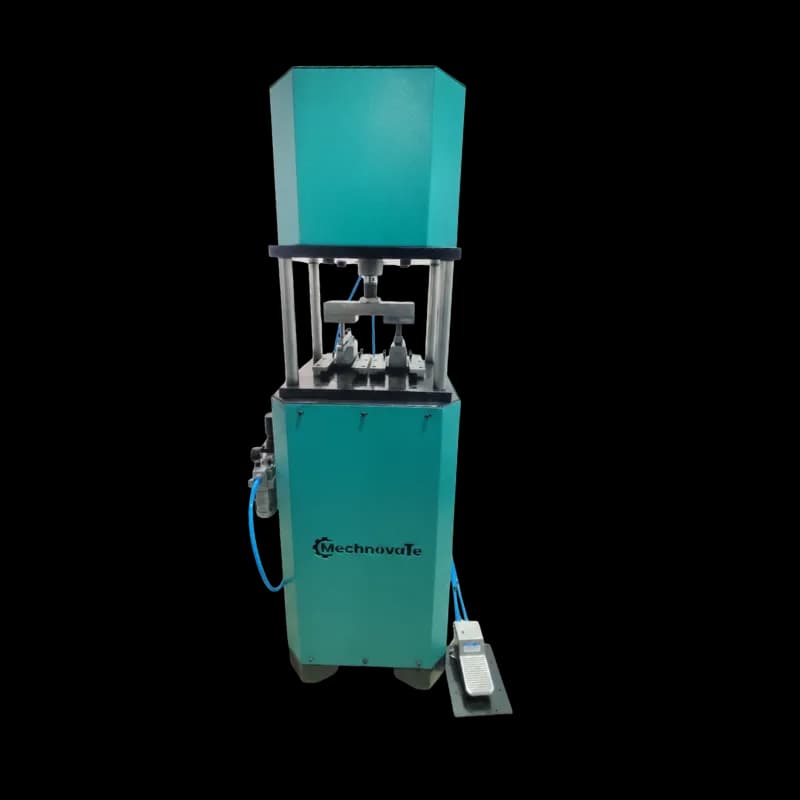
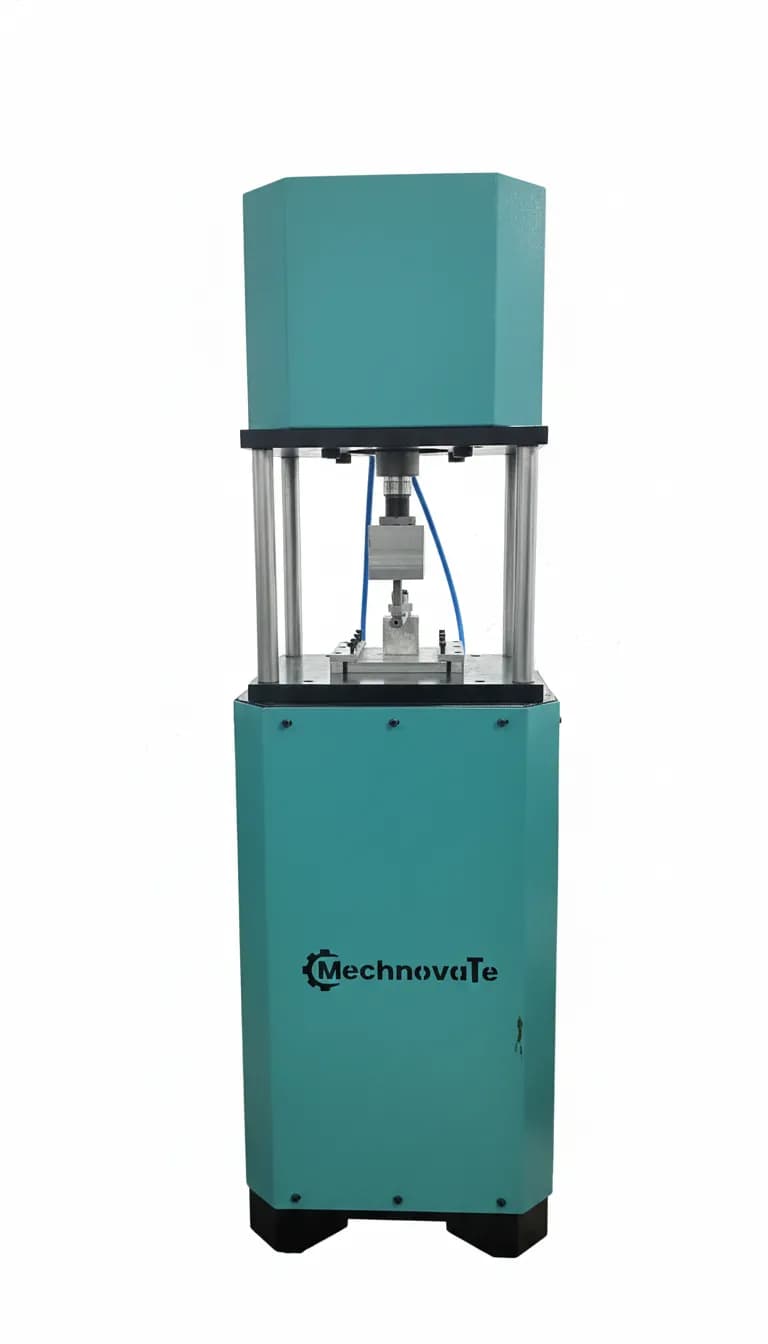
Scaling isn't just about the aluminium cutting machine 12 inch or larger; it's about the flow of material through the shop. A common mistake is investing heavily in a double-head saw but neglecting the Aluminium Corner Crimping Machine. If your cutting is precise but your crimping is manual, your frames will eventually rack and leak under Pune's heavy monsoon rains. An automatic aluminium corner crimping machine price might seem high initially, but it ensures every joint is structurally fused with 20kN of hydraulic force.
To build a balanced production line, follow this sequence:
- Primary Cutting: Use an automatic double head cutting saw for aluminium profiles to handle bulk length processing.
- Machining: Utilize a high-speed copy router for aluminium windows (minimum 12,000 RPM) for water slots and handle holes.
- Punching: Implement an aluminium punching machine or manual punching machine for faster handle-set and hinge hole preparation.
- Assembly: Finalize with a heavy-duty crimper to ensure the frame is perfectly square and watertight.
- Milling: For mullions, a heavy duty aluminium profile end milling machine is required to create the complex notches needed for flush joints.
Common Mistakes in Sourcing Aluminium Cutter Machines
One of the most frequent errors I see in my 15 years of experience is fabricators choosing a upvc window manufacturing machine for aluminium work. While uPVC machinery manufacturer expertise is valuable, aluminium requires significantly higher torque and different blade geometries. A upvc windows making machine typically operates at different feed speeds and lacks the cooling systems required for non-ferrous metal cutting. Using a upvc window machine for thick aluminium profiles will lead to motor burnout and dangerous blade binding.
What to watch out for during procurement:
- Under-powered Motors: For architectural aluminium, anything less than a 2.2kW motor will struggle with multi-chambered profiles.
- Poor Table Alignment: If the two heads of a double head miter saw are not on a perfectly leveled linear rail, your long-span windows will never be straight.
- Lack of Cooling: Aluminium generates significant heat during cutting; without a micro-mist lubrication system, the metal will weld itself to the blade teeth.
- Ignoring Safety: Always verify that the head cutting machine has dual-hand safety triggers and transparent guard shields that meet ISO standards.
Frequently Asked Questions (FAQ)
What is the ideal saw blade diameter for Pune high-rise projects?
For most modern architectural profiles used in Pune's luxury segments, a 450mm or 500mm blade is recommended. This allows for a greater cutting depth, enabling you to cut two profiles simultaneously or handle extra-wide sliding tracks in a single pass without deflection.
Why does my aluminium profile cutting machine produce burrs?
Burrs are usually caused by three things: a dull TCT blade, an incorrect feed rate, or a lack of lubrication. Ensure your cooling spray is hitting the teeth directly and that your blade is sharpened every 2,000 to 5,000 cuts depending on the alloy grade.
Is it better to buy a CNC aluminium profile cutting machine or a manual one?
If you are processing more than 20 windows a day, a CNC-controlled machine is essential for accuracy and speed. Manual machines are prone to human error in measurement, which leads to expensive material waste in Pune’s high-cost real estate market.
How much space is needed for a full aluminium window production line?
A professional setup requires approximately 2,500 to 4,000 square feet. This allows for the 6-meter profile storage racks, the 4-5 meter length of a double head saw, and dedicated stations for routing, crimping, and final glass glazing.
Get more articles like this
Follow Mechnovate on Google to see our guides in Google Discover & News