Scaling Pune’s Window Fabrication: Expert Supplier Selection Guide
Scaling Pune’s Window Fabrication: Direct Performance Metrics
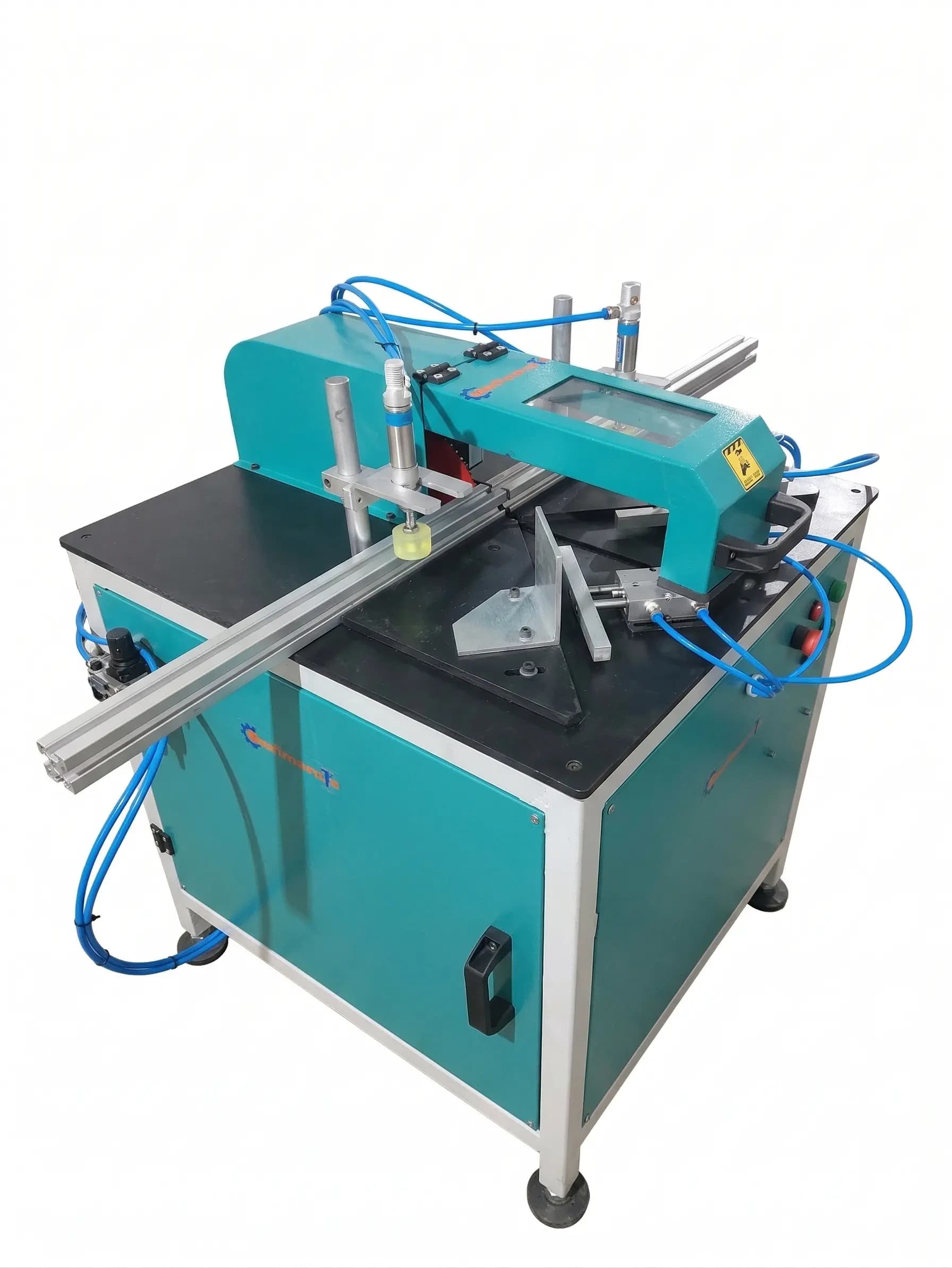
To scale aluminium fabrication in Pune’s competitive market, you must move beyond manual 12-inch cutters and embrace high-speed automation. High-volume production—defined as 60+ window frames per 8-hour shift—cannot be sustained by manual punching machine setups or basic single-head saws. In our 15 years of engineering experience, we have observed that Pune fabricators who transition to a double head cutting machine reduce cycle times by 40% compared to traditional single-cut methods. The primary requirement for high-volume scaling is consistent repeatability; your first cut of the day must match the 500th cut within a ±0.1mm tolerance.
The Chakan Case Study: Reducing Waste from 12% to 3%
Last year, at a large-scale facility in Chakan, Pune, we conducted a rigorous six-week performance test comparing three different production line configurations. Initially, the facility used manual aluminium cutter setups, resulting in a 12% scrap rate due to measurement errors and rough surface finishes. We implemented an automatic double head cutting saw for aluminium profiles and optimized the feed rates to 3 meters per minute for 2.0mm wall thickness sections. By the end of the six weeks, we successfully reduced cutting waste from 12% to 3% and increased the daily output by 40 frames. This shift was not just about speed; it was about the precision engineering of the pneumatic clamping system, which prevented profile deformation during the high-speed miter cuts. We learned that the secret to high-volume success in Pune isn't just the 'head cutter machine' speed, but the stability of the machine bed and the quality of the tungsten carbide blades used for 45 degree and 90 degree cuts.
Technical Mastery: Specifications for High-Volume Production
When evaluating aluminium window fabrication machine suppliers Pune, you must look beyond the sticker price and analyze the engineering specifications. For high-volume production, a standard aluminium cutting machine 12 inch blade is often insufficient for multi-chambered heavy-duty profiles. We recommend moving to 450mm or 500mm blades with a spindle speed of at least 2800 RPM to ensure a burr-free finish.
- Power and Torque: For a heavy duty aluminium profile end milling machine, ensure the motor is at least 1.5kW to 2.2kW. Lower power leads to 'chatter' marks on the profile surface, requiring manual filing that slows down the line.
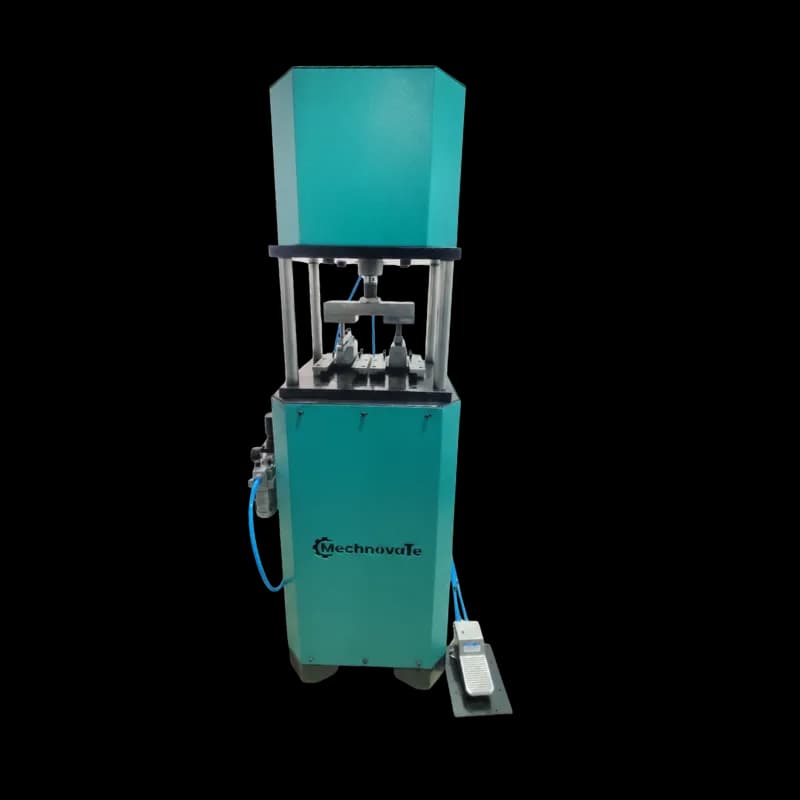
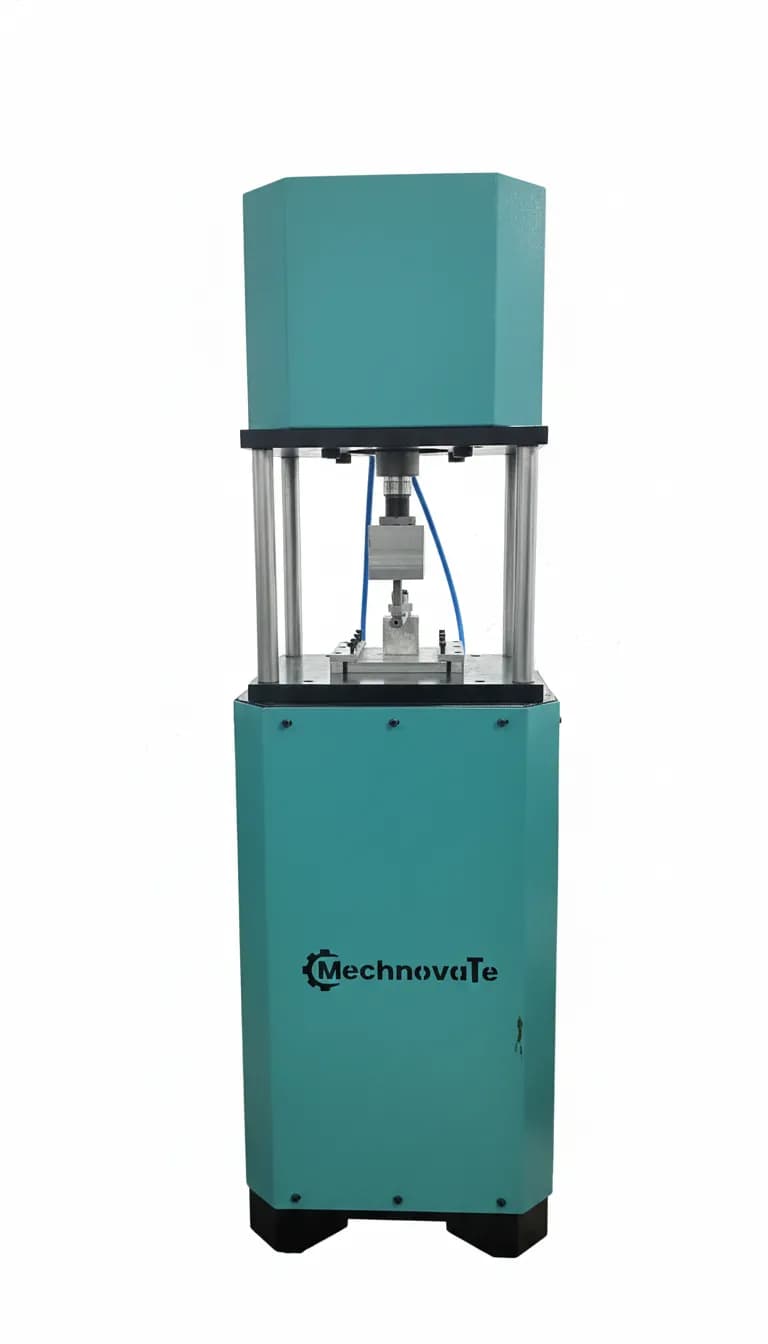
- Pneumatic Requirements: Most high-volume aluminium corner crimping machine units require a stable 6-8 bar pressure. In Pune’s industrial zones, voltage fluctuations can affect air compressor consistency, so we advise installing dedicated air receivers to maintain pressure for the crimping blades.
- Precision Tolerances: Always reference IS 1285 for aluminium alloy extrusions and BS EN 12020 for precision profiles. A high speed copy router for aluminium windows must maintain a milling accuracy of ±0.2mm to ensure that hardware slots align perfectly with the locking mechanisms.
Common Mistakes in Pune’s Fabrication Workshops
One of the most frequent errors we see in the Pune market is fabricators purchasing a 'uPVC windows making machine' designed for light residential work and expecting it to handle 24/7 commercial production. This leads to premature motor failure and misalignment of the welding heads. Another critical mistake is ignoring the maintenance of the copy router machine. A dull milling bit or a poorly lubricated guide rail will cause profile melting, especially in uPVC machinery, leading to expensive rework. Fabricators should also avoid purchasing an aluminium cutting machine price-first; a cheaper machine often lacks the cast-iron base necessary to dampen vibrations, which directly impacts the longevity of the 'upvc windows machines'.
Safety Standards and Compliance (ISO/IS)
Safety is paramount in high-volume environments. Any aluminum cutting machine or upvc window manufacturing machine must adhere to Industrial profile cutting safety standards ISO standards. This includes emergency stop buttons, blade guards that automatically retract, and dual-hand operation triggers to prevent accidental activation. When sourcing from aluminium window machinery manufacturers in Ahmedabad Gujarat or local Pune suppliers, verify that the machines are CE certified and provide grounding for all electrical components to handle the heavy load of a 45 degree double head cutting machine.
FAQ: Expert Answers for Pune Fabricators
Q: What is the estimated cost of setting up uPVC window manufacturing unit in India for high volume?
A: A semi-automatic high-volume line, including a double head welder, a CNC corner cleaner, and an automatic glazing bead saw, typically ranges from ₹12 Lakhs to ₹25 Lakhs, depending on the level of CNC automation and the 'upvc machine price list' of the specific supplier.
Q: Can I use the same machine for both aluminium and uPVC?
A: While some 'aluminium cutter' saws can cut uPVC with the correct blade, specialized processes like 'upvc welding machine' operations and corner cleaning are unique to uPVC. For high-volume production, we always recommend dedicated lines to avoid cross-contamination and setup downtime.
Q: What is the best aluminium window corner crimping machine price vs. performance ratio?
A: For Pune’s high-rise projects, a hydraulic corner crimping machine with a 2.2kW motor is the industry standard. Prices vary, but focusing on the 'automatic aluminium window production line price' as a package often yields better ROI than buying individual manual punching machines.
Get more articles like this
Follow Mechnovate on Google to see our guides in Google Discover & News