Scaling Pune's High-Rise Projects with Automatic Aluminium Window Machines
Why Pune's High-Rise Boom Demands Automation in Aluminium Fabrication
Pune's skyline is undergoing a radical vertical transformation, from the sprawling townships in Hinjewadi to the luxury high-rises in Baner and Kharadi. For local fabricators, this shift from low-rise residential projects to Tier-1 high-rise contracts means the margin for error has effectively vanished. Manual cutting and punching methods, while acceptable for small residential units, cannot meet the rigorous structural and aesthetic demands of projects exceeding 70 meters in height. High-rise projects require windows that can withstand high wind pressures and provide superior thermal insulation, which can only be achieved through precision engineering. This is why leading aluminium window fabrication machine suppliers Pune are seeing a surge in demand for automated solutions that guarantee sub-millimeter accuracy and structural integrity. In this guide, we will analyze the technical transition from manual chop saws to CNC-driven production lines.
The Technical Benchmarks: Precision Beyond the Standard Aluminium Cutter
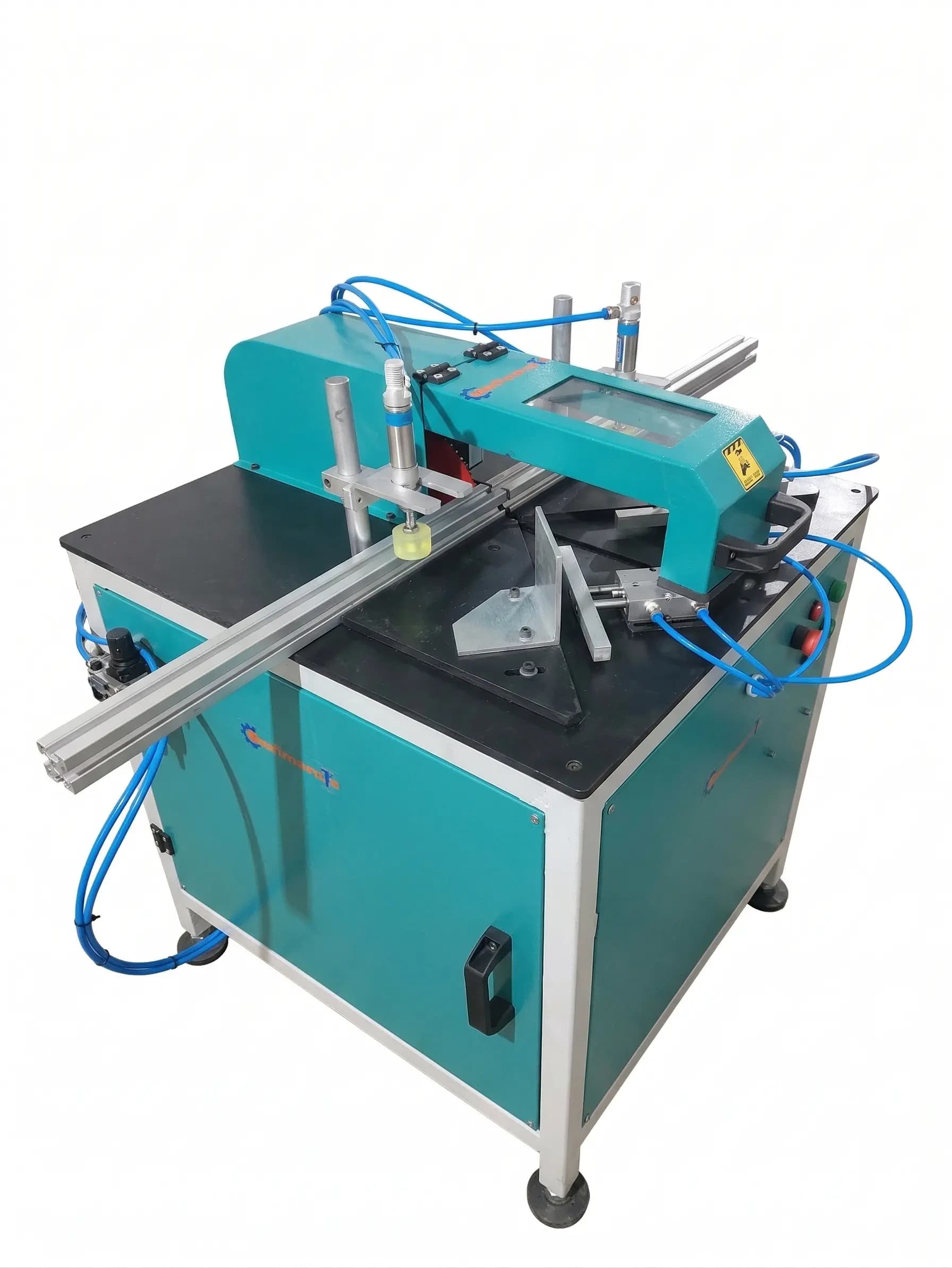
When we talk about high-rise window fabrication, we are looking at tolerances defined by IS 1285 and BS EN 12020 standards. A standard aluminium cutter machine used in a traditional workshop often relies on the operator's eye and manual stop-blocks. This frequently results in variations of 1mm to 3mm per profile. In a 20-story building, a 2mm error in the frame size leads to catastrophic failures in the building’s envelope, specifically in water tightness and air infiltration. High-performance windows require a 45-degree miter cut that is perfectly square. Using a Double Head Miter Saw for Aluminium Profiles allows for simultaneous cutting of both ends of a profile, ensuring that the lengths are identical to within ±0.2mm. This precision is critical for the assembly of the thermal break sections increasingly used in Pune’s climate-conscious developments. The hydro-pneumatic feed systems in these machines provide a consistent blade speed, which prevents the deformation of thin-walled profiles (1.2mm to 2.5mm thickness), ensuring a burr-free finish that manual machines simply cannot replicate.
A Case Study from the Shop Floor: 40% Output Increase in Hadapsar
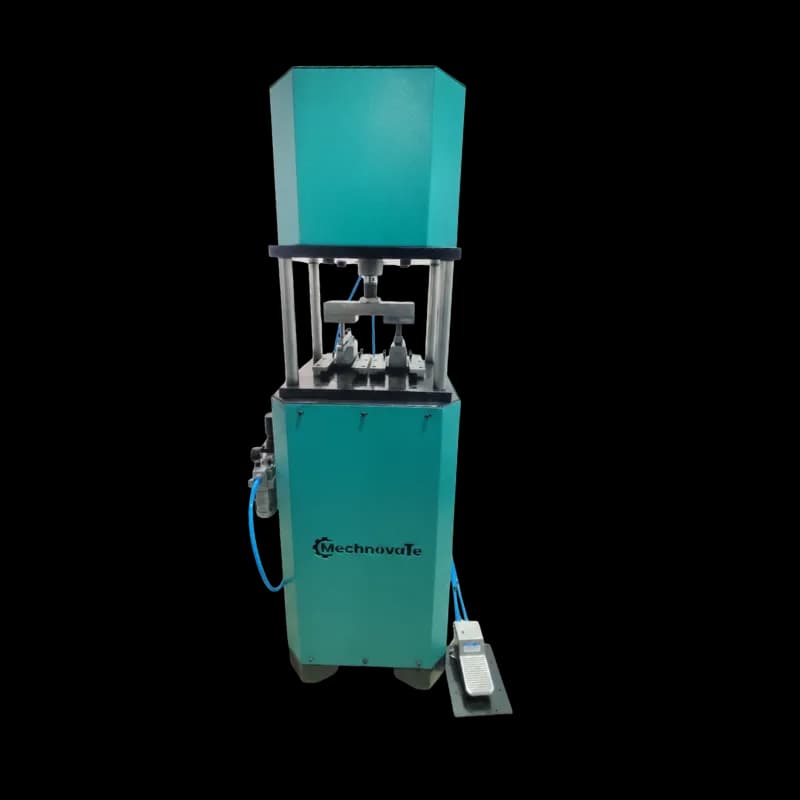
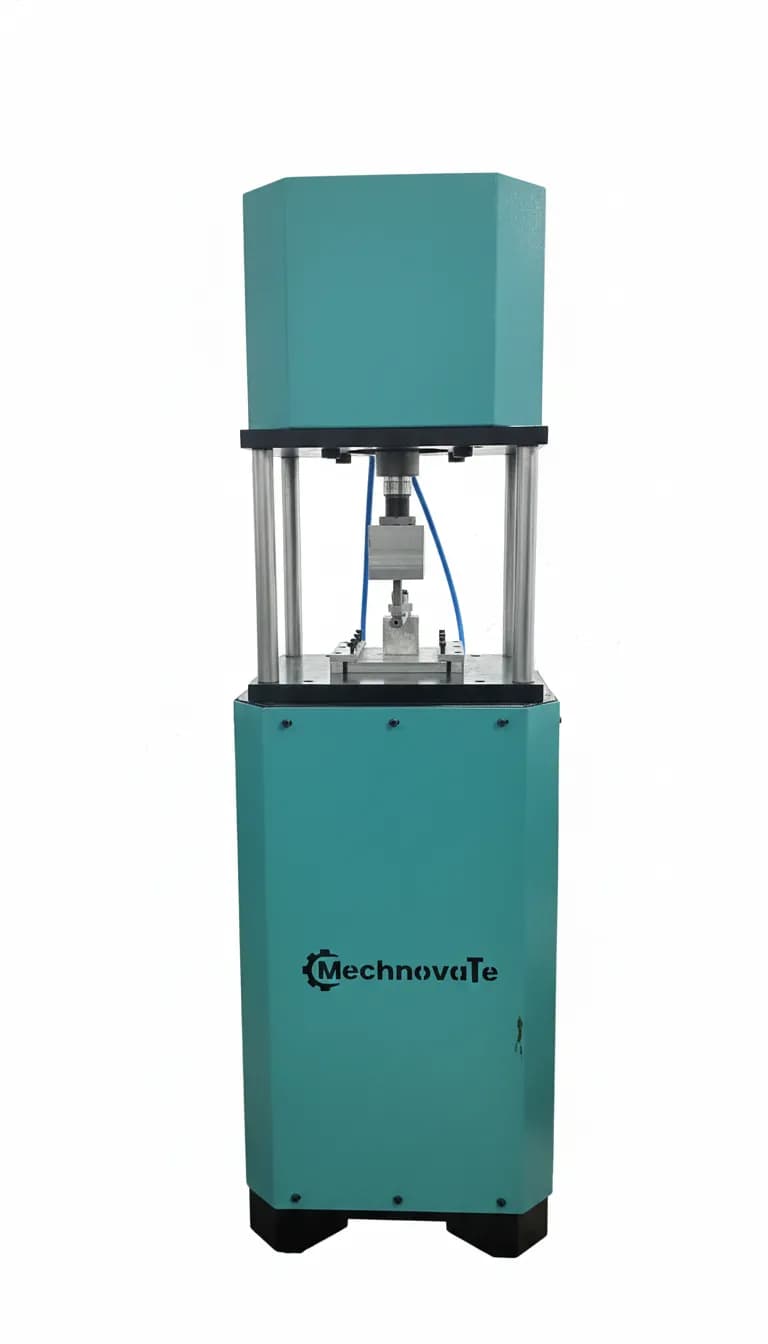
In our Mechnovate testing facility, we recently partnered with a fabricator in Hadapsar who was struggling to fulfill a 400-unit window order for a commercial tower. Their existing setup used a 12-inch aluminium cutting machine and manual punching jigs. We replaced their workflow with an automated line featuring a Heavy Duty Aluminium Profile End Milling Machine and a CNC-controlled double head saw. Over a six-week observation period, the metrics were undeniable. Material waste, which previously averaged 11.4% due to miscuts and rework, dropped to just 2.8%. Production output jumped from 15 frames per shift to 42 frames per shift without adding extra labor. The most significant improvement was in the 'corner integrity test.' Using an Automatic Aluminium Corner Crimping Machine, the joint strength increased by 65% compared to manual screw-joining methods. This structural rigidity is a non-negotiable requirement for windows installed on the upper floors of Pune's windy skyscrapers.
Engineering Specs: What Fabricators Must Look For
When evaluating aluminium window fabrication machine suppliers Pune, fabricators must look beyond the sticker price and focus on the technical specification sheet. An aluminium cutting machine 12 inch is sufficient for small sections, but for the heavy-duty profiles used in high-rises, a 16-inch or 20-inch blade with TCT (Tungsten Carbide Tipped) teeth is mandatory. The motor power should ideally be 2.2 kW or higher to maintain constant RPM under load. Clamping is another critical factor; pneumatic vertical and horizontal clamps must be used to prevent profile rotation during the cut. For those handling uPVC alongside aluminium, ensuring your uPVC machinery manufacturer provides machines with reinforced steel bases is key to long-term stability. Vibration is the enemy of precision. If a machine weighs less than 400kg, it likely lacks the cast-iron or heavy-gauge steel foundation required to dampen the harmonics generated by high-speed motors (2800-3200 RPM).
Common Pitfalls and the 'Cheap Machine' Trap
One of the most common mistakes Pune fabricators make is investing in an aluminium cutting machine price that seems like a bargain but lacks localized service support or standardized parts. We have seen workshops grind to a halt because a PLC from an obscure brand failed and parts had to be shipped from overseas. Another error is neglecting the air supply; automatic machines require a consistent 6-8 bar pressure with a clean, dry air line. Moisture in the pneumatic lines will corrode the solenoid valves of your upvc window manufacturing machine or aluminium corner crimper, leading to erratic behavior and safety risks. Always verify the safety standards of the equipment. Modern cutting machine aluminium units must include safety hoods that automatically engage before the blade moves. Never bypass these sensors, as the high-torque motors can cause catastrophic injury in milliseconds.
Scaling Your Workshop: The Step-by-Step Transition
- Audit Your Profile Systems: Identify if you are working with standard sections or heavy-duty thermal break profiles, as this dictates the blade diameter and motor torque needed.
- Upgrade the Cutting Station First: The aluminium profile cutting machine is the heartbeat of your shop. If the initial cut is wrong, every subsequent process will fail.
- Implement Pneumatic Punching: Replace manual drills with an aluminium punching machine for hardware holes and water drainage slots to ensure 100% repeatability.
- Invest in Corner Crimping: For high-rise projects, the strength of the joint is a legal liability. An automatic crimper ensures the window survives the design wind load of the building.
- Optimize with Software: Connect your upvc window making machine or aluminium line to optimization software to reduce 'drop' waste and manage inventory in real-time.
FAQ: Critical Questions for Pune Fabricators
Q: Can I use the same machine for aluminium and uPVC profiles? No. While both involve cutting and milling, the blade geometries and RPM settings differ significantly. A upvc windows machine is designed for a lower melting point material, whereas aluminium requires higher torque and specific cooling systems to prevent the material from galling onto the blade teeth.
Q: What is the typical ROI for switching to an automatic aluminium window fabrication machine? For a medium-sized workshop in Pune producing 30 windows a day, the ROI is typically achieved within 14 to 18 months through labor savings, reduced material waste, and the ability to bid for higher-margin Grade-A developer contracts.
Q: Does Mechnovate provide on-site training for fabricators in Pune? Yes. Technical mastery is as important as the machine itself. We provide comprehensive training on pneumatic maintenance, blade sharpening schedules, and PLC calibration to ensure your upvc machinery and aluminium tools operate at peak efficiency for 10+ years.
Get more articles like this
Follow Mechnovate on Google to see our guides in Google Discover & News