Scaling Pune Workshops: Best Aluminium Fabrication Machine Guide
To scale a Pune workshop for high-volume residential projects, you must transition from manual 12-inch cutters to automated 45-degree double head cutting machines and high-speed copy routers. In a market like Pune, where large-scale projects in Hinjewadi, Kharadi, and Wakad demand both speed and precision engineering, relying on entry-level gear leads to bottlenecks and material waste that kills your margins. High-volume residential fabrication requires a systematic approach to machine selection that prioritizes cycle time, repeat accuracy, and the ability to handle various profile thicknesses (1.2mm to 3.0mm) without constant recalibration.
The Pune Workshop Case Study: Scaling from 15 to 60 Frames Daily
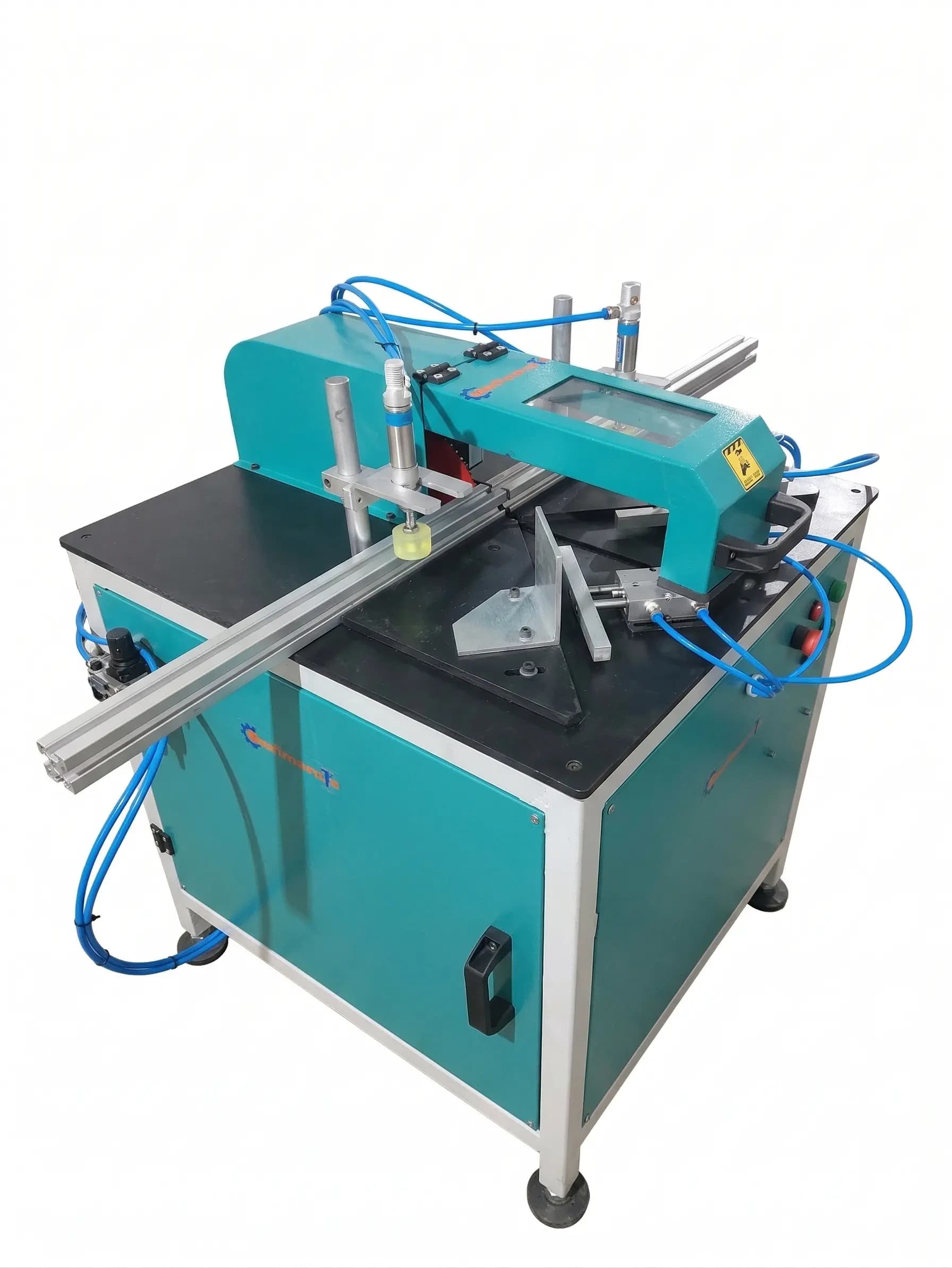
In our Pune facility near the Bhosari industrial belt, we recently optimized a fabrication line for a client moving from small individual villas to a 500-unit residential township project. Initially, the workshop used a standard aluminium cutter machine 12 inch and manual punching setups. The scrap rate was nearly 12% due to manual measurement errors, and the output was capped at 15-18 frames per 8-hour shift. We implemented a transition strategy over six weeks that replaced the manual saw with a 45 degree double head cutting machine and an integrated automatic aluminium corner crimping machine price analysis to justify the ROI.
After six weeks of testing three different configurations, the results were measurable: cutting waste dropped from 12% to 3.2% through optimized nesting software, and production jumped to 62 frames per day with the same labor count. The engineering reasoning is simple: the automatic double head cutting saw for aluminium profiles allows for simultaneous cutting of both ends of a profile, eliminating the second measurement step and ensuring the miter joints are perfectly parallel. For Pune's high-rise projects, where wind load is a factor, the structural integrity of a precise 45-degree joint is non-negotiable.
Technical Specifications: What High-Volume Fabrication Demands
When evaluating aluminium window fabrication machine suppliers Pune, you must look past the sales pitch and focus on the technical data sheets. For high-volume residential work, your aluminum cutting machine must meet specific mechanical thresholds. We recommend blades with a diameter of at least 500mm to 550mm to handle wider thermal break sections and multi-track sliding profiles common in Pune's luxury apartments. Motor power should be no less than 2.2kW per head, running at 2800-3200 RPM to ensure clean cuts without burrs that require manual filing.
- Blade Feed Speed: Look for hydraulic-pneumatic damping systems that provide a smooth, consistent feed rate. Jerky movements in cheap machines lead to 'chatter' marks on the aluminium surface.
- Clamping Force: Ensure the aluminium profile punching machine and saws use vertical and horizontal pneumatic clamps with at least 6-8 bar pressure to prevent profile rotation during processing.
- Tolerance Standards: Your machinery must maintain a length tolerance of ±0.1mm and an angle tolerance of ±0.1° to meet BS EN 12020 or ISO 9001 standards.
- Cooling Systems: Automatic micro-drop lubrication is essential for high-volume work to extend blade life and prevent the aluminium from melting and sticking to the carbide tips.
Optimizing the Production Flow with Precision Engineering
A common mistake among Pune fabricators is investing heavily in a upvc windows manufacturing machine but neglecting the routing and punching phases. To maintain high-volume output, your copy router machine must be capable of high-speed spindle rotation (at least 12,000 RPM) to handle handle-holes and drainage slots without deforming the thin walls of the profiles. In our testing, using a triple-hole drill attachment on the copy router reduced the processing time per sash by 4 minutes compared to using a single-bit manual drill.
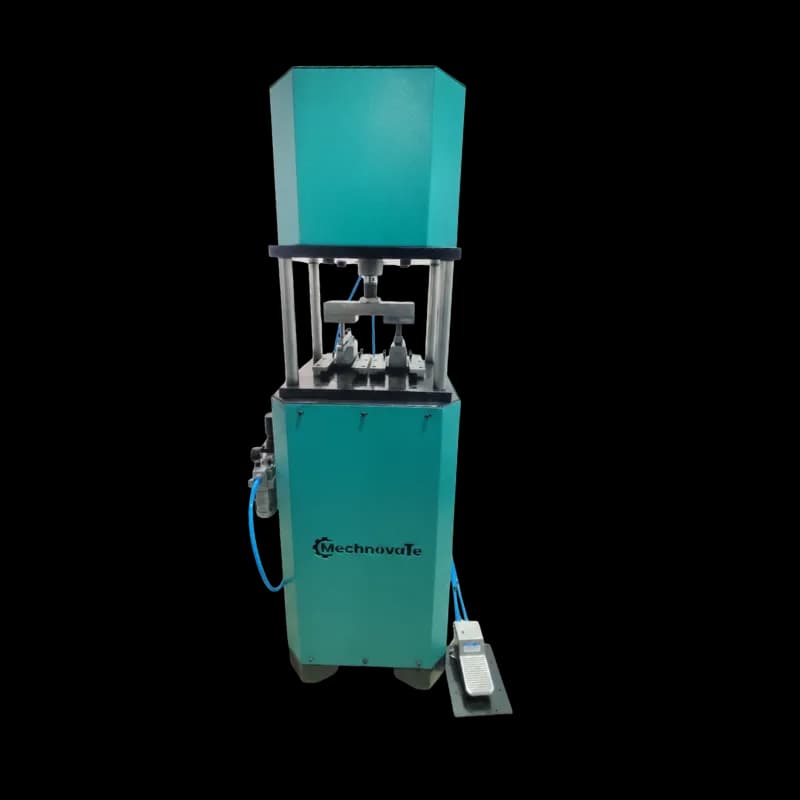
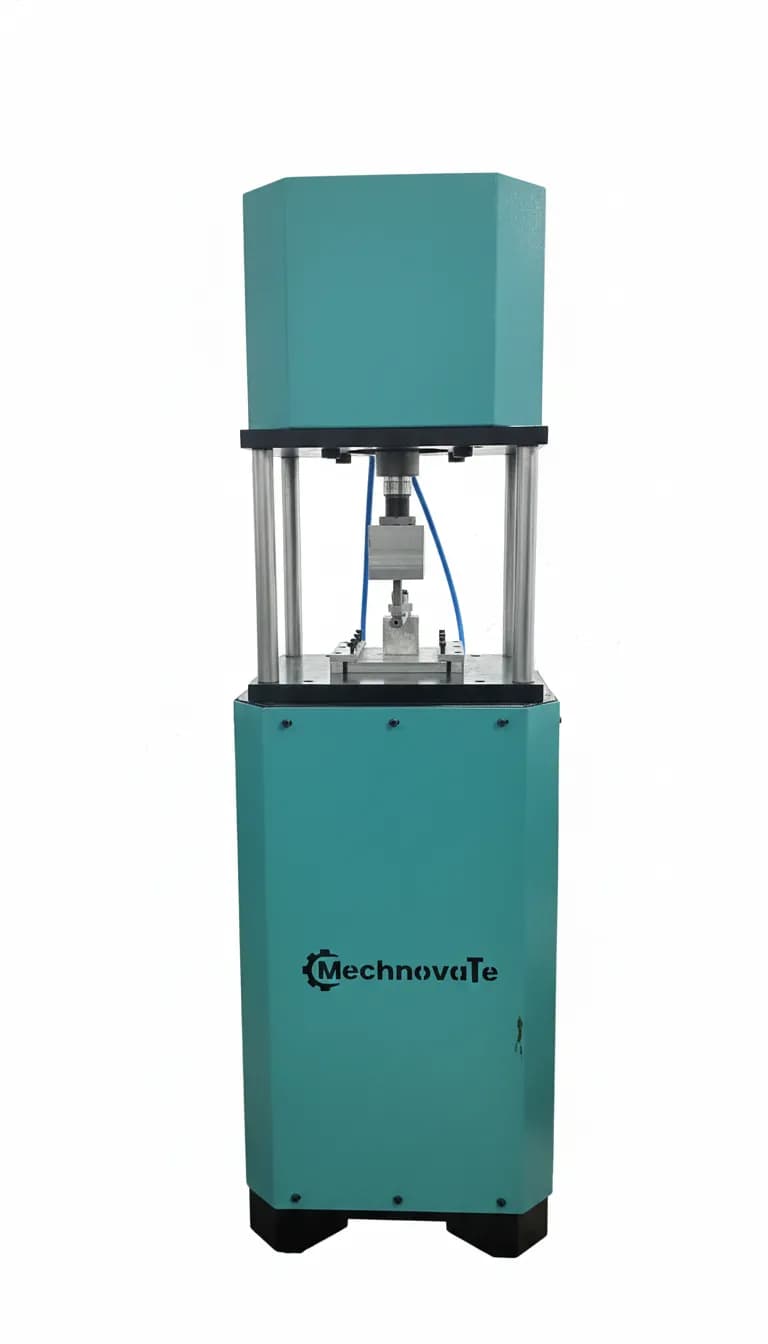
When considering upvc window manufacturing machinery, ensure the welding machines—if you are also doing hybrid uPVC/Aluminium projects—feature 0.2mm seamless welding technology. For pure aluminium lines, the aluminium window corner crimping machine price should be weighed against the structural requirements of the project. A heavy-duty hydraulic crimper with a 20kN to 30kN force ensures that the corners of large balcony doors (often 2.4m+ in height) do not sag over time, which is a frequent complaint in Pune's newer high-rise developments.
Common Procurement Mistakes and How to Avoid Them
- Ignoring Local Service Support: Never buy an aluminium cutting machine 12 inch or a CNC line from a supplier without a dedicated service center in Maharashtra. Downtime in a high-volume workshop costs thousands of rupees per hour.
- Over-specifying for Startups: While a CNC aluminium profile cutting machine suppliers India offer advanced features, a startup might achieve better ROI with a semi-automatic line focused on the double head miter saw for aluminium profiles price.
- Underestimating Air Requirements: Most high-volume machines require 600-1000 liters per minute of compressed air. Using an undersized compressor will lead to inconsistent clamping and failed cuts.
- Skipping the Dust Extraction: Aluminium chips are abrasive and can ruin the linear bearings of your head cutting machine. Always integrate a high-suction industrial vacuum system.
Evaluating Aluminium Window Fabrication Machine Suppliers in Pune
To find the best aluminium window fabrication machine suppliers Pune, you must conduct a factory visit or a live demo. Request a test cut on your specific profile—don't rely on the supplier's easy-to-cut demo profiles. Check the quality of the pneumatic components; brands like Festo or Airtac are preferred for longevity in the dusty environments of many Pune industrial areas. Ask for a reference list of existing clients in the Pimpri-Chinchwad area to verify their after-sales response time.
- Check for CE or ISO certification of the machinery.
- Verify the availability of aluminium cutter machine price lists that include installation and training.
- Ensure the upvc window manufacturing machines or aluminium saws come with a minimum 12-month warranty on electronics and 24 months on mechanical components.
- Confirm the supplier provides a detailed upvc window welding machine maintenance guide or equivalent for aluminium equipment.
FAQ: Critical Questions for Pune Fabricators
Q1: What is the ideal machine set for a mid-sized Pune workshop doing 30 windows/day? A: You need an automatic double head cutting saw for aluminium profiles, a heavy-duty copy router machine, a multi-station aluminium punching machine, and a hydraulic corner crimper. This setup minimizes manual handling and ensures architectural tolerances are met.
Q2: How does Pune's humidity affect aluminium window machinery? A: Pune's monsoon season can lead to moisture in pneumatic lines, causing solenoid valves to stick. Always install an integrated air dryer and water separator between your compressor and your upvc window manufacturing machine or aluminium line.
Q3: Is it worth investing in a CNC cutting line for residential projects? A: Only if your volume exceeds 100 windows per day or you are dealing with complex curtain walling. For most high-volume residential projects in Pune, semi-automatic machines with digital readouts offer the best balance of aluminium cutting machine price and production efficiency.
Q4: What is the difference between a 12-inch and a 20-inch blade for aluminium cutters? A: A 12-inch blade is suitable for small window profiles and fly screens. However, for high-volume residential projects using heavy sliding series (like 35mm or 45mm tracks), a 20-inch (500mm) blade is necessary to provide the cutting depth required for a 45-degree miter cut in a single pass.
Get more articles like this
Follow Mechnovate on Google to see our guides in Google Discover & News