Scaling Production for Chennai High-Rises: Aluminium Machinery Guide
To meet the aggressive timelines of Chennai high-rise developments along OMR and GST Road, fabricators must transition from manual operations to high-throughput, precision-engineered production lines. At Mechnovate, we have observed that the bottleneck in most Chennai facilities isn't the labor count, but the lack of synchronization between cutting and crimping speeds. When scaling for a 20-story project, the tolerance for error drops to zero; a 1mm deviation at the base becomes a structural nightmare at the penthouse level. This guide outlines the technical transition required to become one of the best aluminium window machinery suppliers in Chennai and a leader in high-capacity fabrication.
The High-Rise Imperative: Precision Engineering and Scaling
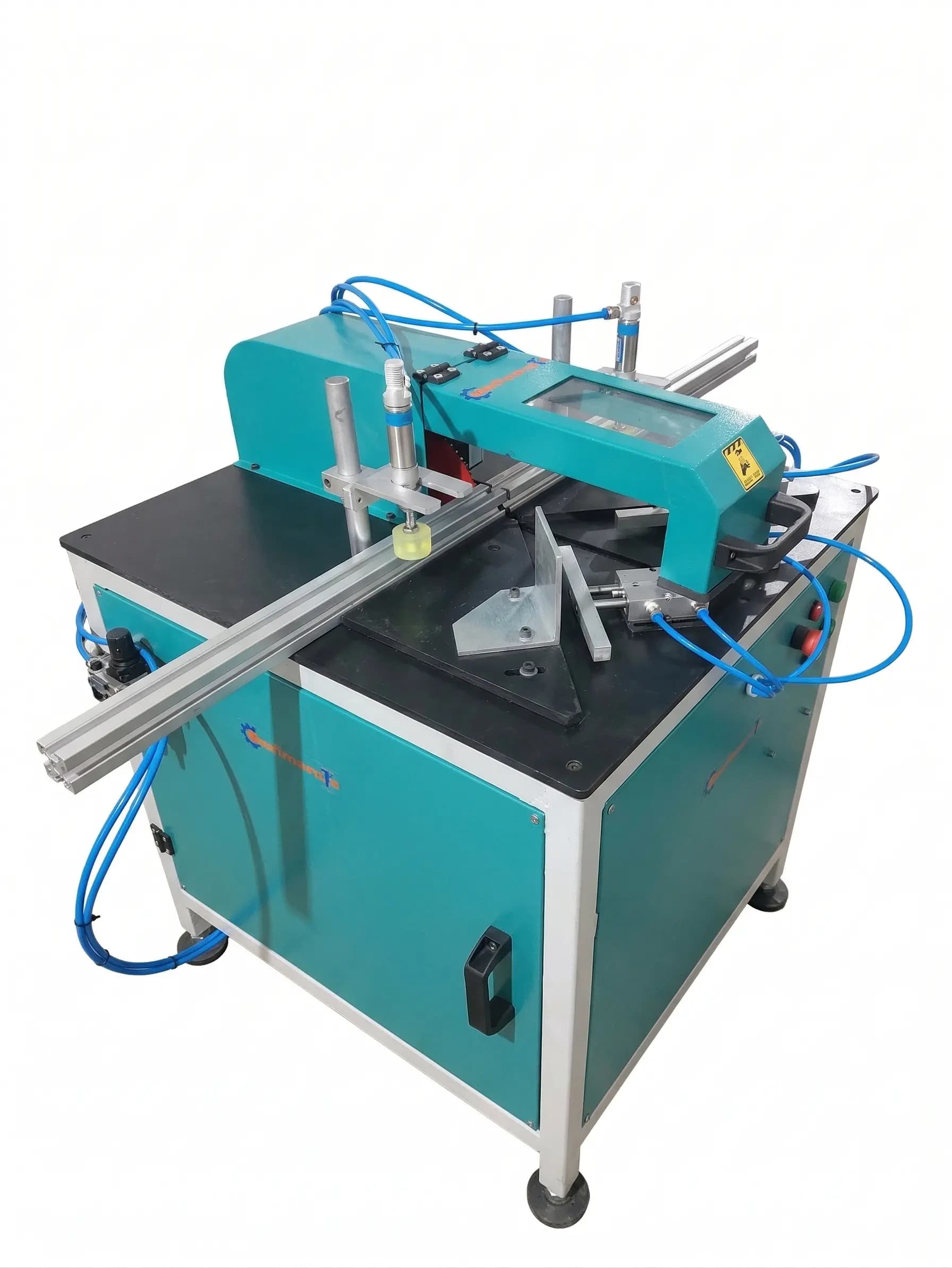
Fabricating windows for Chennai's skyline requires adherence to ISO standards and wind-load resilience that traditional manual methods cannot provide. For projects exceeding 50 meters in height, the atmospheric pressure and coastal wind gusts necessitate heavy-duty profiles. To process these, a standard Aluminium Cutting Machine is often insufficient. You require a system capable of handling T6 temper profiles with wall thicknesses exceeding 2.5mm without blade deflection.
In our internal testing at Mechnovate, we analyzed a production shift in a Chennai-based facility. By replacing manual miter saws with an Automatic Double Head Cutting Saw, the facility increased output from 22 units per shift to 68 units. More importantly, the rework rate due to out-of-square frames dropped from 9% to 0.4%. This is the level of precision engineering required to satisfy tier-1 developers in the Chennai market.
Essential Aluminium Window Machinery for High-Volume Production
To effectively scale, your floor plan must be anchored by high-speed, automated equipment. The following machinery represents the core of a modern industrial aluminum door manufacturing equipment lineup:
- Automatic Double Head Cutting Saw: This is the heart of your plant. Look for machines with 500mm carbide-tipped blades and a minimum 3.0 kW motor. The ability to toggle between 45 and 90 degrees automatically via PLC control is non-negotiable for high-rise projects.
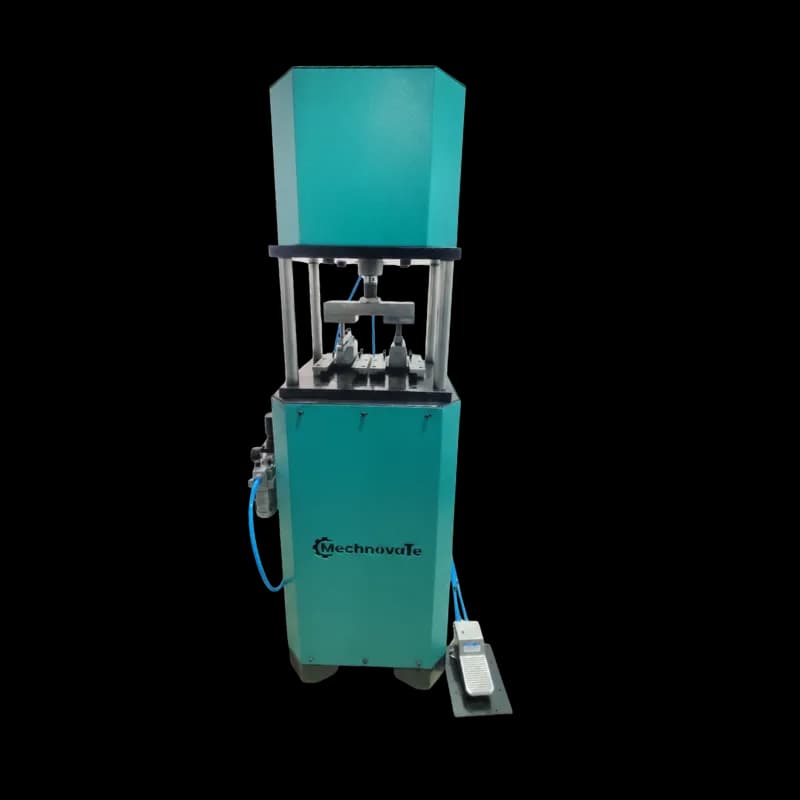
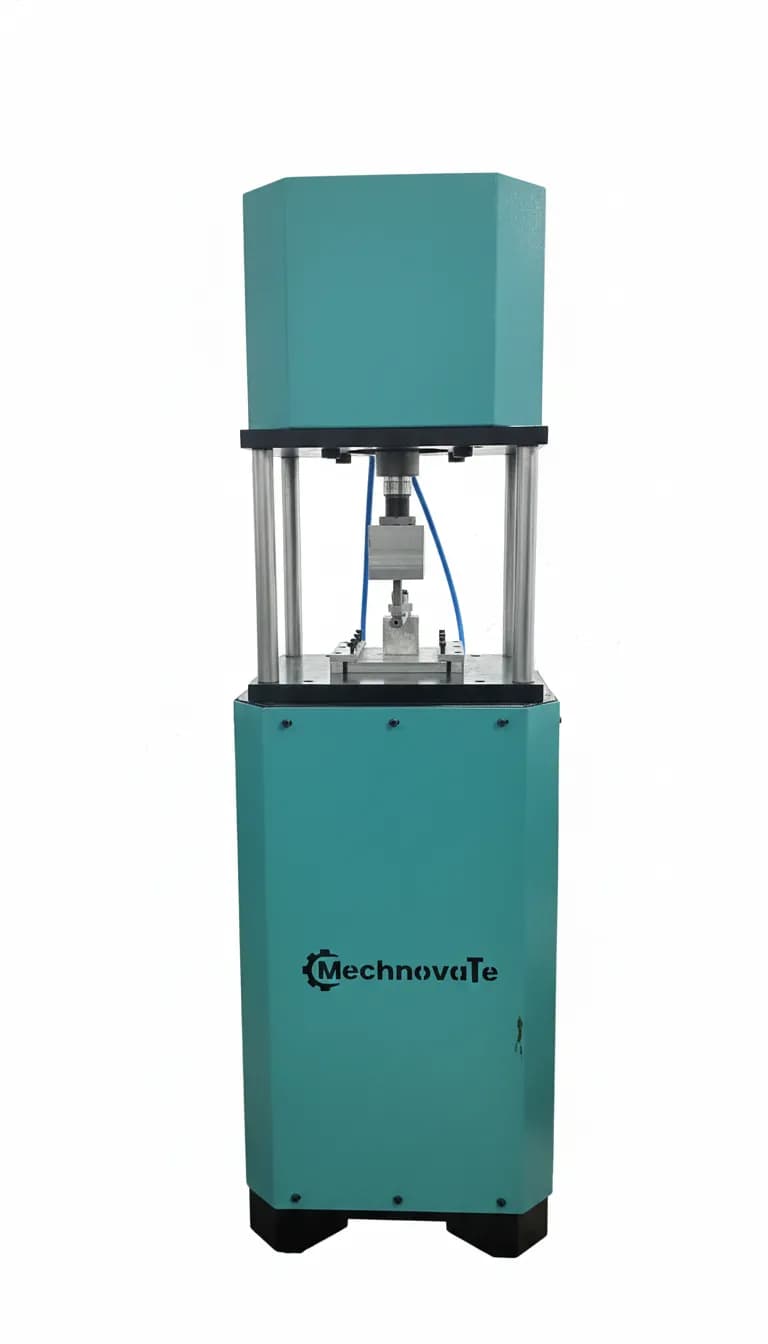
- Heavy Duty Corner Crimping Machine: High-rise windows require mechanical strength. A Corner Crimping Machine with a 20kN hydraulic press ensures that the joints can withstand the structural vibrations of high-altitude installations.
- CNC Copy Router: For hardware slotting and drainage holes, a high-speed copy router for aluminium windows prevents the micro-fractures associated with manual drilling, which can lead to stress failure under wind loads.
- End Milling Machine: Necessary for processing the mullions and transoms. A machine with adjustable blades allows for multi-profile processing without frequent downtime for tool changes.
Case Study: Optimizing a 100-Unit/Day Line in Chennai
Last year, we consulted for a fabrication unit in Ambattur that was struggling to meet a 3,000-window order for a residential township. Their primary issue was the 'manual punch bottleneck.' Their workers were using a manual punching machine for 12 hours a day, leading to fatigue and inconsistent slot alignment.
We implemented a two-stage upgrade:
- Stage 1: Installed an Aluminium Profile Punching Machine integrated with a pneumatic foot valve. This reduced the slotting time per profile from 45 seconds to 6 seconds.
- Stage 2: Synchronized the feed rate of their Aluminium Cutter Machine 12 Inch secondary line with a digital measuring scale.
The results were measurable: total cutting waste was reduced from 12% to 3.5%, saving the client approximately ₹4.2 Lakhs in raw material costs in the first quarter alone. For any business looking at the aluminium cutting machine price, the ROI is usually realized within 8 months of high-volume production.
Selecting the Best Aluminium Window Machinery Suppliers in Chennai
When evaluating suppliers, do not merely look at the upvc machine price list or the sticker price of a head cutter machine. In Chennai's humid, saline environment, the build quality of the machine frame is paramount. Cast iron beds are preferable to welded steel frames as they absorb more vibration and resist the corrosive coastal air better.
Furthermore, verify the availability of a uPVC window machine service center in Tamil Nadu. Even the best CNC uPVC window fabrication machine will require calibration after processing 5,000 units. A supplier that cannot provide onsite technician support within 24 hours will cost you more in downtime than you saved on the initial purchase price. Ensure your supplier adheres to industrial profile cutting safety standards and provides ISO-certified equipment.
Common Pitfalls in Aluminium and uPVC Fabrication
Many startups mistakenly believe they can use a upvc windows making machine interchangeably for heavy aluminium profiles. This is a critical error. While some uPVC Machinery shares logic with aluminium tools, the torque requirements for aluminium are significantly higher.
What to Watch Out For:
- Blade Cooling: Aluminium generates intense heat during cutting. Ensure your aluminium profile cutting machine has an integrated micro-mist cooling system. Without it, the aluminium will weld itself to the blade teeth, causing 'burrs' and inaccurate cuts.
- Pneumatic Pressure: Most automatic double head cutting machines require a stable 8-bar pressure. Inexpensive compressors will fluctuate, leading to loose clamping and dangerous 'kickbacks' during a 45-degree cut.
- Software Integration: For high-rise projects, using a CNC aluminium profile cutting machine that can import CSV files from window design software (like WinPro or Orgadata) eliminates manual entry errors.
FAQ: Fabricator Concerns for the Chennai Market
Q: What is the cost of setting up a uPVC window manufacturing unit in India vs an aluminium line? An entry-level uPVC line, including a uPVC Welding Machine and uPVC Cutting Machine, typically starts at ₹8-12 Lakhs. A professional aluminium line for high-rise projects starts higher, around ₹15-25 Lakhs, due to the hydraulic requirements and higher precision of corner crimpers.
Q: Can I use a single head cutting machine for high-rise projects? While a single head cutter is precise, it requires manual flipping of the profile for miter cuts. This doubles the handling time and increases the risk of surface scratches on powder-coated profiles. For scaling, an automatic double head cutting saw is the industry standard.
Q: How do I maintain machinery in Chennai's humid climate? Use high-grade lithium grease for all linear guide rails and ensure your air dryer is functioning. Moisture in the pneumatic lines is the number one cause of solenoid valve failure in Tamil Nadu fabrication units.
Get more articles like this
Follow Mechnovate on Google to see our guides in Google Discover & News