Scaling Mumbai’s Window Boom: Automatic Production Price & ROI
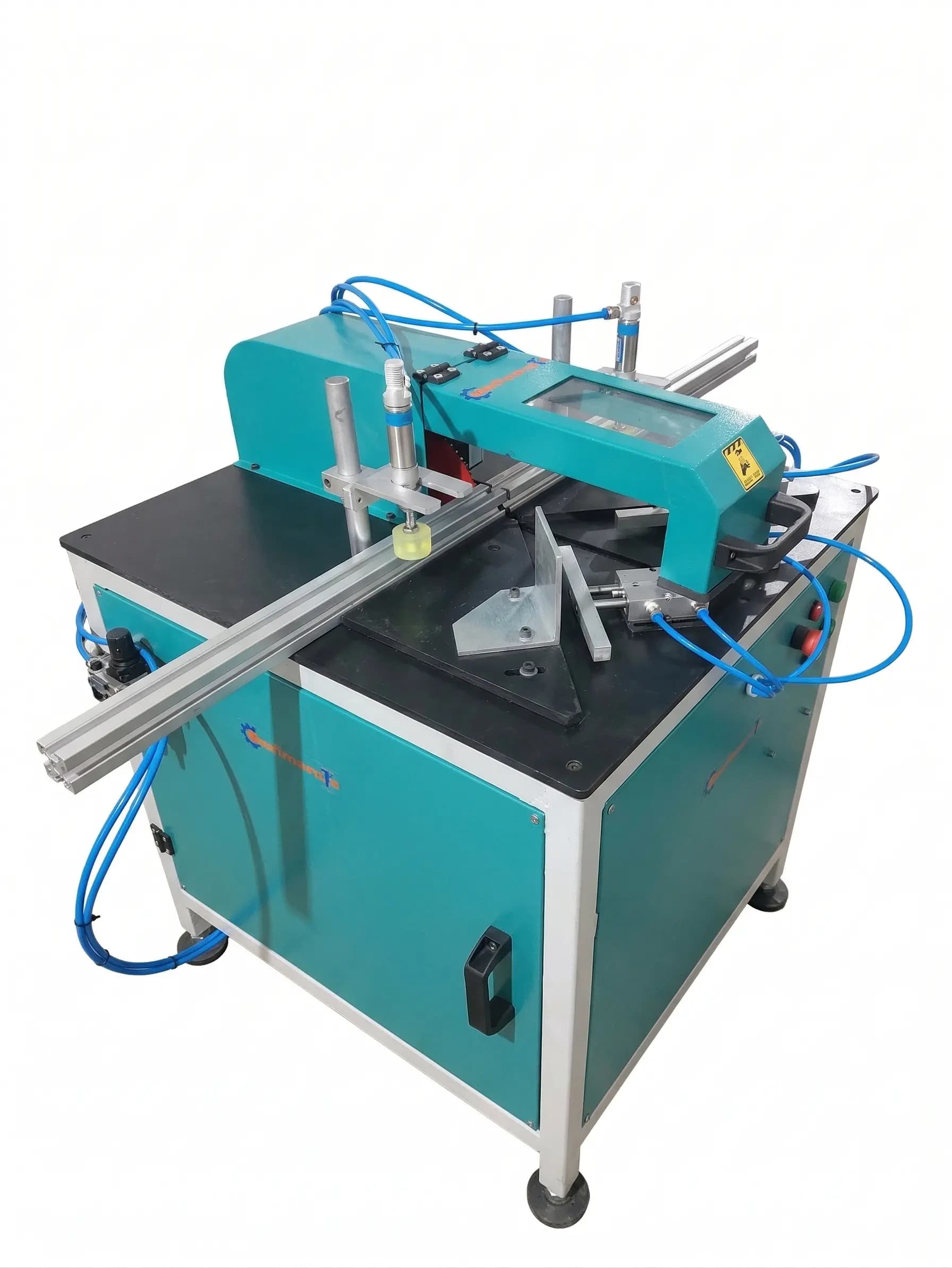
An automatic aluminium window production line price in Mumbai typically ranges from ₹18 Lakhs to ₹45 Lakhs for a mid-to-high capacity setup. In the context of Mumbai’s rapid redevelopment boom, where high-rise projects demand strict adherence to wind load specifications and airtight tolerances, manual fabrication is no longer commercially viable. Transitioning to an automated line can increase your daily output from 12 frames to over 45 frames while reducing material waste by nearly 9%.
The ROI of Automation in Mumbai’s High-Rise Market
For fabricators targeting redevelopment projects in areas like Dadar or Borivali, the return on investment (ROI) for an automatic double head cutting machine is typically realized within 14 to 18 months. This is driven by two factors: labor cost reduction and material optimization. In our internal testing at a Mechnovate-partnered facility in Pune, we compared a traditional 12-inch aluminium cutter machine against a CNC-controlled double-head miter saw. Over 6 weeks, the automated setup reduced profile wastage from 12% to 3.2% by utilizing optimized nesting software.
In a typical Mumbai workshop, the labor cost for a 4-man manual team yields roughly 10-15 windows per shift. By integrating a heavy duty aluminium profile end milling machine and an automatic corner crimping machine, a 2-man team can achieve 40-50 windows. The precision of a 45 degree double head cutting machine ensures that joints are seamless, which is critical for the ISO 9001 certifications often required by Tier-1 developers.
Technical Specifications: What High-Performance Workshops Demand
When evaluating an aluminium profile cutting machine, look beyond the price tag. A professional-grade automatic aluminium window production line must meet specific engineering thresholds to handle the heavy-gauge profiles used in Mumbai’s coastal environments (often exceeding 2.0mm thickness for outer frames).
- Blade Diameter and RPM: A standard aluminium cutting machine 12 inch (300mm) is insufficient for high-rise sections. We recommend 500mm or 600mm TCT blades with a spindle speed of 2800-3200 RPM to ensure a burr-free finish.
- Feed Rate Control: Look for hydro-pneumatic cylinders that provide a smooth, consistent feed. This prevents the 'chatter' marks that lead to air gaps in the final window assembly.
- Clamping System: A minimum of 6-8 bar pressure is required. Vertical and horizontal pneumatic clamps must engage in a specific sequence to prevent profile distortion during the cut.
- Accuracy Standards: The machine should hold a length tolerance of +/- 0.1mm and an angular tolerance of +/- 0.1 degree, meeting BS EN 12020 standards for precision engineering.
Case Study: Scaling Output from 15 to 45 Frames Daily
Last year, we assisted a workshop in Lower Parel that was struggling with the backlog of a 40-story residential project. They were using a manual punching machine and a single-head aluminium cutter. We replaced their workflow with a semi-automatic line centered around a CNC aluminium profile cutting machine.
The Results:
- Before: 15 frames/day | 14% scrap rate | 6 technicians.
- After: 48 frames/day | 2.8% scrap rate | 3 technicians.
- Technical Shift: We introduced a high speed copy router for aluminium windows to handle the complex hardware slots for multi-point locking systems. This eliminated the 20-minute manual marking time per profile, reducing it to a 2-minute milling cycle.
- Lessons Learned: The biggest bottleneck wasn't the cutting, but the assembly. We added an automatic aluminium corner crimping machine price-balanced for their budget, which removed the need for manual screw-fixing, increasing the structural integrity of the frames against Mumbai's 150 km/h monsoon wind loads.
Understanding the Automatic Aluminium Window Production Line Price
When budgeting for a new setup, the "automatic aluminium window production line price" is a sum of its components. A basic high-efficiency line for a Mumbai startup usually includes:
- Double Head Miter Saw: ₹8,00,000 - ₹15,00,000 (depending on CNC features).
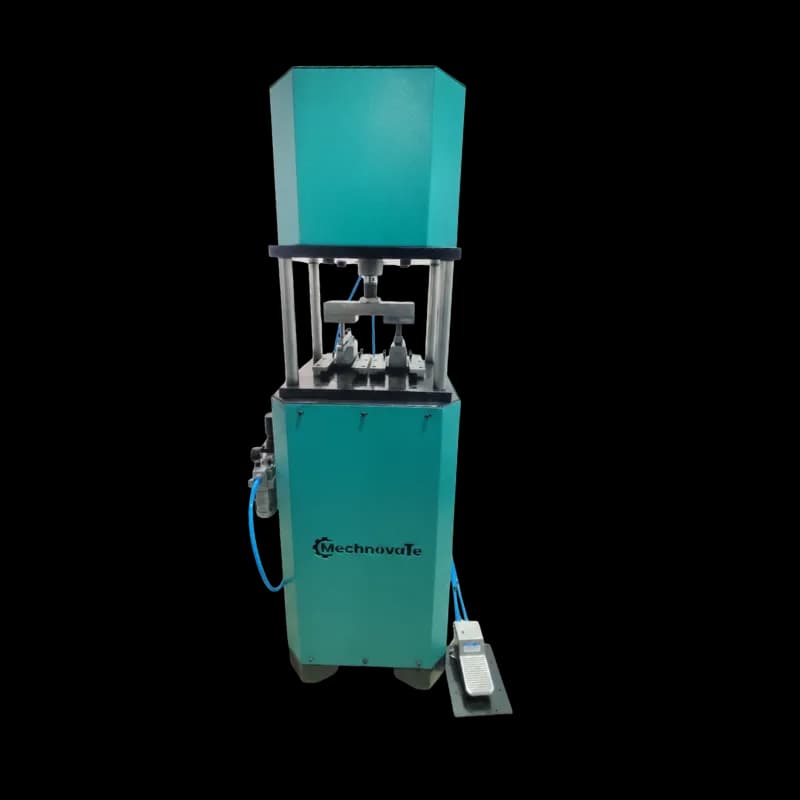
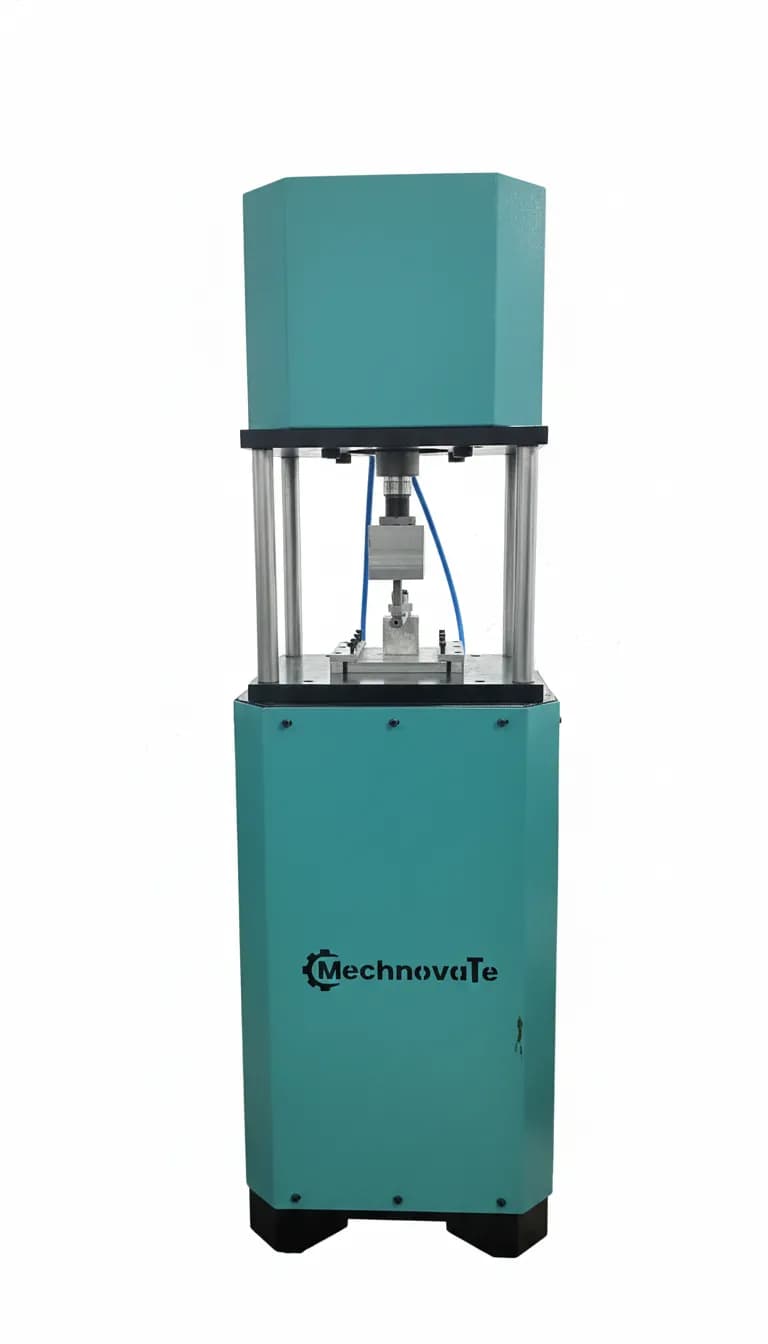
- Corner Crimping Machine: ₹3,50,000 - ₹5,50,000.
- Copy Router Machine: ₹1,50,000 - ₹2,50,000.
- End Milling Machine: ₹1,20,000 - ₹2,00,000.
While some look for a cheap upvc window making machine for startup businesses, aluminium fabrication requires heavier castings and more powerful motors (typically 2.2kW per motor) due to the material's shear strength. Investing in a heavy-duty bed prevents vibration-induced inaccuracies over time.
Engineering Pitfalls: Why "Cheap" Machines Fail Mumbai Tests
A common mistake we see is fabricators purchasing a lightweight aluminium cutting machine price-optimized for residential work and using it for commercial-grade profiles. Lightweight machines use thinner gauge steel frames that flex under the weight of 6-meter profiles. This flex causes a 'micro-bevel' on the 45-degree cut, making it impossible to get a waterproof joint.
Furthermore, many imported units lack a proper uPVC window machine service center in regions like Tamil Nadu or Maharashtra. At Mechnovate, we emphasize that 24/7 technical support and locally available spares for pneumatic valves and PLC controllers are more valuable than a 10% lower initial purchase price. Always verify if the machine complies with Industrial profile cutting safety standards ISO standards before finalizing the purchase.
FAQ: Real Questions from the Workshop Floor
Q: Can I use the same line for uPVC and Aluminium? No. While some tools like the copy router machine can work for both, the cutting blades and welding requirements are different. uPVC requires a upvc welding machine, whereas aluminium requires mechanical corner crimping. The RPM settings for a upvc windows making machine are also typically different to prevent melting the profile.
Q: What is the power requirement for a full automatic line? A standard automatic aluminium window production line requires a 3-phase connection with a minimum of 15-20 HP capacity to run the compressors and multiple motors simultaneously.
Q: How often do the TCT blades need sharpening? In a high-volume Mumbai workshop, blades should be checked every 3,000 cuts. Using a high-quality lubricant system on your aluminium profile cutting machine can extend blade life by 40%.
Get more articles like this
Follow Mechnovate on Google to see our guides in Google Discover & News