Scaling Kanpur's Fabrication Units: Best uPVC Window Making Machine
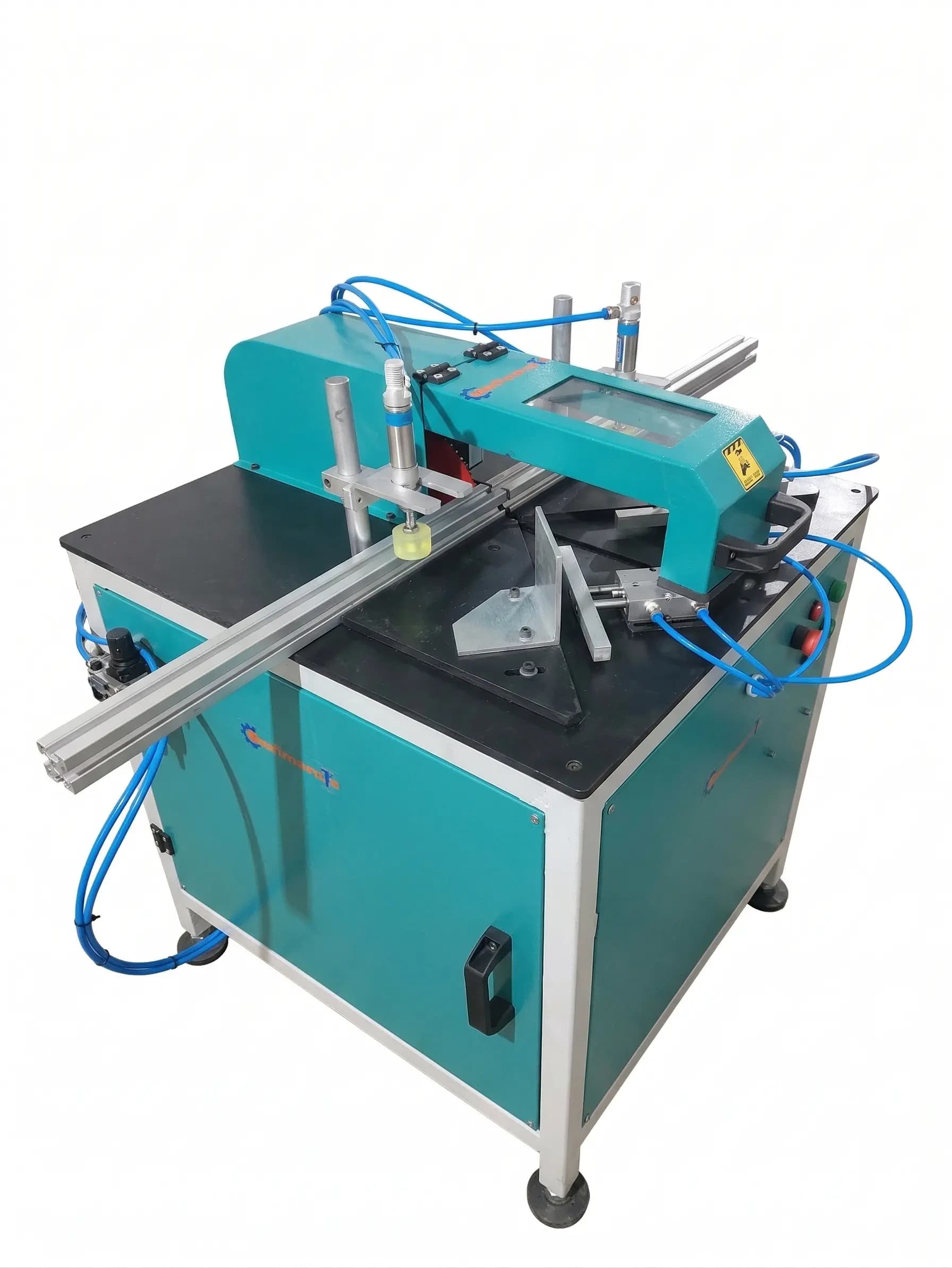
For small business owners in Kanpur industrial areas like Panki, Dada Nagar, and Fazalganj, the best uPVC window making machine to initiate or scale operations is a precision-engineered Single Head Cutting Machine with a 450mm TCT blade. This specific configuration provides the critical 0.2mm tolerance needed to pass high-end residential inspections while maintaining an affordable entry point for startups. Unlike basic portable units, industrial-grade machinery ensures that the 45-degree miter joints are airtight, which is essential for the thermal insulation properties that modern Kanpur homeowners demand. By focusing on a setup that includes a 2.2kW welding unit and a high-speed copy router, fabricators can achieve a production rate of 35-40 frames per shift with minimal manual intervention.
Engineering Case Study: The 6-Week Transition in a Kanpur Workshop
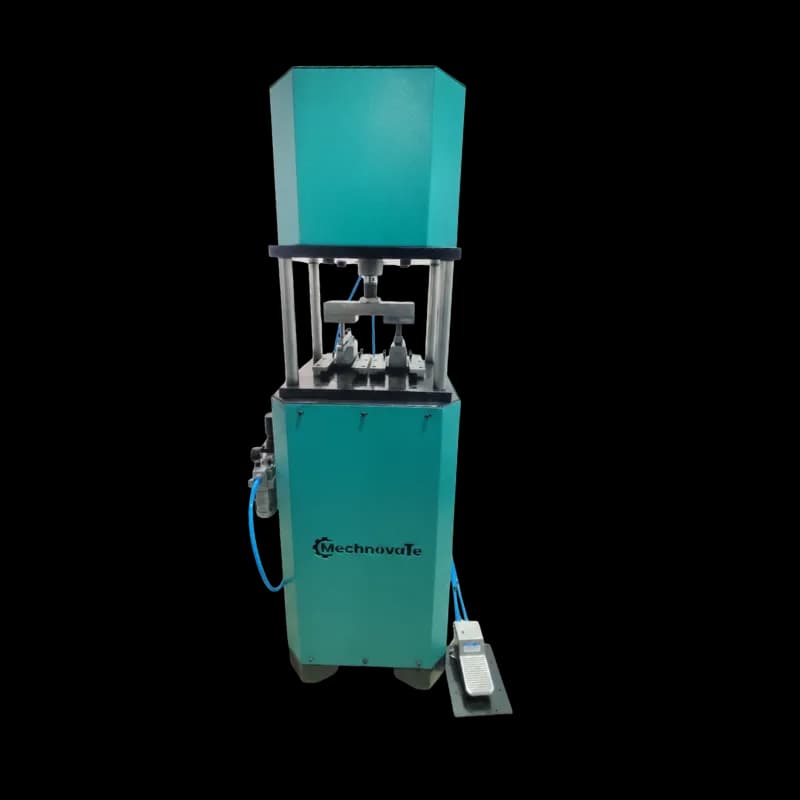
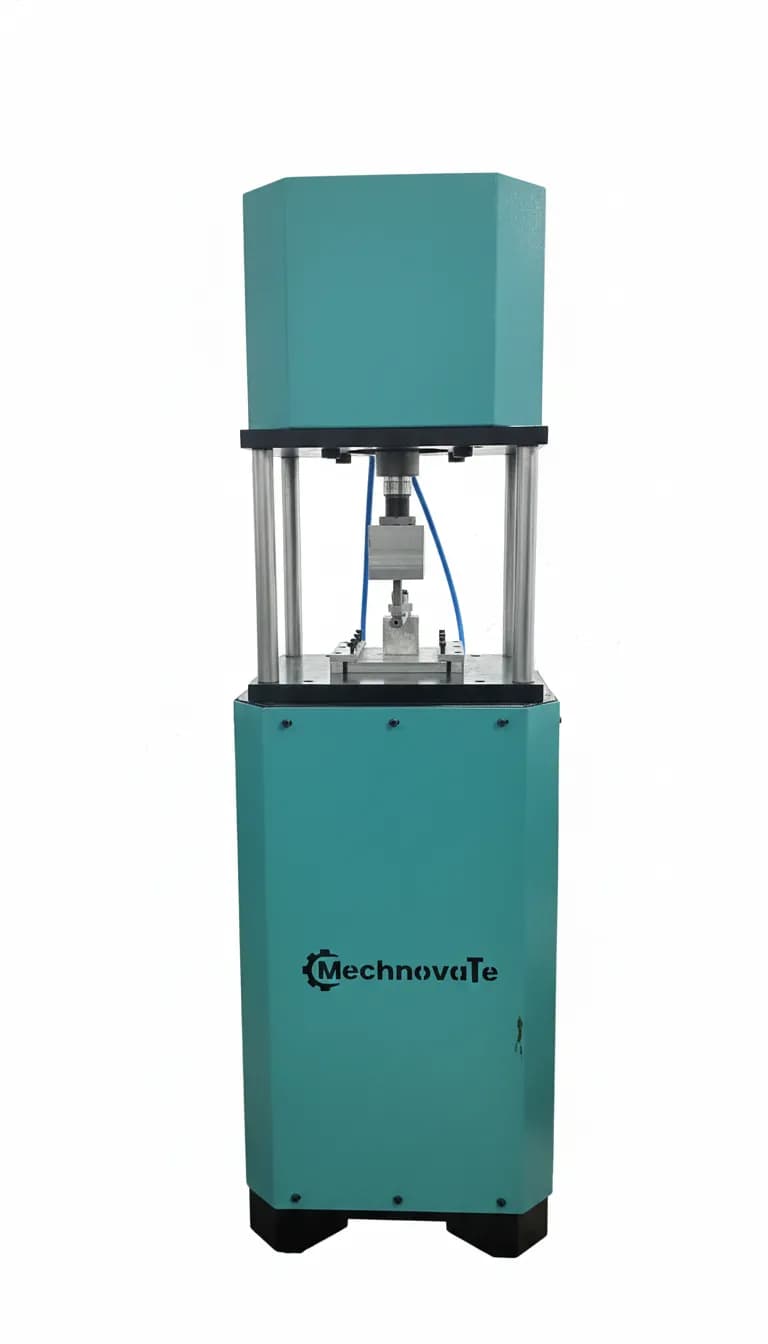
In our extensive work across Uttar Pradesh, we recently consulted for a mid-sized unit in Panki that was operating with outdated manual aluminum cutting machine 12 inch setups. They were experiencing a high failure rate in their welding process, with nearly 12% of frames rejected due to poor corner fusion and misaligned profiles. We implemented a systematic upgrade to their uPVC window manufacturing machine line, replacing their manual hand-tools with a uPVC Welding Machine featuring a digital temperature controller and a heavy-duty frame.
Our step-by-step process involved first stabilizing the workshop's pneumatic supply. Most fabricators ignore that a upvc windows making machine requires a constant 0.6 to 0.8 MPa of pressure to clamp profiles securely. By installing a 500-liter air receiver and a moisture separator, we ensured the pneumatic valves in the new Copy Router Machine operated without stuttering. Over the subsequent 6 weeks, the results were definitive: cutting waste was reduced from 12% to a mere 3.2%, and total output increased from 10 frames per day to a consistent 45 frames. This transformation highlights why choosing the right uPVC window manufacturing machinery is a capital investment that pays for itself through material savings alone.
Technical Specifications and ISO Standards for Small Businesses
When searching for a upvc machine price list, it is easy to get distracted by low-cost options that lack structural integrity. As an engineer with 15 years in the field, I look for specific technical markers that define a quality machine. The base of an aluminium profile cutting machine must be cast iron or heavy-gauge stress-relieved steel to dampen the high-frequency vibrations of a 2800 RPM motor. If the machine vibrates, your 'mirror finish' cut is lost, leading to weak welds that will eventually crack under wind load as per IS 1285 standards.
Key specifications to demand from your upvc windows machine supplier include:
- Motor Rating: A minimum of 1.5kW to 2.2kW induction motor for the main cutter to handle multi-chambered 2.5mm wall-thickness profiles.
- Blade Geometry: TCT (Tungsten Carbide Tipped) blades with a high tooth count (usually 100-120 teeth) specifically ground for uPVC and aluminum window fabrication machinery.
- Welding Tolerance: The welder must have a seamless technology option or a 0.2mm knife-limitation system to ensure the weld bead is uniform and easily cleaned by a CNC uPVC window corner cleaning machine.
- Safety Protocols: All machinery must meet industrial profile cutting safety standards ISO standards, including emergency stop buttons, blade guards, and two-hand safety operation controls for pneumatic clamps.
Selecting the Best uPVC Window Making Machine for Startup Businesses
For a startup in Kanpur or nearby Lucknow, the initial equipment choice determines your long-term viability in the competitive upvc window manufacturing industry. While a fully automatic double head cutting machine price India can be high, a semi-automatic single-head setup is often the smarter move. It allows you to master the precision engineering of the product before scaling to a CNC-controlled line. Your core plant should consist of an aluminum cutting machine price-balanced with a high-speed copy router and a single-point welder.
In the harsh climate of North India, where temperatures swing from 5°C to 48°C, the thermal expansion of uPVC profiles is a significant factor. Your upvc window manufacturing machines must be capable of processing profiles with high precision so that the steel reinforcement can be inserted and screwed accurately. A manual punching machine or an aluminium punching machine is also a vital addition for processing the drainage slots and lock-hole mechanisms without damaging the structural integrity of the outer frame.
Common Mistakes to Avoid When Setting Up Your Fabrication Unit
One of the most frequent errors I see in workshops from Ahmedabad to Kolkata is the use of wood-working tools for uPVC fabrication. A wood-cutting saw does not have the stabilization required for a 45-degree miter cut in a hollow profile. This leads to gaps in the joint that even the best upvc welding machine cannot fix. Furthermore, ignoring the importance of an end milling machine for the transom profiles results in weak 'T-joints' that fail when the glass load is applied.
Another mistake is neglecting the air quality. If your automatic upvc window plant cost India-wide investment does not include a refrigerated air dryer, moisture will enter the pneumatic cylinders. This causes the clamps to slip during the cut, ruining expensive profiles and creating safety hazards. Always ensure your setup includes a heavy-duty aluminium profile end milling machine and a copy router with a 12,000 RPM spindle speed for clean, professional results.
The Financials: Cost of Setting Up uPVC Window Manufacturing Unit in India
Building a profitable unit requires a clear understanding of the automatic aluminium window production line price versus manual options. For a small business in Kanpur, an investment of ₹5 to ₹8 Lakhs can secure a professional-grade semi-automatic line. This includes the Single Head Cutting Machine, a single-head welder, a copy router, and an end-milling machine. This setup can produce roughly 30-40 windows per day, allowing for a break-even point within 12 to 18 months depending on local project volumes.
For those looking to scale further, the automatic double head cutting saw for aluminium profiles is the next logical step. This machine allows you to cut both ends of a profile simultaneously, doubling your output while maintaining a tolerance level that is impossible with manual measurement. When comparing best upvc window machinery brands India, always prioritize those that offer local service centers and spare parts availability in Uttar Pradesh, as downtime is the biggest killer of profitability in fabrication.
FAQ: Essential Questions for Kanpur Fabricators
Q1: What is the power requirement for a standard uPVC window machine? Most industrial units require a 3-phase 415V supply to run the induction motors and heaters. However, for small workshops, many manufacturers provide single-phase 220V versions of the uPVC Welding Machine and cutting tools, though these may have slightly longer heating cycles.
Q2: How do I ensure my windows are waterproof? Waterproofing depends on two factors: the precision of your miter cut and the quality of the drainage slots. Using a high speed copy router for aluminium windows to mill 5mm x 30mm drainage slots at the correct height is critical. This ensures that water bypasses the inner chambers and exits the frame safely.
Q3: Can I process aluminium profiles on the same machines? Yes, an aluminium profile cutting machine is technically similar to a uPVC cutter, but the blade speed and lubrication requirements differ. For aluminium, you must use a mist-spray lubrication system and a blade with a different rake angle to prevent the metal from sticking to the teeth. If you plan to do both, ensure your upvc windows manufacturing machine is 'hybrid-ready'.
Q4: What is the typical lifespan of a uPVC window machine? With proper maintenance—such as daily cleaning of the weld plates and weekly lubrication of the linear guide rails—a high-quality machine from Mechnovate will last 10-15 years. The heating elements and blades are the only common consumables you will need to replace periodically.
Get more articles like this
Follow Mechnovate on Google to see our guides in Google Discover & News