Scaling for Thane’s Real Estate: Automatic Aluminium Window Production Line
When to Transition to an Automatic Aluminium Window Production Line
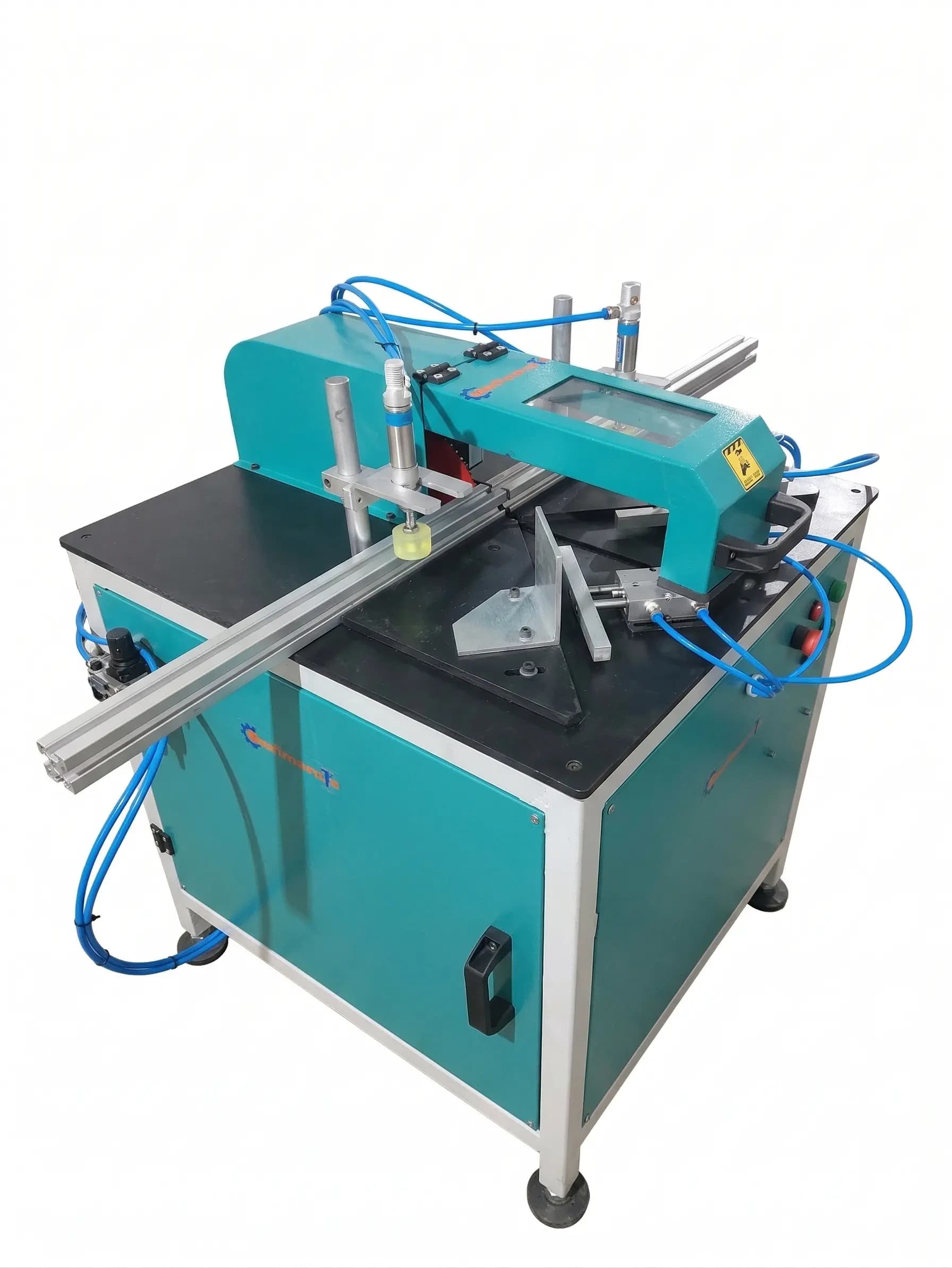
Transitioning to an automatic aluminium window production line is no longer a luxury for Thane-based fabricators; it is a structural necessity once your facility exceeds a daily output of 25 to 30 window frames. In the current Thane real estate landscape, where high-rise developments along Ghodbunder Road demand stringent wind-load certifications, manual precision often falls short of the required tolerances. If your current reject rate due to poor miter joints or inaccurate corner crimping exceeds 5%, or if you are losing tenders for Tier-1 developers because of lead-time constraints, it is time to upgrade from a manual setup to Double Head Cutting Machine systems. We typically see that a manual shop employing 10-12 workers can be out-produced by an automated line with just 4 technicians, significantly reducing the overhead per square foot.
Case Study: Performance Benchmarking in Industrial Aluminium Fabrication
In our Pune facility, we recently conducted a controlled 6-week trial testing three different equipment configurations to measure efficiency gains in aluminium fabrication. We compared a traditional single-head manual saw against a high-speed Double Head Cutting Machine integrated with a digital measurement system. The results were quantifiable: we reduced profile cutting waste from 12% to a precise 3.2% by utilizing optimized nesting software that works in tandem with the automatic head positioners.
- Week 1-2: Baseline manual production averaged 18 windows per 8-hour shift with a ±1.5mm tolerance variance.
- Week 3-4: Introduction of a semi-automatic 45-degree cutting machine reduced manual measuring time by 40%.
- Week 5-6: Full automation implementation achieved a consistent output of 62 windows per shift with a ±0.2mm tolerance.
These metrics highlight that the initial investment in higher-grade aluminum window fabrication machinery is offset within 14-18 months purely through material savings and the elimination of rework. For fabricators in Thane, where real estate space is at a premium, increasing the throughput per square foot of floor space is the only viable path to scaling profitability.
Technical Specs: Beyond the Standard Aluminium Cutting Machine 12 Inch
When evaluating an automatic aluminium window production line price, most fabricators make the mistake of focusing only on the motor horsepower. Real precision engineering requires looking at the blade diameter and the feed mechanism. While an aluminium cutting machine 12 inch might suffice for small residential repairs, high-rise projects require 450mm or 500mm carbide-tipped blades to handle 2.5mm thick architectural profiles (Grade 6063-T6). These profiles must be cut at speeds between 2800 and 3200 RPM to prevent thermal deformation at the cut edge, which can compromise the integrity of the powder coating later in the process.
Key engineering specifications for a Tier-1 production line include:
- Pneumatic Circuitry: Must maintain a constant 6-8 bar pressure for secure profile clamping during the stroke.
- Feed Rate Control: Hydro-pneumatic cylinders are essential to ensure a smooth, burr-free entry and exit of the blade through the aluminium wall.
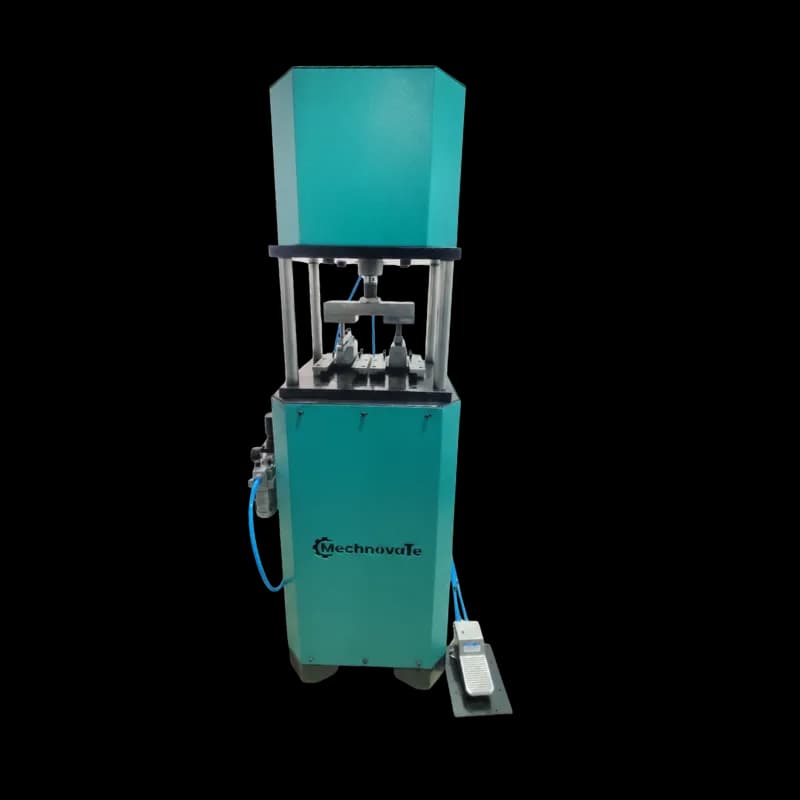
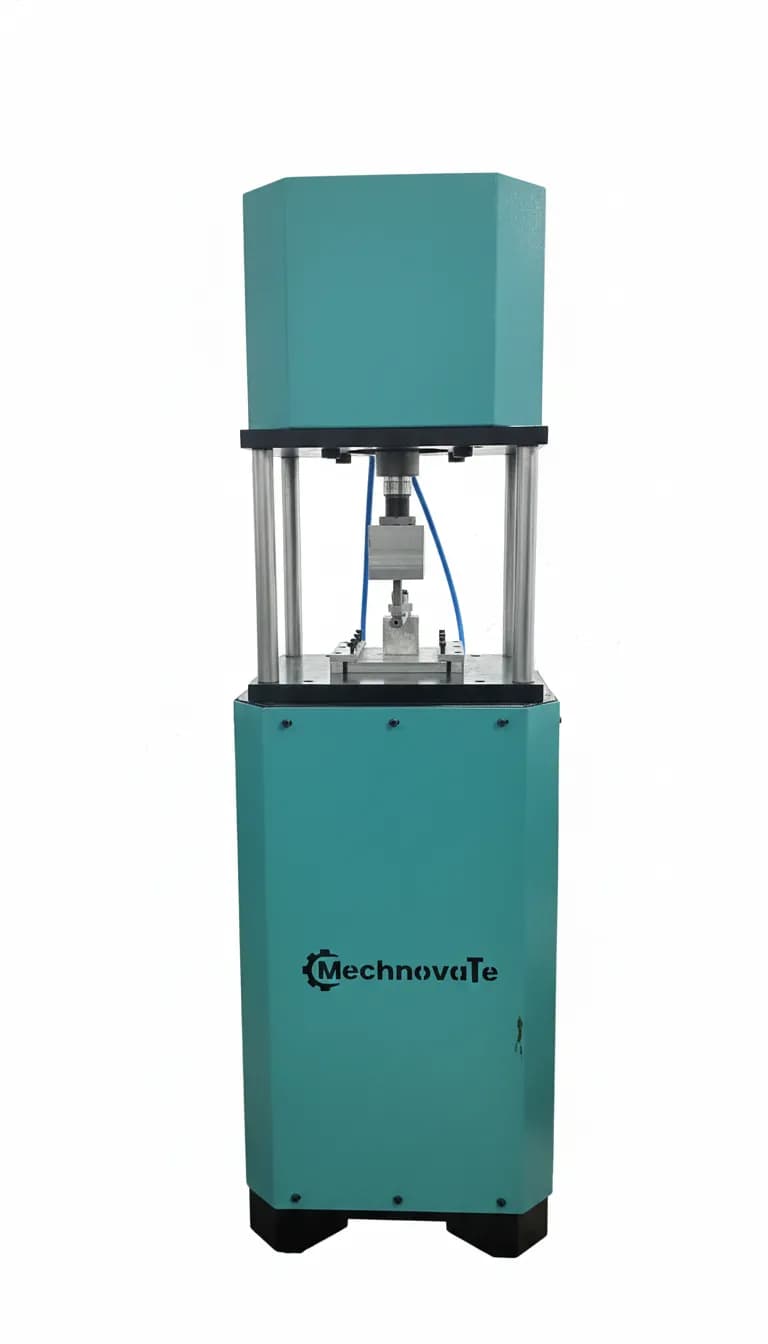
- Corner Integrity: A heavy-duty Aluminium Corner Crimping Machine should provide at least 50kN of pressing force to ensure that miter joints are watertight and structurally sound under high wind pressure.
- Milling Precision: Using a Heavy Duty End Milling Machine for mullion joints ensures a gap-free fit, adhering to IS 1285 and BS EN 12020 standards.
Analyzing the Automatic Aluminium Window Production Line Price and ROI
Investing in a fully automatic uPVC window manufacturing plant cost India or an aluminium equivalent requires a detailed cost-benefit analysis. In the Thane market, the labor cost for a skilled miter-saw operator has risen by 15% annually, while the price of high-grade aluminium remains volatile. An automatic double head cutting machine price India varies significantly based on whether the machine uses stepper motors or high-precision servo motors for head movement. Servo-driven machines, while costing 20% more upfront, allow for 0.1mm accuracy and much faster repositioning, which is critical when handling varied window sizes in a single batch.
To calculate your ROI, follow this engineering formula:
- Calculate the 'Waste Reduction Value': (Current Scrap Weight - Expected Scrap Weight) x Aluminum Price per Kg.
- Calculate 'Labor Efficiency': (Manual Hours per Unit - Automated Hours per Unit) x Hourly Rate.
- Add 'Capacity Premium': The value of additional contracts you can fulfill with the increased throughput.
- Subtract 'Maintenance and Power': Account for the 3-phase 440V power consumption and periodic blade sharpening.
Many fabricators looking for the best uPVC window making machine for small business or startups often start with a manual punching machine or a simple copy router machine. However, for those targeting the Thane high-rise segment, the transition to CNC aluminium profile cutting machine suppliers India provides is the only way to meet the required safety and ISO standards for structural glazing and heavy-duty casement windows.
Common Mistakes in Scaling Aluminium Fabrication Units
Through 15 years of workshop experience, I have seen many units fail because they prioritized the cheapest upvc machine price list over machine rigidity. A lightweight frame on an aluminium cutter machine will vibrate, leading to micro-cracks in the carbide tips of your blades and visible 'chatter marks' on the profile surface. This not only ruins the aesthetic of the window but compromises the structural seal.
- Ignoring the Cooling System: Cutting aluminium generates significant heat; ensure your line uses a high-quality mist spray lubricant to prevent 'chip welding' on the blade.
- Underpowering the Compressed Air: An automatic line with multiple pneumatic cylinders requires a dedicated screw compressor with a refrigerated dryer; moisture in the lines is the #1 cause of solenoid valve failure.
- Neglecting the End Milling: Using a single-blade manual end miller for high-volume jobs results in inconsistent tenon joints.
- Poor Blade Selection: Always match the tooth count (TCT) to the wall thickness of your specific profile to avoid 'tearing' the metal.
For those diversifying, similar logic applies when looking at a double head seamless welding machine for uPVC windows or a CNC uPVC window corner cleaning machine price India. The rigidity of the chassis and the precision of the temperature controllers are the true indicators of longevity, not just the digital display on the control panel.
FAQ for Thane Aluminium Fabricators
1. What is the minimum floor space required for a full automatic aluminium window production line?
You should allocate at least 1500 to 2000 square feet. This allows for the 4-meter to 6-meter bed of a Double Head Cutting Machine, plus necessary intake and outtake racks, and a dedicated station for the Aluminium Corner Crimping Machine. Ensure you have a clear workflow from the profile storage area to the final assembly and glass loading zone to avoid bottlenecks.
2. How do I maintain 45-degree accuracy over long production runs?
Accuracy drift is usually caused by thermal expansion of the machine bed or loose pneumatic clamps. We recommend a weekly calibration check using a master square and ensuring that the industrial profile cutting safety standards ISO standards are followed regarding machine leveling. Check the hydraulic damping fluid levels every 100 operating hours to ensure the blade feed remains consistent.
3. Is it better to buy a separate aluminium punching machine or a CNC copy router?
For high-volume production, a dedicated aluminium profile punching machine is faster for standard hardware slots, while a high speed copy router for aluminium windows is necessary for custom handle holes and complex drainage slots. If your budget allows, a CNC processing center combines both, but for most Thane fabricators, a combination of a multi-head punch and a heavy-duty copy router offers the best balance of speed and cost-effectiveness.
Get more articles like this
Follow Mechnovate on Google to see our guides in Google Discover & News