Scaling Facade Production: Aluminium Window Machine Suppliers Pune
Selecting the Right Aluminium Window Fabrication Machine Suppliers in Pune
Scaling high-precision facade production in an industrial hub like Pune requires more than just capital; it requires a deep technical understanding of how machinery interacts with high-performance profiles. Whether you are operating in the Chakan industrial belt or the Talegaon tech parks, the local demand for precision-engineered windows has never been higher. To compete with tier-1 facade consultants, fabricators must move beyond basic manual tools and invest in an integrated production line. This guide leverages 15 years of hands-on workshop experience to help you navigate the complex landscape of aluminium window fabrication machine suppliers Pune offers.
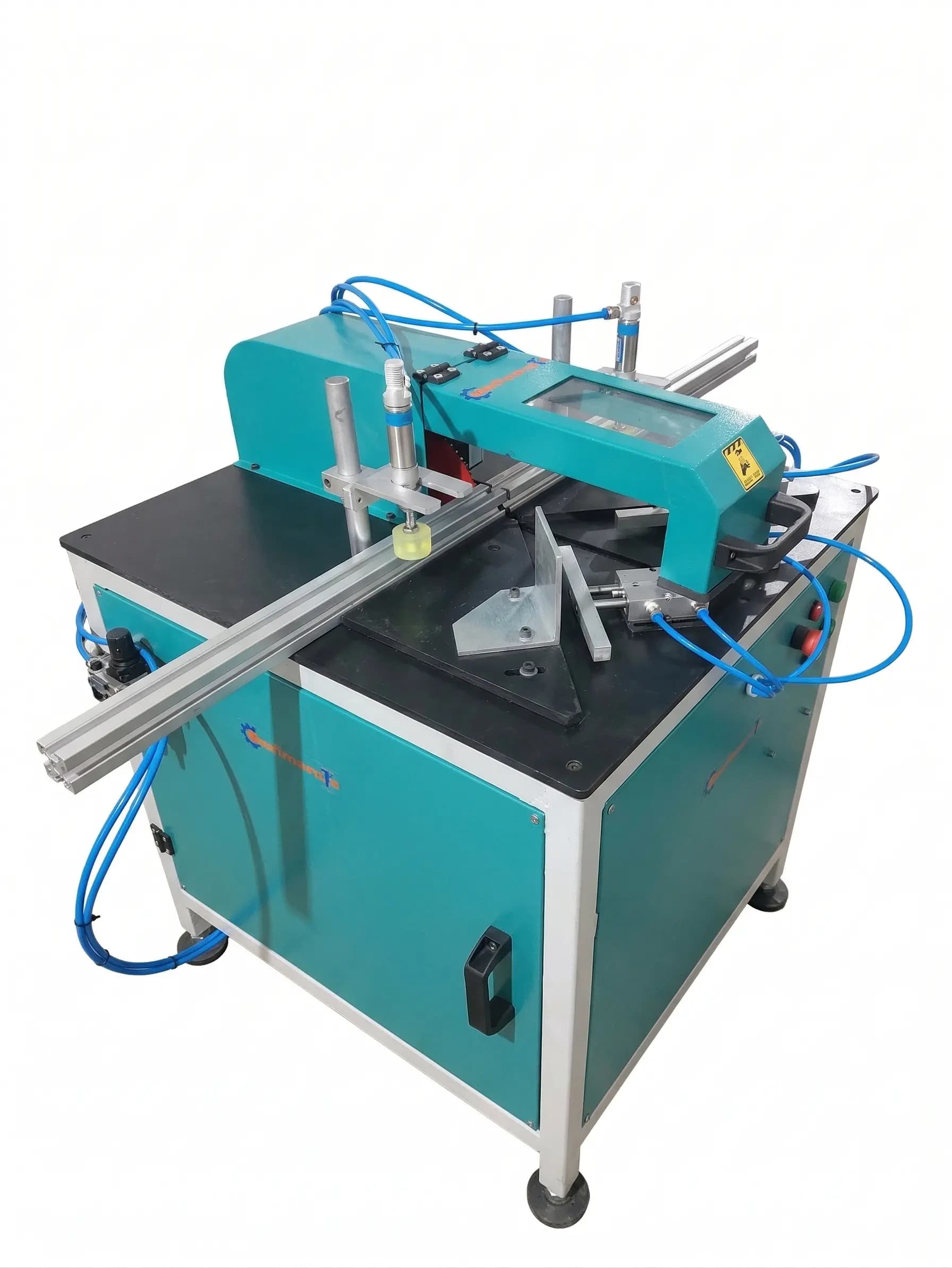
Front-loading the answer: To successfully scale, you must prioritize machinery that offers repeatable accuracy within ±0.2mm and integrates with your existing ERP or CAD software. For a growing Pune facility, the transition usually begins with upgrading from a manual aluminium cutting machine to an automatic double head cutting machine. This single shift often accounts for a 30% reduction in production time and a significant drop in material scrap rates.
Case Study: 40% Output Increase in a Chakan-Based Facility
Last year, we assisted a mid-sized fabrication unit in Pune that was struggling with 12% material waste and inconsistent corner joinery. After evaluating their workflow, we replaced their legacy 12-inch aluminium cutting machine with a high-speed 450mm automatic double head cutting saw. We spent six weeks monitoring the transition and optimizing the feed rates based on their specific profile thickness.
The results were immediate and measurable. By calibrating the pneumatic clamping systems to a consistent 7 bar pressure, we reduced profile deformation by 95%. The production capacity jumped from 40 frames per day to over 70 frames per day. Most importantly, the cutting waste dropped from 12% to 2.8%, saving the client approximately ₹1.4 Lakhs per month in raw material costs alone. This experience proves that selecting the right machine isn't just about the initial aluminium cutter machine price; it’s about the long-term ROI generated through precision and efficiency.
Technical Specifications for Precision Engineering
When evaluating an aluminium profile cutting machine, you must look at the internal components that ensure long-term stability. A high-quality machine should feature a spindle speed of at least 2800 to 3200 RPM to ensure a burr-free finish on high-grade alloys like 6063-T6. The feed rate should be adjustable to accommodate both thin-walled window profiles and heavy-duty curtain wall sections.
- Blade Diameter and Material: For architectural facades, a 450mm or 500mm TCT blade is standard. This allows for cutting wider profiles at a 45-degree angle without multiple passes.
- Angle Accuracy: Ensure the machine uses a servo-driven or pneumatic indexing system that locks at 45, 90, and 135 degrees with an accuracy tolerance of ±0.1 degrees.
- Clamping Systems: Look for vertical and horizontal pneumatic clamps. This prevents the profile from vibrating during high-speed cuts, which is the primary cause of poor joint fits.
- Safety and Standards: Every unit should adhere to industrial profile cutting safety standards and ISO 9001 certifications. This includes emergency stop buttons, protective hoods, and magnetic safety sensors.
Essential Machinery for a Complete Production Line
An efficient plant in Pune needs a balanced ecosystem of machines to avoid bottlenecks. While the cutting saw is the heart of the operation, the secondary processing determines the final quality of the installation. A high-speed copy router machine is essential for milling lock slots, handles, and drainage channels with high repeatability.
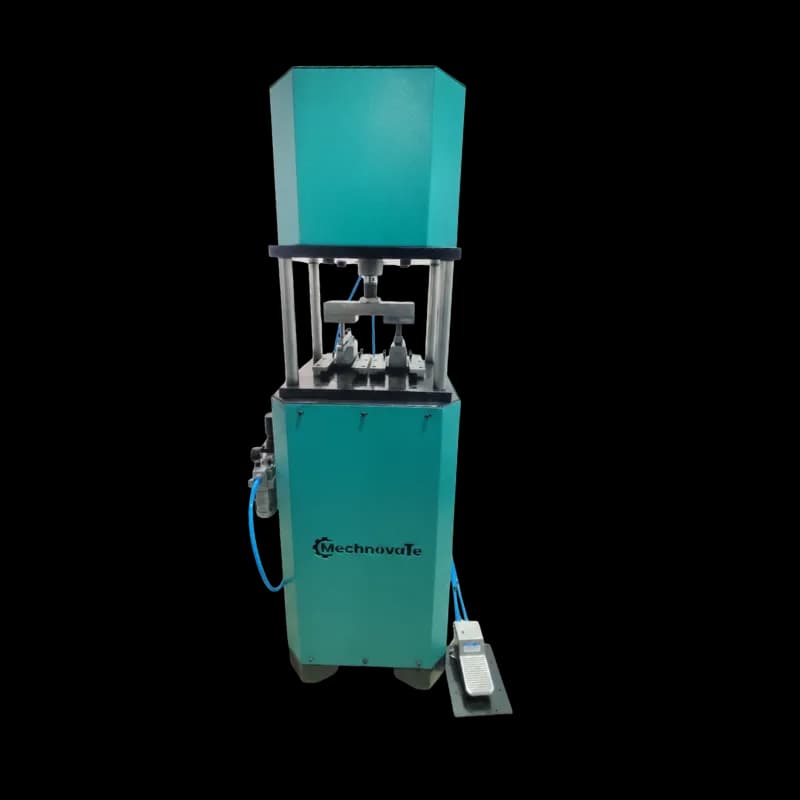
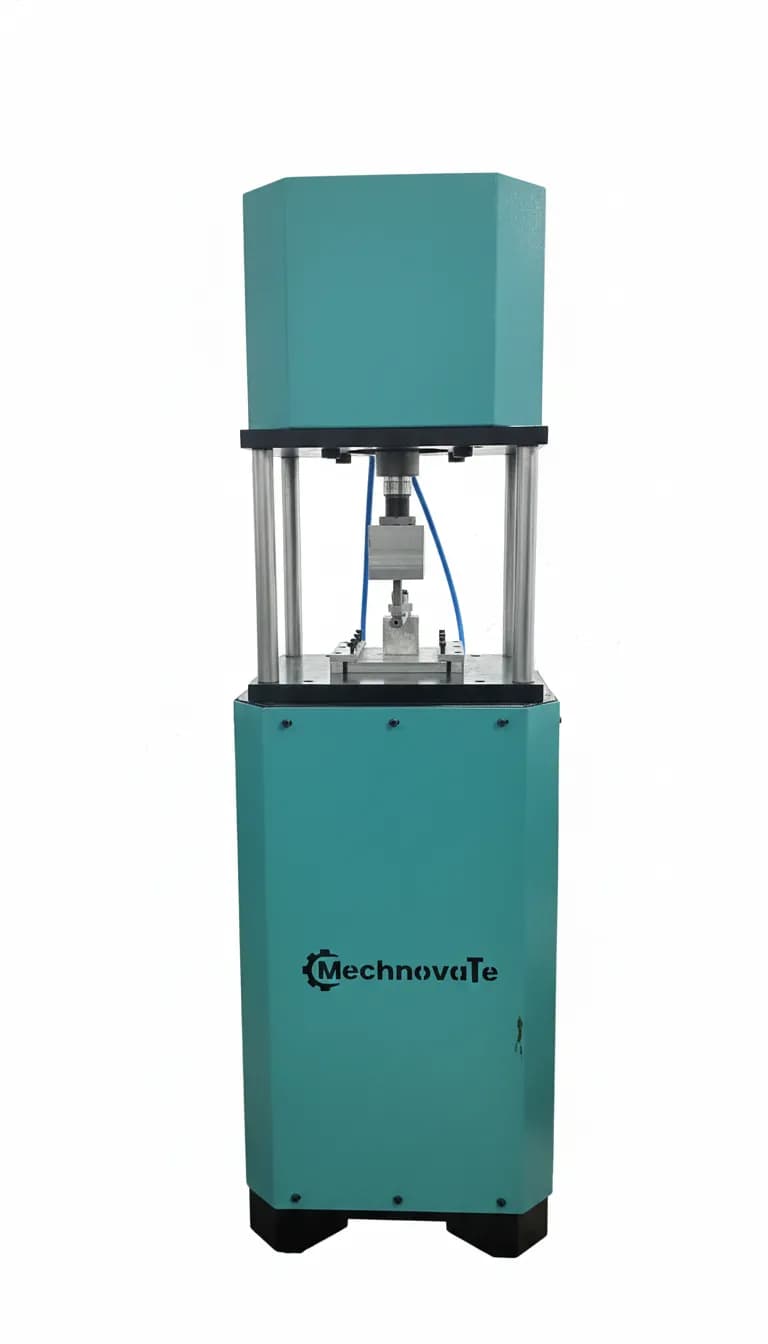
- Corner Crimping: An automatic aluminium corner crimping machine ensures that the mitered joints are structurally sound and watertight. This is far superior to manual mechanical corner cleats.
- Punching: For high-volume projects, a manual punching machine or an automatic hydraulic punching unit is necessary for creating consistent fastener holes and weep holes.
- End Milling: A heavy-duty aluminium profile end milling machine is required for preparing transom and mullion joints in curtain walling systems.
Avoiding Common Pitfalls in Machine Procurement
The most common mistake I see among Pune fabricators is choosing a machine based solely on the aluminium cutting machine price without considering the cost of downtime. A cheaper machine often lacks local service support or uses non-standard components that are difficult to replace during a production crunch.
Another mistake is mismatching the machine's capacity to the profile design. For example, using a standard upvc window machine for heavy-duty aluminium profiles will lead to motor burnout and blade misalignment. Always verify that the motor power (typically 1.5kW to 3kW per head) matches your most demanding profile wall thickness. Furthermore, check the manufacturer’s warranty terms and whether they provide a service center in Maharashtra to minimize lead times for spare parts.
Scaling with uPVC Window Manufacturing Machinery
Many forward-thinking fabricators in Pune are now running hybrid plants that produce both aluminium and uPVC windows. If you are looking to expand, integrating a uPVC window manufacturing machine into your workflow allows you to cater to the mass-residential market alongside high-end commercial projects. The process involves different technologies, such as a double head seamless welding machine for uPVC windows and specialized CNC corner cleaners.
When setting up a hybrid unit, the cost of setting up a uPVC window manufacturing unit in India can vary significantly based on automation levels. However, the synergy between the two lines—shared assembly areas and logistics—can reduce your overall overhead by 15-20%. We recommend starting with a portable uPVC window welding machine for startups before scaling to a fully automatic uPVC window manufacturing plant cost India-wide.
FAQ Section for Pune Fabricators
Q: What is the ideal blade size for a commercial aluminium fabrication unit in Pune? A: For most commercial projects involving high-performance facades, a 500mm blade is the industry standard. It provides the necessary depth for wide sliding tracks and heavy mullions that a standard 12-inch aluminium cutter machine cannot handle in a single stroke.
Q: How do I maintain my aluminium profile cutting machine for maximum longevity? A: Daily maintenance is critical. Ensure the mist lubrication system is filled with high-quality cutting oil to prevent blade overheating. Weekly, check the pneumatic pressure levels and clear the swarf from the guide rails to prevent accuracy drift.
Q: Can I use the same machine for both aluminium and uPVC profiles? A: While some cutting saws can handle both, the blade geometry and RPM requirements differ. uPVC requires a cleaner, faster cut to prevent melting, whereas aluminium requires high torque and lubrication. For high-volume production, we always recommend dedicated machinery for each material.
Q: What is the typical lead time for machinery delivery in the Pune region? A: For standard models like the double head miter saw for aluminium profiles, delivery usually takes 2 to 4 weeks. Custom CNC configurations or fully automatic production lines may take 8 to 12 weeks depending on the level of software integration required.
Get more articles like this
Follow Mechnovate on Google to see our guides in Google Discover & News